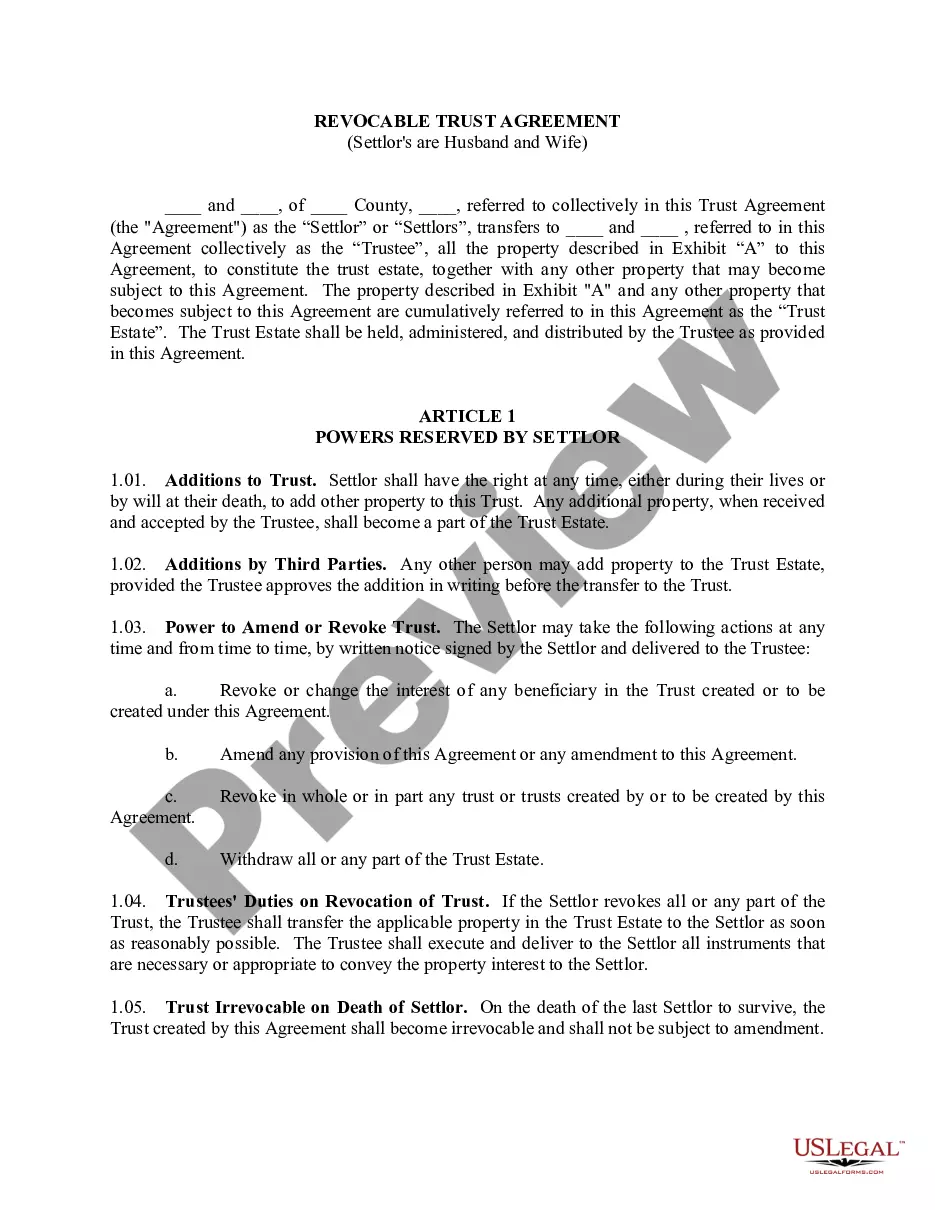
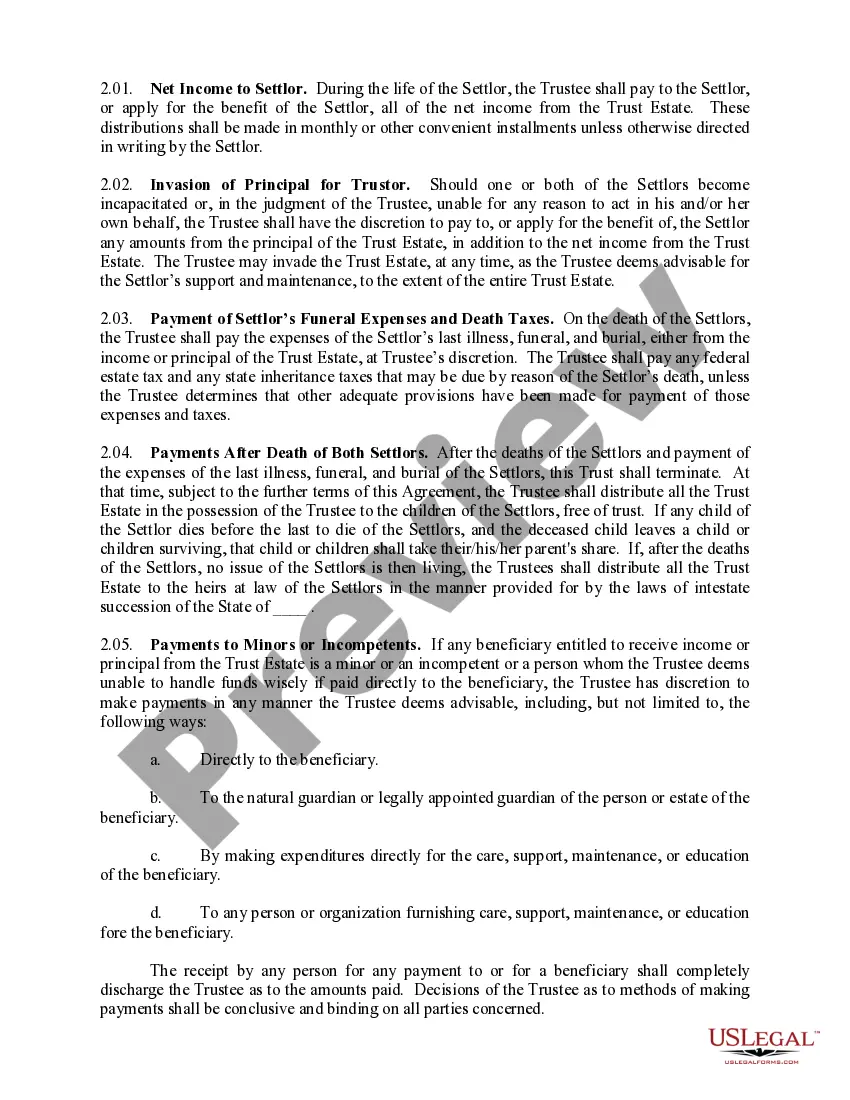
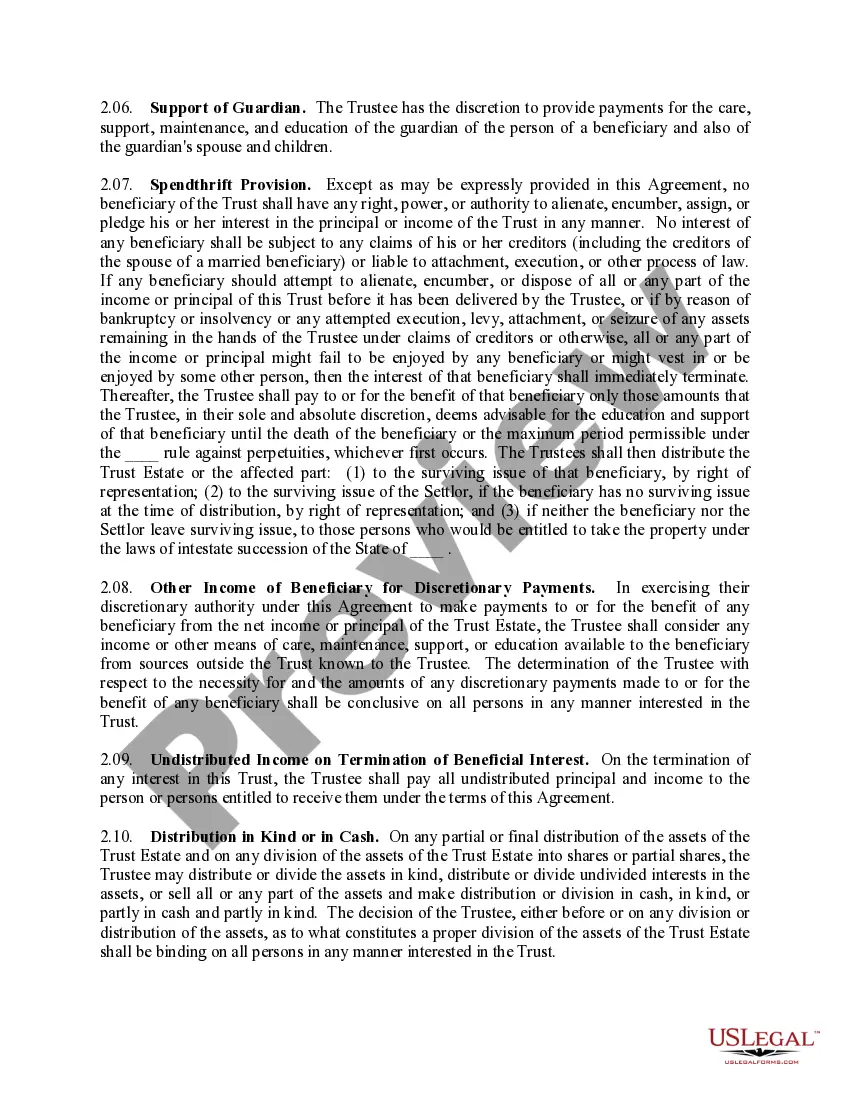
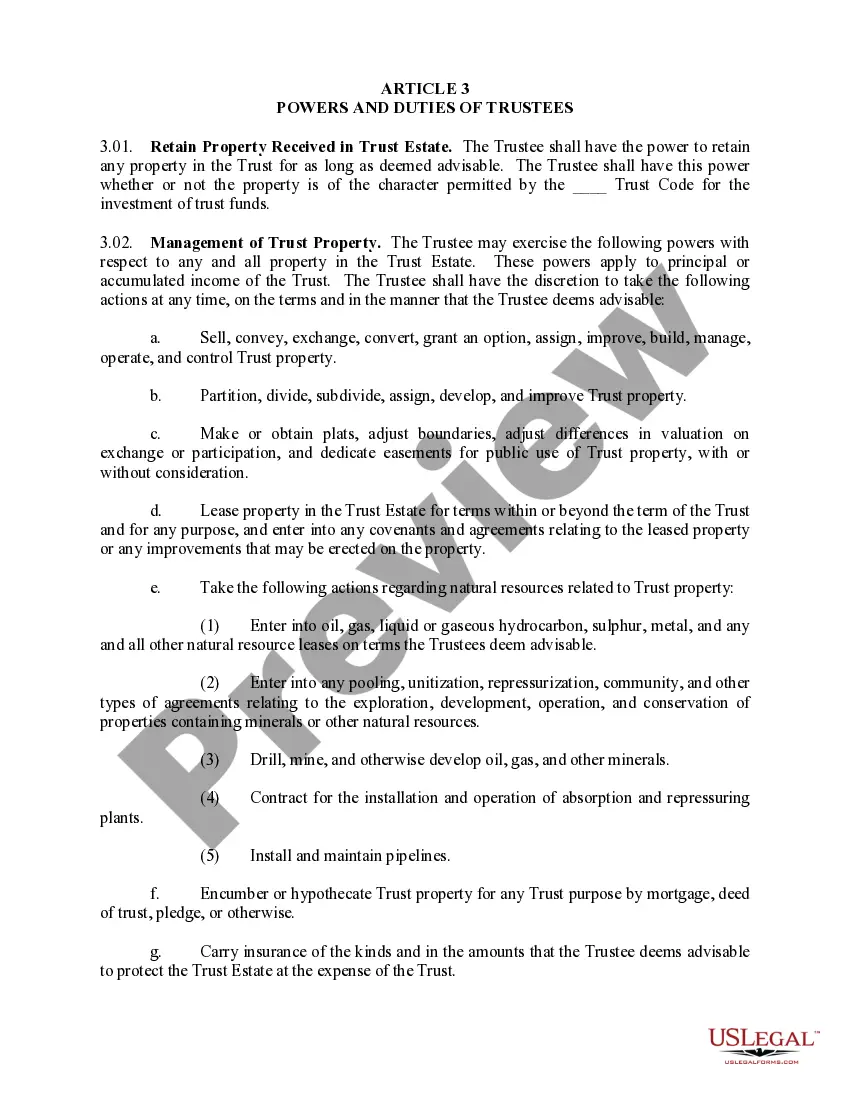
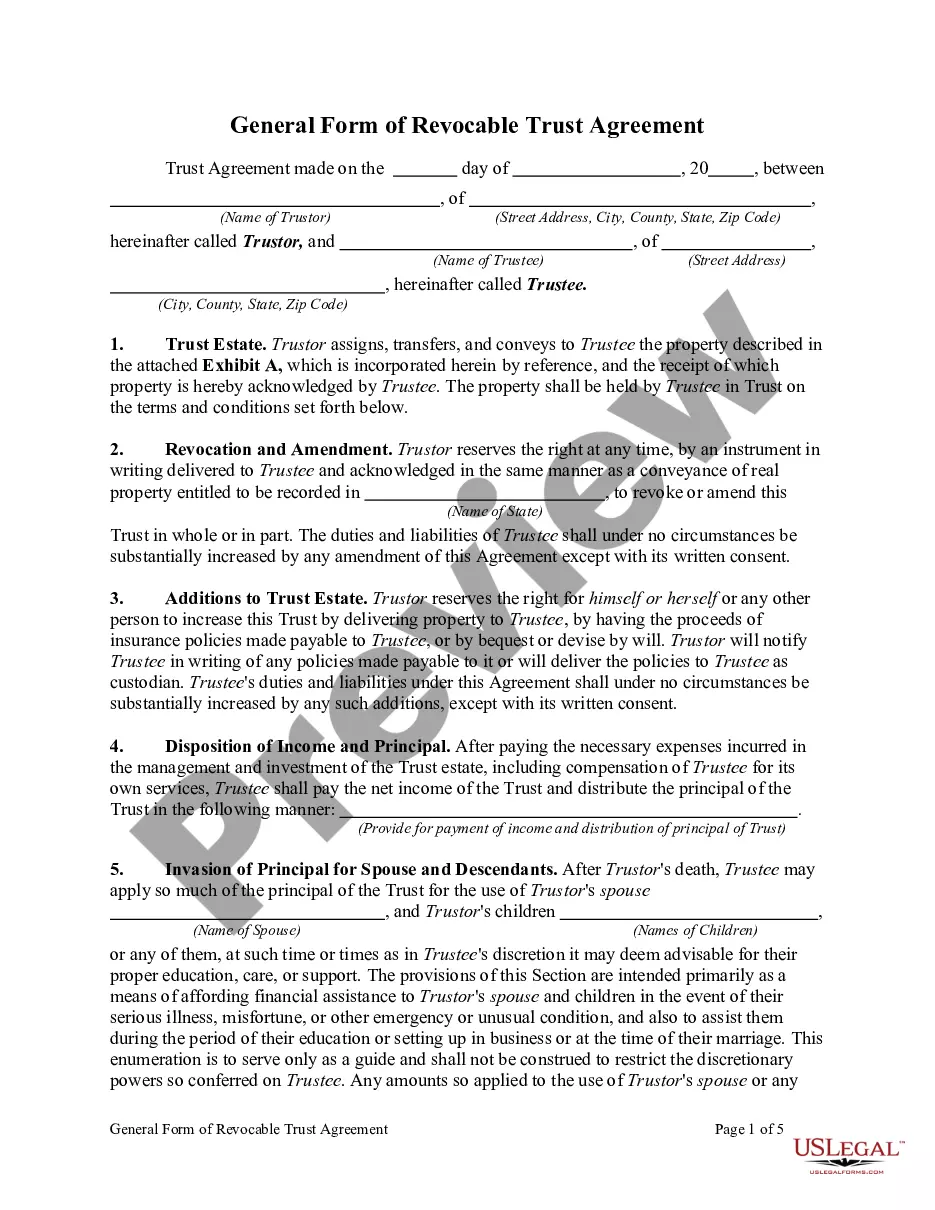
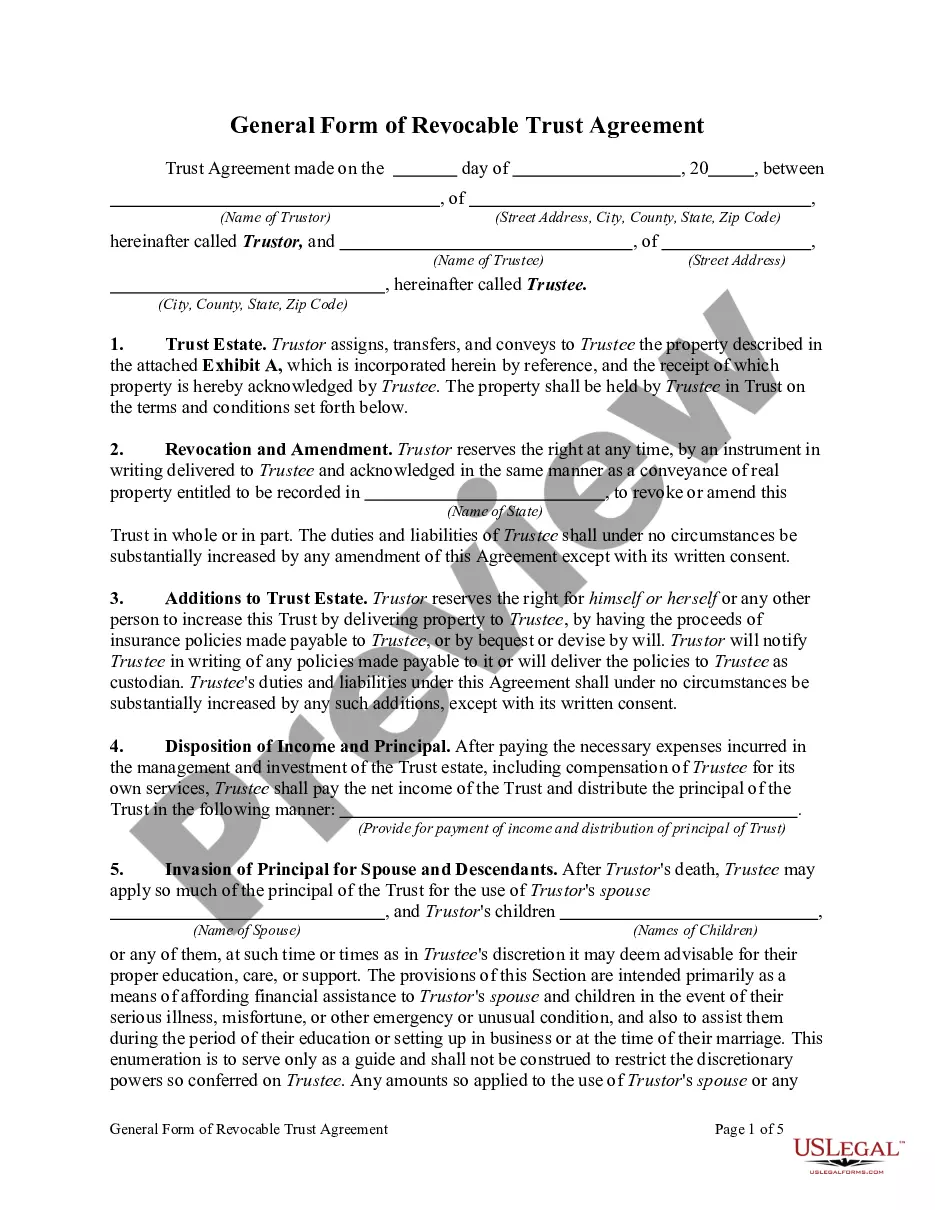
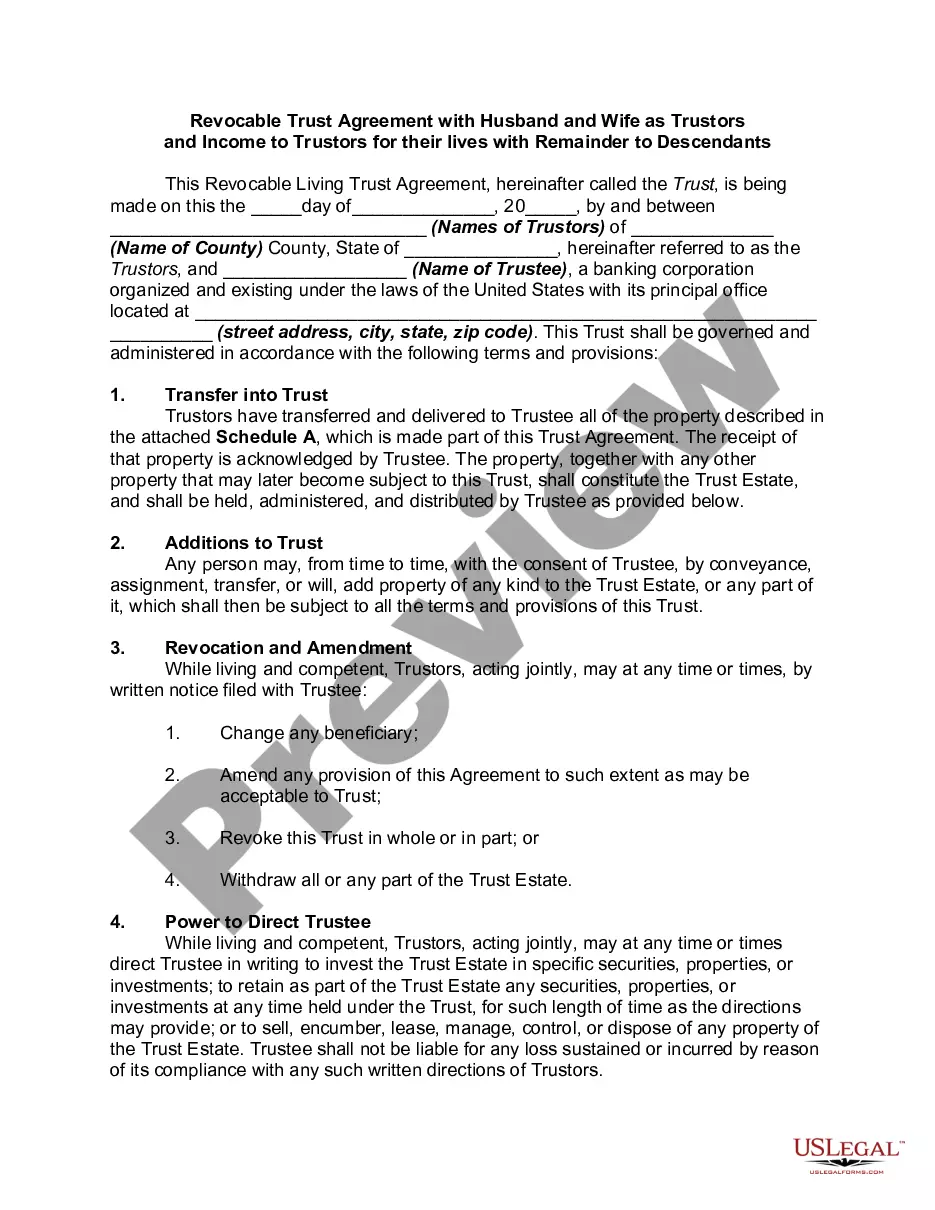
This form provides for the establishment of a trust, specifying the duties and responsibilities of the trustee, and the distribution of the assets to be transferred to the trust. This form of trust is known as a revocable intervivos trust. Being a trust does not automatically accomplish the transfer of an owners property into the trust. This must be done by conveying, in deeds or assignments, the property to the Trustee.
Typically, couples name each other as primary beneficiaries, but they can also include children, family members, or charitable organizations, depending on their wishes and future goals.
While a Revocable Trust itself doesn’t provide direct tax benefits, it can simplify the handling of taxes and assets after death, which can ultimately save time and effort.
If one spouse passes away, the trust usually continues to operate without a hitch, and the surviving spouse would take over as the trustee, ensuring everything keeps running smoothly.
Absolutely! Since it’s a revocable trust, either spouse can modify or dissolve it as long as both agree. It’s all about keeping control where they want it.
Both spouses typically act as co-trustees, which means they share the responsibility of managing the trust assets. It's a team effort where both can make decisions together.
Setting up a Revocable Trust can help a couple avoid probate, keep their affairs private, and ensure their loved ones are taken care of exactly how they want, without any unnecessary hassle.
A Revocable Trust Agreement is like a safety net that allows husband and wife to manage their assets together during their lifetime and decide what happens to those assets after they pass, all while keeping things flexible.