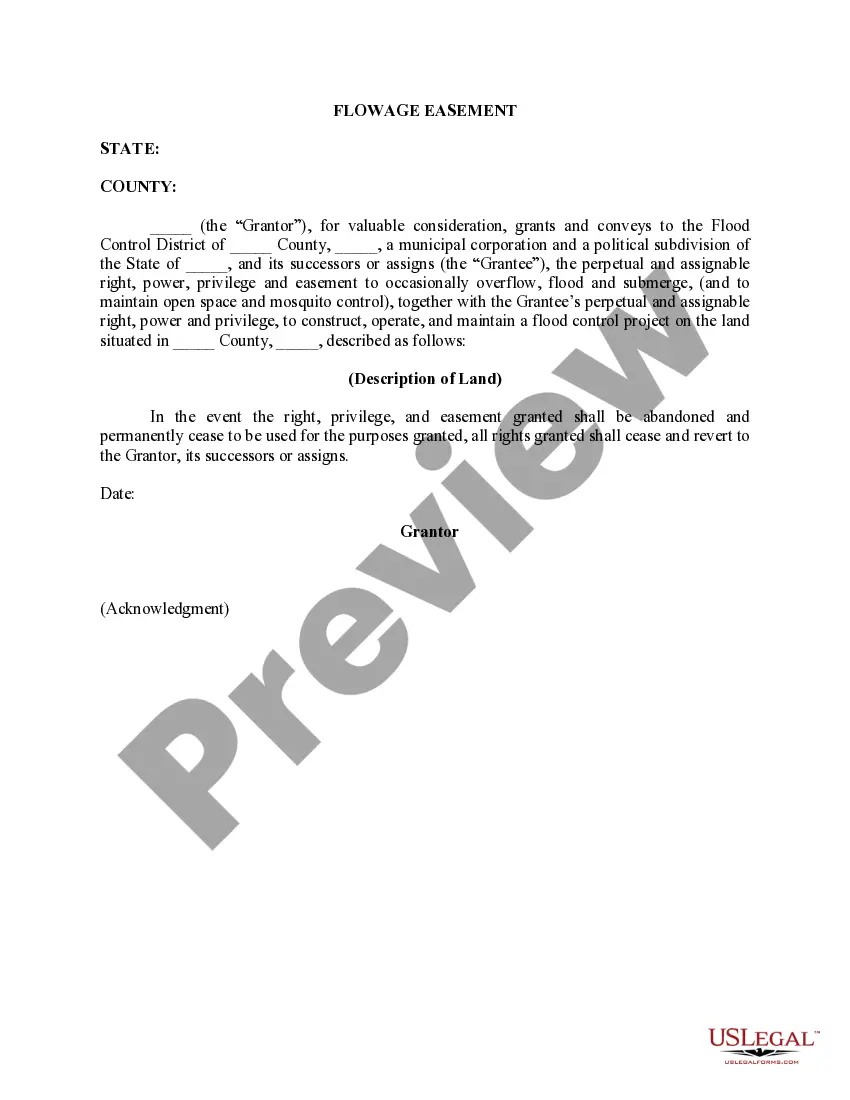
If a flowage easement is breached, floodwaters can flow into areas they shouldn't be, leading to damage. It’s important to report such incidents to authorities to prevent future issues.
While flowage easements generally apply to specific areas, there can be exceptions based on certain circumstances. Every case is different, so it's best to consult with local officials.
Having a flowage easement might lower your property value since it could limit what you can do with your land. But on the flip side, it could also mean more stability in flood-prone areas.
Building restrictions usually apply to properties with flowage easements. It's wise to check with local authorities to understand what you can and can't do.
You can check with the local city or county office, as they maintain records of all flowage easements. They can tell you if your property is affected.
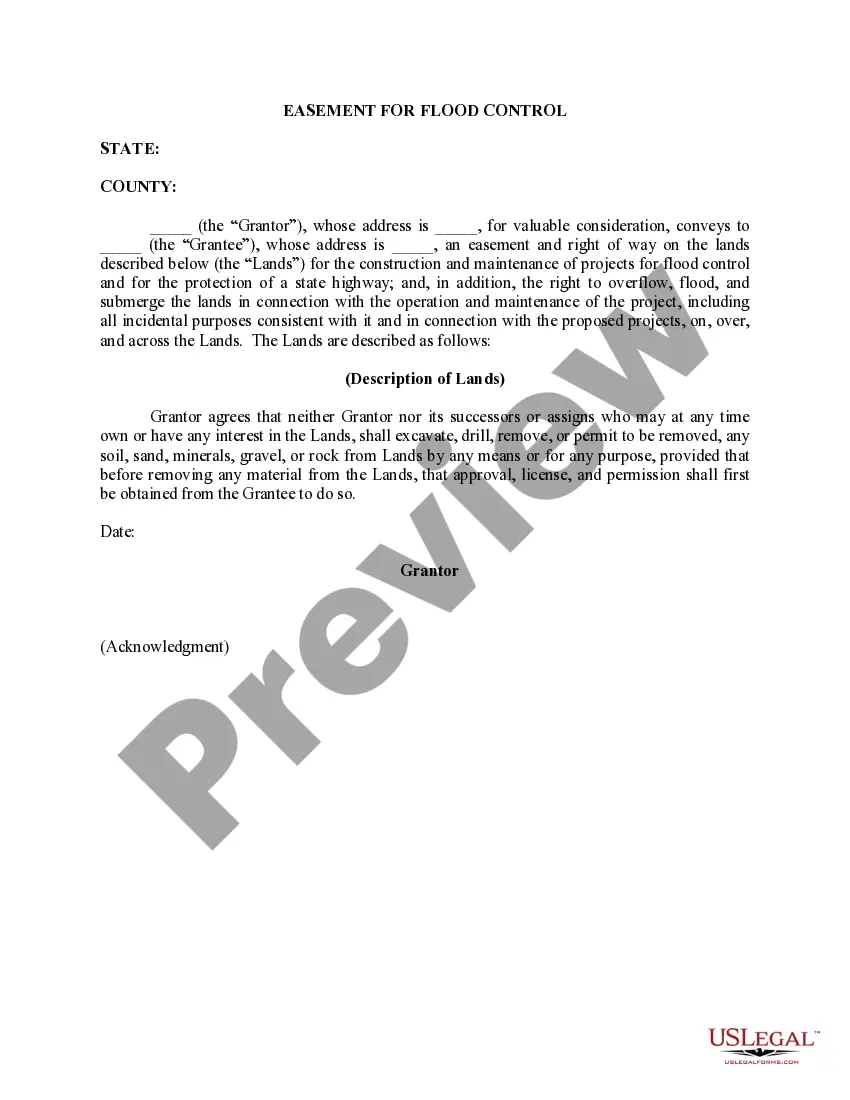
Flowage easements play a vital role in keeping floodwaters in check, which can save homes and businesses from water damage, ensuring neighborhoods stay safe and sound.
A flowage easement is a legal right that allows water to flow over a certain piece of land, like when rivers or streams overflow. It helps manage flood risks while protecting properties.