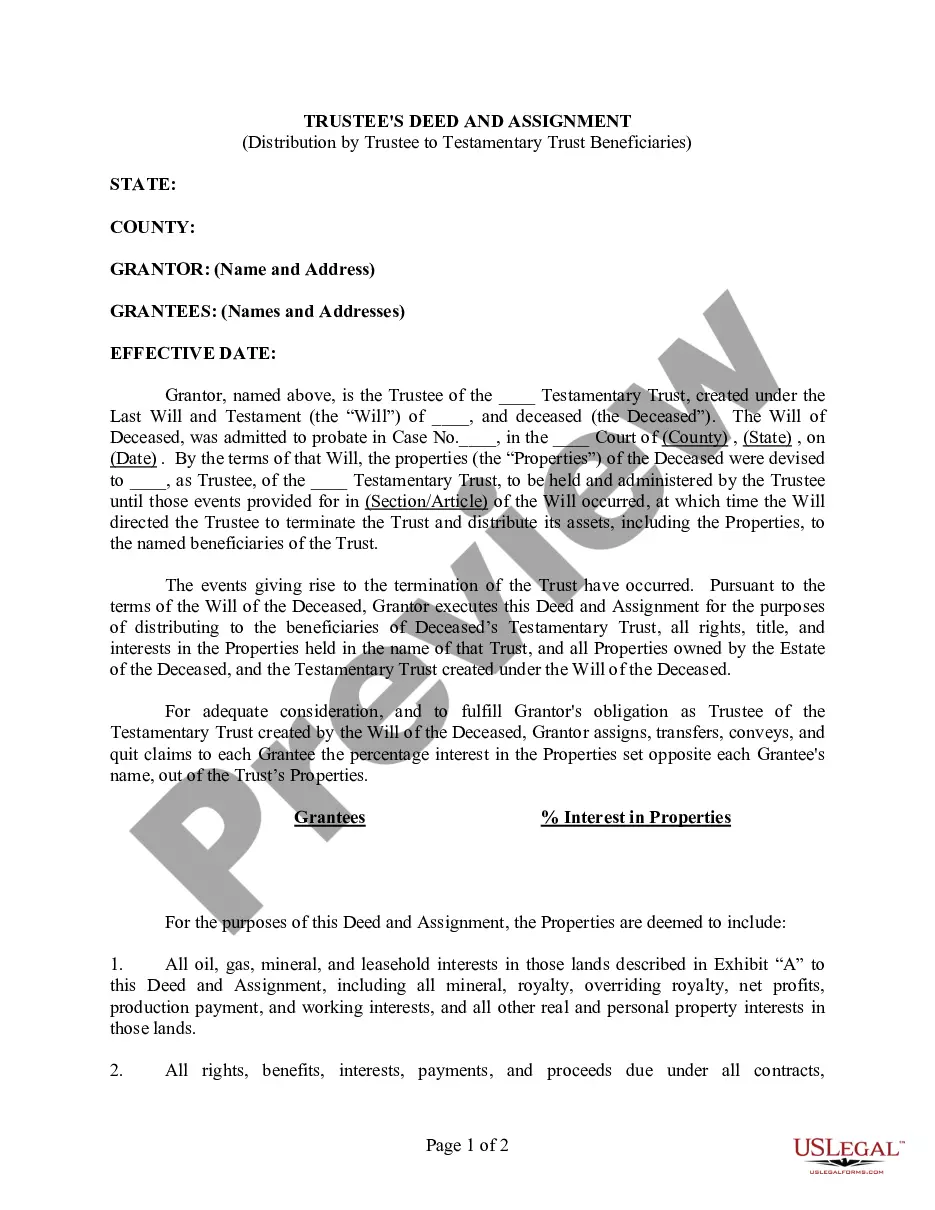
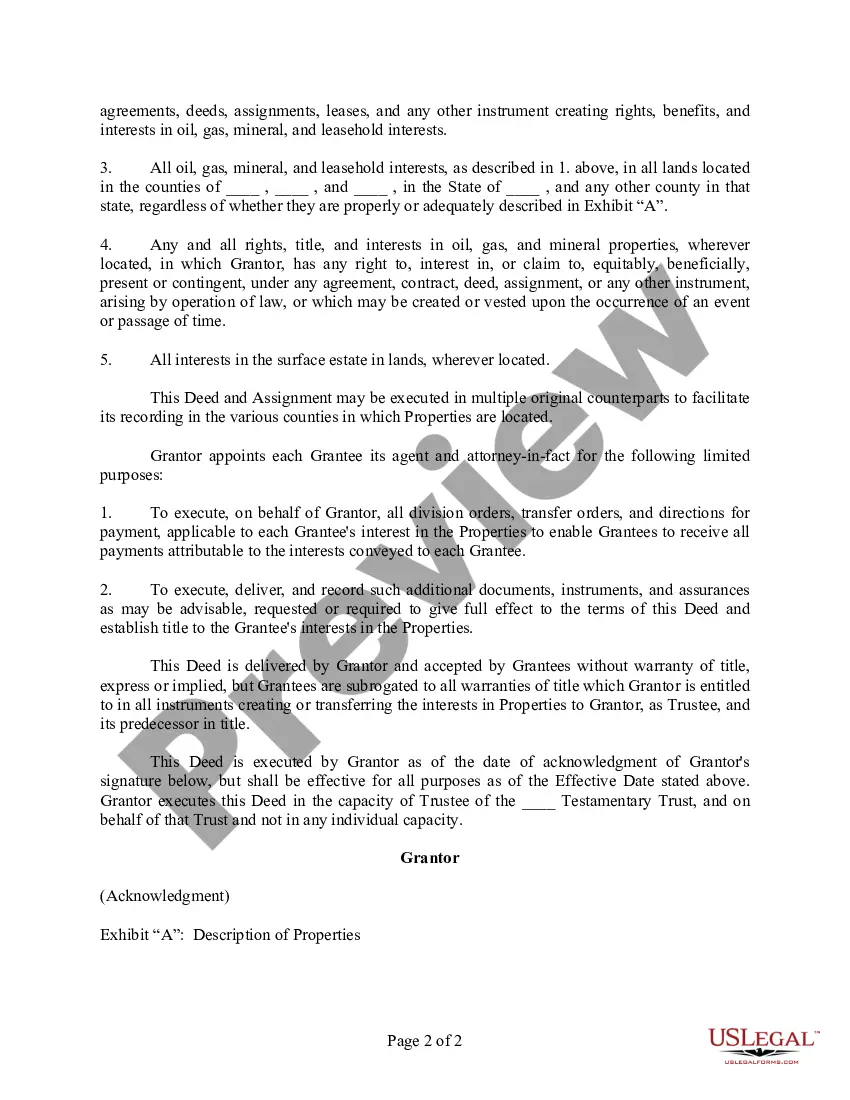
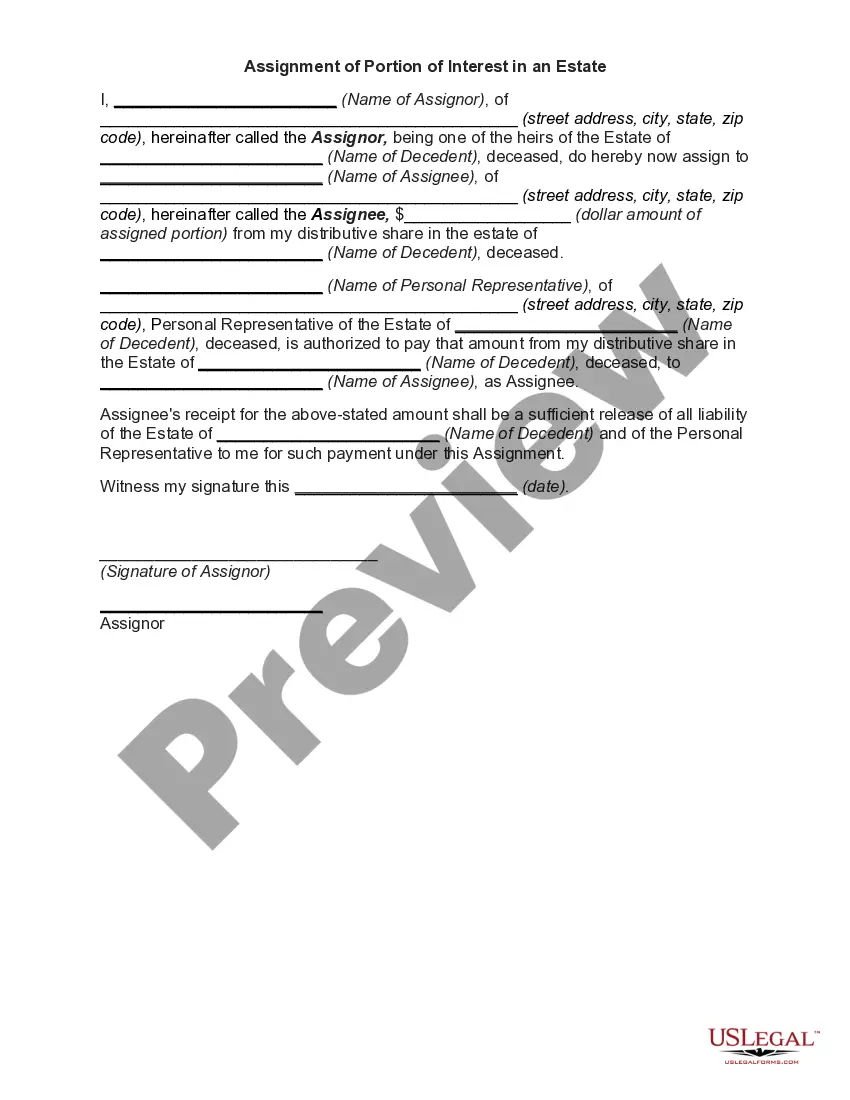
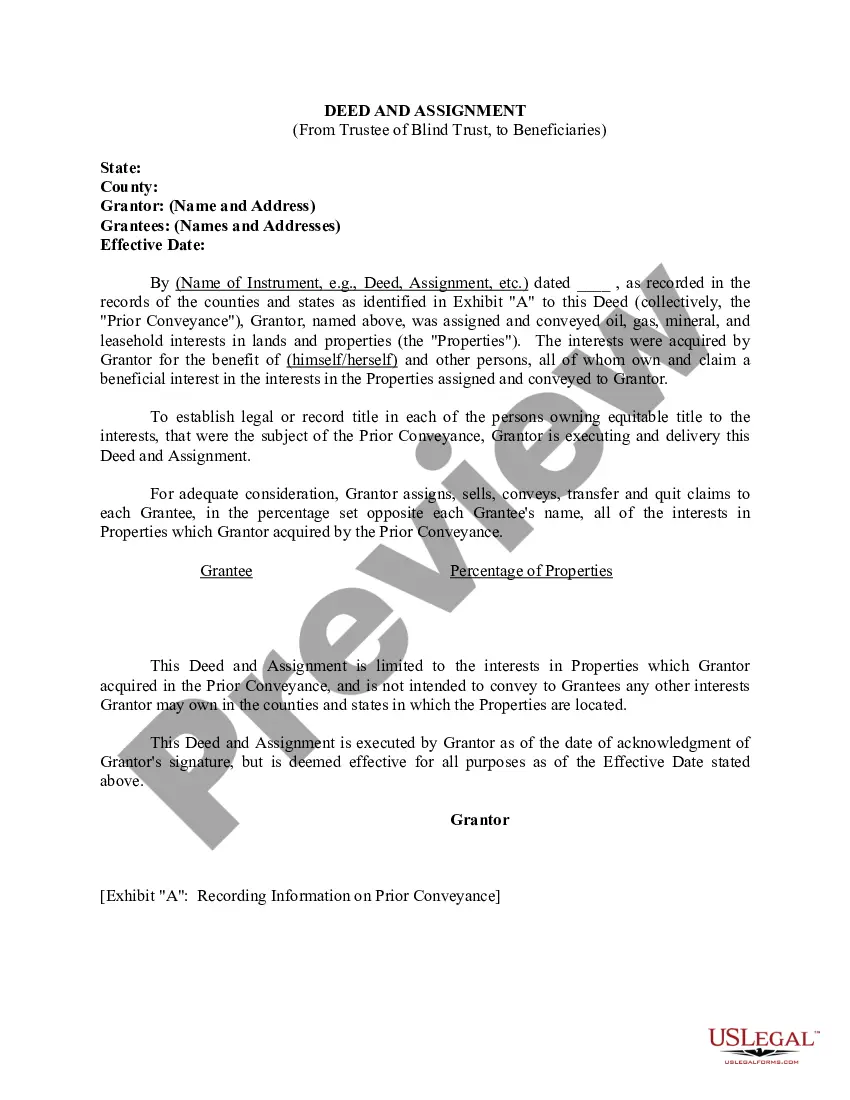
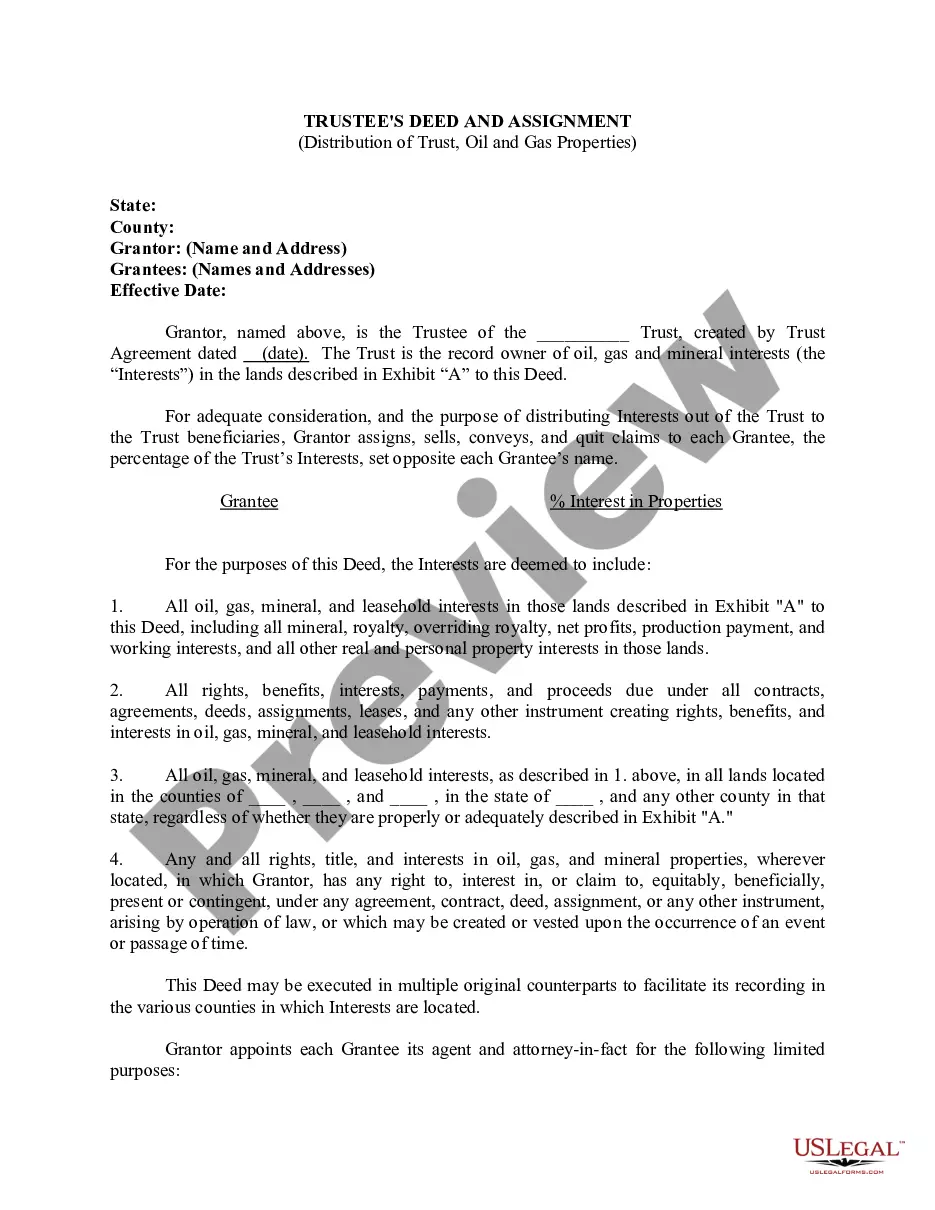
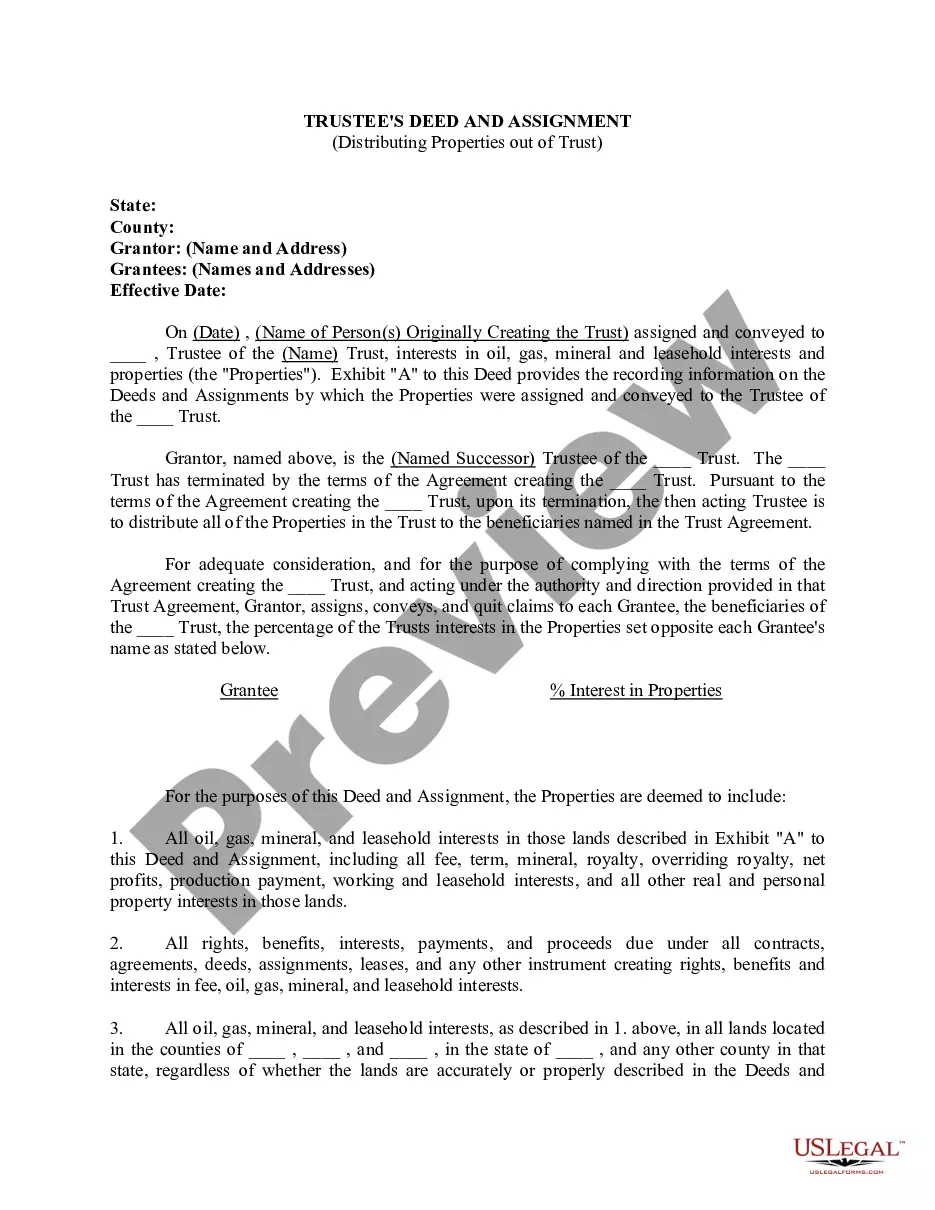
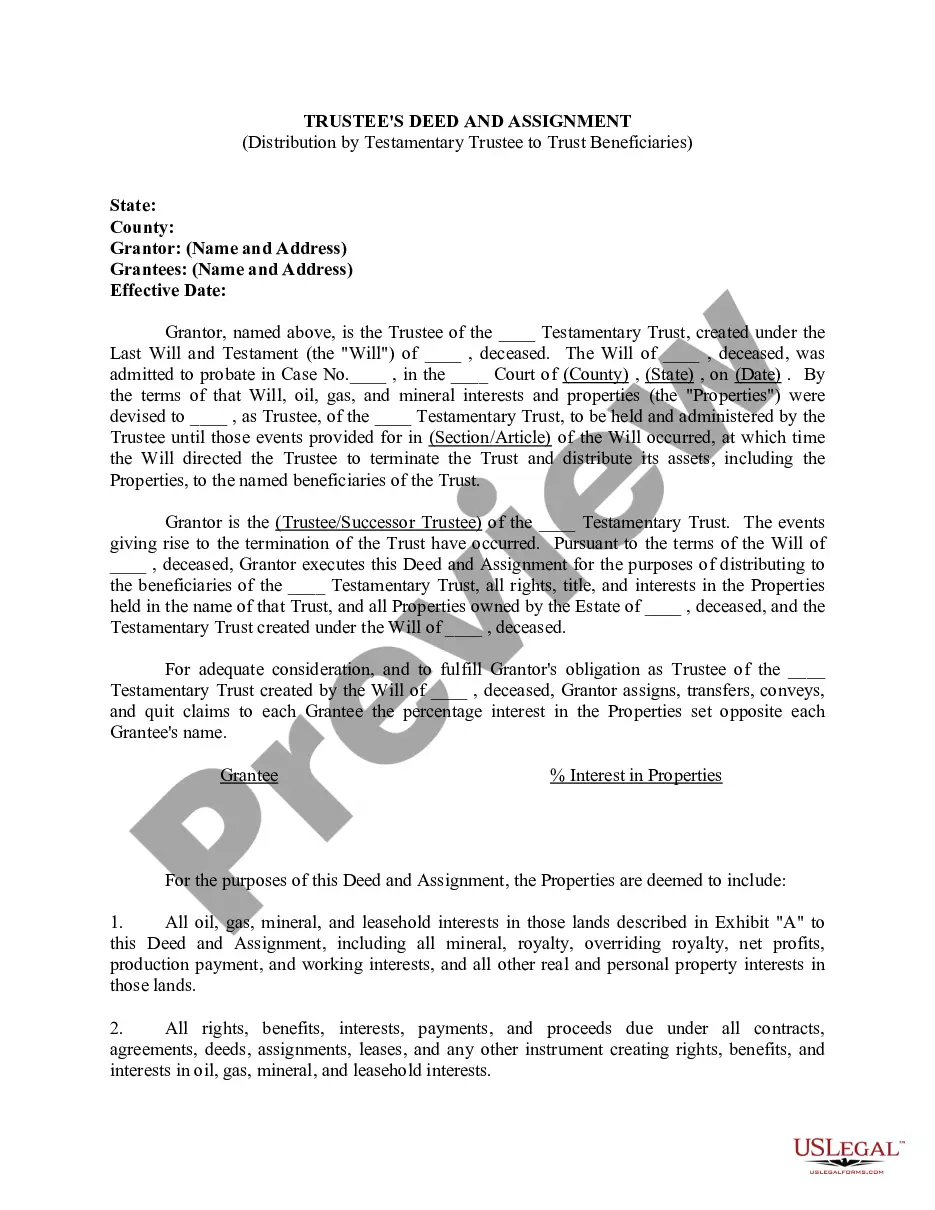
This is a form of deed in which a Trustee of a trust, created under the last will and testament of a deceased party, distributes the assets and interests out of the trust to the beneficiaries named in the trust created under the terms of the deceased's will.
Yes, there are often time limits in place for beneficiaries to make their claims. It’s like a ticking clock; the sooner they act, the better their chances of getting what’s rightfully theirs.
Yes, a Trustee's Deed can be contested, especially if there are allegations of misconduct or if the wishes of the deceased weren't followed. It's like throwing down the gauntlet where those concerned want their day in court.
If a beneficiary has a bone to pick with the trustee's decisions, they can voice their concerns, and if necessary, seek legal advice. It’s important to keep the lines of communication open to resolve any issues.
When distributing assets, the trustee follows the instructions in the trust document or will, ensuring that each beneficiary gets what they are owed. It’s all about playing fair and sticking to the plan.
Assigning property to testamentary trust beneficiaries means giving them their share of the trust's assets as laid out in a will. It’s the process of making sure that the wishes of the deceased are honored.
A trustee is usually someone appointed to manage the trust's assets, often a family member or a trusted advisor. They're like the captain of the ship, guiding the trust's property to its destination.
A Trustee's Deed is a legal document that transfers property from a trustee to a beneficiary, especially in cases where a trust is involved. Think of it as a key that unlocks the door to the property for the rightful owner.
Trusted and secure by over 3 million people of the world’s leading companies
Aurora Colorado Trustee's Deed and Assignment for Distribution by Trustee to Testamentary Trust Beneficiaries