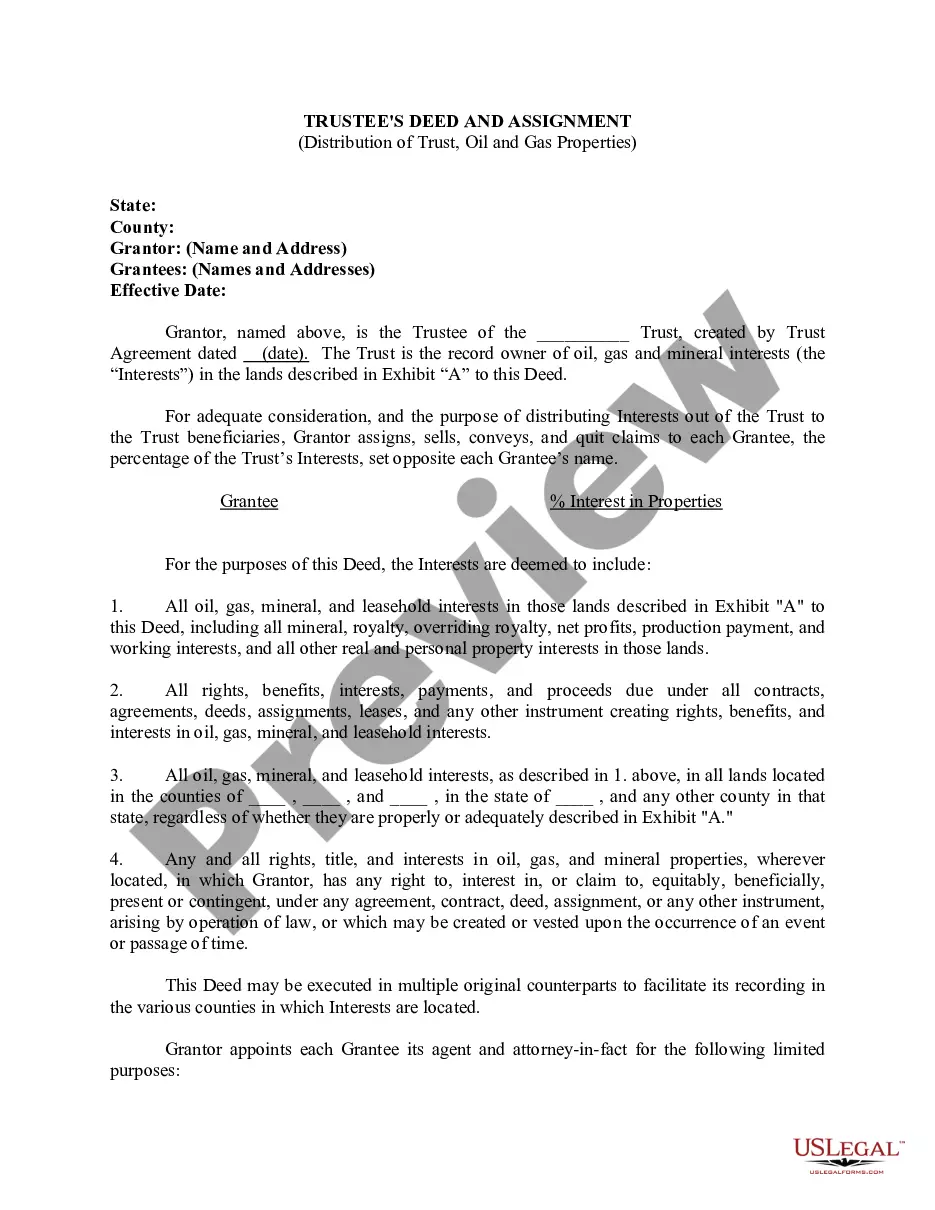
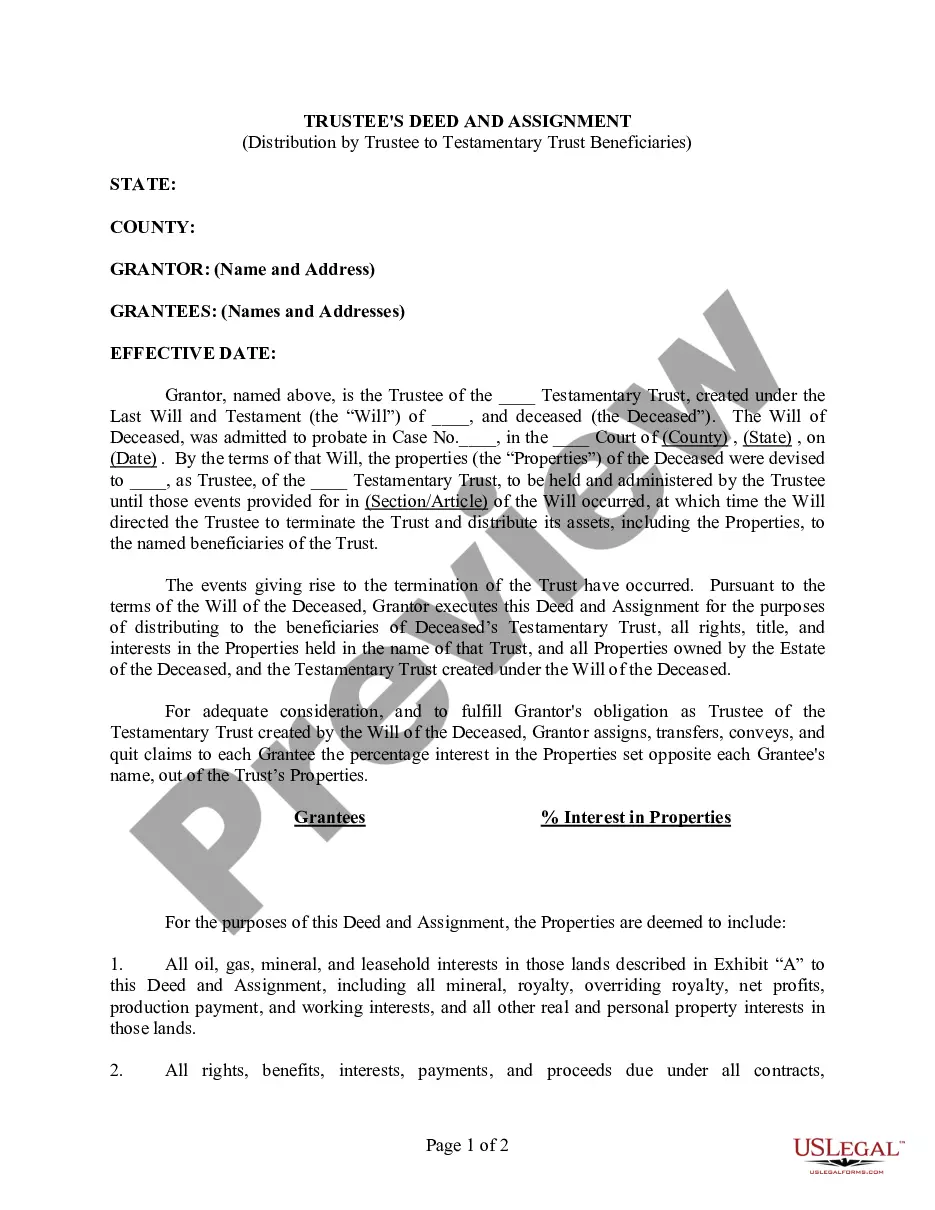
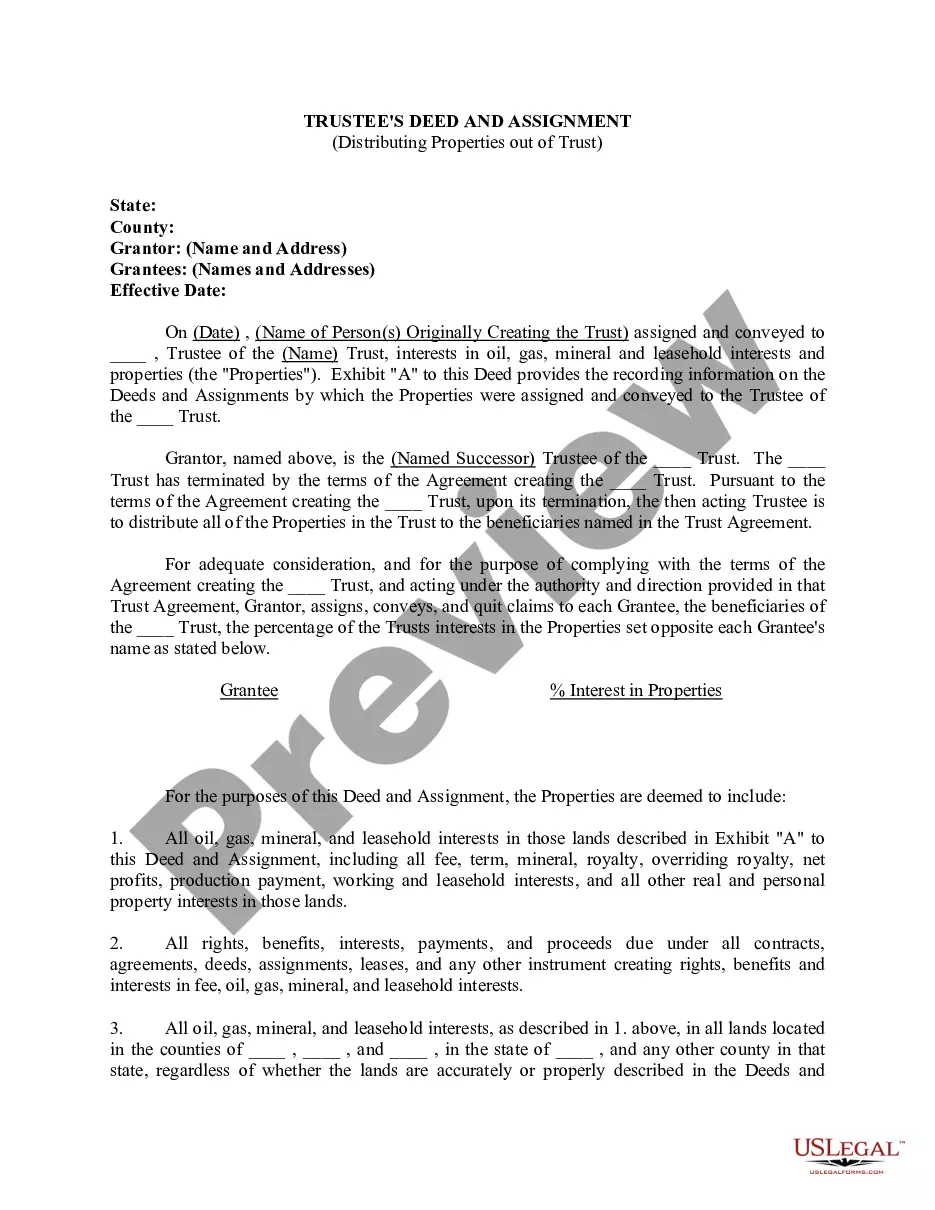
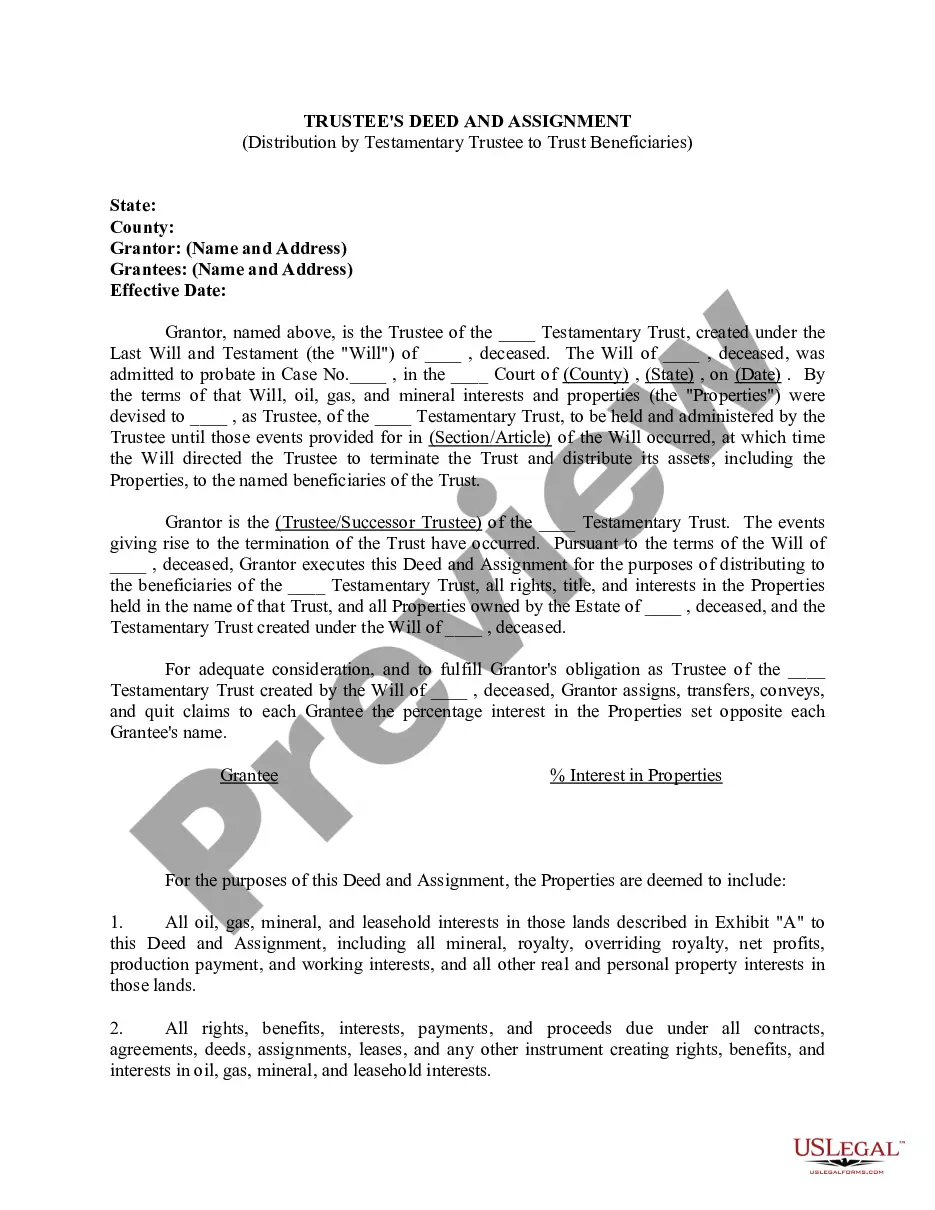
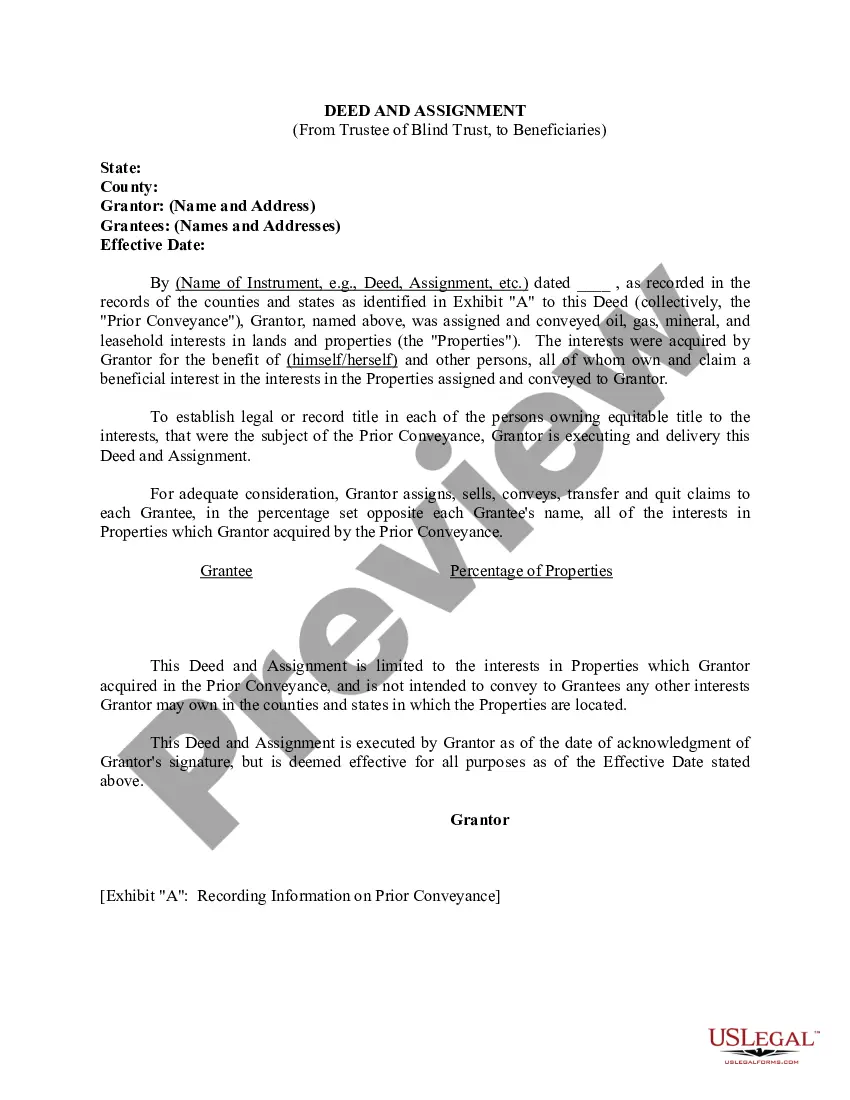
This form addresses the situation where properties are held in trust and the trustee desires to transfer those properties to the beneficiaries named in the trust agreement.

Once the deed is recorded and the property is transferred, it's usually a done deal. However, if there are issues, it might be worth getting some legal advice to see if there are any options left.
The deed usually includes details like the property description, names of the trustee and beneficiaries, and any conditions attached to the transfer—it's basically the property's story in writing.
Yes, the deed is typically recorded with the county in Columbus to maintain a clear public record of who owns what, like making a mark on history.
If a trustee seems to be steering the ship in the wrong direction, beneficiaries can consult a legal professional to explore options—there are usually ways to get back on course.
Generally, beneficiaries don’t need to sign the deed itself, but it's good practice for everyone to be on the same page—after all, communication is key.
In Columbus, Ohio, the process involves the trustee preparing a legal document that spells out the terms and then signing it to transfer the property to the beneficiaries. It's all about making sure everyone knows who gets what.
A deed from a trustee to beneficiaries is like handing over the keys to a house. It transfers ownership of property held in a trust to the people designated to benefit from it.