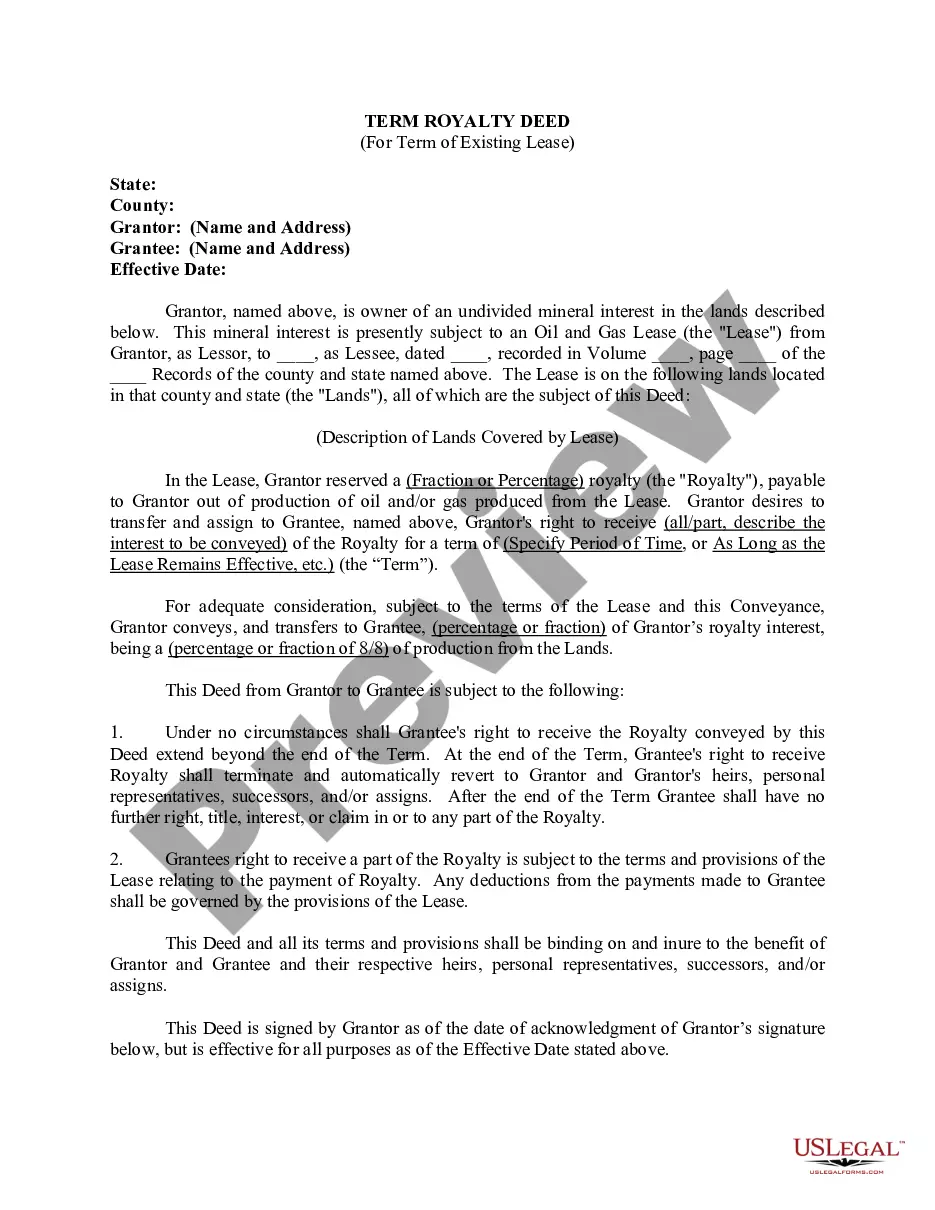
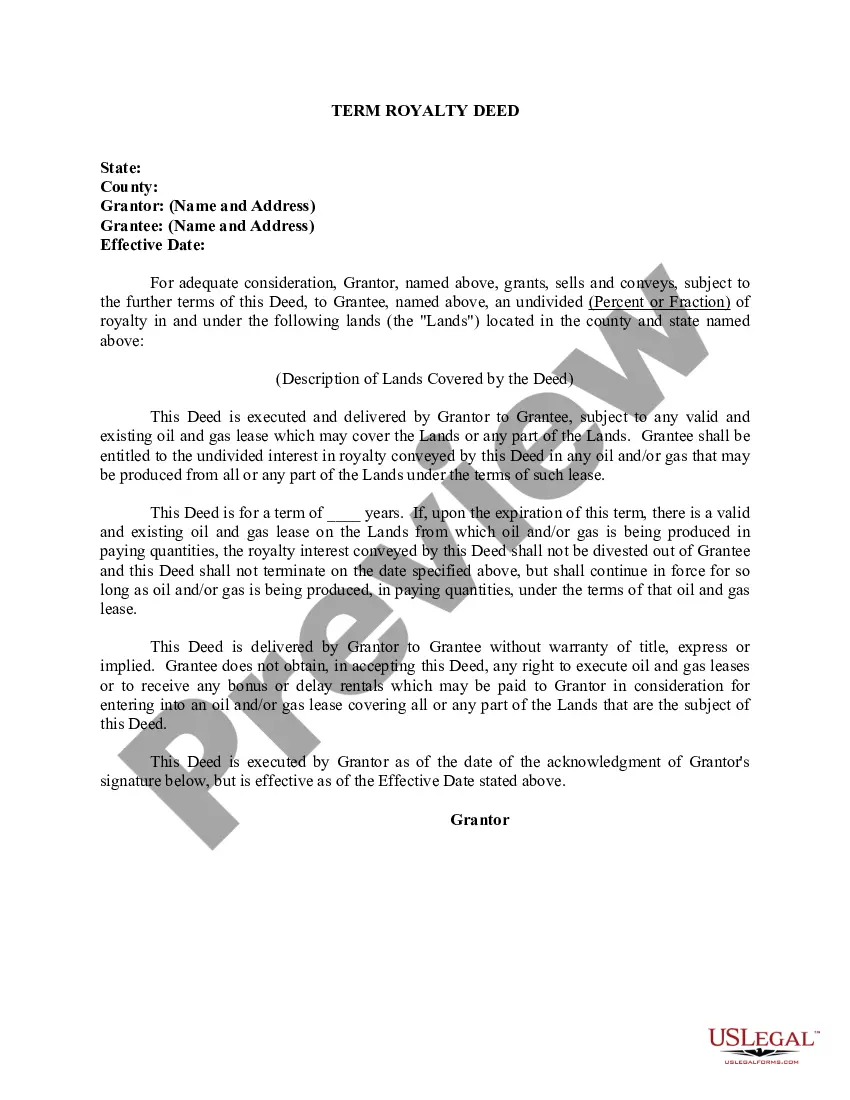
This form conveys a royalty interest for a specified term of years. If there is production at the end of that term, or the lands are subject to an oil and gas lease, the interest will continue to be owned by the grantee until production ceases.
Not quite! A Royalty Deed specifically deals with mineral rights, while a regular property deed covers ownership of the land itself. It's like apples and oranges—they’re both great, just different!
If you file it improperly, you might run into legal trouble down the road, and your rights could be challenged. It’s like trying to build a house on a shaky foundation—better to get it right the first time!
Absolutely! A Royalty Deed can be sold or transferred, much like a piece of art. If someone’s interested in those mineral rights, you might end up with a tidy profit!
You should specify the mineral rights being transferred, the names of the parties involved, and a description of the property. Think of it like drawing up a treasure map with all the key points!
While it's not a must, having a lawyer can really help to navigate through the legal waters and ensure everything is above board. It's better to be safe than sorry!
Royalty Deeds are usually used by landowners, investors, or companies who want to buy or sell mineral rights while keeping the land title separate. It's kind of like owning the treasure but not the map!
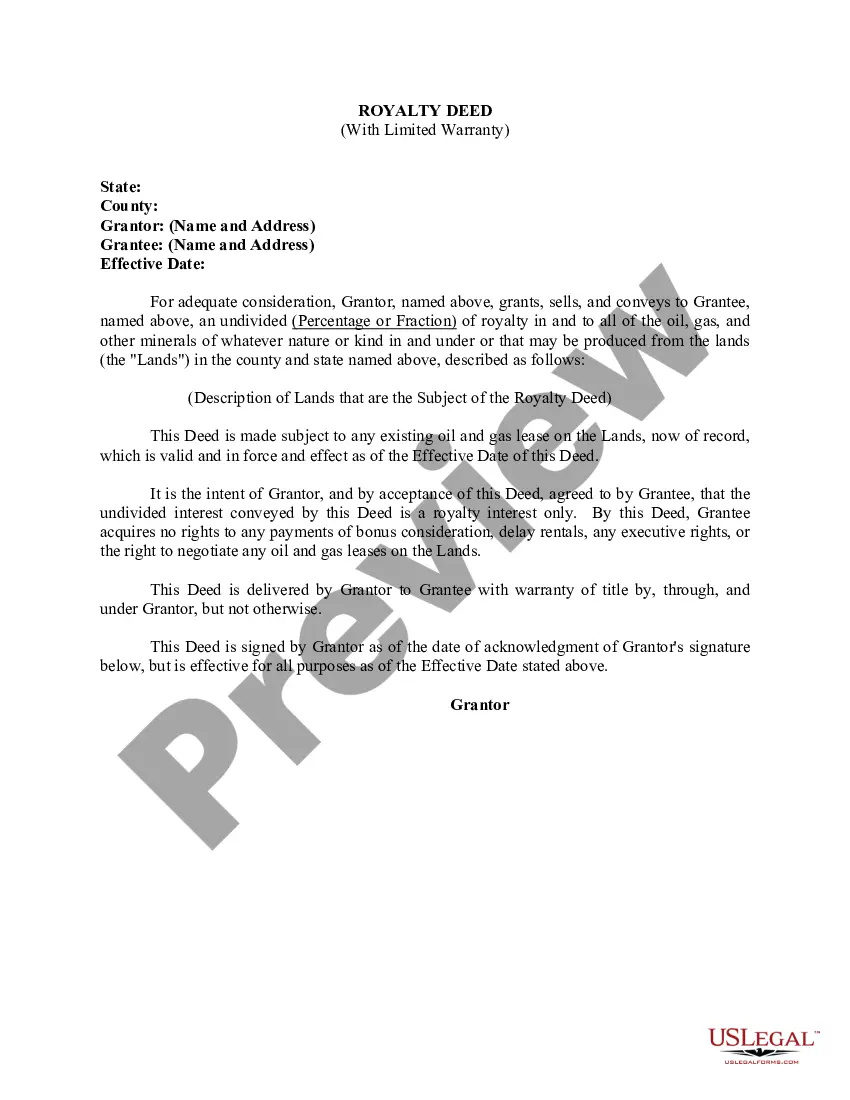
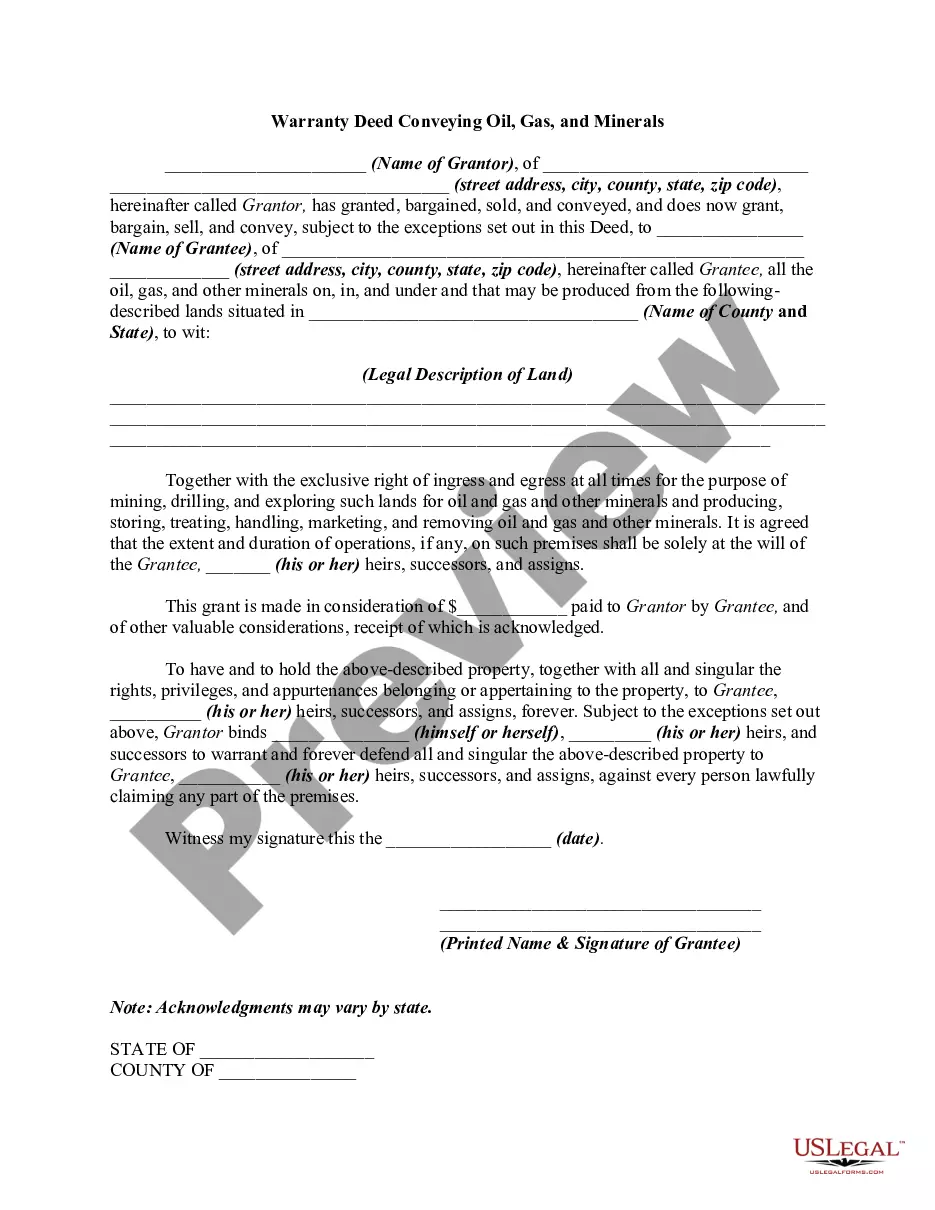
A Royalty Deed is a legal document used to transfer ownership of mineral rights or royalties in Tucson. It essentially lets you own the rights to any minerals found beneath a piece of land.