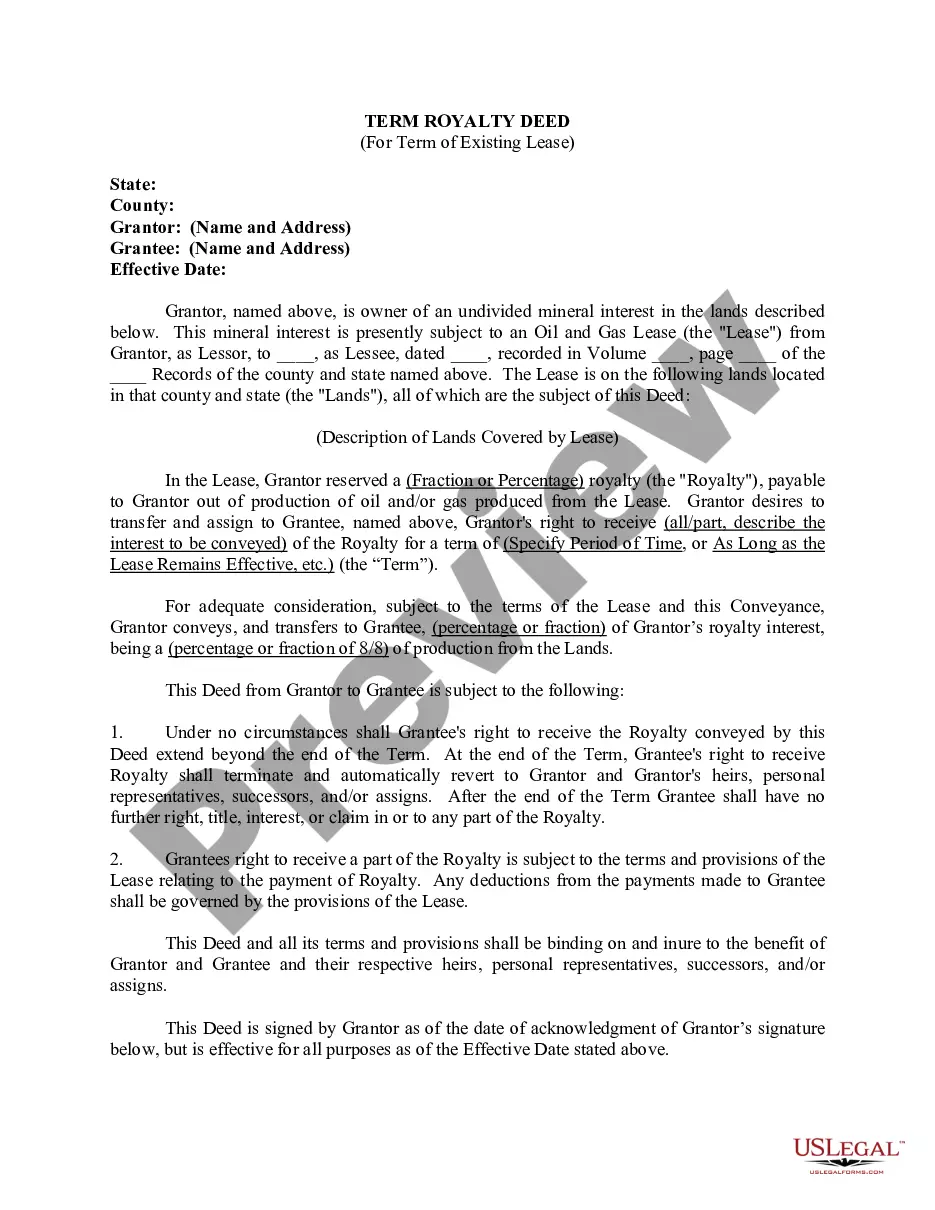
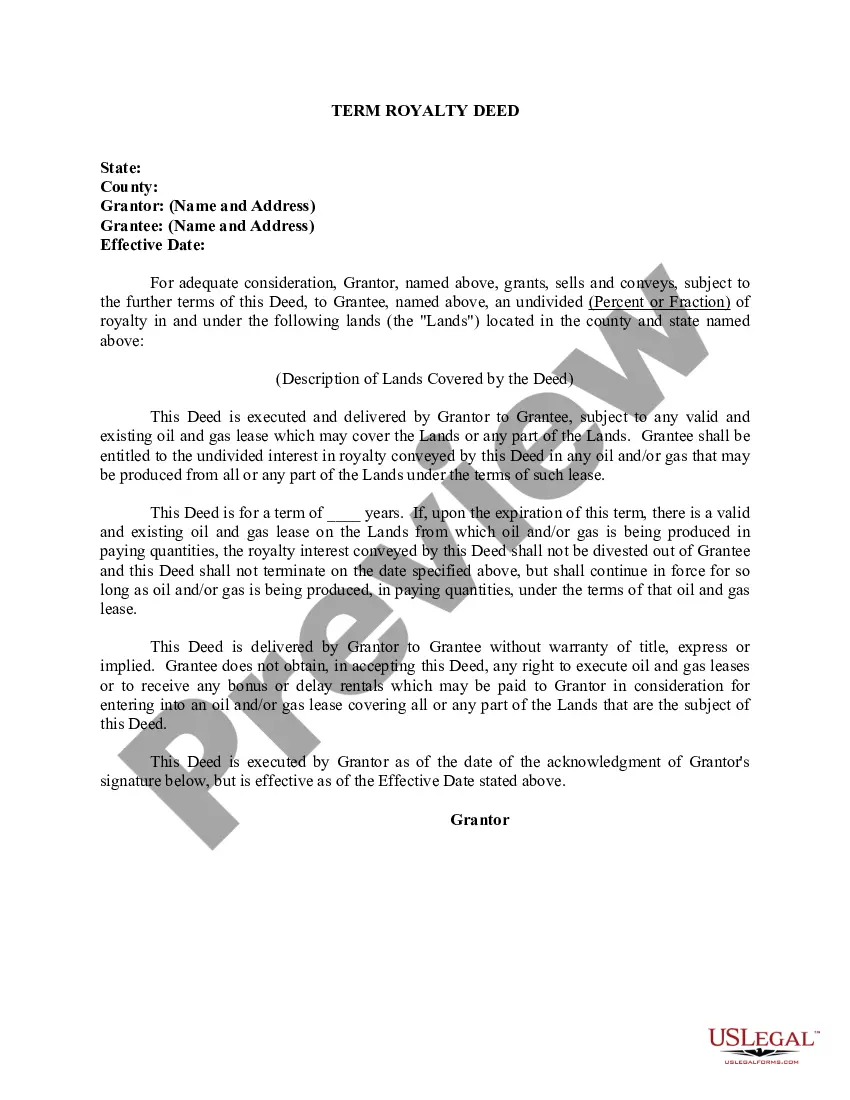
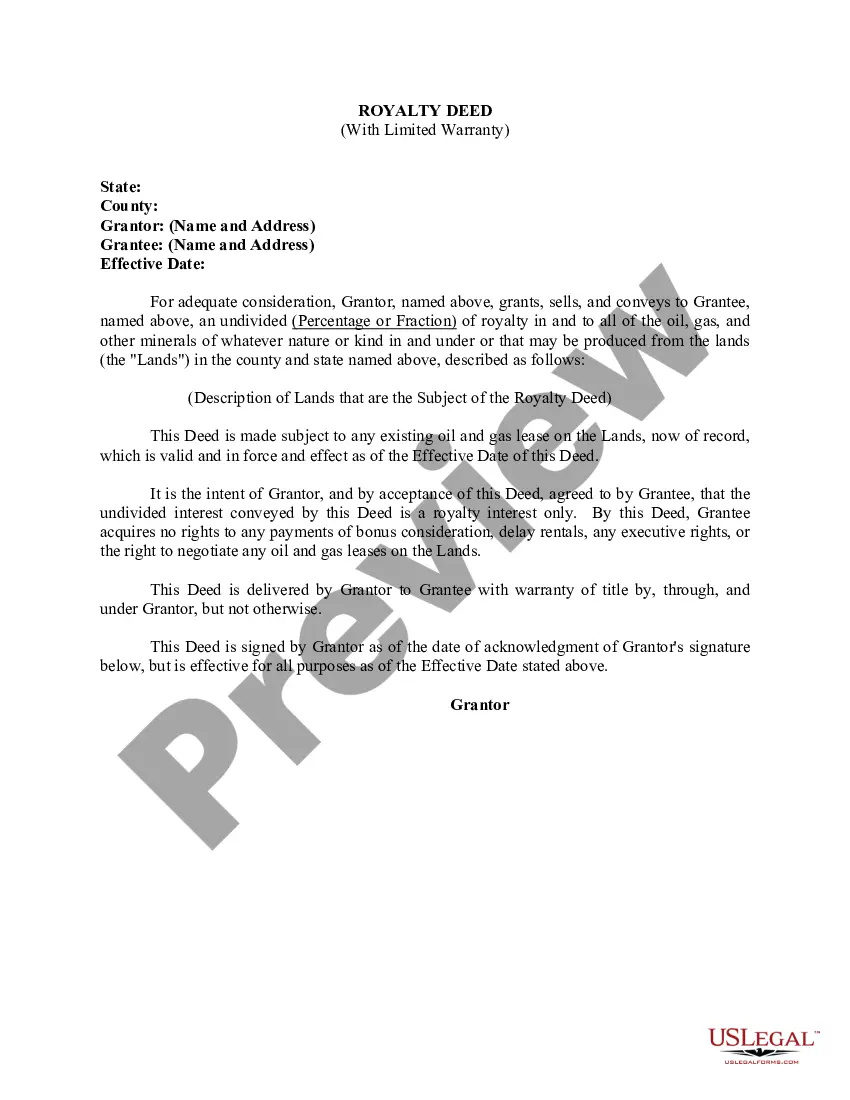
This form conveys a royalty interest for a specified term of years. If there is production at the end of that term, or the lands are subject to an oil and gas lease, the interest will continue to be owned by the grantee until production ceases.
Before signing, it’s wise to consult with a legal expert to understand all the ins and outs. It's better to be safe than sorry, so you’re fully aware of what you’re getting into!
You can check with a real estate attorney or title company to help you determine if your property has mineral rights available for a Royalty Deed. It’s like detective work, making sure you have all the clues before diving in!
Typically, the holder of a Royalty Deed does not have responsibilities for land maintenance or taxes. They just enjoy the benefits of the resources, much like a tenant enjoying a cozy apartment without worrying about fixing the roof!
Yes, Royalty Deeds can usually be transferred or sold by the person who holds the rights. It's like passing a baton in a relay race—just make sure it’s done correctly!
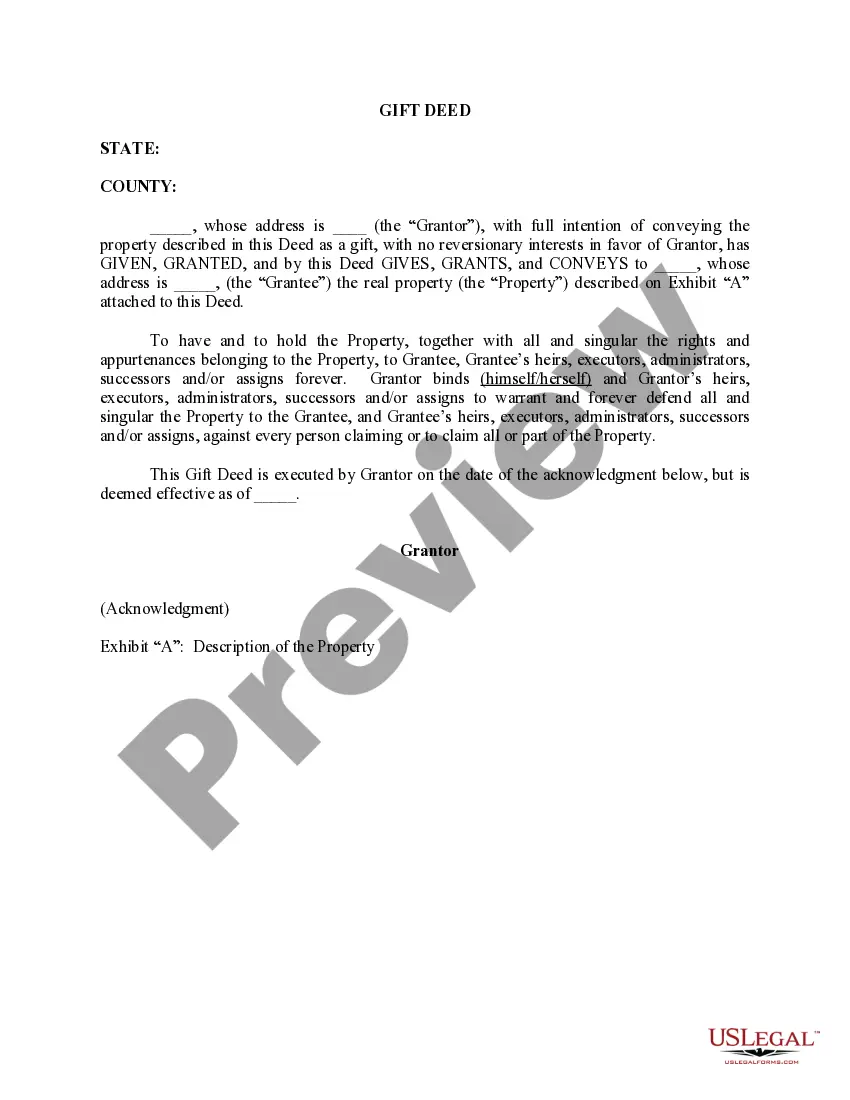
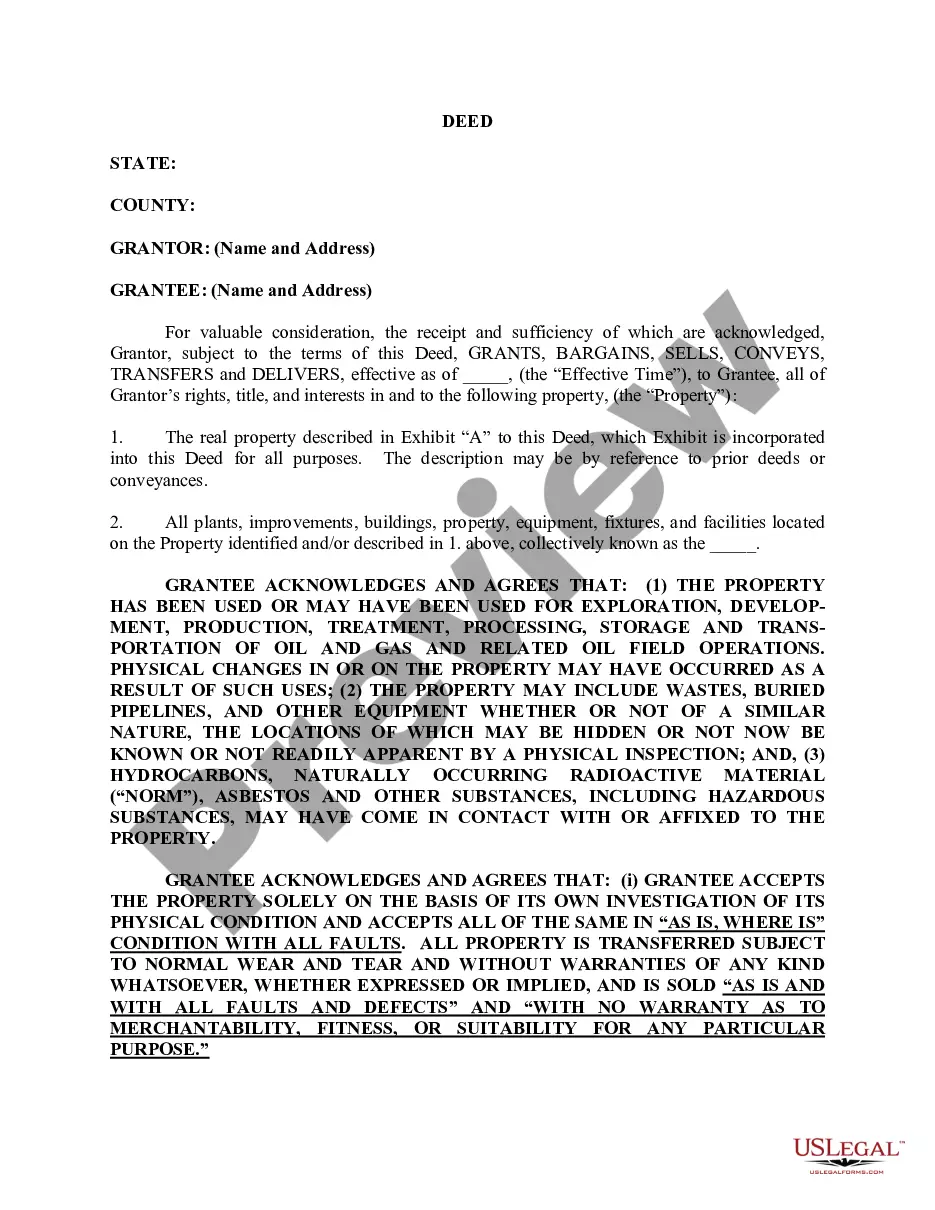
While a regular deed transfers ownership of property, a Royalty Deed specifically conveys rights to natural resources. It’s more like giving someone a slice of the pie rather than the whole pie itself!
They are often used by landowners who want to give someone the right to extract and sell minerals without giving up ownership of the land itself. It’s like letting someone borrow a book without giving them your whole library!