It does happen, but it’s not always the case. Some wrongful death cases go all the way to trial, while others may get resolved earlier, especially if the facts are pretty straightforward. It’s a mixed bag, really!
If your case gets dismissed at that stage, it can feel like a door slamming in your face. However, depending on the circumstances, you might have the chance to appeal or present it in a different way. It’s best to consult with a lawyer on your next steps.
To oppose a motion for summary judgment, you'll need solid evidence that contradicts the claims made. Think of it as gathering your best arsenal of facts to show the court, 'Hold on, I've got proof that backs my side.'
Yes, absolutely. If the court finds that there's no genuine issue of material fact supporting your claims, they might dismiss your case. It’s like being told, 'Sorry, but you’re out of luck on this one.'
To have a valid cause of action, you usually need to show that someone was negligent or acted unlawfully, leading to the death. It's like saying, 'There’s a clear trail from their actions to the tragic outcome,' and that needs to be backed up with evidence.
Heirship is all about who gets what when someone passes away. In Seattle, if the heirs aren't properly identified, it can throw a wrench in the works of a wrongful death case. It's crucial to have the right folks stepping up to claim their part.
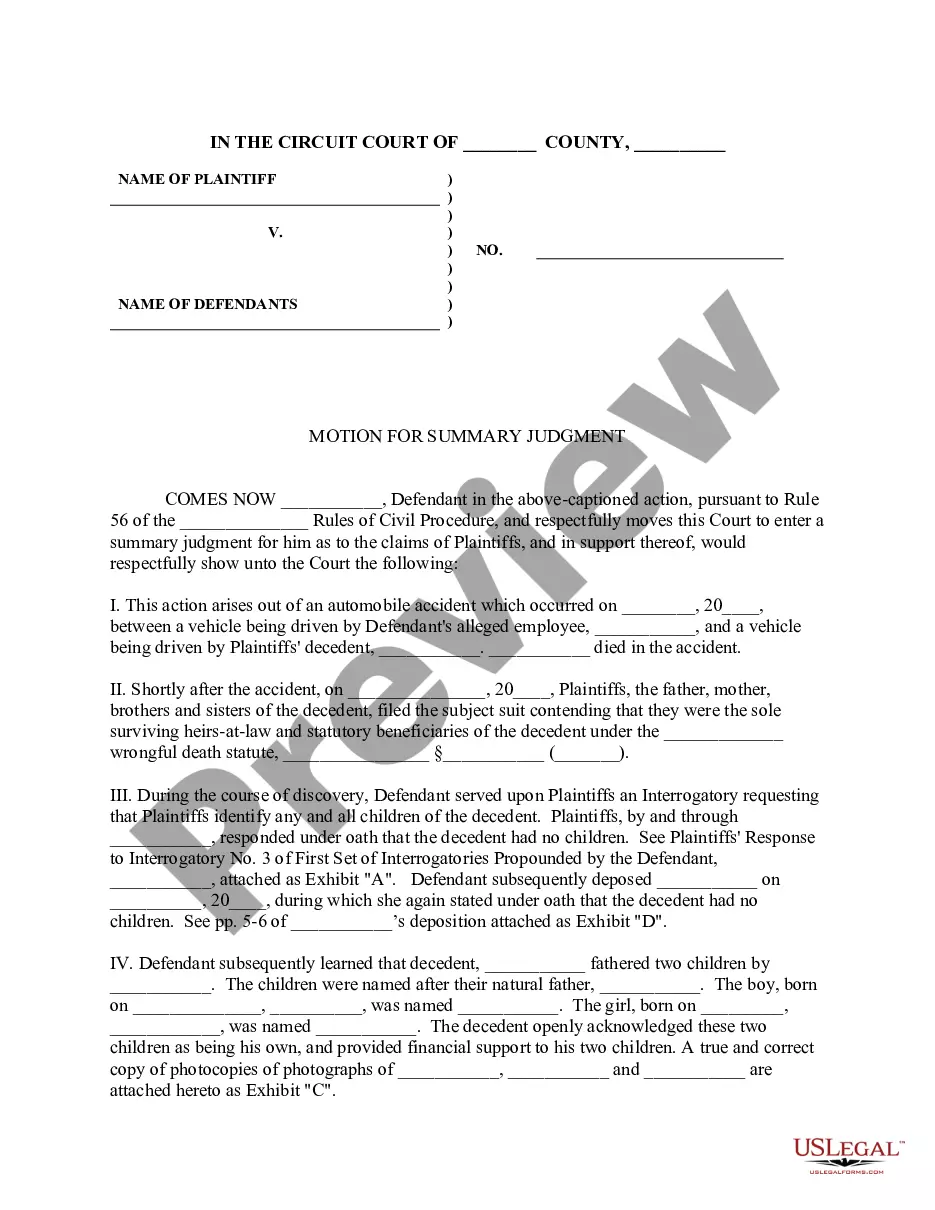
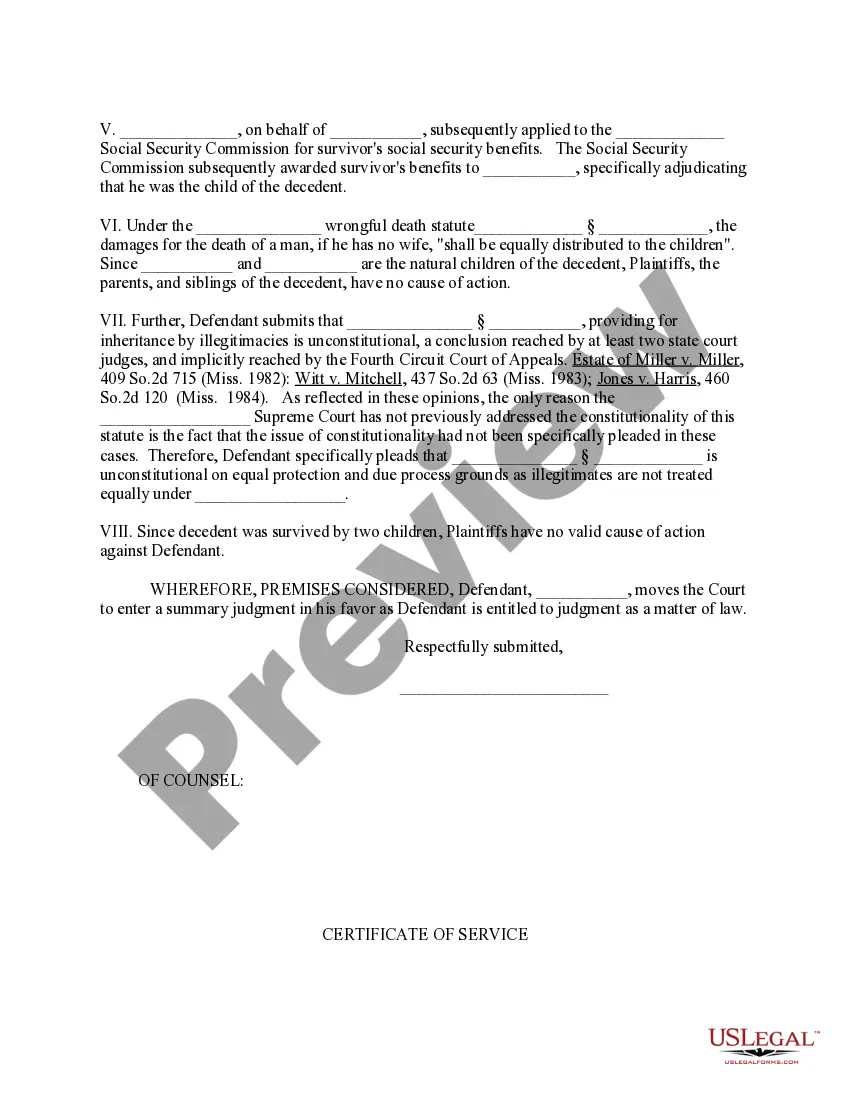
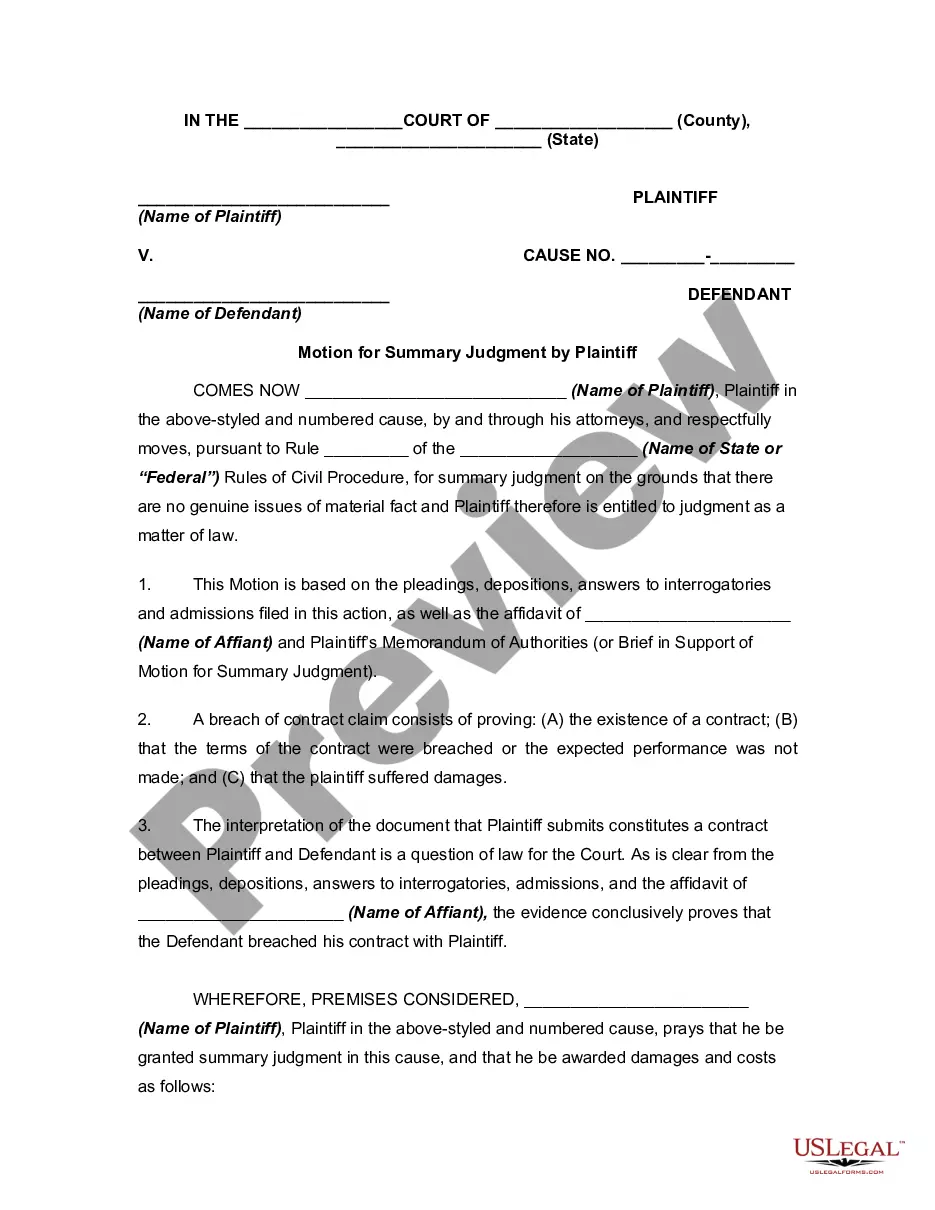
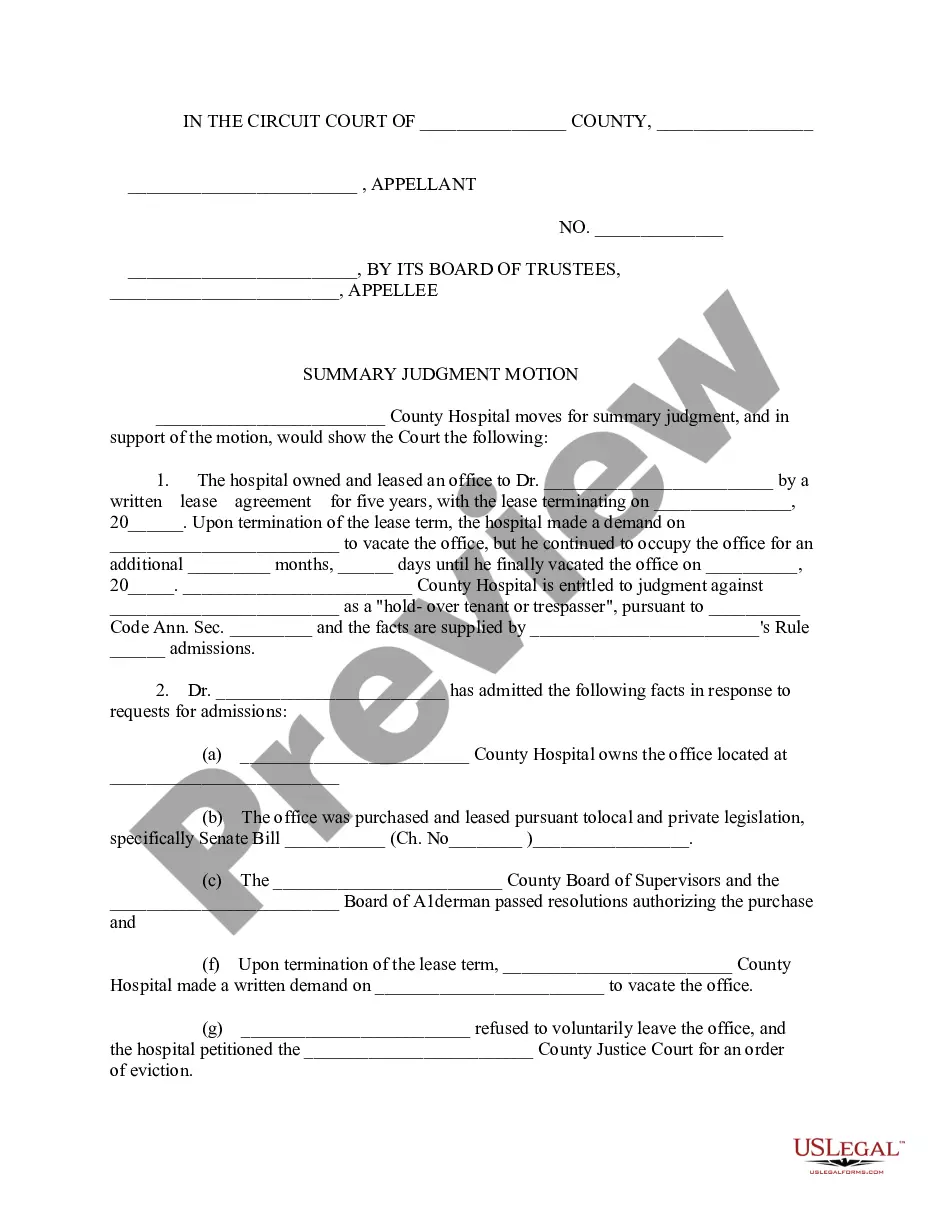
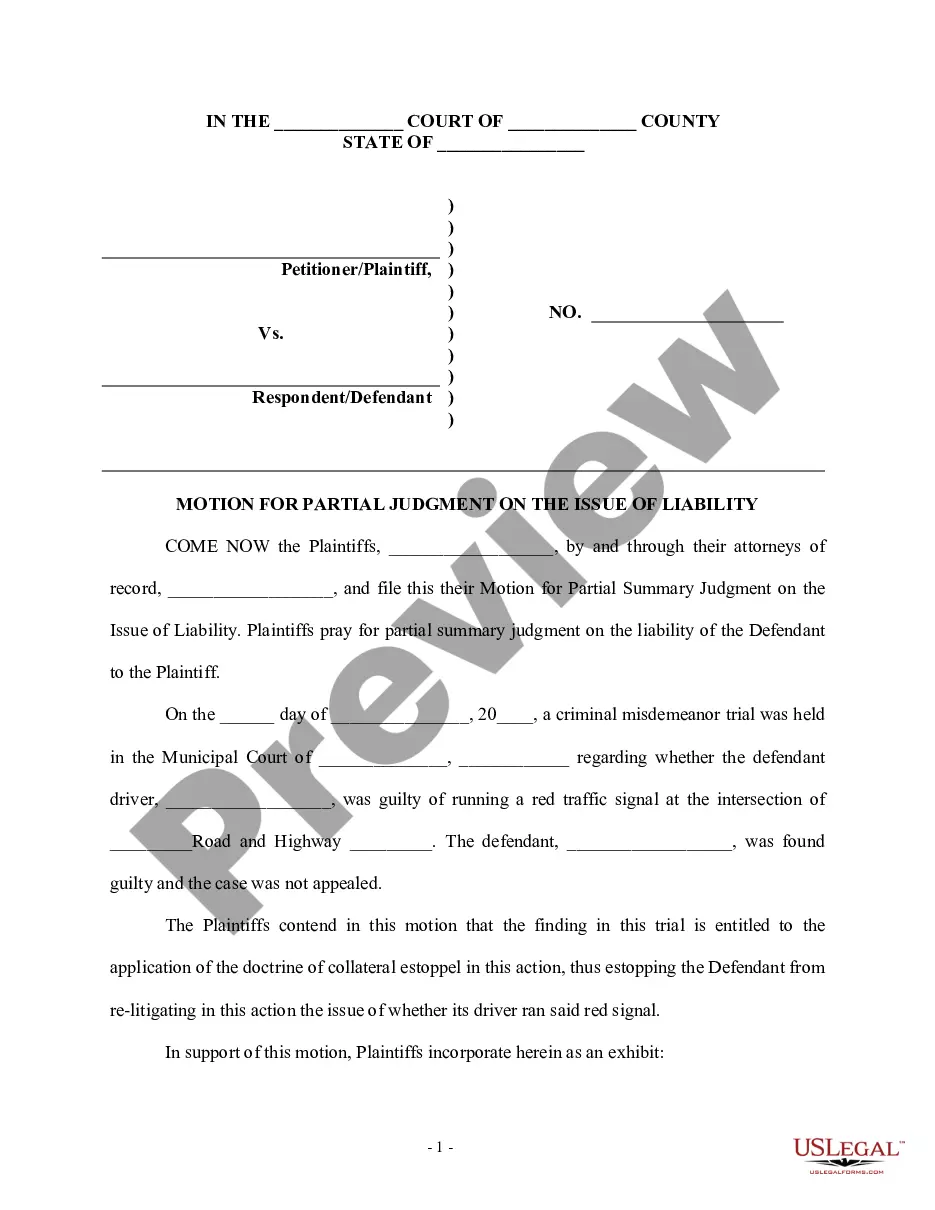
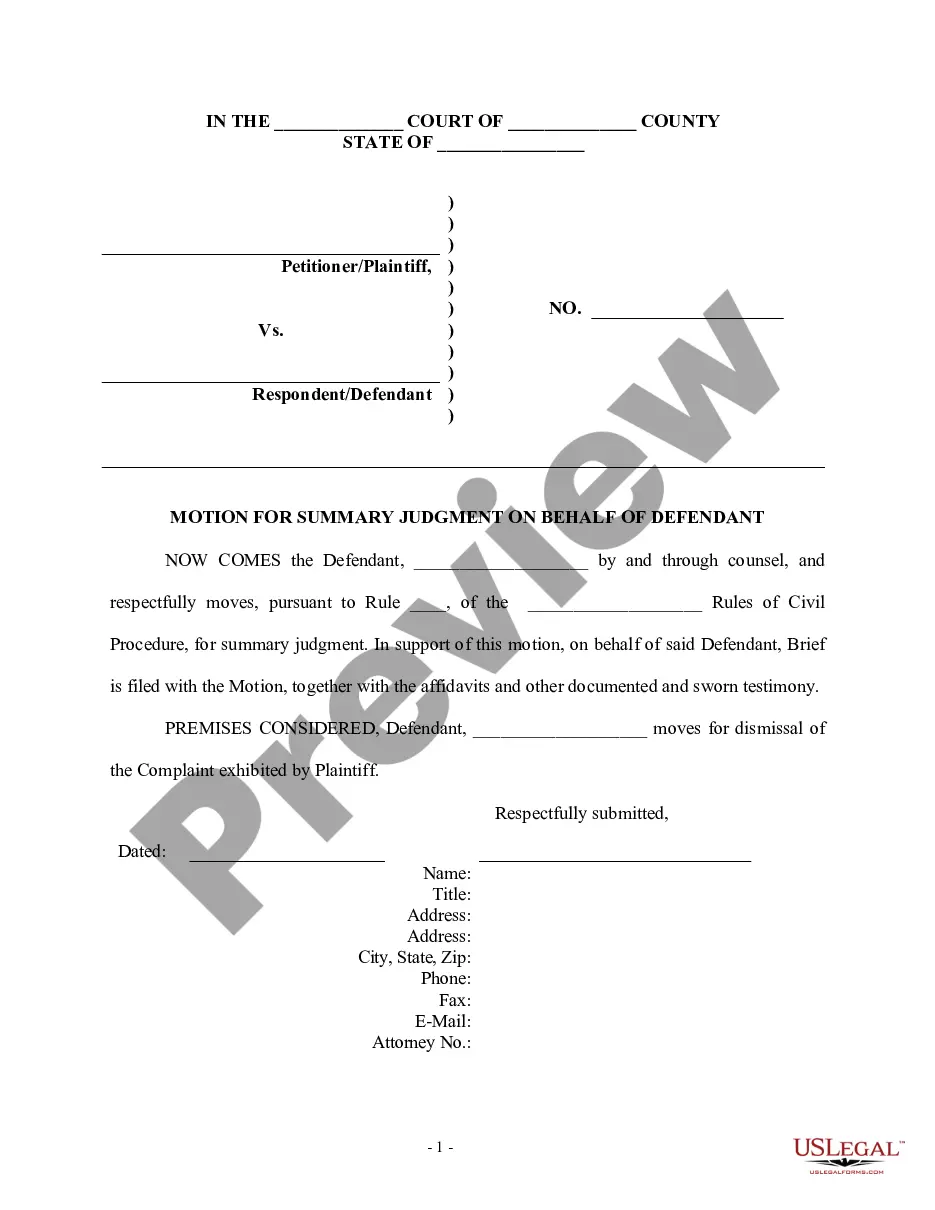
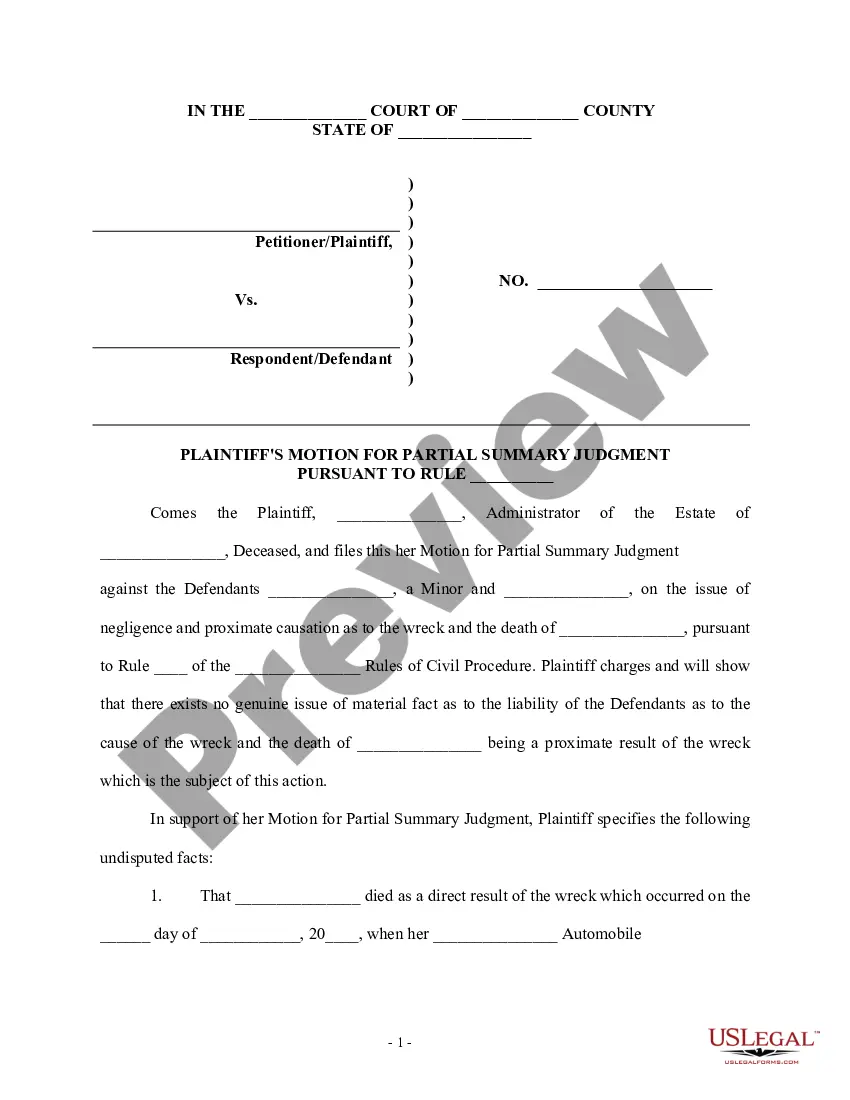
A motion for summary judgment is a request to the court to rule in favor of one party because there are no disputed facts. In a wrongful death case, it's like saying, 'Hey Judge, there's no need for a trial because the facts are clear.'