If your Motion for Protective Order is turned down, the court may still require you to provide the information, but it often includes guidelines to protect sensitive details. It's like being told to share, but with some strings attached!
While a Motion to Quash aims to dismiss a specific request, a Motion for Protective Order generally seeks to limit how information can be shared. Think of them as different tools for the same toolbox.
Common reasons include avoiding harassment, protecting confidential information, or simply ensuring the process is fair. It's like setting up boundaries to keep things comfy.
Yes, you can object! If the deposition notice seems too broad or invasive, it's your right to push back and say, 'Hold on, that doesn't seem right.'
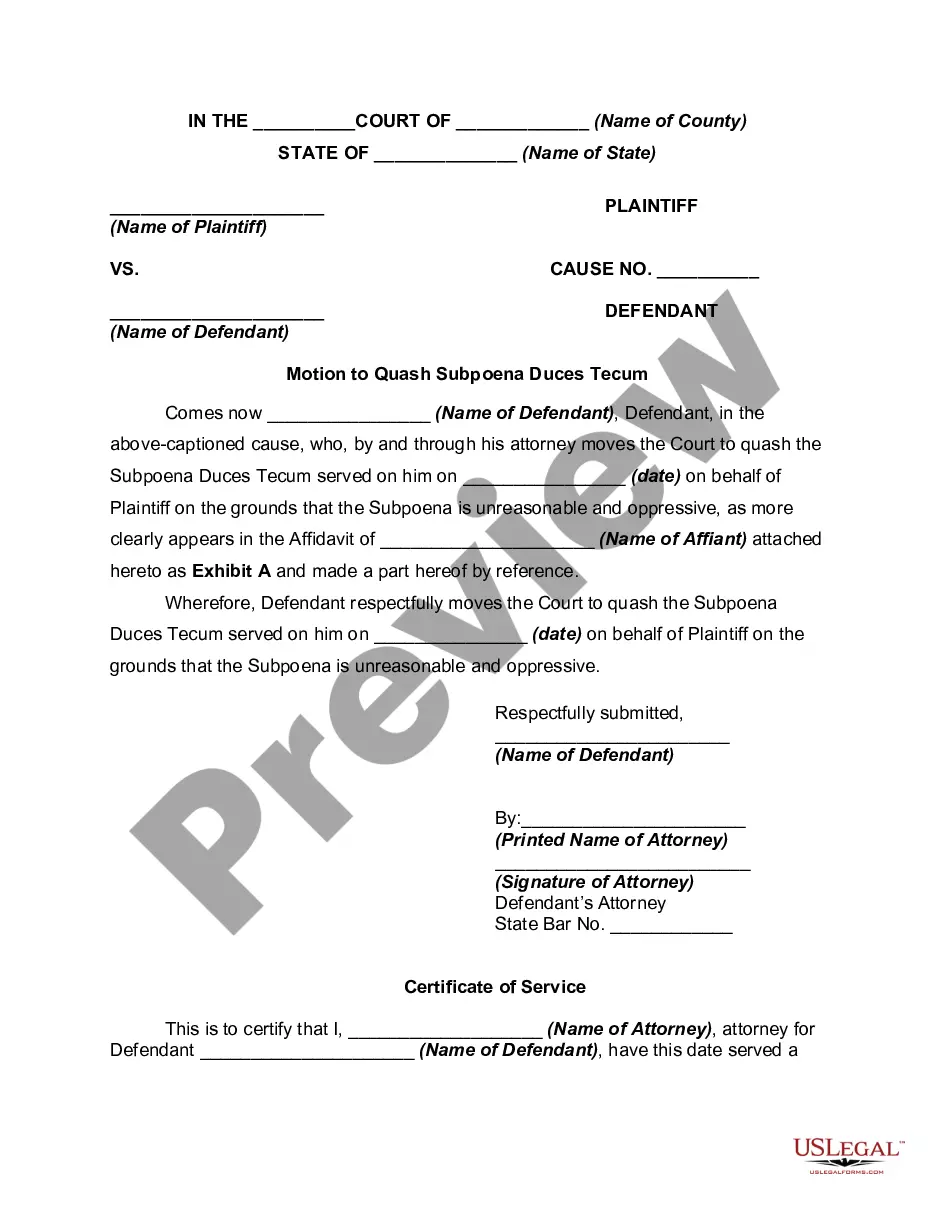
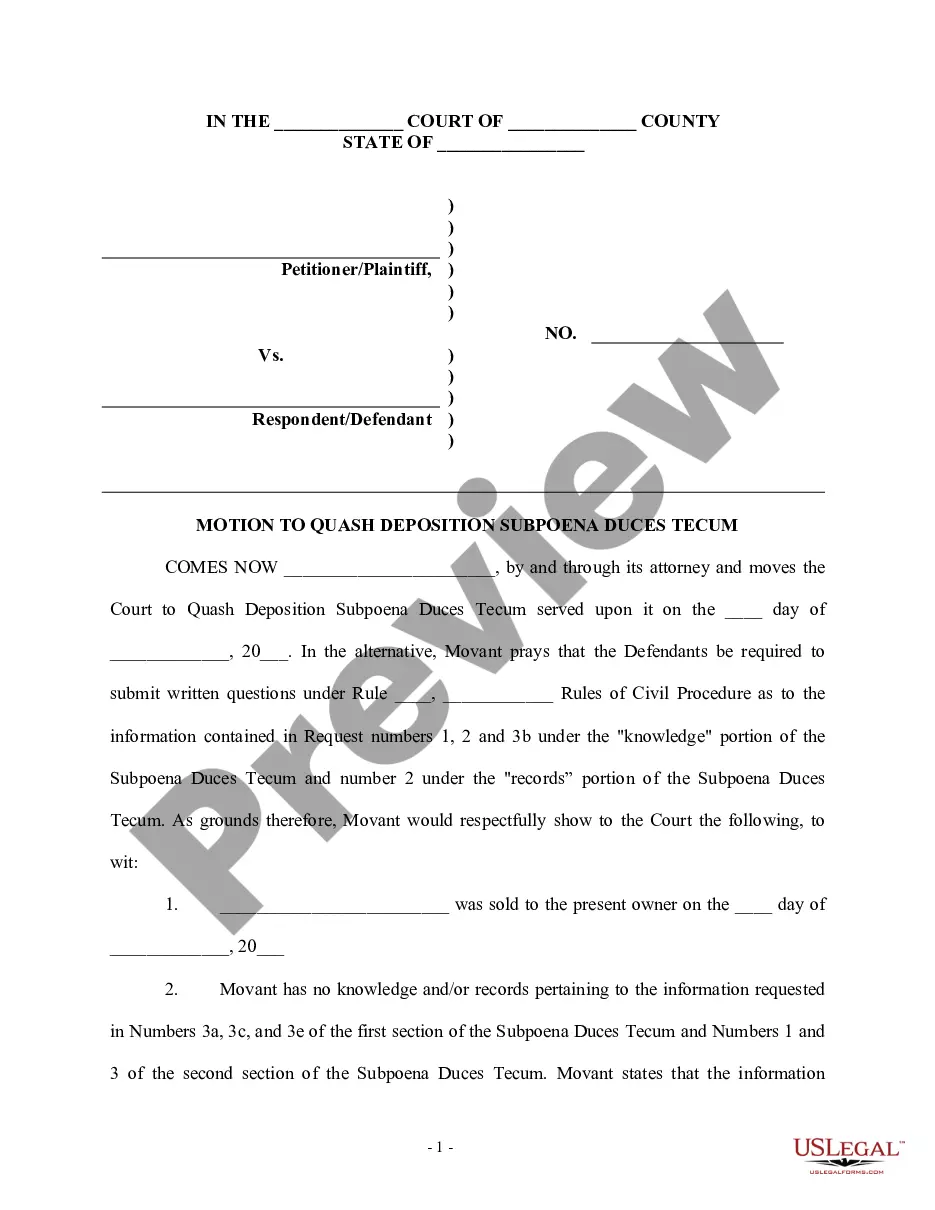
You'd typically file a Motion to Quash if you believe a subpoena to appear in court or produce documents is unfair or unreasonable. Think of it as saying, 'Not so fast!' to something you feel is over the line.
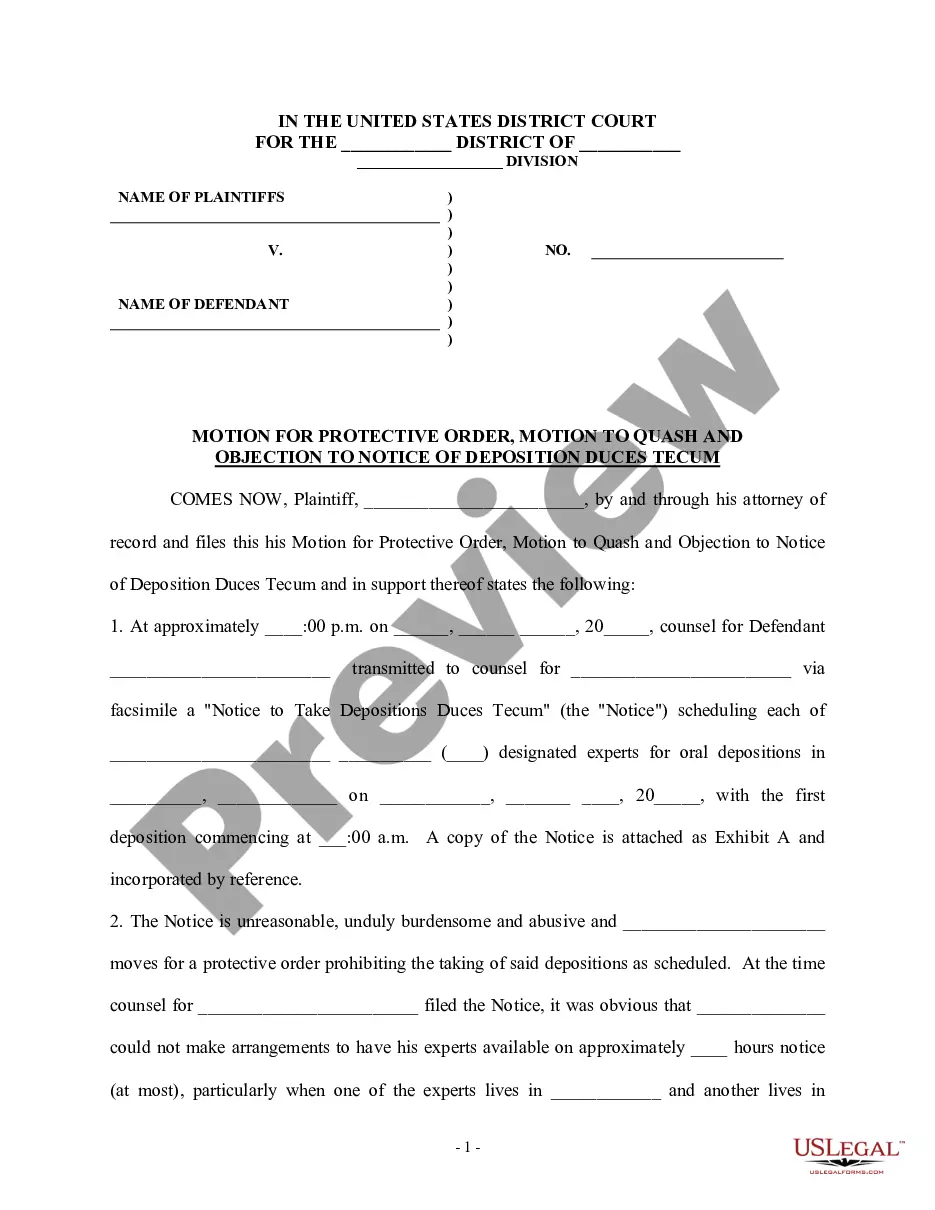
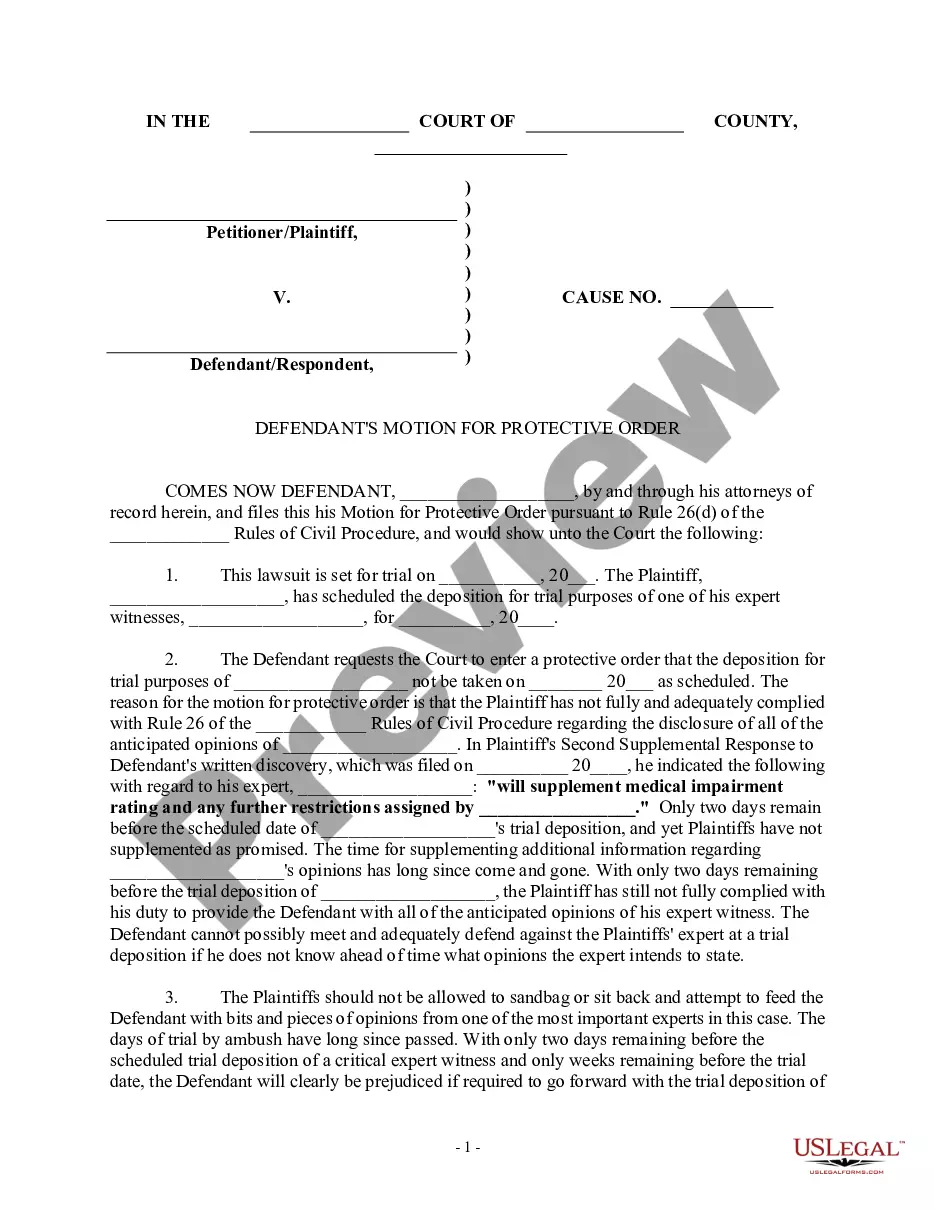
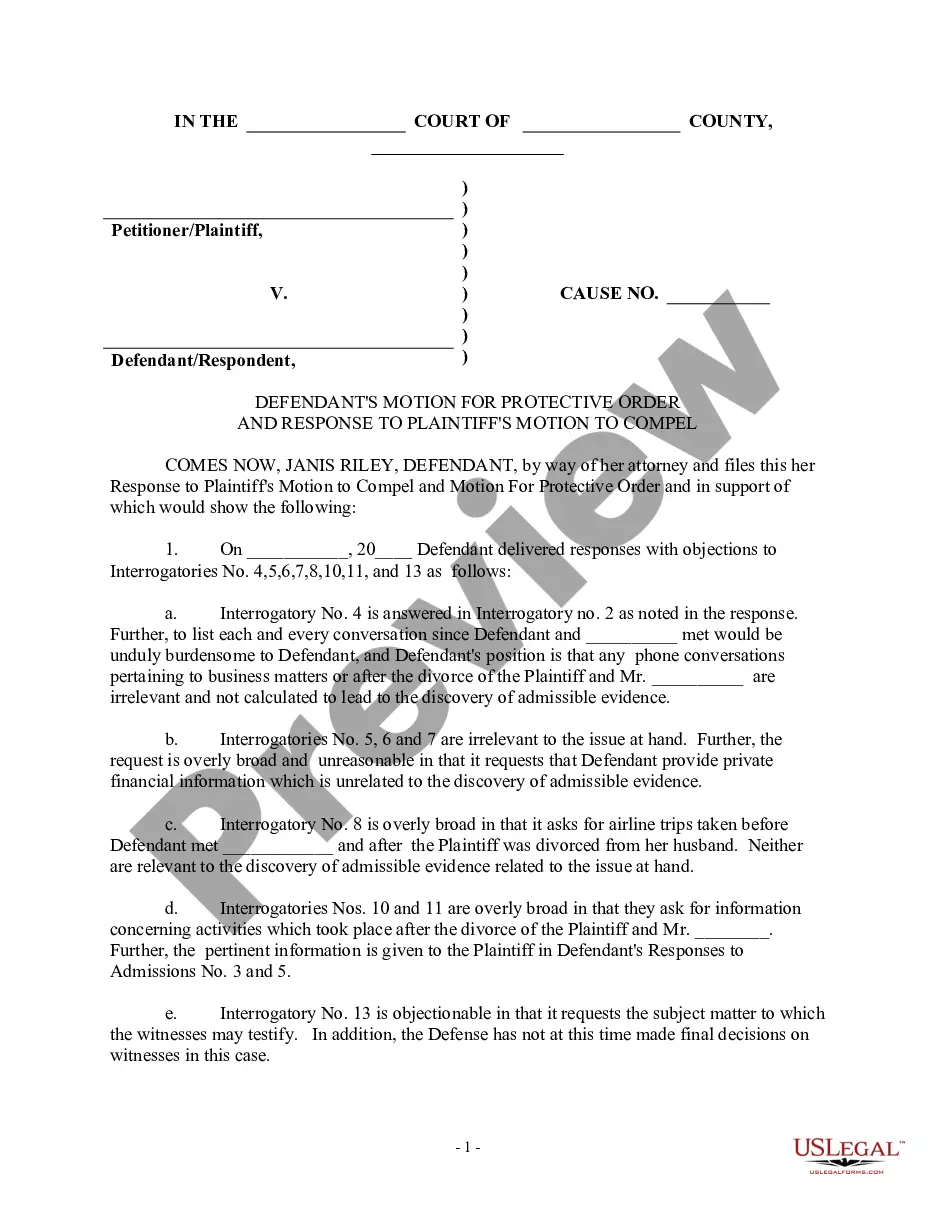
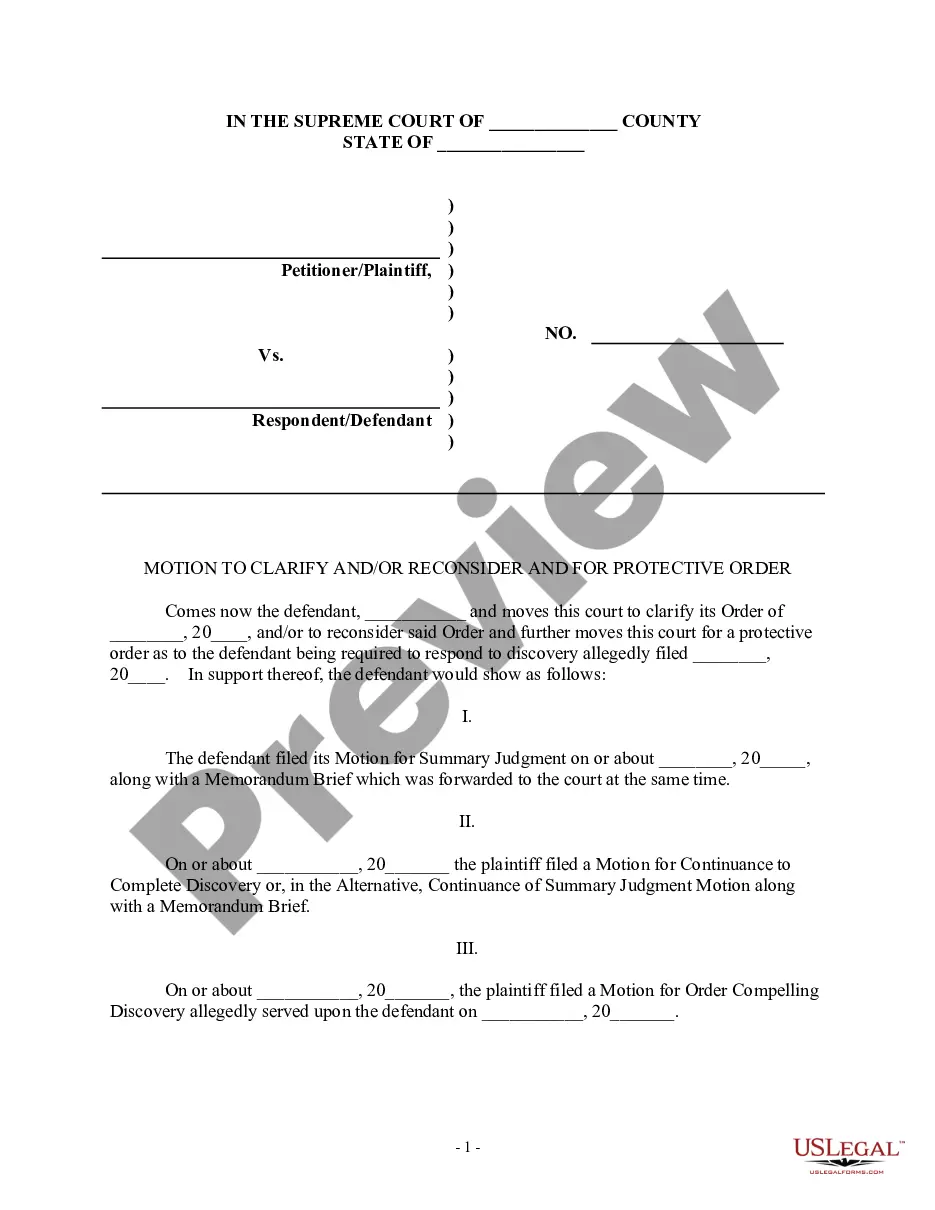
A Motion for Protective Order is like asking the court to put a shield around certain information during legal proceedings. It's used to protect sensitive data from being disclosed.
Trusted and secure by over 3 million people of the world’s leading companies
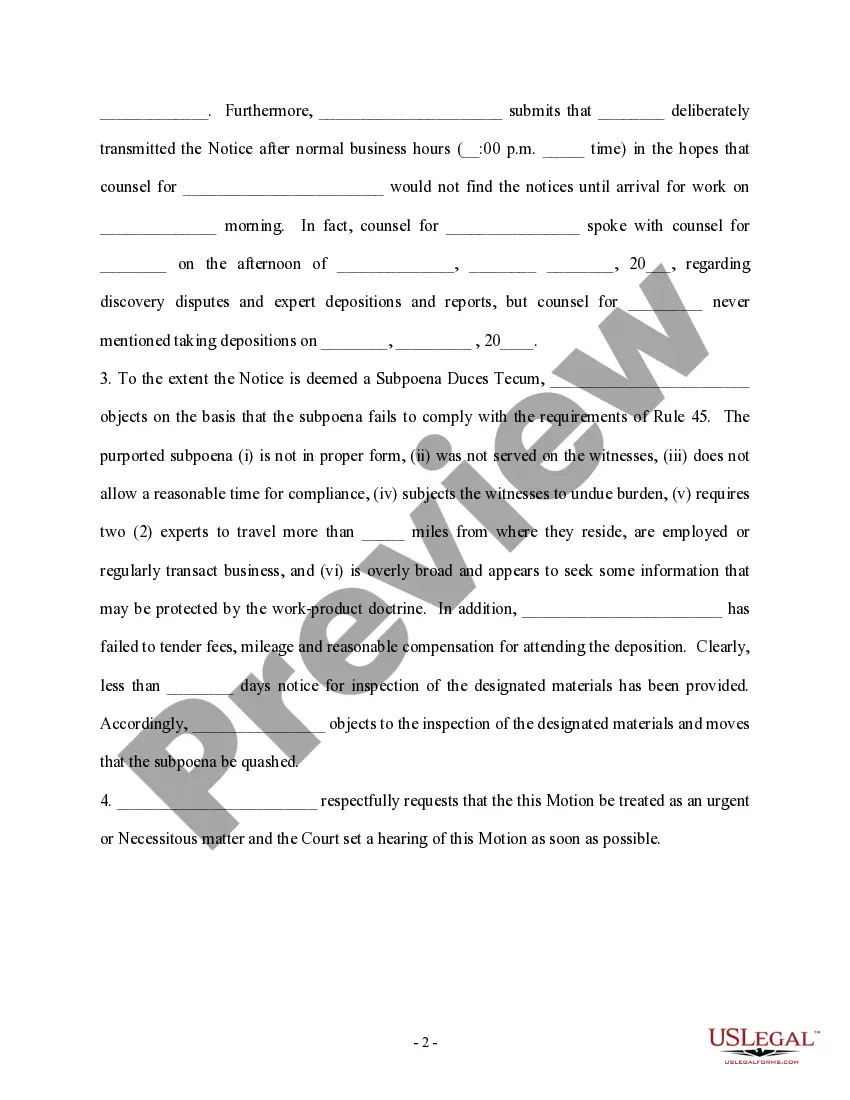
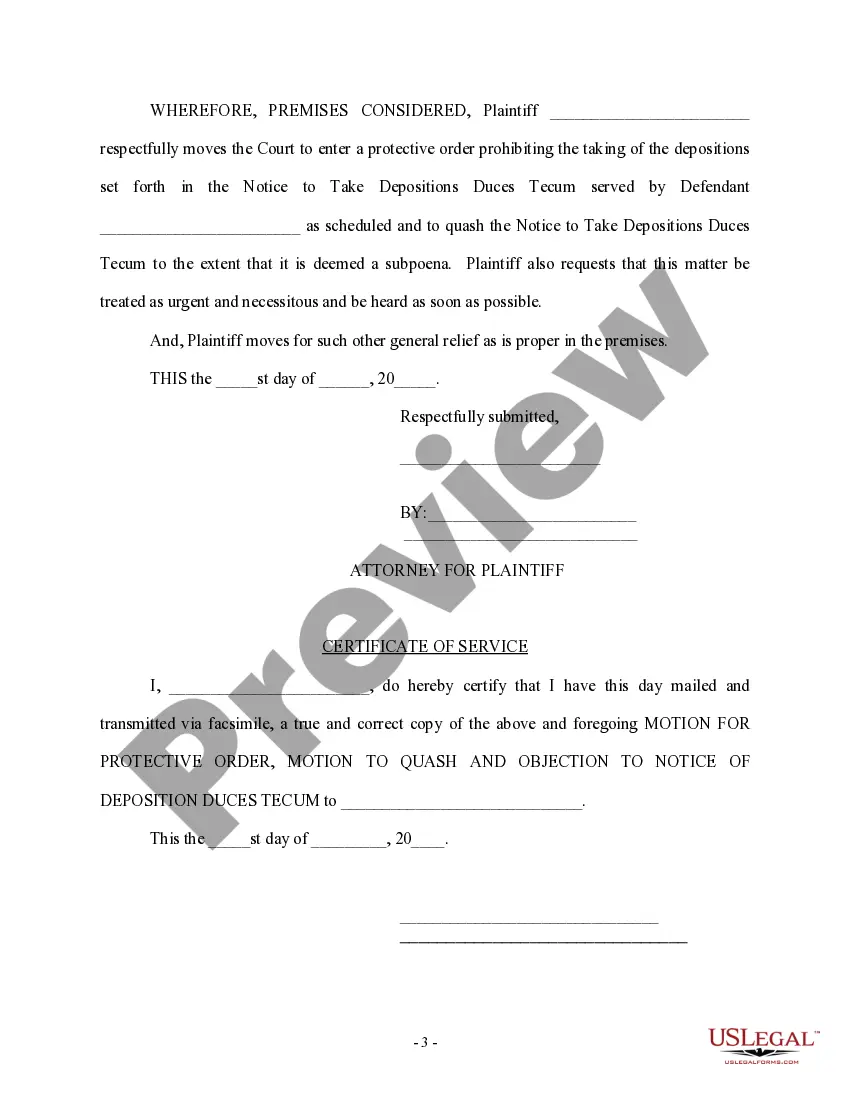
Austin Texas Motion for Protective Order, Motion to Quash And Objection to Notice of Deposition Duces Tecum