Contra Costa California Tree Protection Law
Description
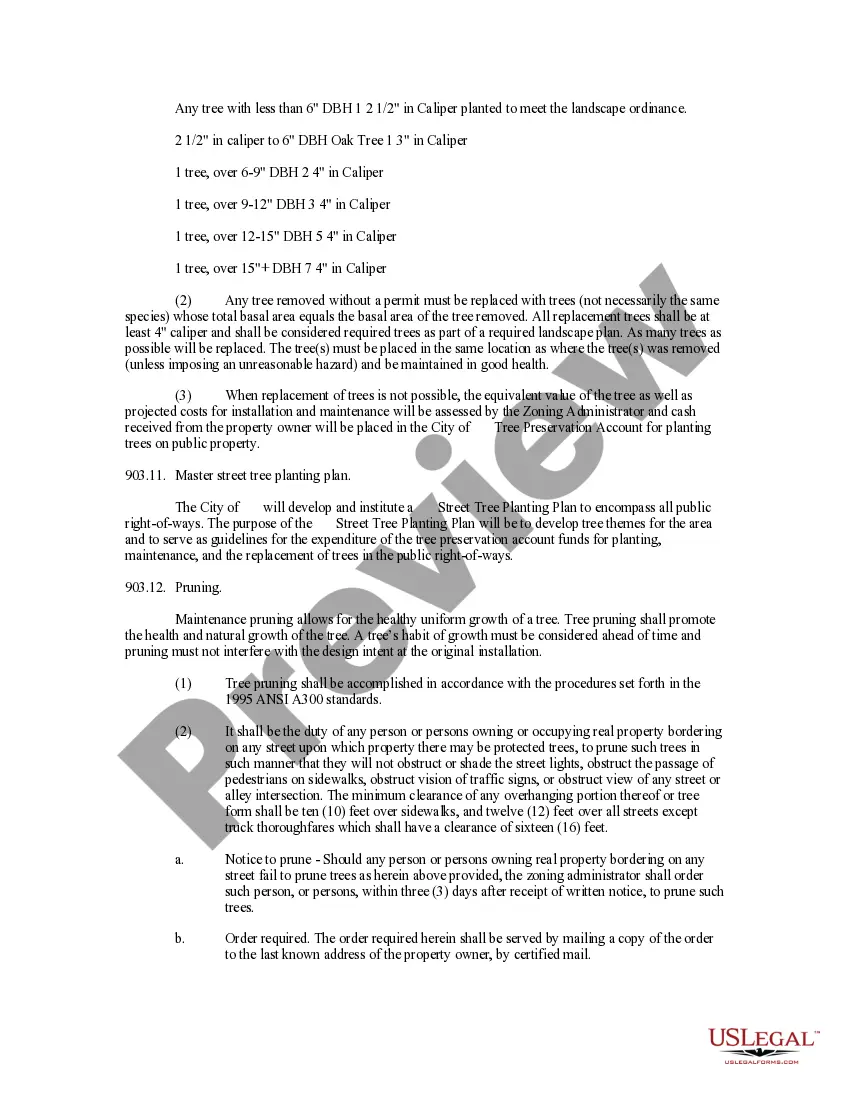
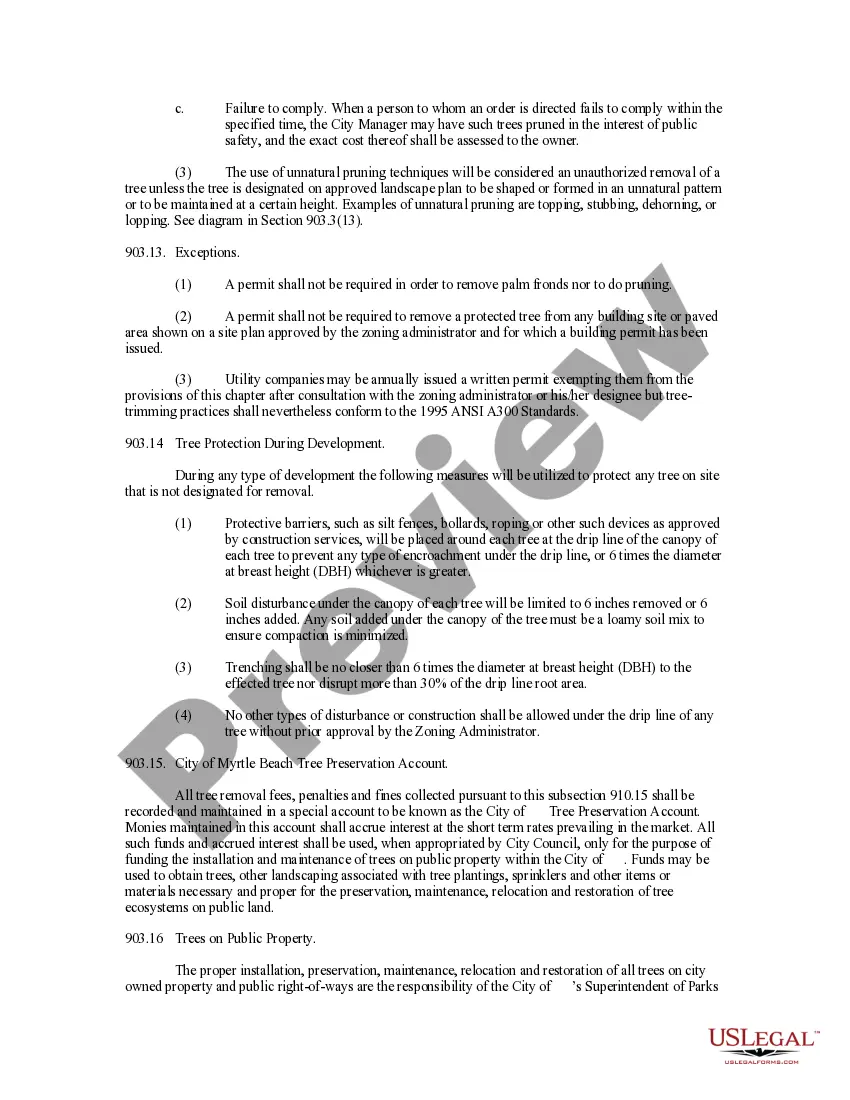

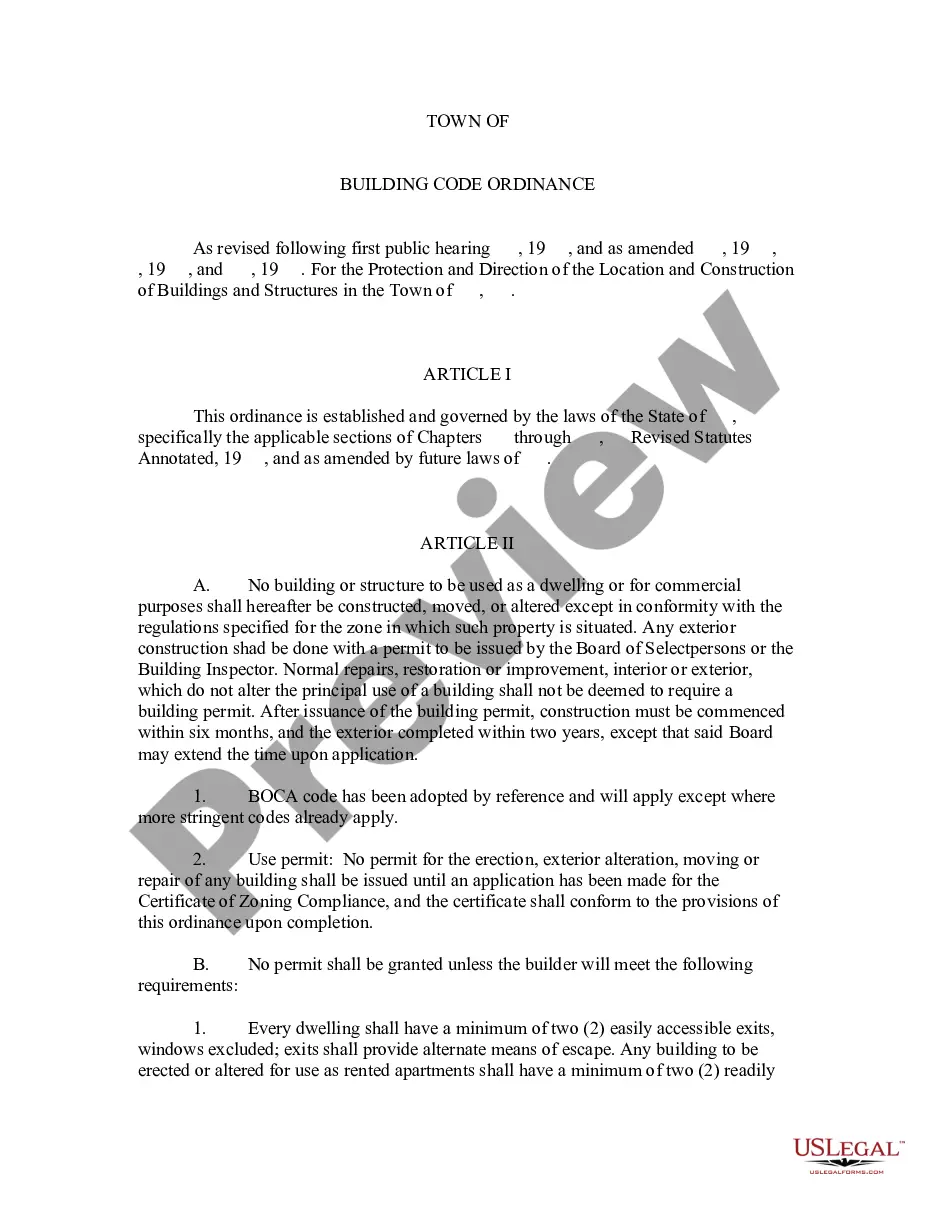
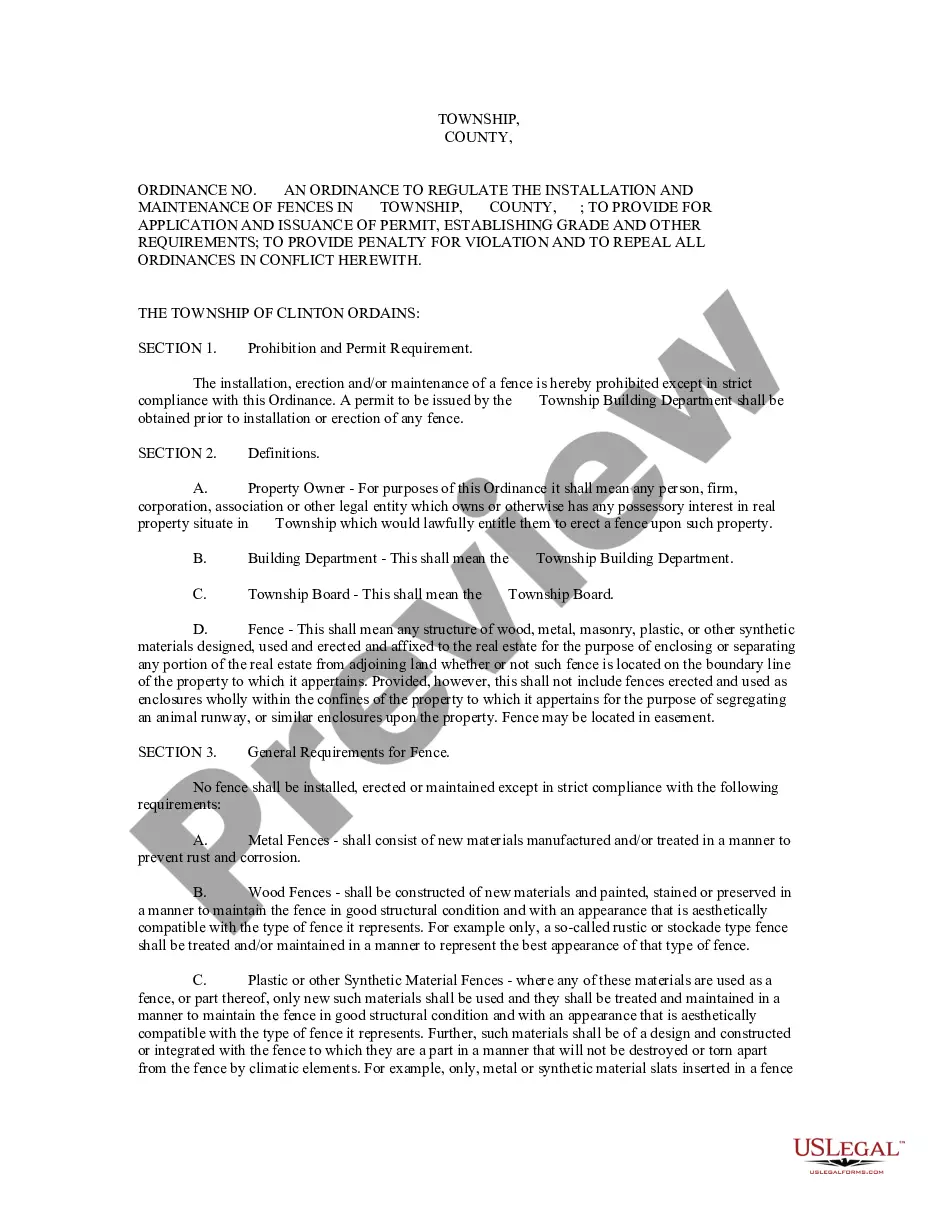
Get your form ready online
Our built-in tools help you complete, sign, share, and store your documents in one place.
Make edits, fill in missing information, and update formatting in US Legal Forms—just like you would in MS Word.
Download a copy, print it, send it by email, or mail it via USPS—whatever works best for your next step.
Sign and collect signatures with our SignNow integration. Send to multiple recipients, set reminders, and more. Go Premium to unlock E-Sign.
If this form requires notarization, complete it online through a secure video call—no need to meet a notary in person or wait for an appointment.
We protect your documents and personal data by following strict security and privacy standards.

Make edits, fill in missing information, and update formatting in US Legal Forms—just like you would in MS Word.

Download a copy, print it, send it by email, or mail it via USPS—whatever works best for your next step.

Sign and collect signatures with our SignNow integration. Send to multiple recipients, set reminders, and more. Go Premium to unlock E-Sign.

If this form requires notarization, complete it online through a secure video call—no need to meet a notary in person or wait for an appointment.

We protect your documents and personal data by following strict security and privacy standards.
Looking for another form?
How to fill out Tree Protection Law?
Creating documents for business or personal requirements is always a significant obligation.
When formulating a contract, a public service application, or a power of attorney, it's crucial to take into account all federal and state regulations of the specific area.
Nonetheless, smaller counties and even municipalities also have legislative processes that you need to factor in.
You can conveniently access all the documents you've ever purchased in your profile under the My documents section at any time.
- All these elements contribute to the pressure and lengthy process of drafting the Contra Costa Tree Protection Law without expert help.
- It is feasible to prevent unnecessary expenses on lawyers drafting your documents and formulate a legally binding Contra Costa Tree Protection Law independently, utilizing the US Legal Forms online library.
- This is the most comprehensive digital catalog of state-specific legal templates that are professionally confirmed, ensuring their legitimacy when selecting a specimen for your county.
- Users who have subscribed before only need to Log In to their accounts to retrieve the necessary document.
- If you do not yet have a subscription, follow the outlined steps below to acquire the Contra Costa Tree Protection Law.
- Browse through the opened page and verify if it contains the sample you require.
- To assist in this, use the form description and preview if those choices are available.
Form popularity
FAQ
(a) Five categories of Trees are protected as specified below: (1) Native Trees. All Gowen cypress, regardless of size; all Coast live oak, Monterey cypress, Shore pine, Torrey pine, and Monterey pine six inches or greater in trunk diameter, measured at 54 inches above native grade.
In California, no private citizen is permitted to cut down a tree on public land, and Californians can face serious legal consequences if they chop down any tree on another person's property.
You may not cut down the tree. You need permission to enter the tree owner's property. You cannot injure the tree when trimming. Trimming may only occur up to the boundary line between properties.
NSW property owners must obtain a permit from their local council before they remove or lope a tree on their property. Only those living near or next to 10/50 vegetation clearing entitlement areas can remove trees without a permit.
The Ordinance requires that the property owner obtain a tree permit from the county before trenching, grading or filling within the dripline of any protected tree or before cutting down, destroying, trimming by topping or removal of any protected tree.
California law protects native trees, including oak trees. The state of California bans the removal of certain native trees, including oak trees.
Can you trim oak trees in California? You can trim oak tree in California, but in some cases you will need a permit. Make sure your check with your local city of county to see the local rules for tree trimming. In most cases the city will allow you to remove 10% of the trees foliage each year.
California law protects native trees, including oak trees. The state of California bans the removal of certain native trees, including oak trees. Oak trees existed in the state during ancient times, according to the city of Los Angeles, and were used by Native Americans and Spaniards living in the area.
You can trim oak tree in California, but in some cases you will need a permit. Make sure your check with your local city of county to see the local rules for tree trimming. In most cases the city will allow you to remove 10% of the trees foliage each year.
Protected Trees: (a) Oak tree including Valley Oak (Quercus lobata) and California Live Oak (Quercus agrifolia), or any other tree of the oak genus indigenous to California but excluding the Scrub Oak (Quercus berberidifolia). (b) Southern California Black Walnut (Juglans californica).