Chicago Illinois Tree Protection Law
Description
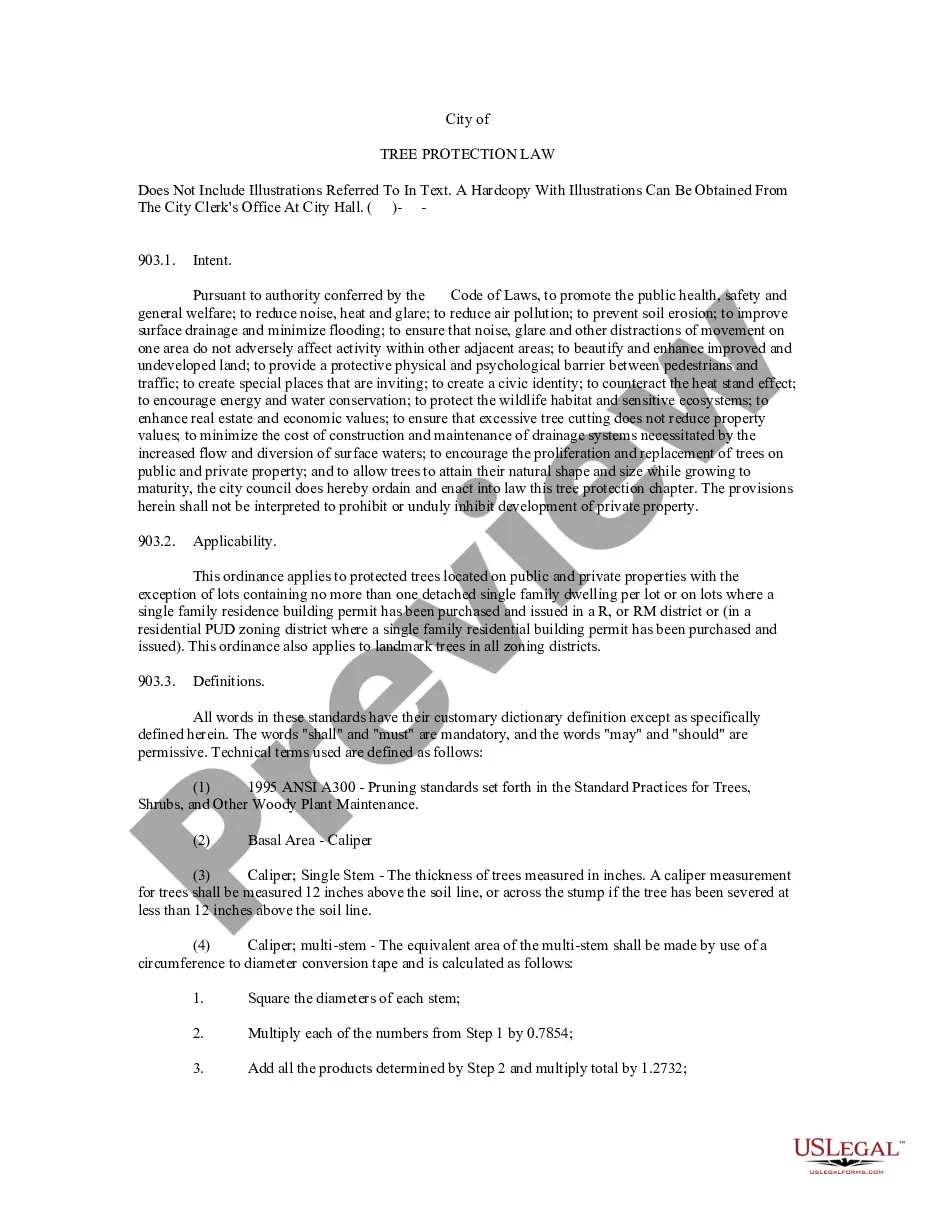
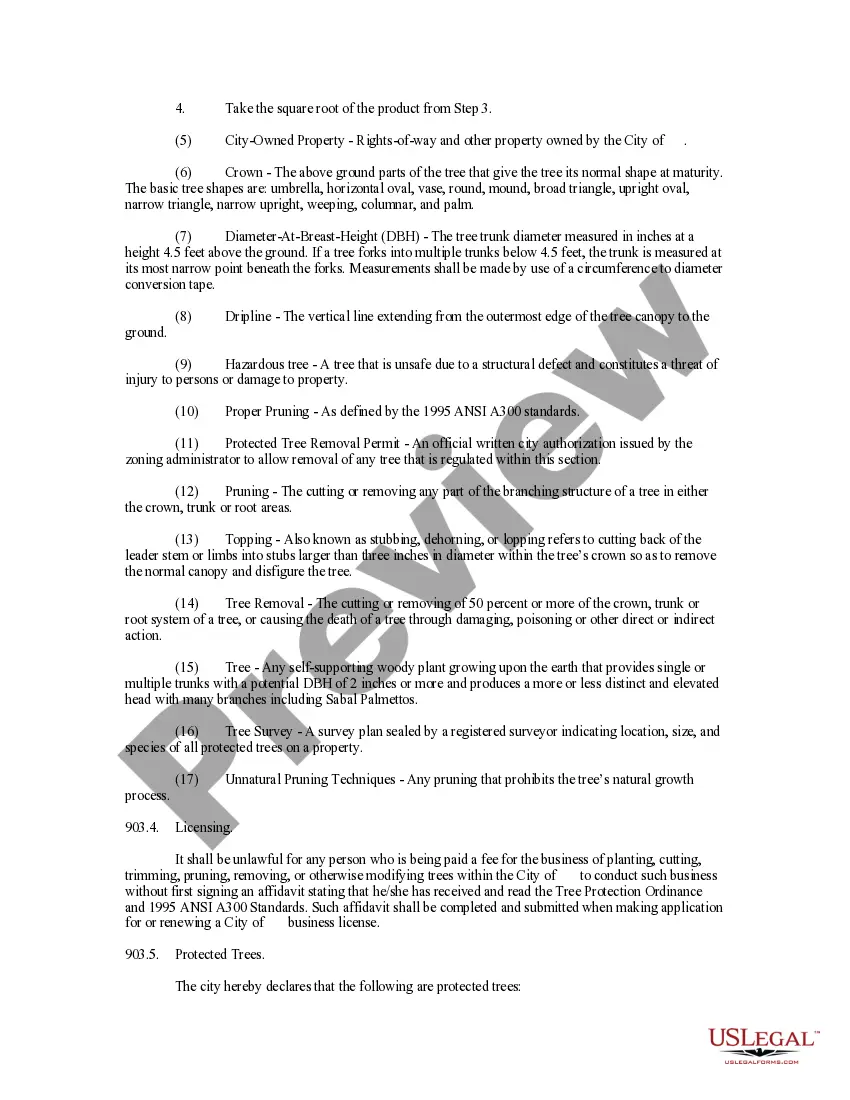
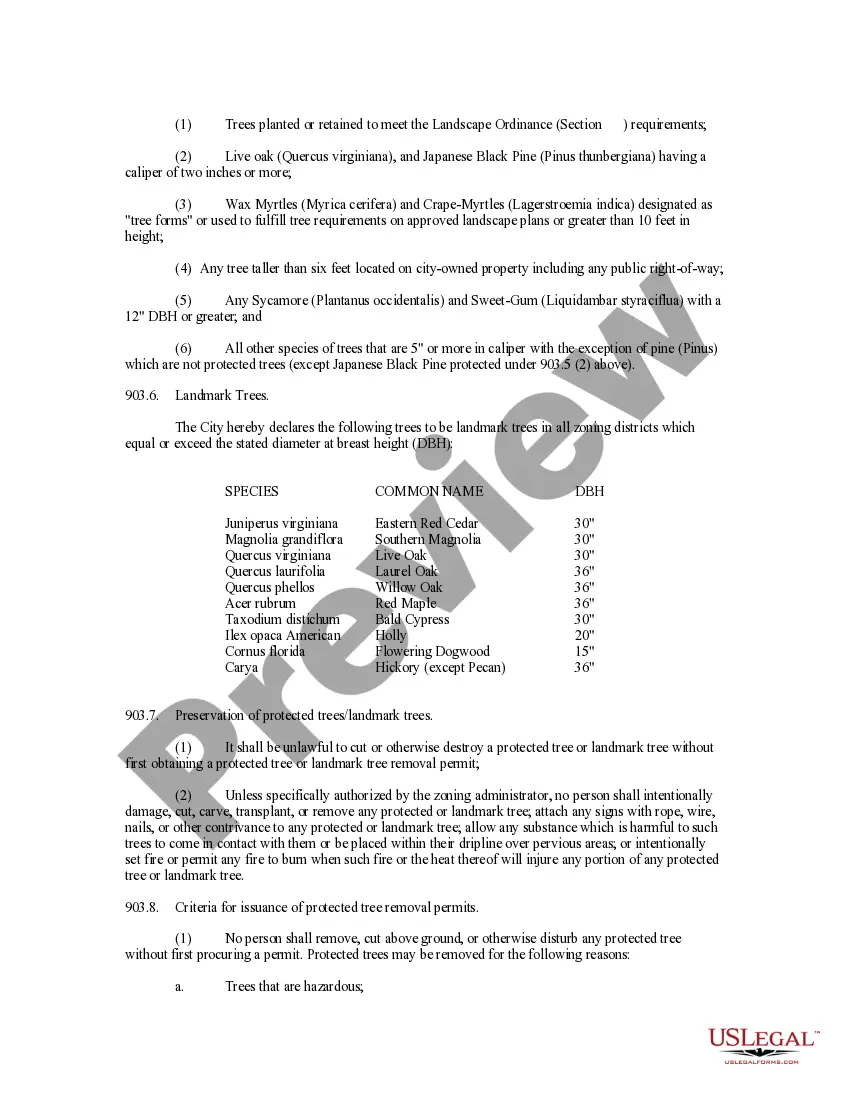
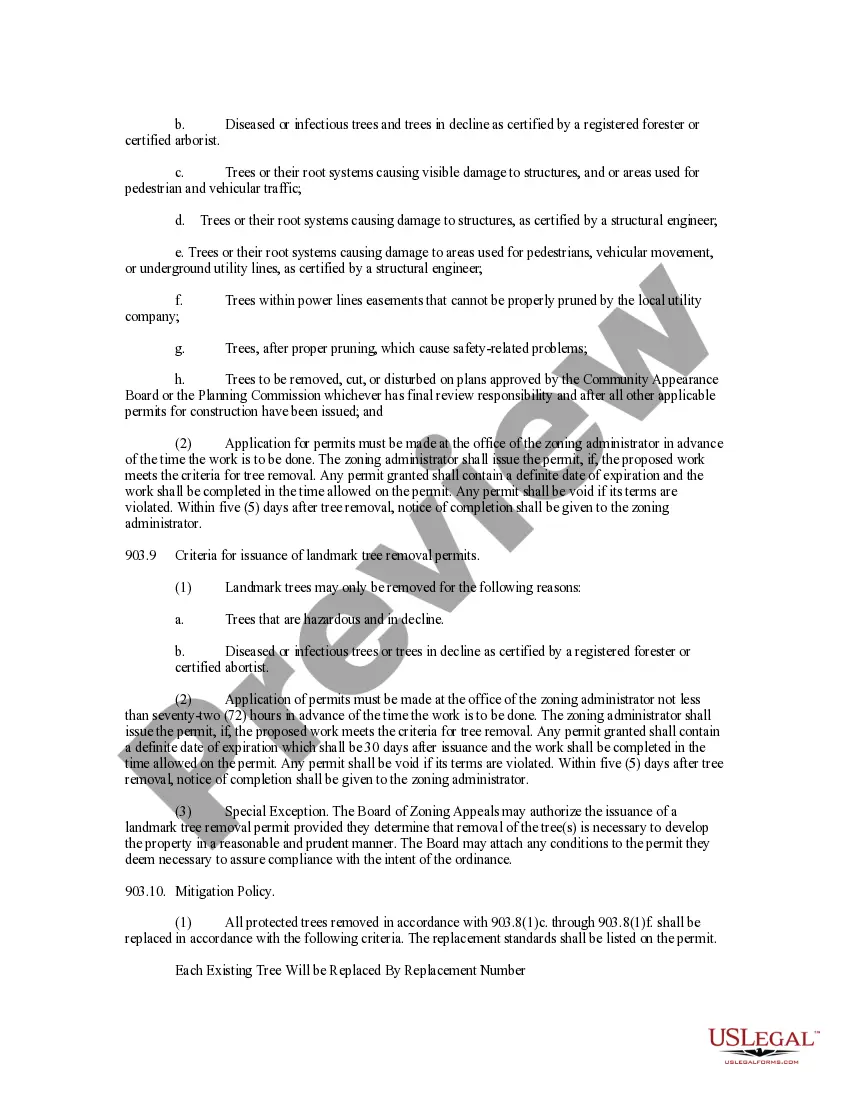
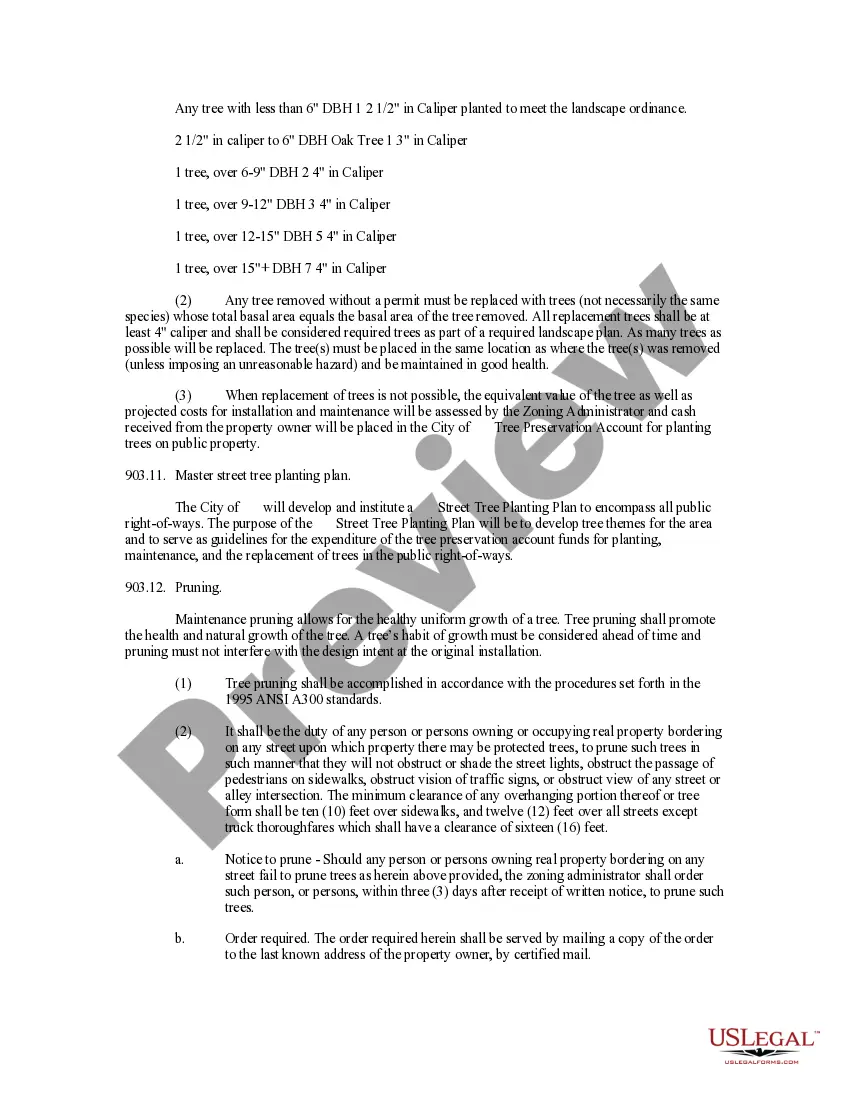
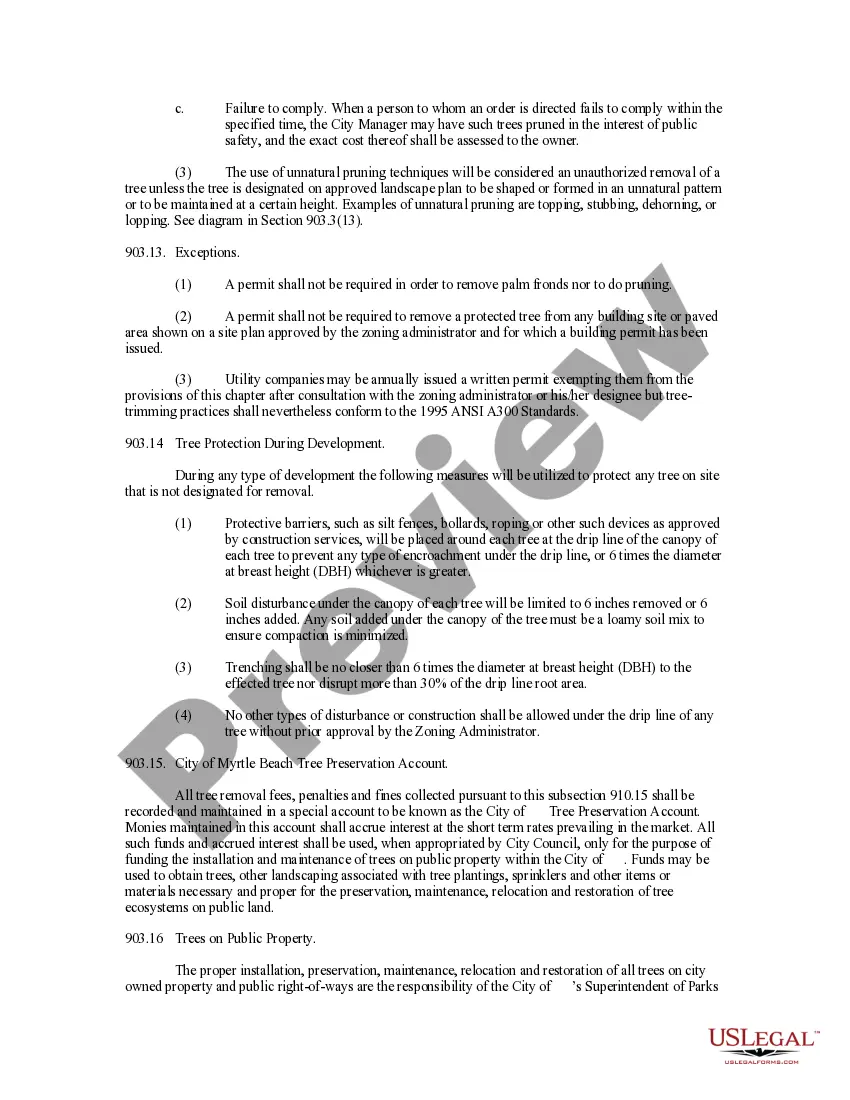
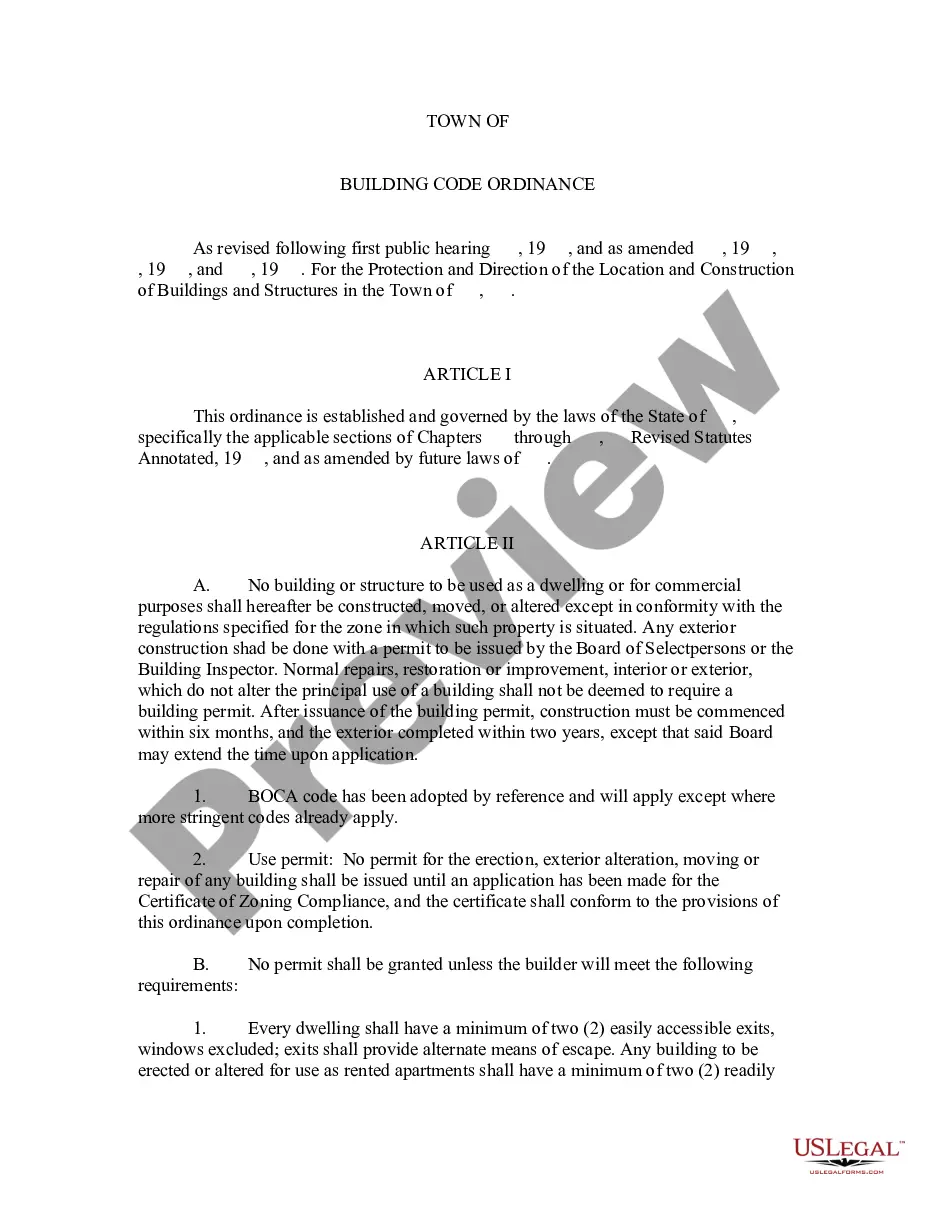
Get your form ready online
Our built-in tools help you complete, sign, share, and store your documents in one place.
Make edits, fill in missing information, and update formatting in US Legal Forms—just like you would in MS Word.
Download a copy, print it, send it by email, or mail it via USPS—whatever works best for your next step.
Sign and collect signatures with our SignNow integration. Send to multiple recipients, set reminders, and more. Go Premium to unlock E-Sign.
If this form requires notarization, complete it online through a secure video call—no need to meet a notary in person or wait for an appointment.
We protect your documents and personal data by following strict security and privacy standards.

Make edits, fill in missing information, and update formatting in US Legal Forms—just like you would in MS Word.

Download a copy, print it, send it by email, or mail it via USPS—whatever works best for your next step.

Sign and collect signatures with our SignNow integration. Send to multiple recipients, set reminders, and more. Go Premium to unlock E-Sign.

If this form requires notarization, complete it online through a secure video call—no need to meet a notary in person or wait for an appointment.

We protect your documents and personal data by following strict security and privacy standards.
Looking for another form?



How to fill out Tree Protection Law?
Drafting legal paperwork can be challenging.
Furthermore, if you choose to hire an attorney to create a business contract, documents for property transfer, pre-nuptial agreement, divorce documents, or the Chicago Tree Protection Law, it could be very expensive.
Browse the page to ensure a sample is available for your area. Review the form description and use the Preview option, if offered, to confirm it's the document you need. If the form doesn't meet your criteria, search for the appropriate one in the header. Click Buy Now when you find the desired template and choose the most suitable subscription. Log In or create an account to complete your subscription payment. Make a payment via credit card or PayPal. Select the file format for your Chicago Tree Protection Law and download it. Afterward, you can either print it out to fill out on paper or upload the templates to an online editor for a quicker and more efficient fill-in. US Legal Forms allows you to use all the documents you have ever acquired repeatedly; you can find your templates in the My documents tab in your account. Give it a try now!
- What is the most practical way to conserve time and funds while creating valid documents that comply with your state and local statutes.
- US Legal Forms is an outstanding option, whether you're searching for templates for personal or commercial purposes.
- US Legal Forms boasts the largest online collection of state-specific legal templates, offering users access to current and professionally vetted documents for various situations all in one location.
- Thus, if you require the most recent version of the Chicago Tree Protection Law, you can effortlessly locate it on our platform.
- Acquiring the paperwork takes minimal time.
- Individuals with an existing account should confirm their subscription is active, Log In, and choose the template by clicking the Download button.
- If you haven't registered yet, here's how you can obtain the Chicago Tree Protection Law.
Form popularity
FAQ
Property owners in Chicago are generally responsible for cutting overhanging tree branches that intrude upon public space. The Chicago Illinois Tree Protection Law outlines the guidelines for managing tree growth to ensure public safety. If you encounter issues with overhanging branches, reaching out to the city's forestry department can provide clarity on any available resources.
In Chicago, sidewalk maintenance is primarily the responsibility of the property owner adjacent to the sidewalk. The Chicago Illinois Tree Protection Law plays a role here as it can intersect with tree roots that may cause sidewalk damage. Homeowners should regularly inspect their sidewalks and take necessary repairs to ensure safety and compliance with city regulations.
In Chicago, the responsibility for trees next to the street typically falls on the city, especially if they are located in the parkway. The Chicago Illinois Tree Protection Law recognizes the importance of these trees for community aesthetics and environmental health. However, property owners should maintain the area surrounding the tree, such as keeping the base clear of obstructions.
Yes, you often need permission to cut down a tree on your property in Illinois, particularly if the tree is protected under city regulations. The Chicago Illinois Tree Protection Law outlines various trees that require a permit for removal. To avoid potential fines, consult with the local forestry department before proceeding.
Under the Chicago Illinois Tree Protection Law, you typically need to obtain a permit before cutting down a tree. The city requires this permit to ensure that tree removal does not harm the urban forest. It's important to check with your local authorities for specific guidelines and the application process.
In California, handling branches from your neighbor's tree can be tricky due to local nuisance laws. While you may remove branches that cross into your property, you must avoid damaging the tree itself. The Chicago Illinois Tree Protection Law does not apply here, but it’s always best to communicate with your neighbor about tree maintenance. For detailed guidance on property laws and responsibilities, you can reach out to uslegalforms for expert advice.
The Chicago Illinois Tree Protection Law prohibits the removal of specific tree species, especially those classified as heritage or significant trees. These trees are usually defined by their size, species, or historical value. It is essential to review local laws or contact city officials to ensure compliance before any removal attempts. For further clarity, uslegalforms can provide helpful resources that outline the types of trees protected under the law.
Under the Chicago Illinois Tree Protection Law, native species of trees receive special protection. This includes significant trees that provide ecological benefits and contribute to the urban landscape. Cutting down these protected trees often requires a permit, and failure to comply can lead to fines. If you are unsure about the status of a tree, consider consulting local regulations or seeking guidance from uslegalforms for the necessary steps.
The tree encroachment law in Illinois helps to clarify the rights and responsibilities of property owners regarding trees that extend onto neighboring properties. If a tree's branches or roots intrude on your land, you are allowed to trim them back, provided you do so without harming the tree itself. Understanding this aspect of the Chicago Illinois Tree Protection Law can help avoid conflicts between neighbors. For detailed information and legal support, consider exploring the resources available on USLegalForms.
The tree damage law in Illinois addresses the liability for damaging another person's tree, either intentionally or accidentally. If you damage a tree, you may be required to compensate the affected property owner for its loss or damage. This is relevant within the context of the Chicago Illinois Tree Protection Law, highlighting the importance of taking care when performing maintenance or landscaping. For guidance on such matters, USLegalForms provides essential resources and legal forms.