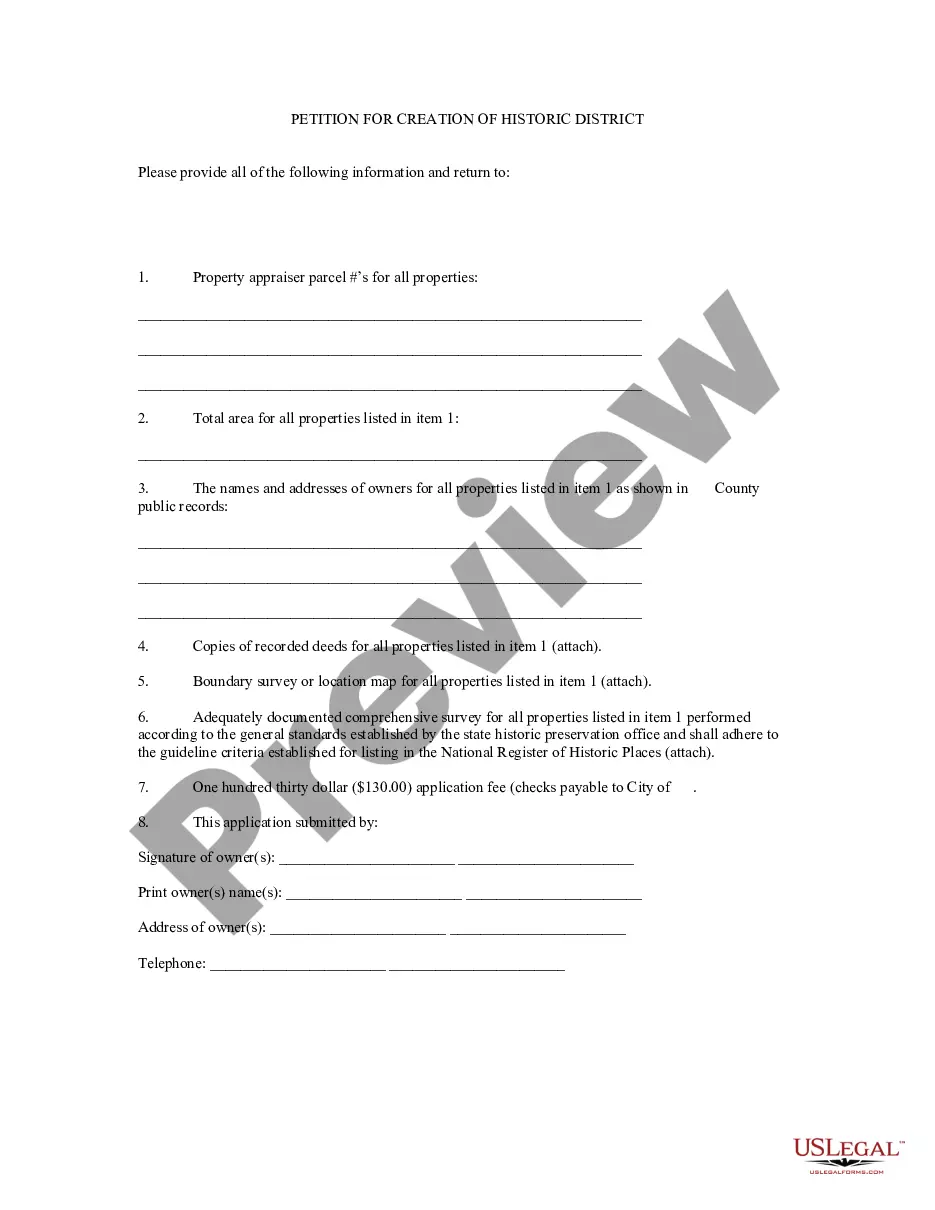
Chicago Illinois Petition for Creation of Historic District
Description
Get your form ready online
Our built-in tools help you complete, sign, share, and store your documents in one place.
Make edits, fill in missing information, and update formatting in US Legal Forms—just like you would in MS Word.
Download a copy, print it, send it by email, or mail it via USPS—whatever works best for your next step.
Sign and collect signatures with our SignNow integration. Send to multiple recipients, set reminders, and more. Go Premium to unlock E-Sign.
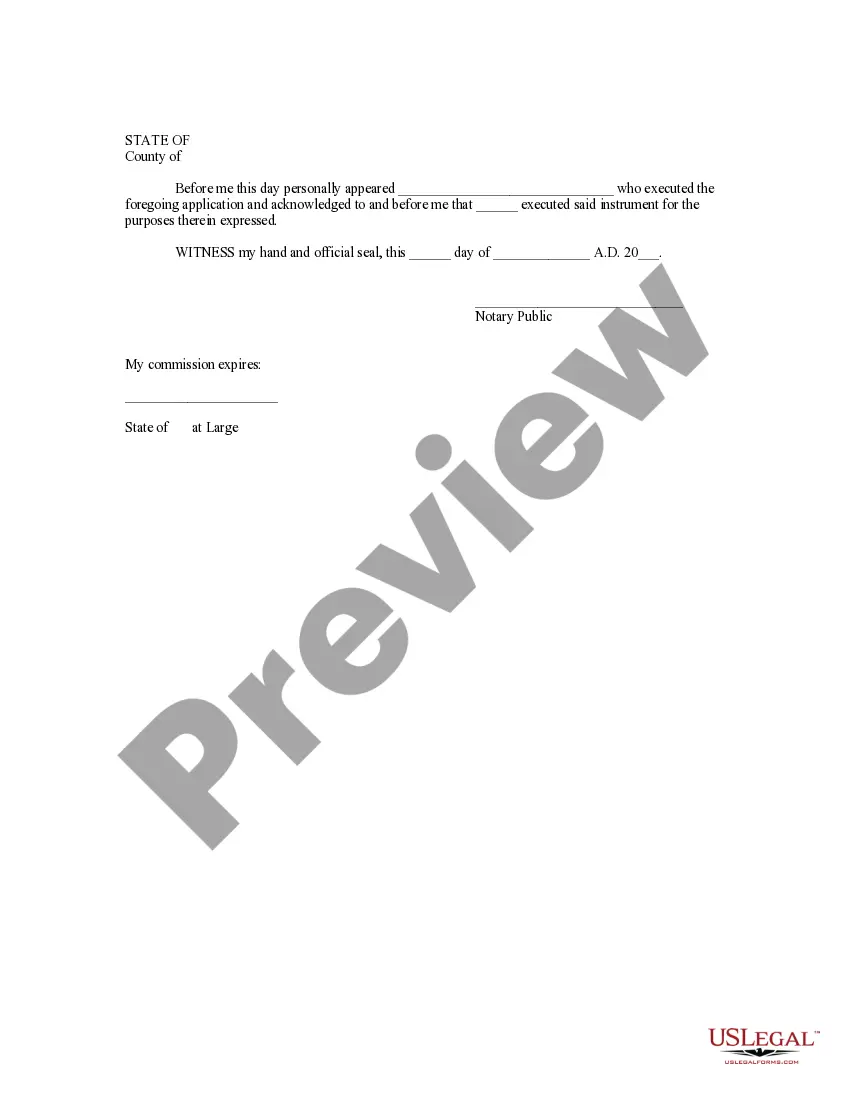
If this form requires notarization, complete it online through a secure video call—no need to meet a notary in person or wait for an appointment.
We protect your documents and personal data by following strict security and privacy standards.

Make edits, fill in missing information, and update formatting in US Legal Forms—just like you would in MS Word.

Download a copy, print it, send it by email, or mail it via USPS—whatever works best for your next step.

Sign and collect signatures with our SignNow integration. Send to multiple recipients, set reminders, and more. Go Premium to unlock E-Sign.

If this form requires notarization, complete it online through a secure video call—no need to meet a notary in person or wait for an appointment.

We protect your documents and personal data by following strict security and privacy standards.
Looking for another form?
How to fill out Petition For Creation Of Historic District?
Drafting documentation for business or personal requirements is consistently a significant obligation.
When formulating a contract, a public service application, or a power of attorney, it’s crucial to take into account all federal and state regulations of the specific region.
Nevertheless, minor counties and even municipalities also have legislative processes that you must take into account.
The remarkable advantage of the US Legal Forms library is that all the documents you have ever acquired remain secure - you can access them in your profile within the My documents section at any time. Enroll in the platform and swiftly procure validated legal forms for any circumstance with just a few clicks!
- All these elements make it stressful and time-intensive to create a Chicago Petition for Creation of Historic District without expert assistance.
- It’s simple to prevent unnecessary expenses on lawyers preparing your paperwork and independently generate a legally sound Chicago Petition for Creation of Historic District using the US Legal Forms online repository.
- This is the largest online compilation of state-specific legal templates that are professionally verified, ensuring their legality when selecting a template for your county.
- Previously registered users merely need to Log In to their accounts to access the required document.
- Should you still lack a subscription, follow the step-by-step guide below to acquire the Chicago Petition for Creation of Historic District.
- Browse the opened page and confirm if it features the document you require.
- To achieve this, utilize the form description and preview if these functionalities are provided.
Form popularity
FAQ
Chicago boasts over 400 officially designated landmarks, showcasing the city's architectural diversity and cultural heritage. These landmarks contribute to Chicago's identity and appeal, making them crucial to urban preservation efforts. Engaging in the Chicago Illinois Petition for Creation of Historic District helps ensure that more historically significant areas are recognized and preserved. By participating in this process, you play an essential role in maintaining the city’s rich history and ensuring that it is celebrated for years to come.
Millennium Park holds the title as the #1 tourist attraction in Chicago, drawing millions of visitors each year. The park features iconic installations such as Cloud Gate and the Jay Pritzker Pavilion, making it a cultural hub in the city's landscape. Understanding the importance of such areas highlights the significance of the Chicago Illinois Petition for Creation of Historic District, as it showcases how public spaces can become landmarks. Protecting these locations enriches the visitor experience and promotes Chicago's historical narrative.
The Commission on Chicago Landmarks is responsible for designating and protecting the city's landmarks. This commission also oversees the process of the Chicago Illinois Petition for Creation of Historic District, ensuring that areas with historical significance receive appropriate recognition. By participating in this process, you help to preserve Chicago's rich heritage for future generations. They also offer guidance on the benefits of historic designation, which can increase property values and attract tourism.
The Chicago Commission on Human Relations is led by a commissioner appointed by the mayor. This role involves overseeing the enforcement of the city's human rights ordinances and promoting equal opportunities in Chicago. If you are interested in historic preservation, the commissioner can be a valuable resource for those looking into the Chicago Illinois Petition for Creation of Historic District. Engaging with the commission can help you understand the intersection of human rights and historic preservation in the city.
The landmark ordinance 2 120 620 in Chicago outlines the process and criteria for designating landmarks within the city. This ordinance seeks to prevent the demolition of historically significant sites and promote their conservation. If interested in protecting a specific area, the Chicago Illinois Petition for Creation of Historic District is a vital step for community members looking to ensure ongoing preservation efforts.
Landmark status in Chicago recognizes buildings, structures, or sites of historical, architectural, or cultural significance. This designation provides certain protections and often encourages preservation efforts. By filing a Chicago Illinois Petition for Creation of Historic District, you can advocate for the protection of landmarks around you, promoting community heritage and pride.
M2 2 zoning in Chicago refers to an industrial zoning designation that allows for manufacturing and related uses. This zoning can accommodate businesses that operate in heavier industries. If you're looking to preserve an area that includes adjacent industrial zones, a Chicago Illinois Petition for Creation of Historic District can help maintain the unique character and historical significance of these neighborhoods.
The groundwater ordinance in Chicago regulates the management and protection of groundwater resources within the city. This ordinance ensures that development does not negatively impact local water supplies and quality. For those interested in historical preservation, understanding these regulations can be beneficial when filing a Chicago Illinois Petition for Creation of Historic District, as such districts can influence local environmental policies.
Yes, Old Town is a historic neighborhood in Chicago that still thrives today. Known for its charming streets and unique shops, Old Town carries remnants of the city's past, showcasing its evolution. This area hosts cultural events and festivals that celebrate its history. By supporting initiatives like the Chicago Illinois Petition for Creation of Historic District, you can help protect the integrity of neighborhoods like Old Town for future generations.
In Chicago, a site can become a landmark through a rigorous designation process that evaluates its historical, cultural, or architectural significance. This involves recommendations from the Chicago Landmarks Commission and potential approval from city officials. Once designated, landmarks receive protections that help preserve their character. Participating in the Chicago Illinois Petition for Creation of Historic District can help advocate for deserving sites to gain this important recognition.