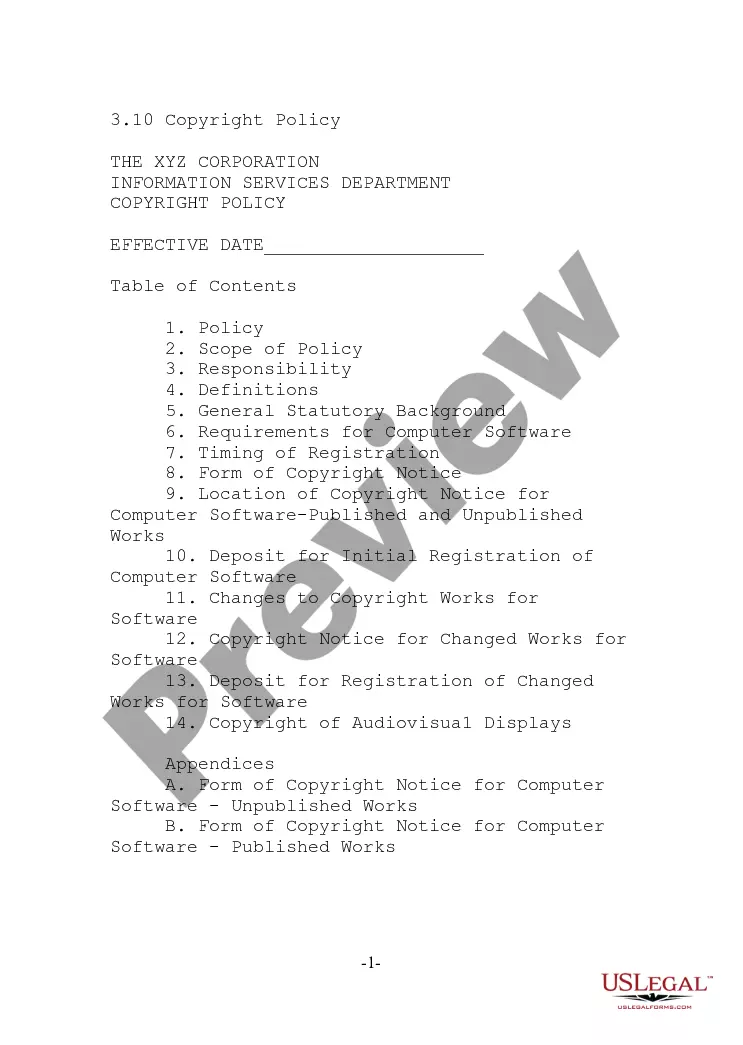
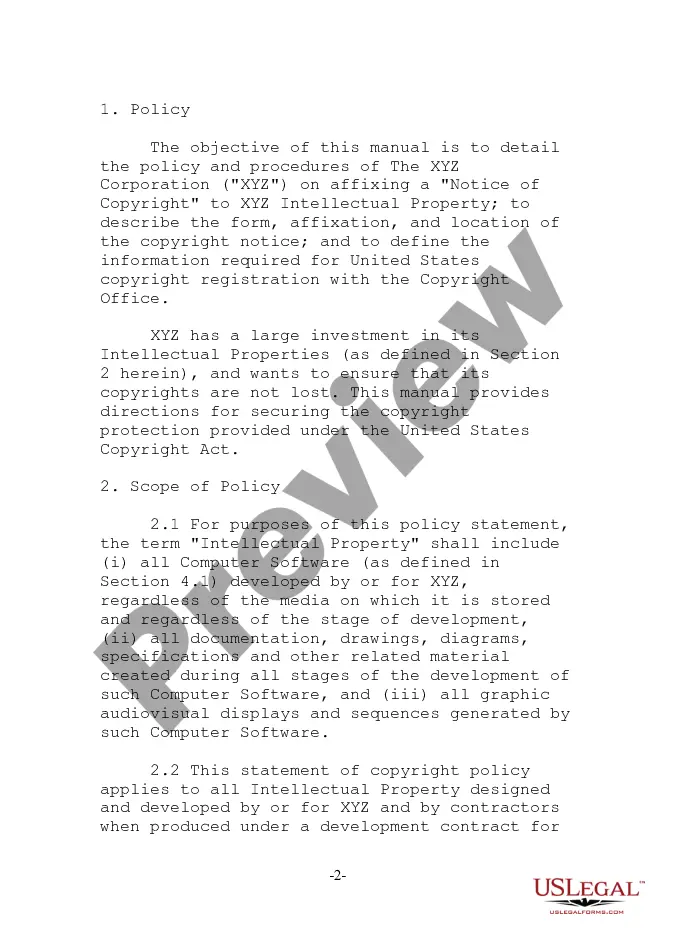
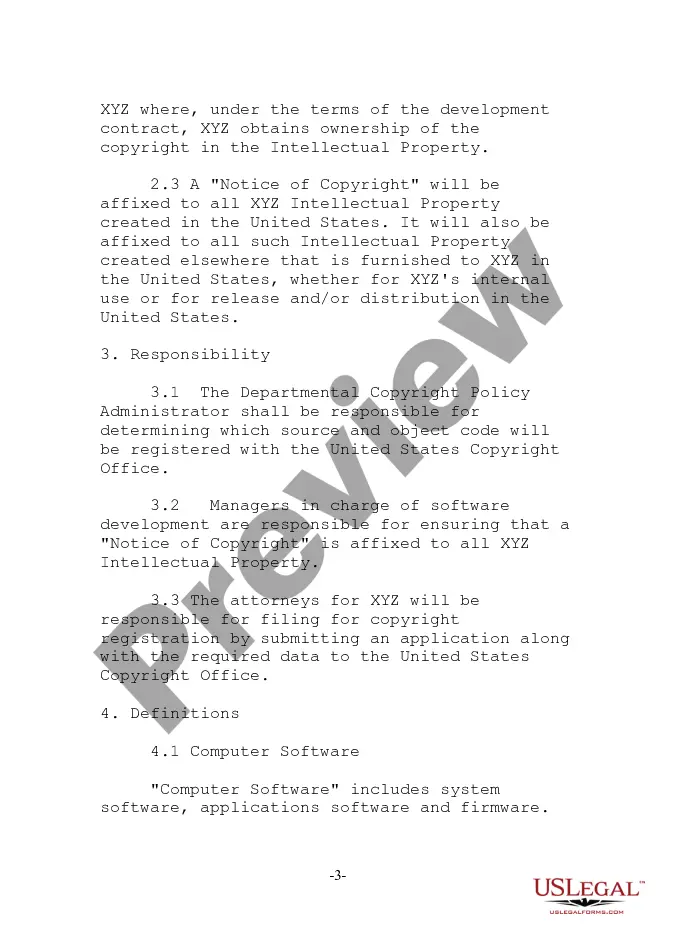
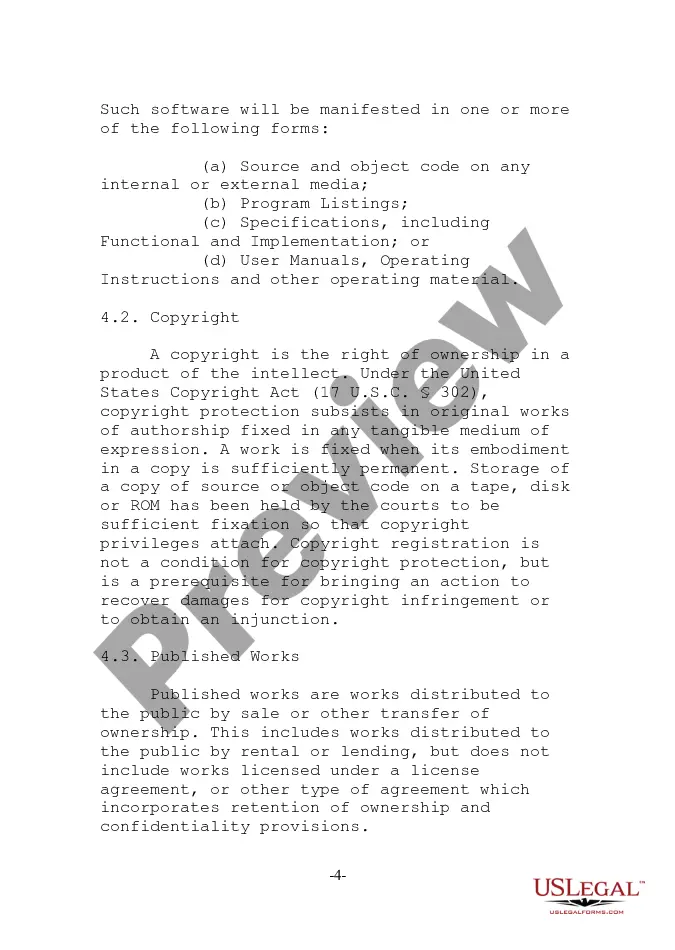
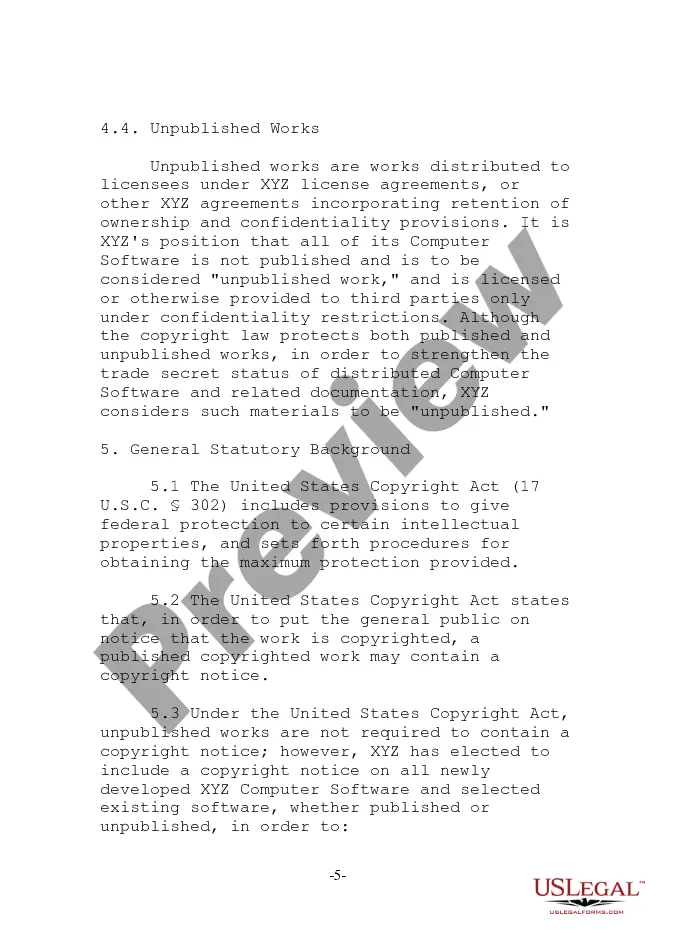
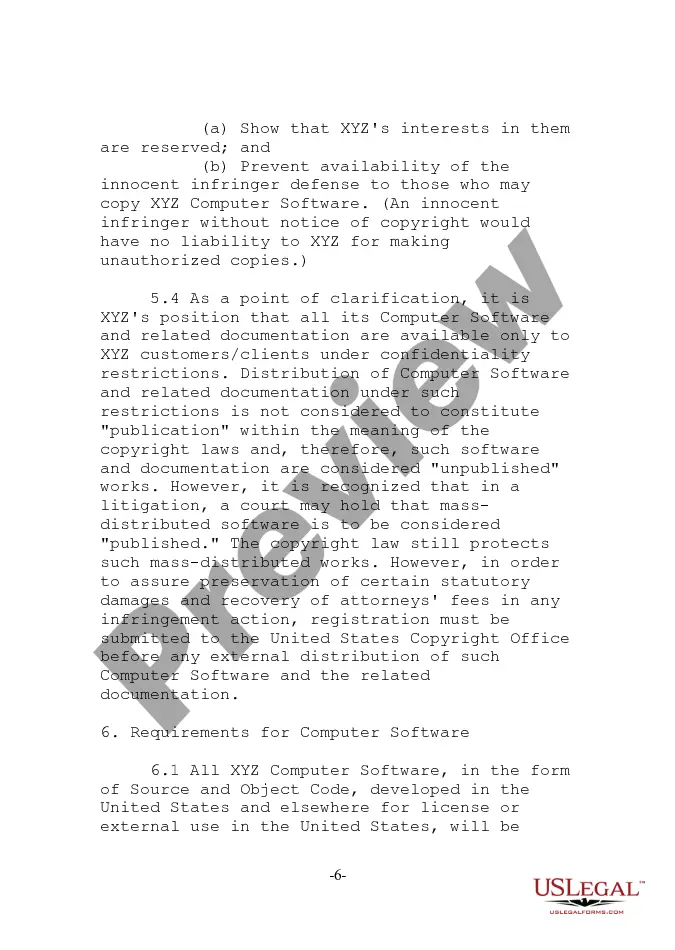
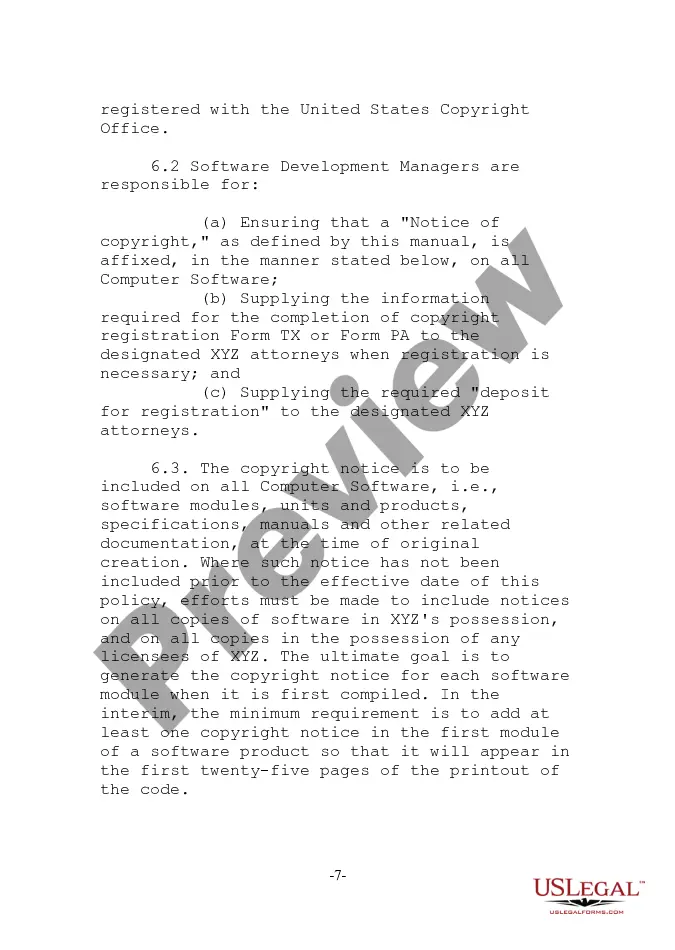
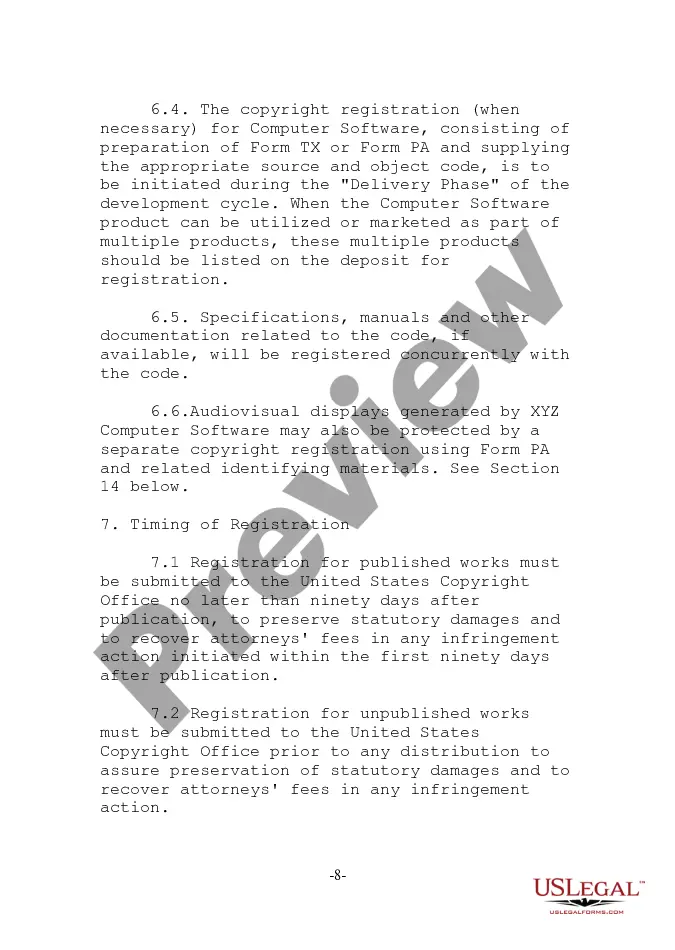
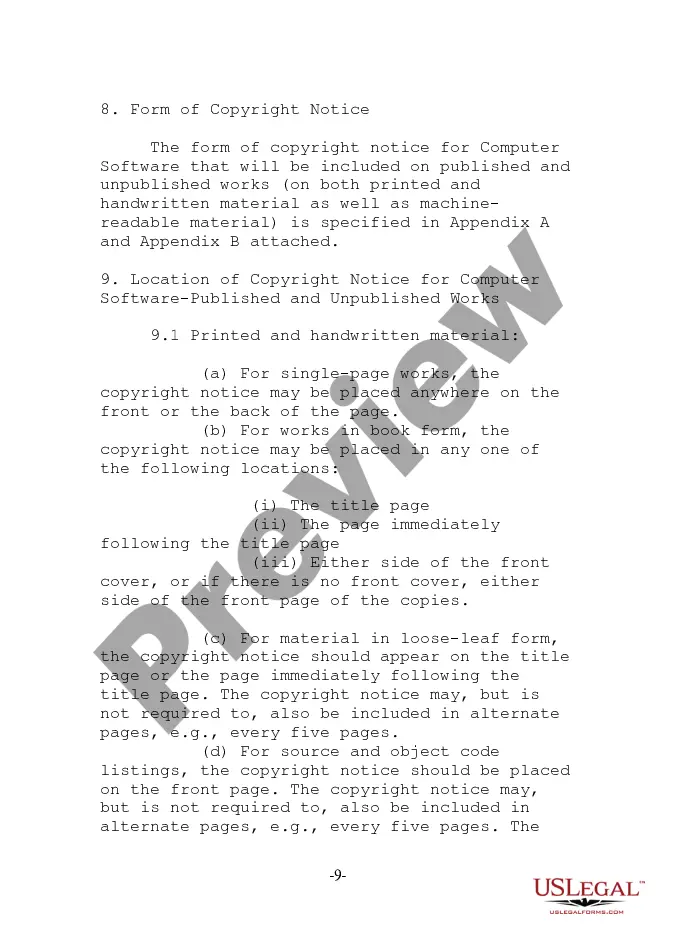
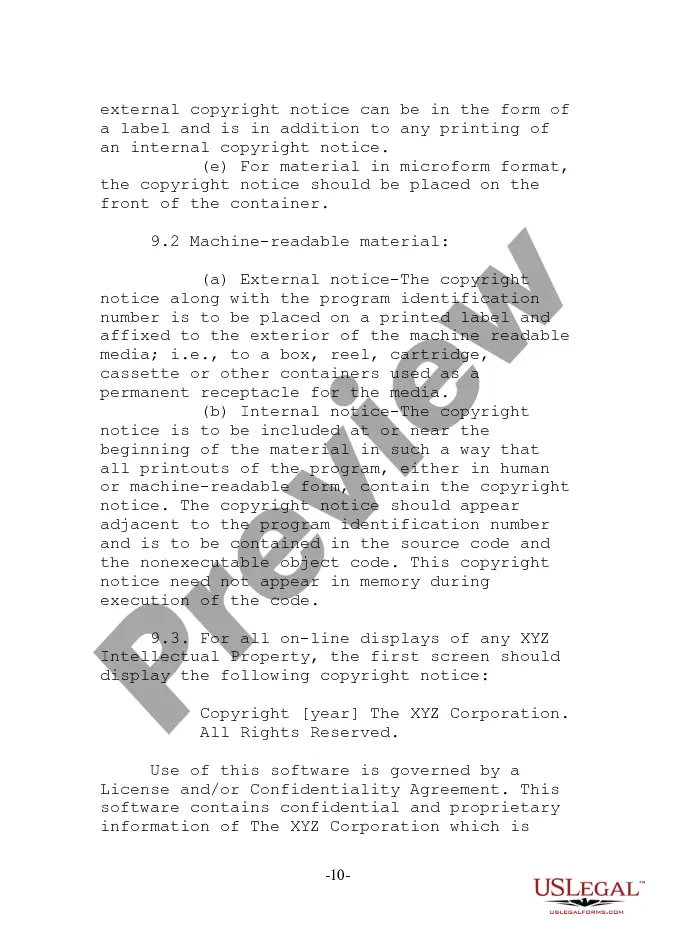
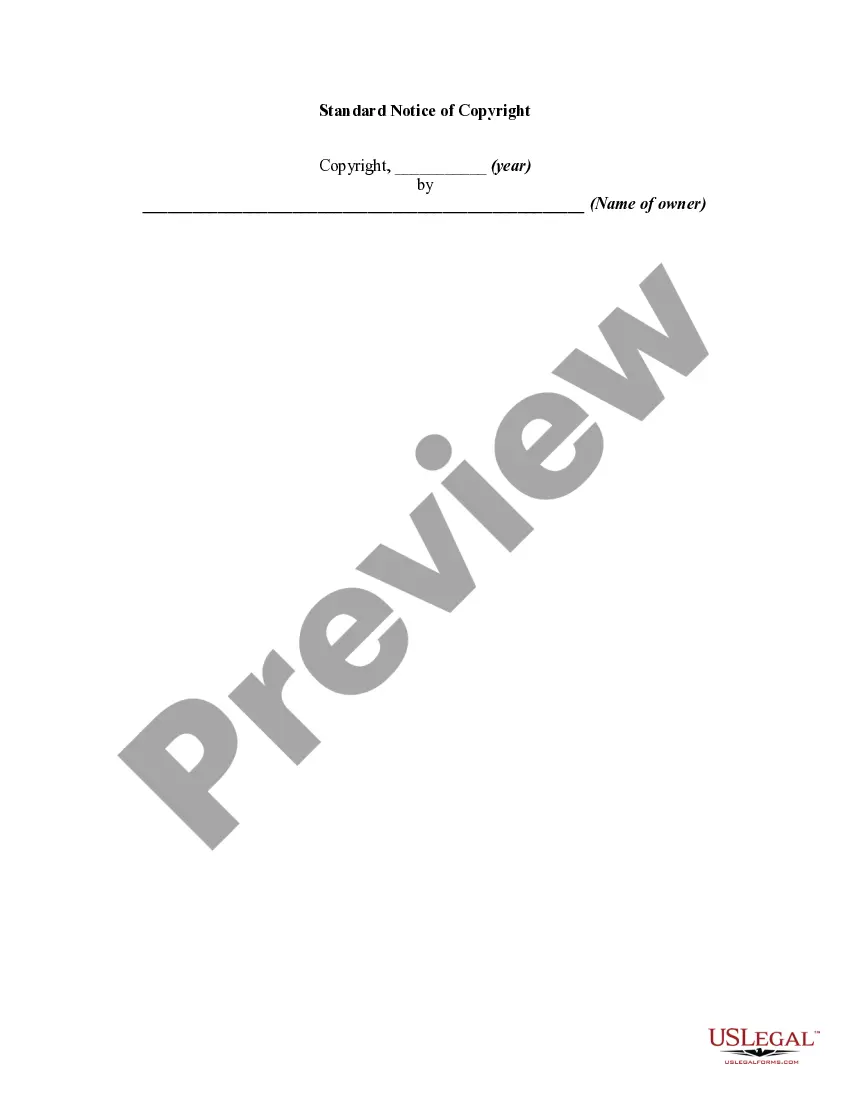
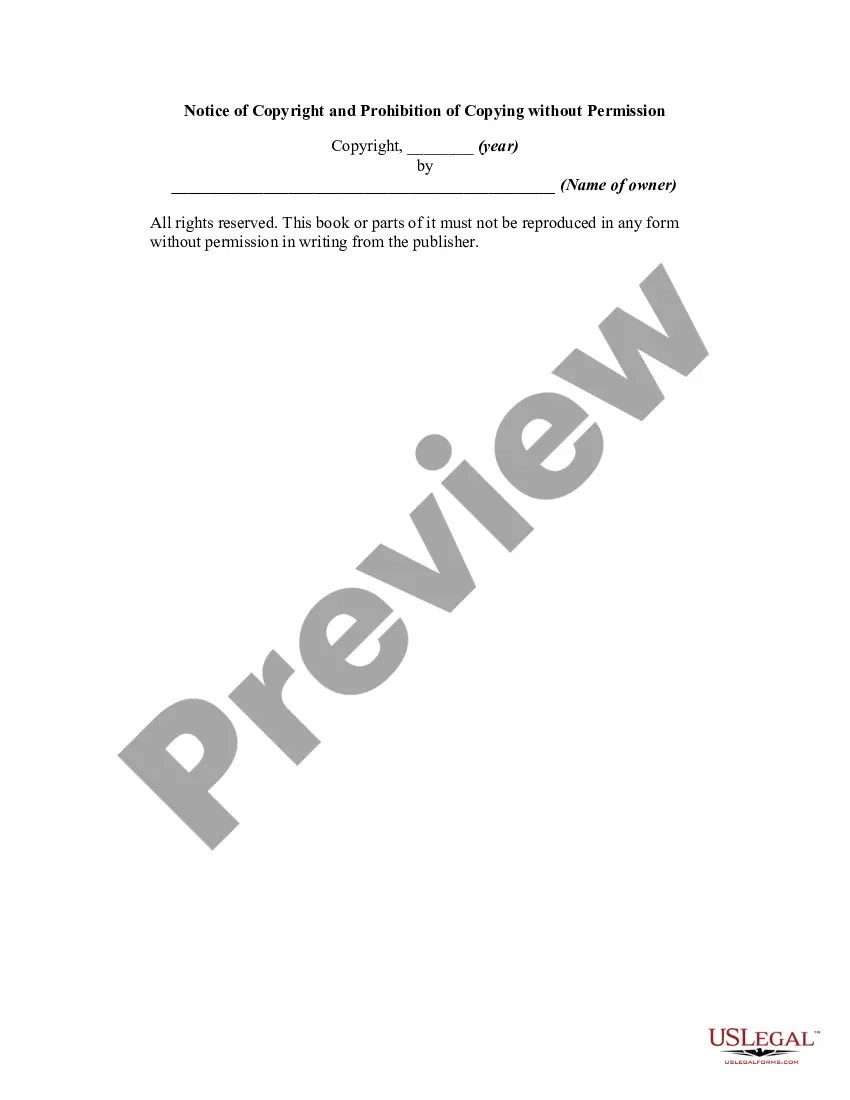
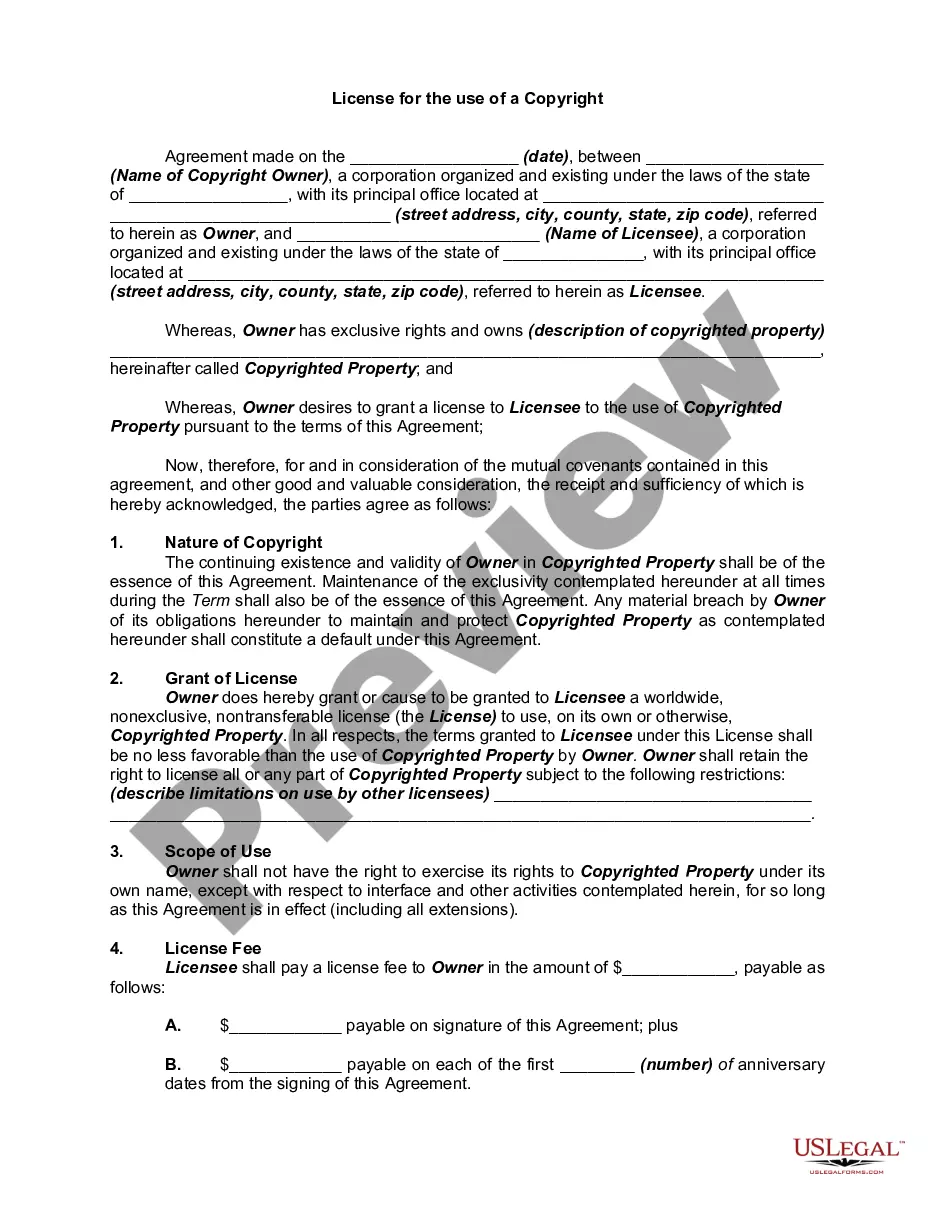
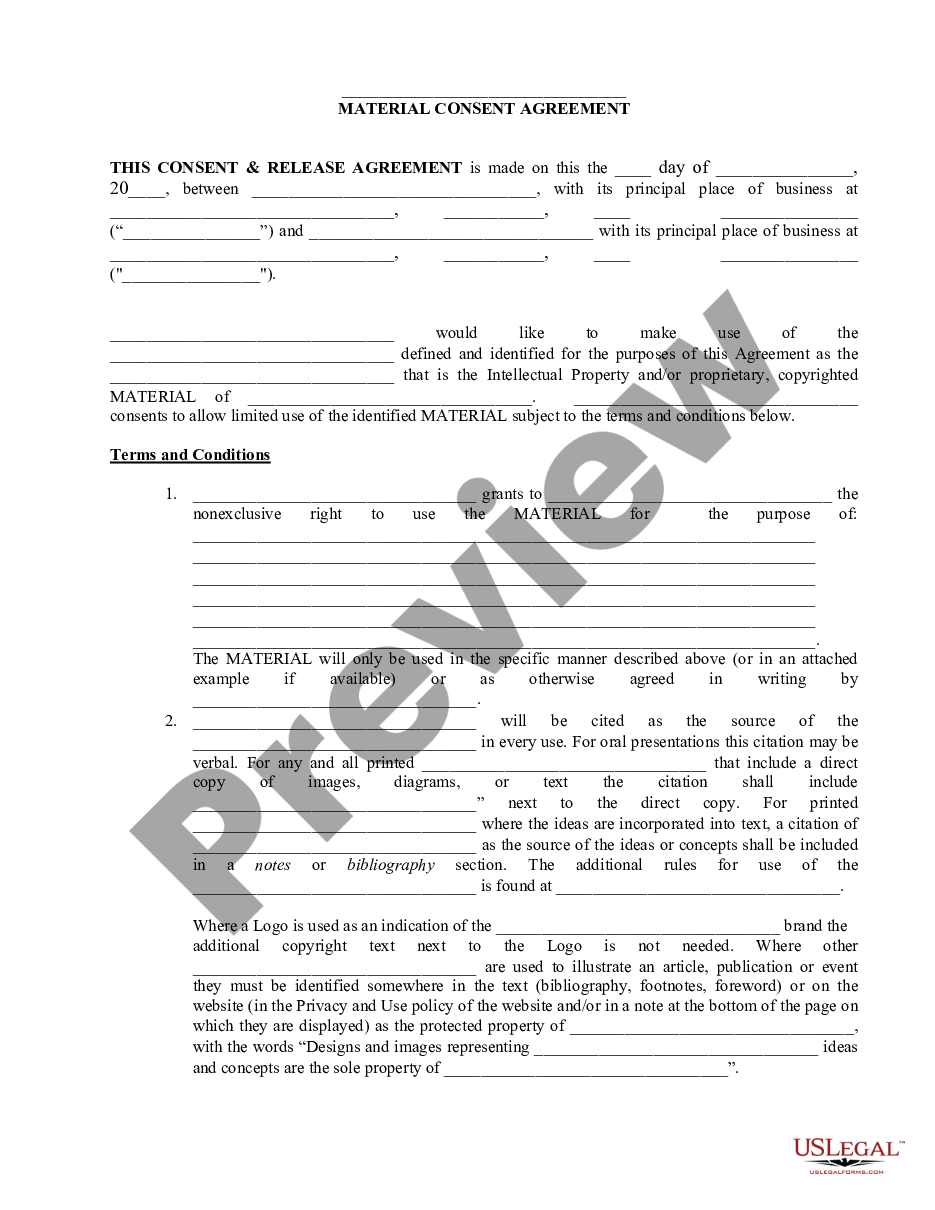
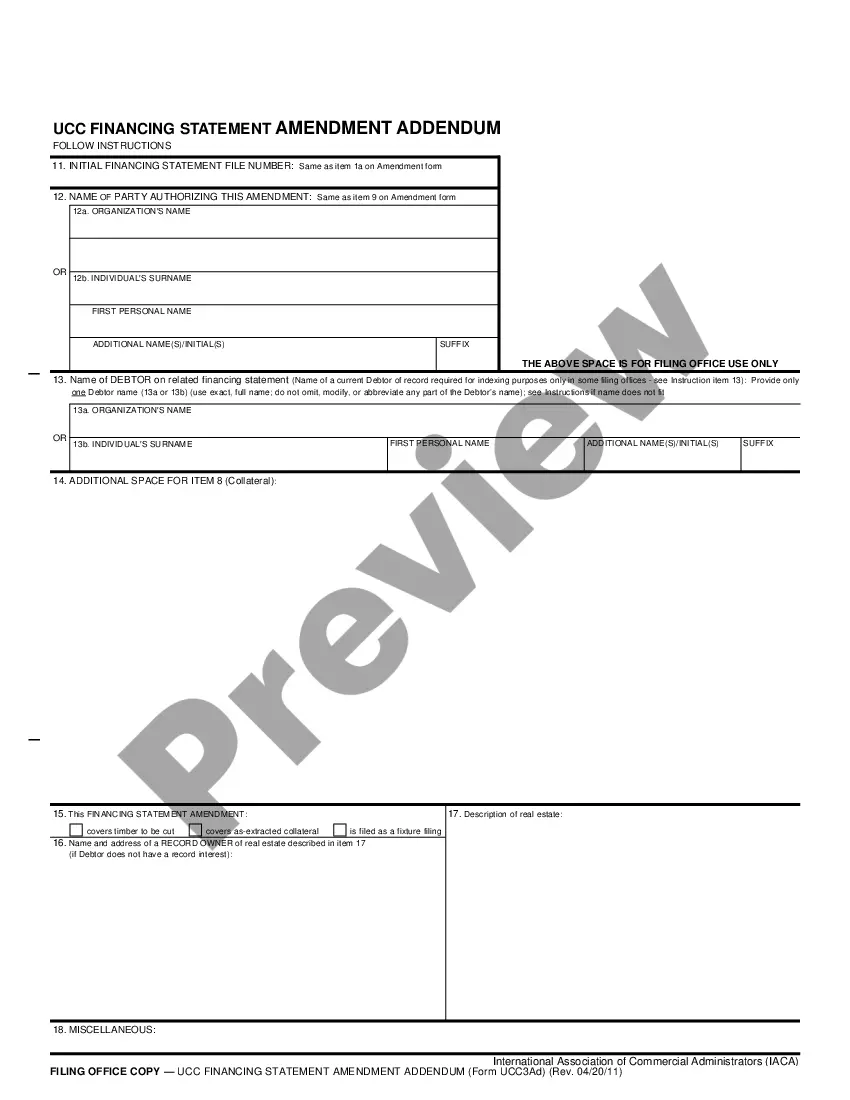
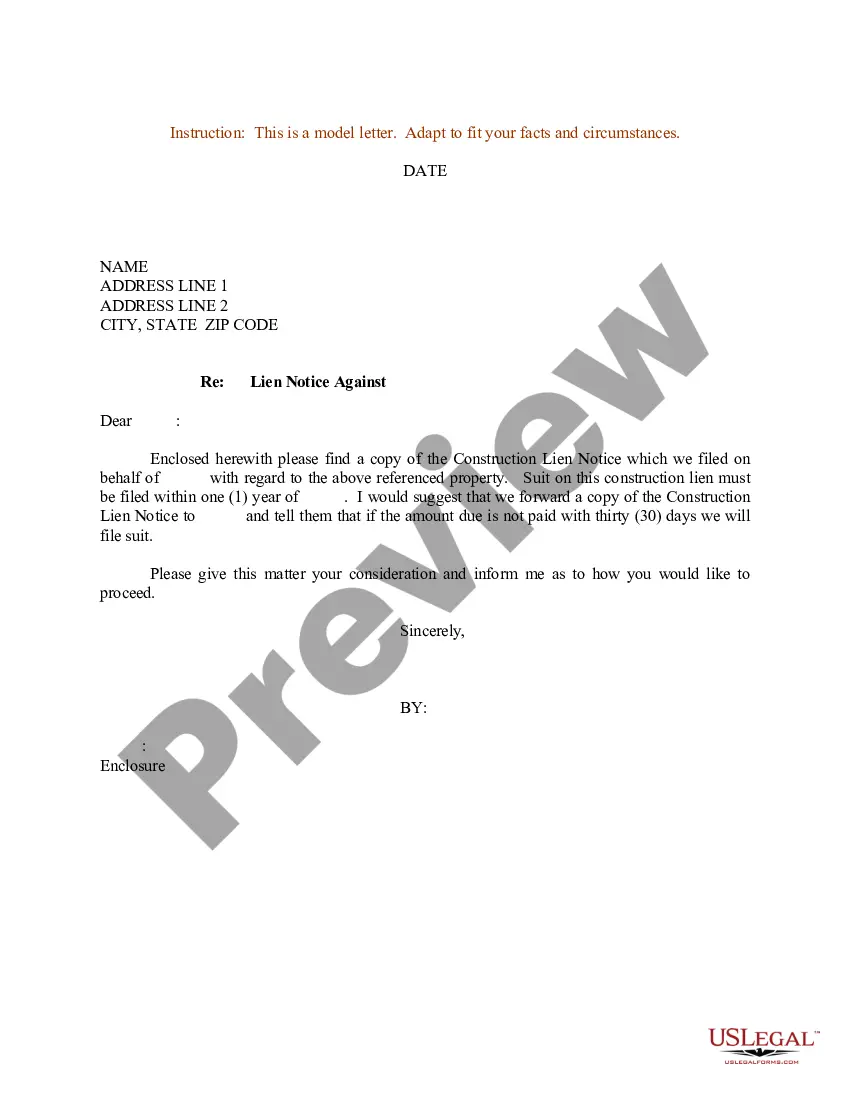
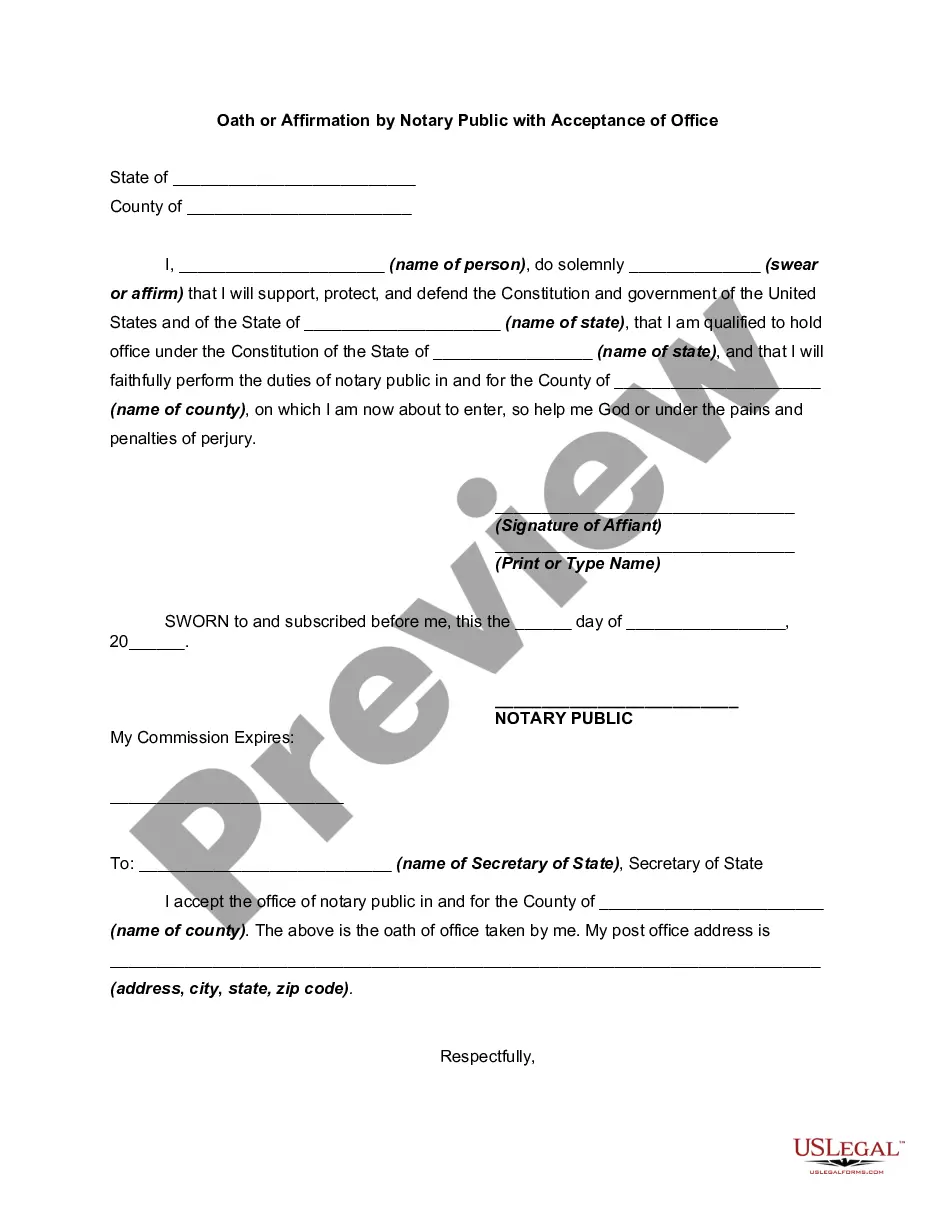
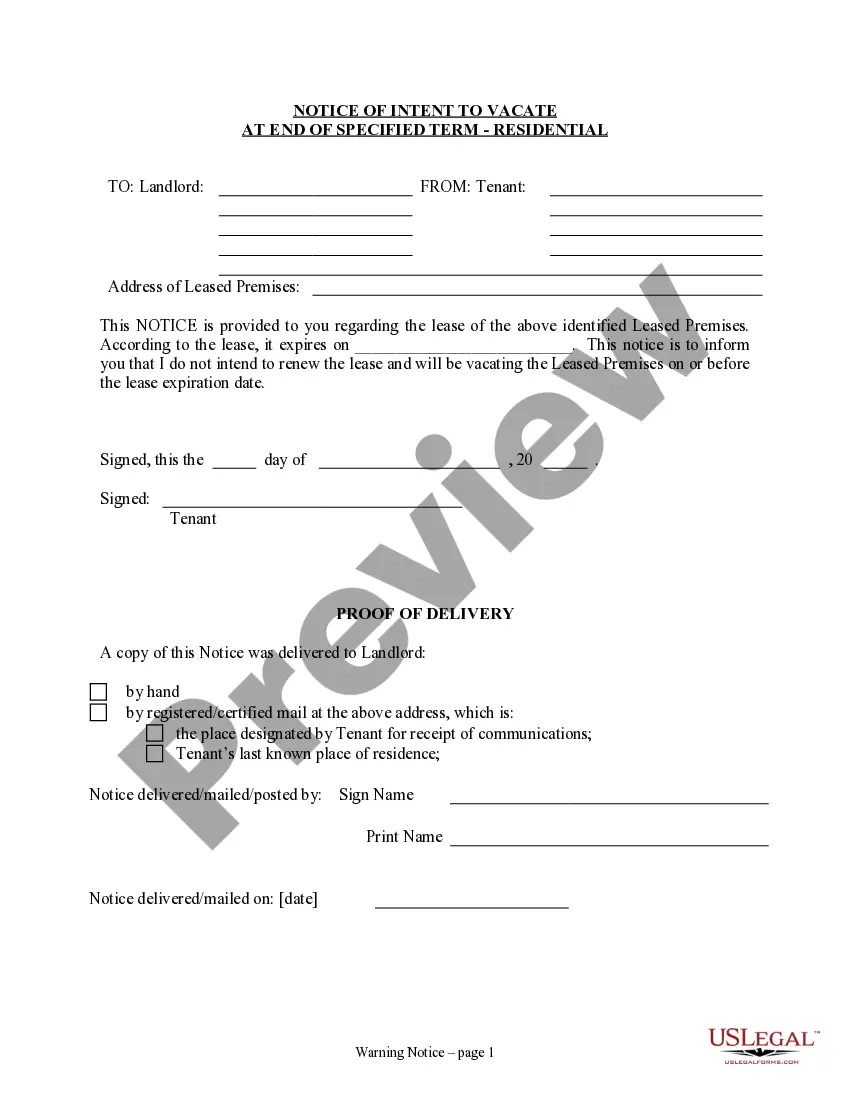
This form is a model adaptable for use in federal copyright law, licensing and related law. Adapt the form to your specific needs and fill in the information. Don't reinvent the wheel, save time and money.
Copyright lasts for the life of the creator plus 70 years. After that, the work enters the public domain, which is like opening the gates to a treasure trove for everyone to use freely.
Typically, if you created something in the line of your job, your employer usually owns the copyright. It’s a good idea to check your employment contract; it’s all in the fine print!
Start by reaching out to them and explaining the situation. If that doesn’t work, you might need to consider legal steps; think of it as seeking a peaceful tune before playing the final note.
While you don’t have to officially register, doing so can bolster your rights if you ever need to take action against infringement. It’s like having a sturdy umbrella in a rainstorm.
Generally, using someone else's work without permission is a no-go. It’s best to ask the creator or check if it falls under 'fair use,' which can be tricky.
If your work is original and fixed in a tangible form, like a book, painting, or video, then congratulations! It’s likely copyrighted without any extra steps needed.
The copyright policy in Omaha follows federal laws, which means that creative works are protected automatically as soon as they are made, helping to keep the creator's rights safe.