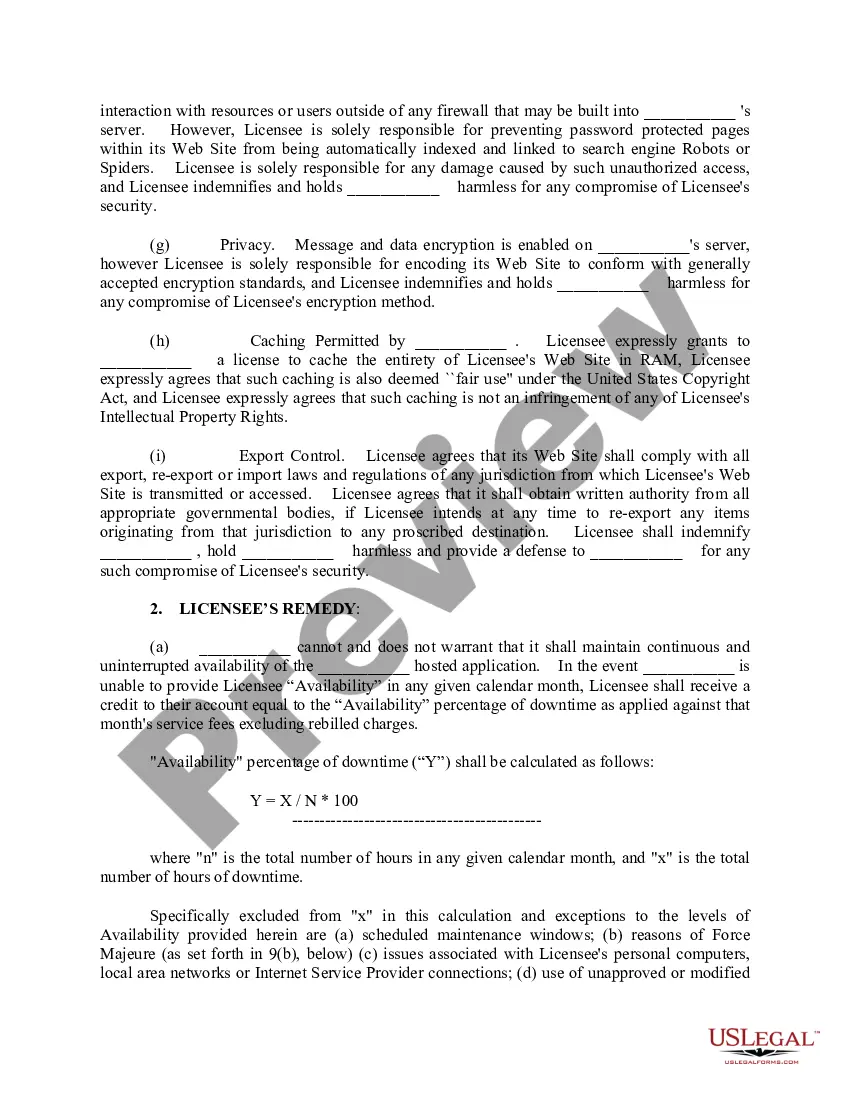
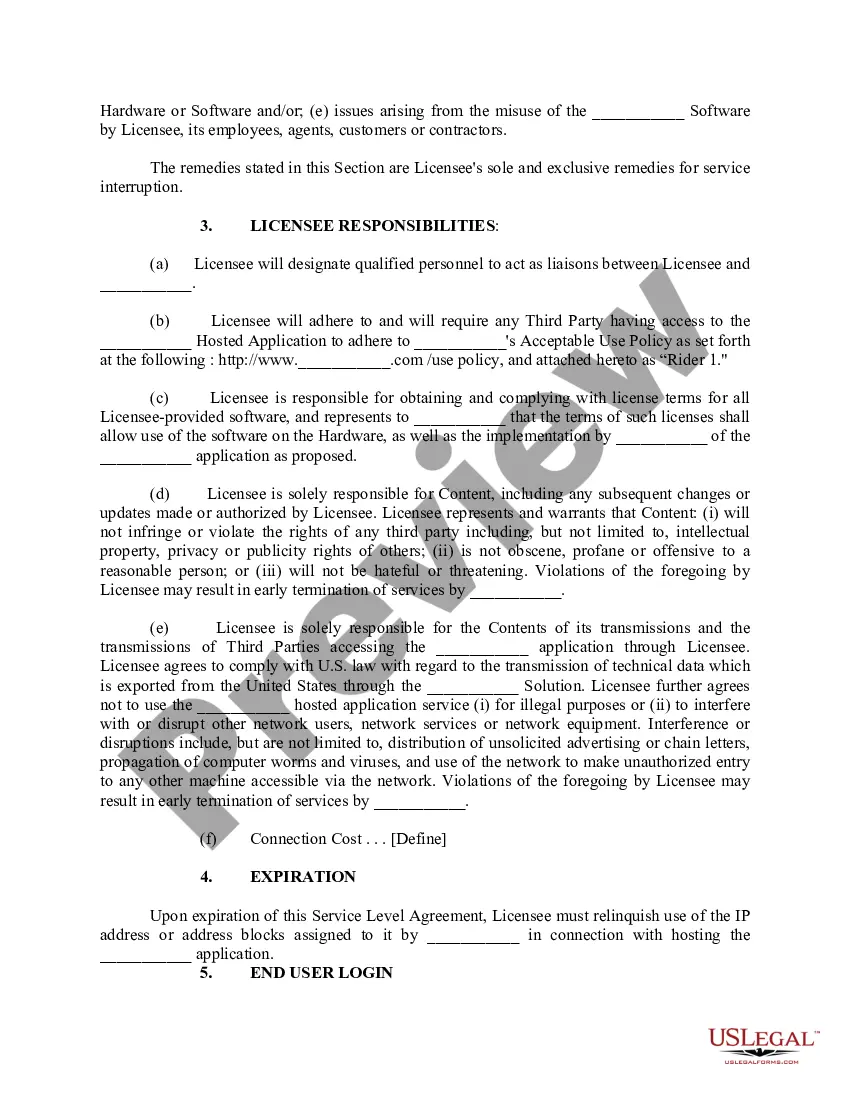
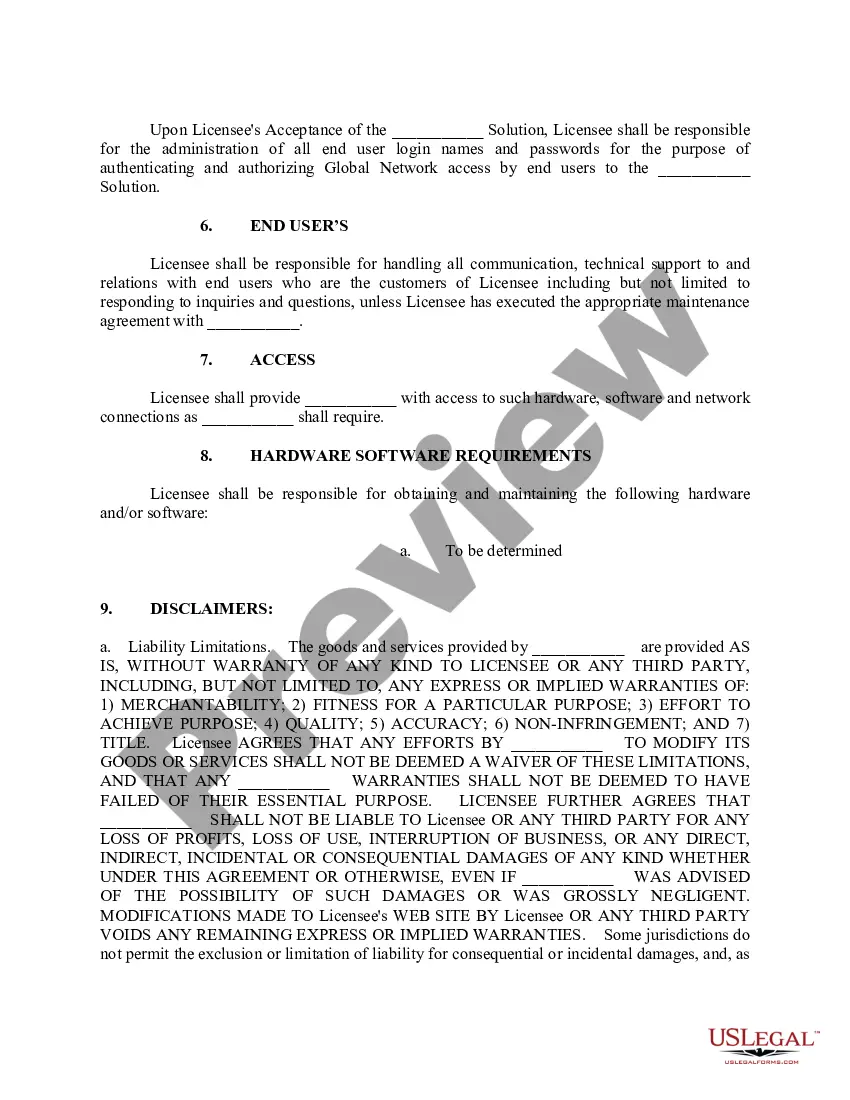
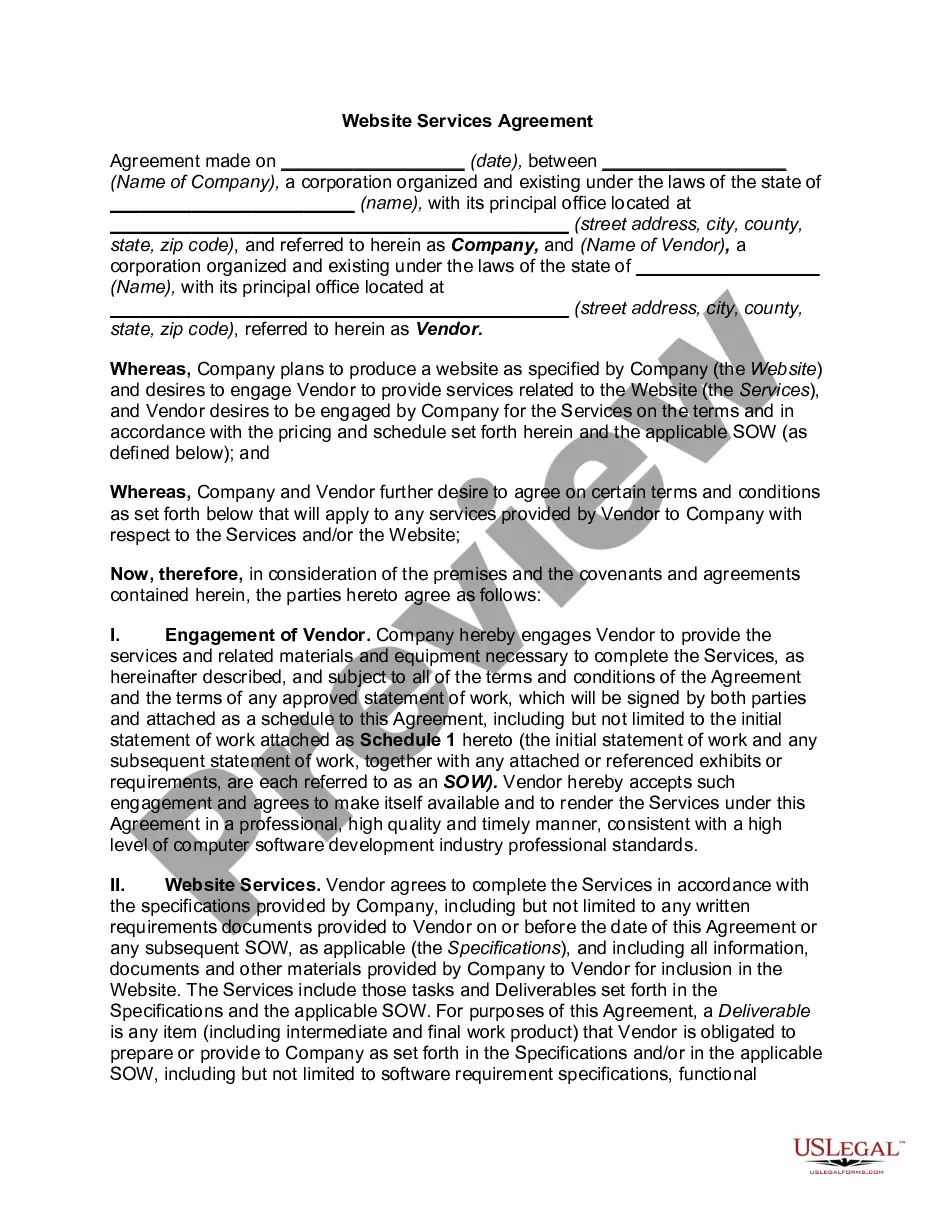
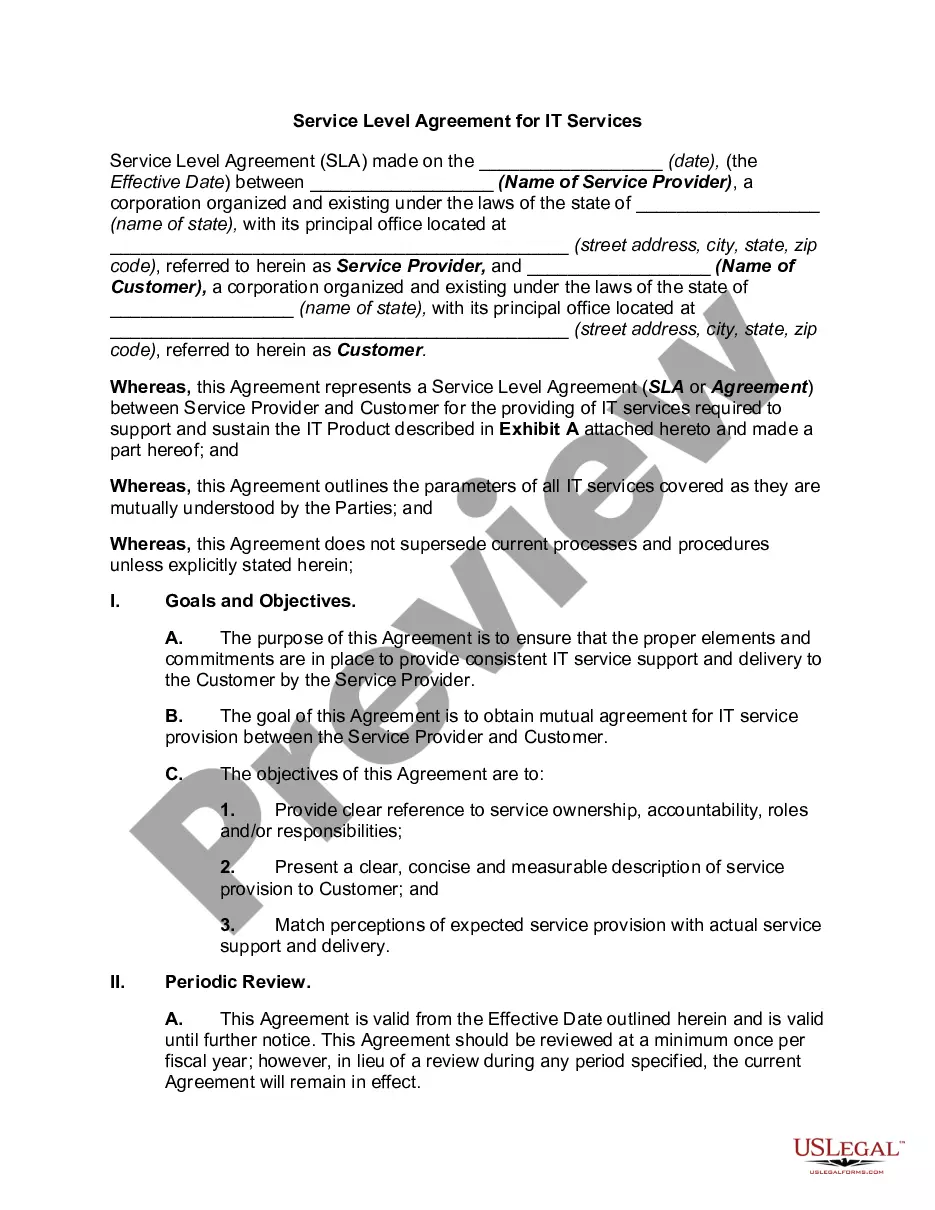
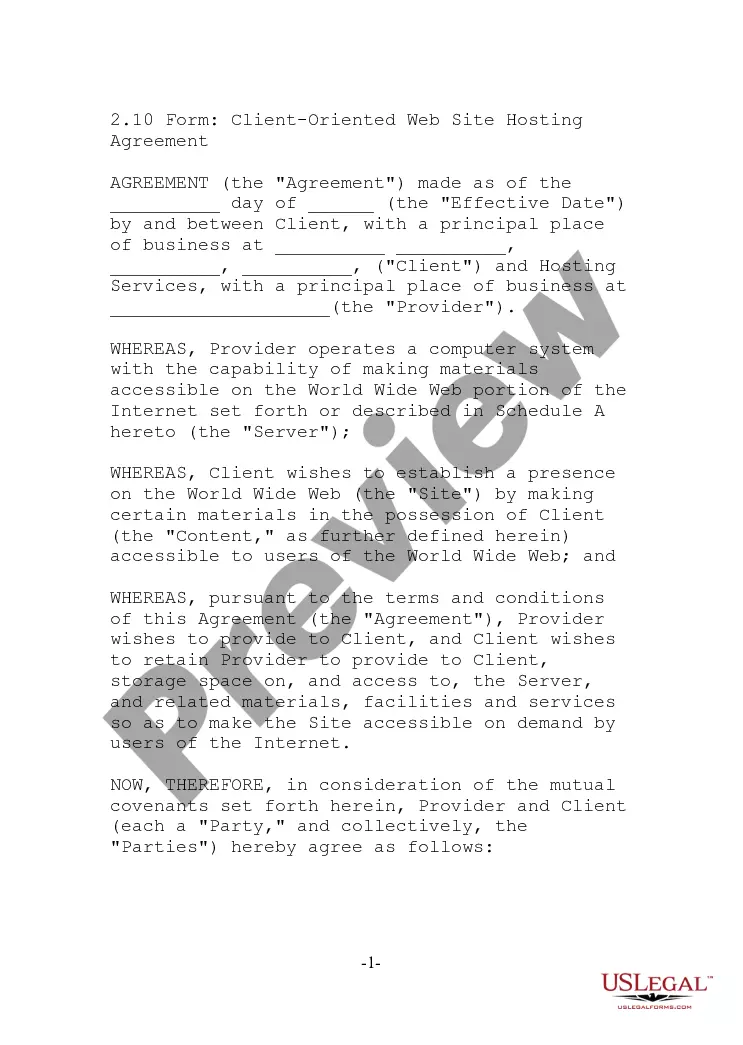
This form is an Application for Hosting a Service Level Agreement. The licensee agrees to provide the end-user with access to such hardware, software, and network connections that may be required. The document also provides that the licensee is given up to five gig of disk space and the licensee will be responsible for additional disk space. The parties expressly recognize that the Internet contains unedited materials, some of which are unlawful, indecent, or offensive to the licensee, and access to such materials by the licensee is done at the licensee's sole risk.
Yes, if you find that your current hosting provider isn’t living up to their SLA, you can switch to a different provider that better meets your needs. Just make sure to read the fine print on any contracts before making a move.
Performance metrics may include response times, load times, and overall application speed. These give you a clear picture of how well your hosting service is performing and whether it shines in the areas that matter most to you.
Absolutely! Many hosting providers offer the flexibility to tailor your SLA to fit your specific business needs. If you have special requirements, don’t hesitate to ask; it’s worth discussing your unique situation.
Yes, most SLAs include details on customer support response times. This means they’ll specify how quickly you can expect a reply when you reach out with questions or issues, ensuring you’re not left in the lurch.
If the hosting provider fails to meet the agreed-upon service levels, the SLA usually includes remedies such as credits or discounts on future services. It’s the provider’s way of saying they’re sorry for dropping the ball.
Uptime guarantees specify how often your applications will be accessible. For example, a 99.9% uptime guarantee means your applications might be down for a few hours each year, but the hosting provider promises to do their best to keep service disruptions to a minimum.
A Service Level Agreement (SLA) is a contract that outlines the level of service you can expect from your application hosting provider. It covers things like uptime guarantees, support response times, and the overall performance of your applications.