If you get injured on an unseaworthy vessel, you may be entitled to compensation for your injuries. Think of it as having a safety net when you fall – there’s help available!
If you suspect a vessel is unseaworthy, report it to the relevant authorities right away. It's better to be safe than sorry, and you might just prevent a disaster.
Absolutely! If crew members fail to perform their duties properly, it can lead to unseaworthiness. It's like if the captain isn't looking out for icebergs on a cruise!
The vessel owner or operator is usually responsible for ensuring their ship is seaworthy, much like a landlord must ensure their property is safe for tenants.
Common causes include poor maintenance, inadequate safety gear, or faulty machinery. It's a bit like ignoring that funny noise in your car – sooner or later, it can lead to trouble.
The determination of unseaworthiness takes into account various factors like safety equipment, vessel construction, and the condition of the crew. It's like checking if your car is roadworthy before a long trip.
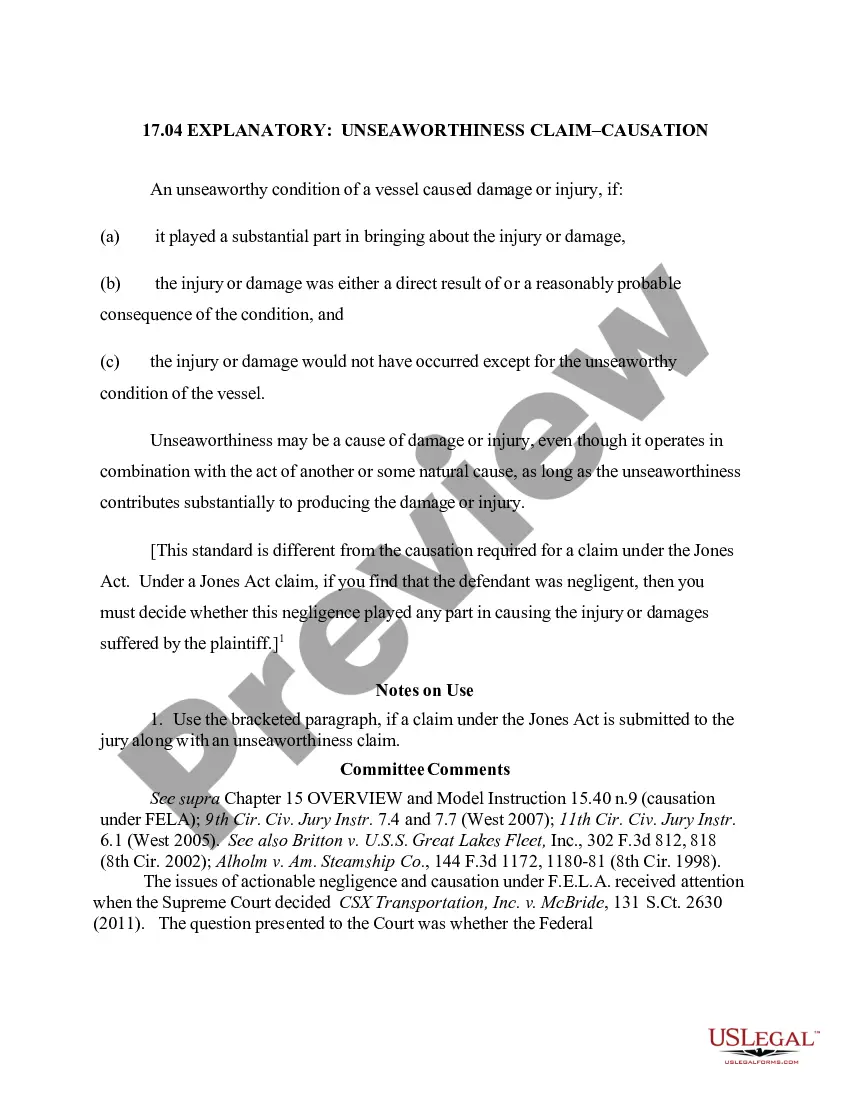
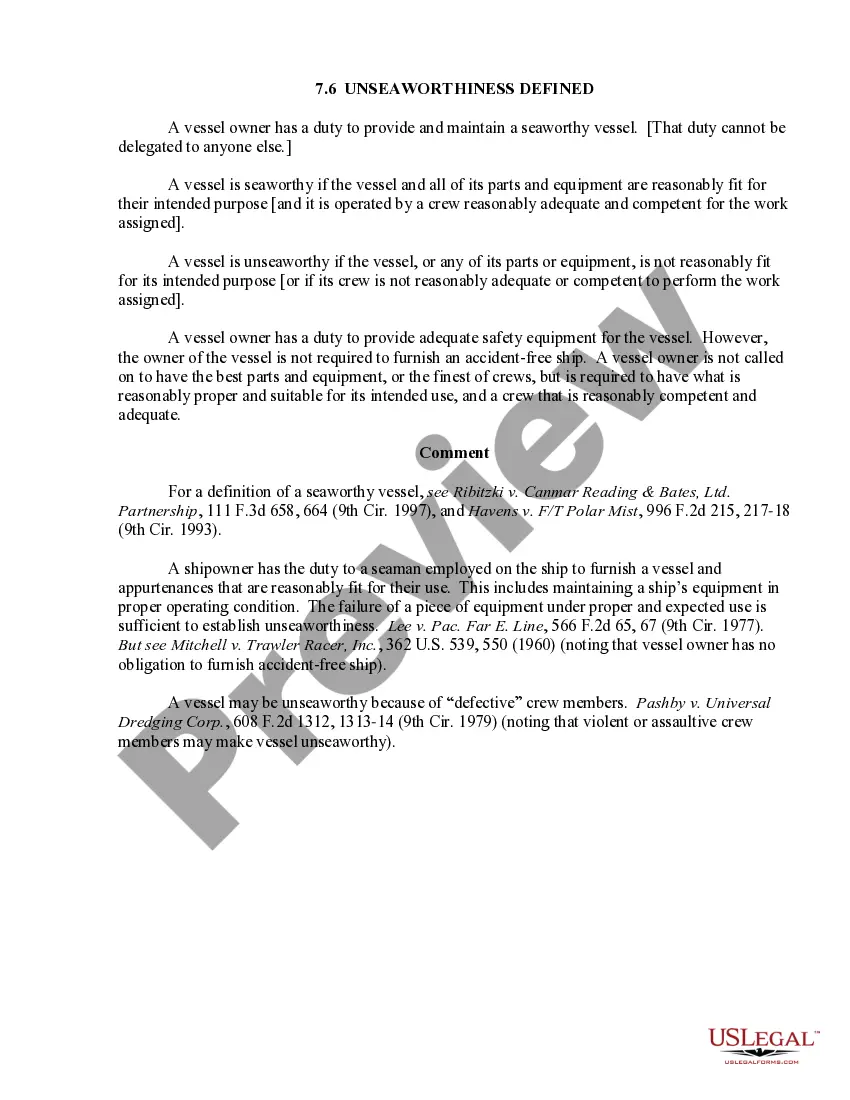
Unseaworthiness refers to a ship or vessel being not fit for its intended purpose. Think of it as trying to sail a leaky boat – it just won't get you where you need to go safely.