If changes are needed, it’s best to communicate openly and ideally put any changes in writing, so everyone is on the same wavelength.
Absolutely! Think of it as a conversation; if something doesn't sit right, discuss it until you reach a mutually beneficial understanding.
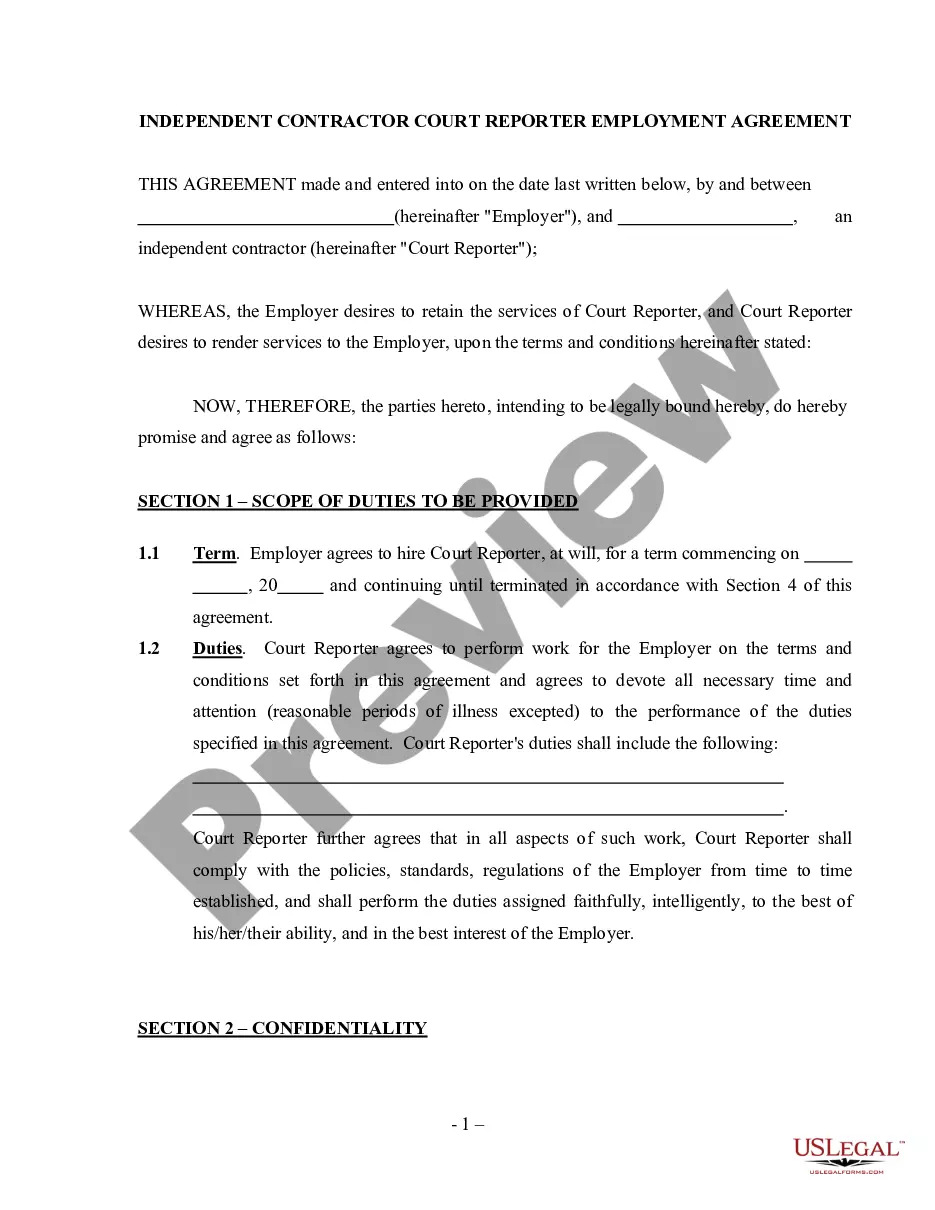
Include details like project scope, deadlines, payment terms, and confidentiality agreements to avoid any sticky situations down the line.
Proofreading is the final check for errors before publishing, while copy editing dives deeper into content structure and language improvement.
A copy editor focuses on improving text clarity, fixing grammar and punctuation, and ensuring that the writing flows well, so it reads like a breeze.
While not legally required, having a written agreement is a smart move. It helps to clear things up and keep everyone on the same page.
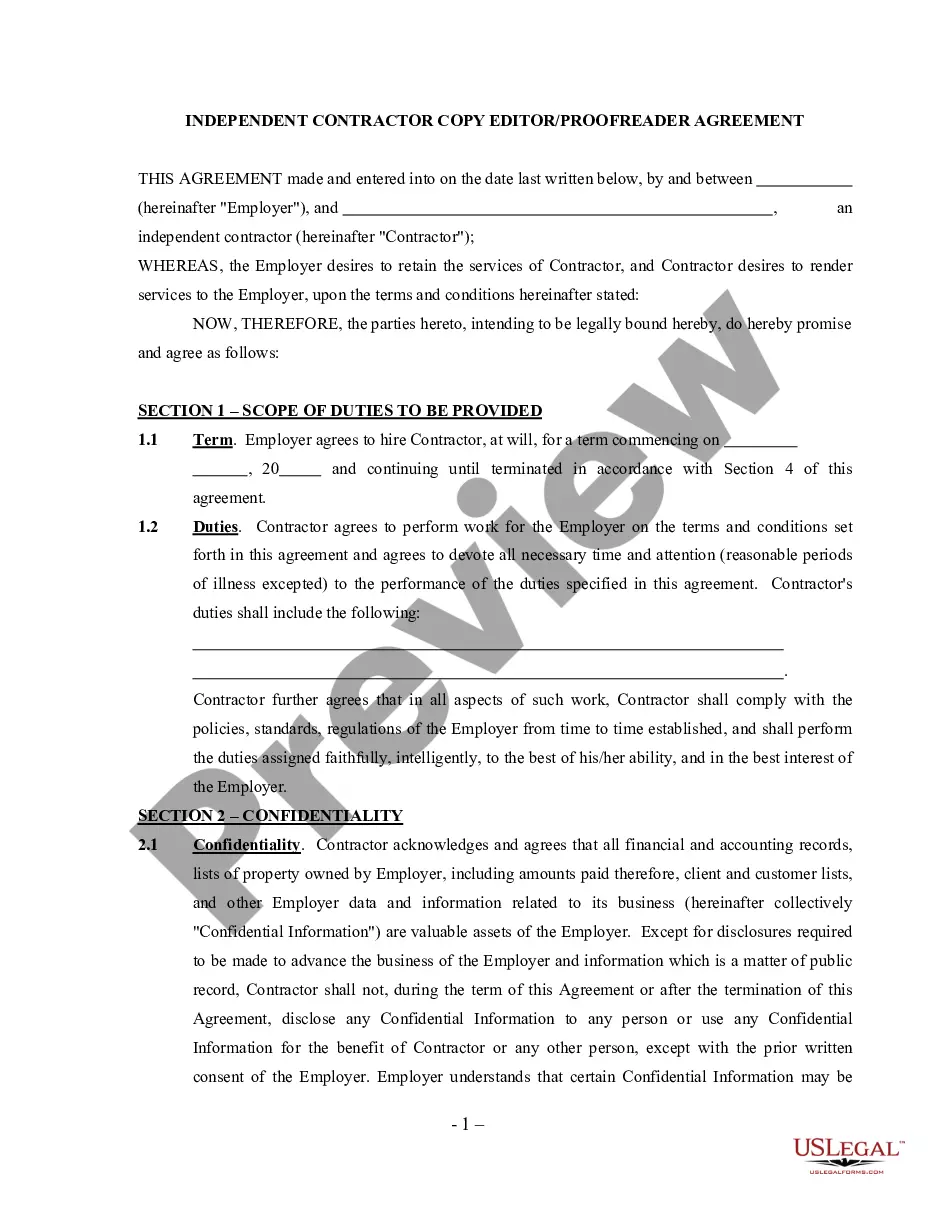
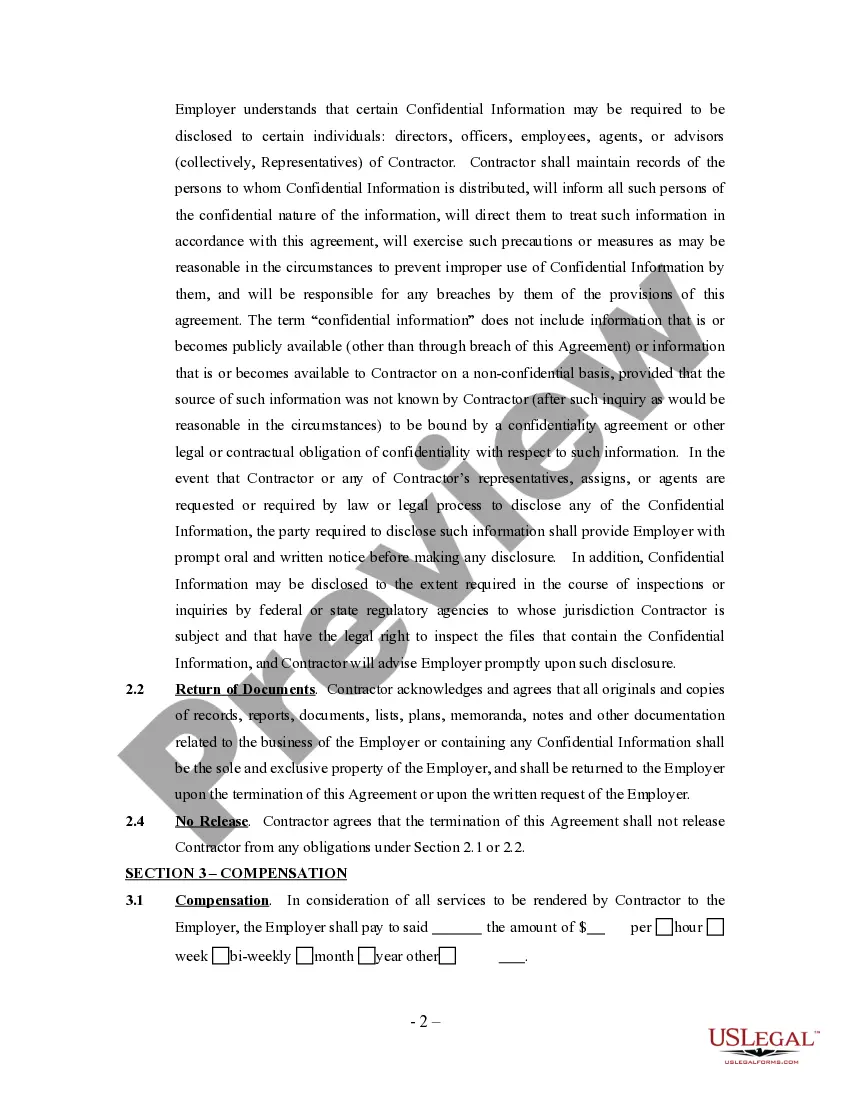
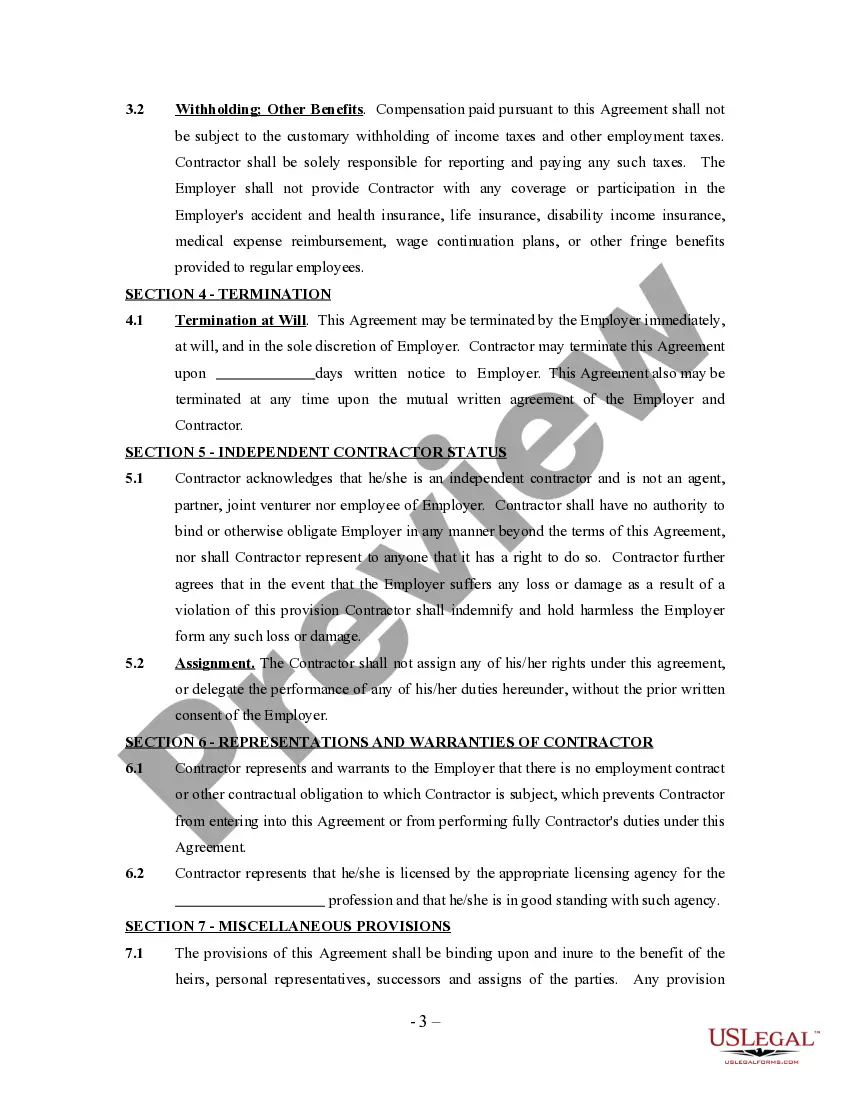
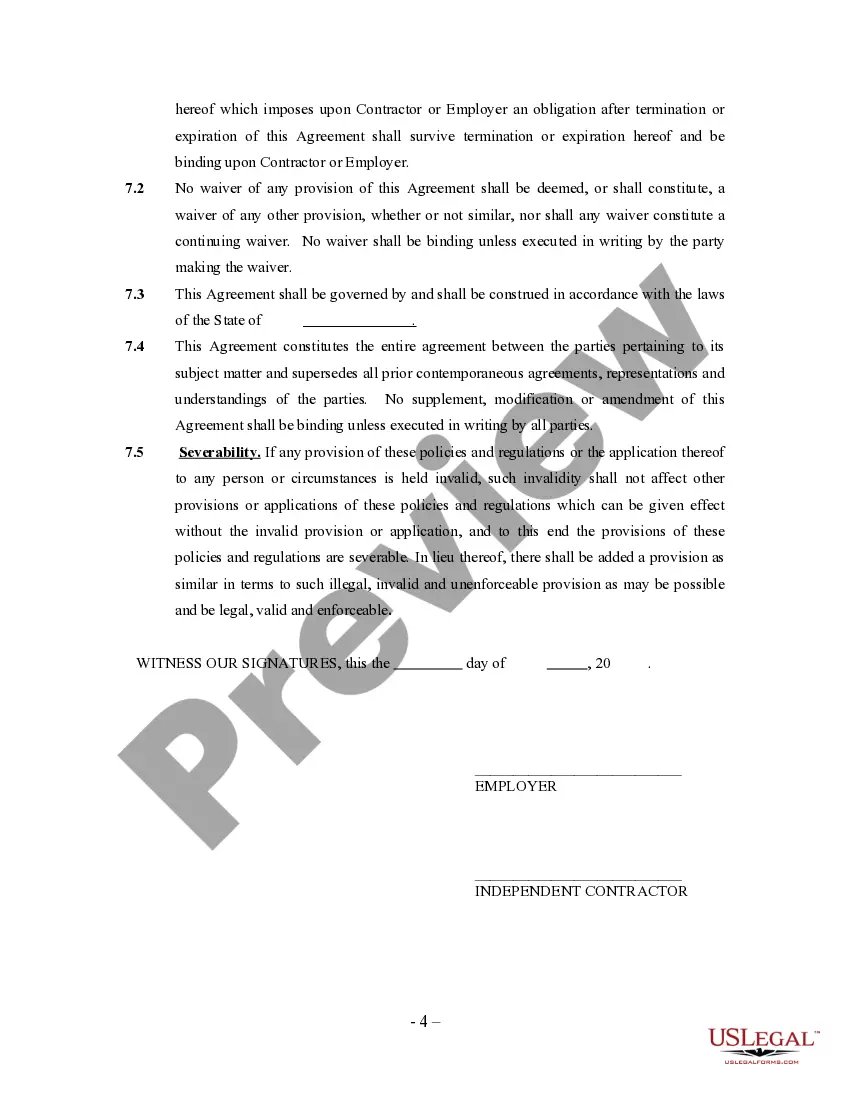
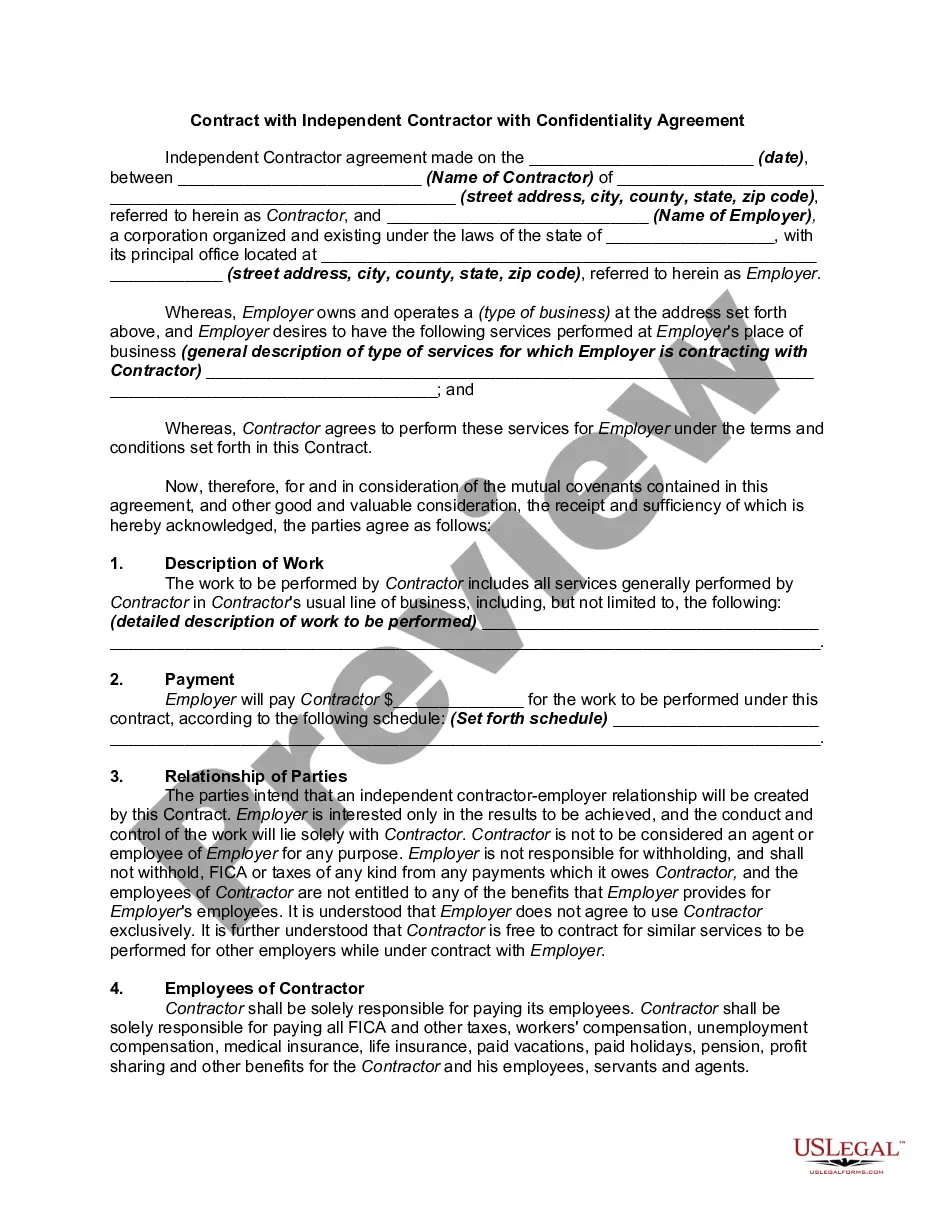
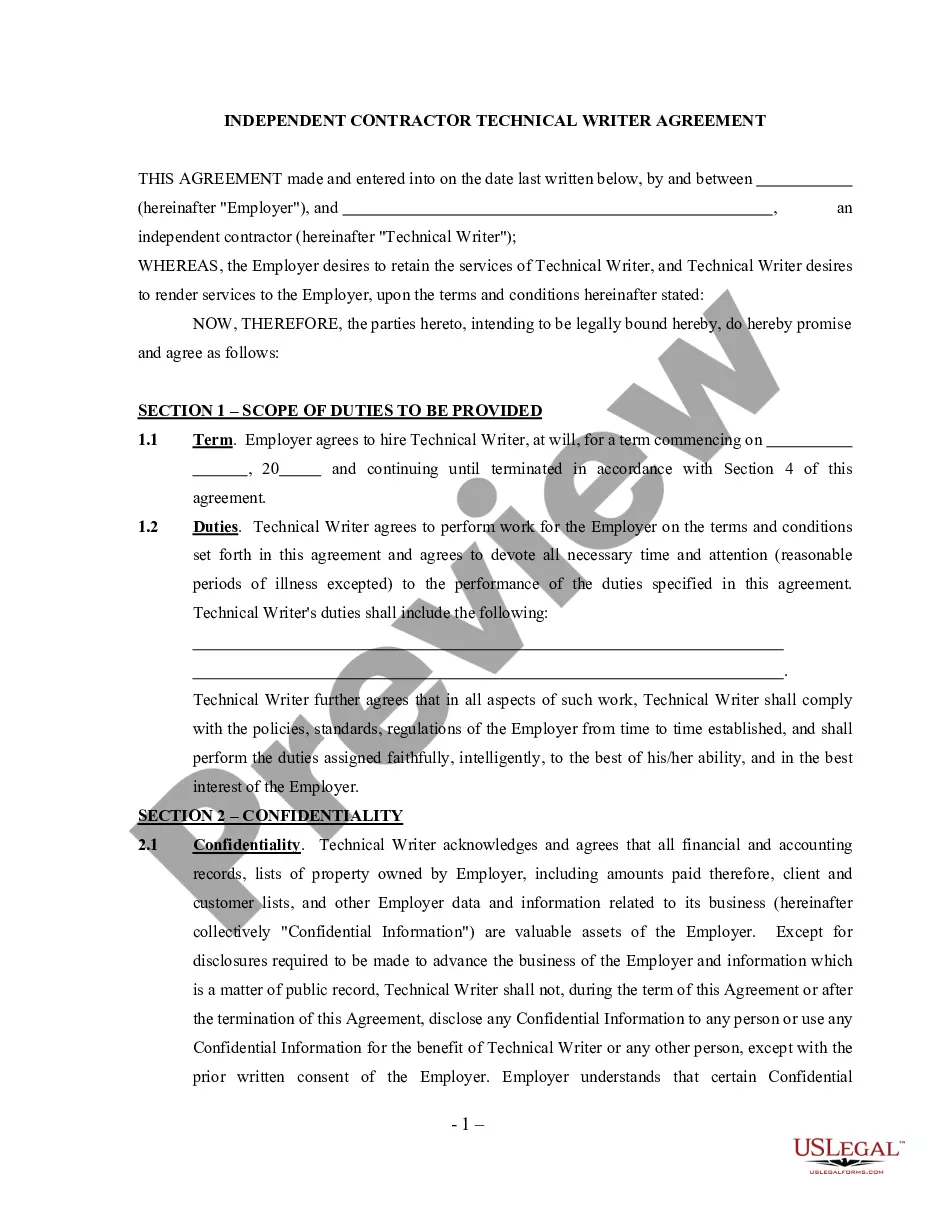
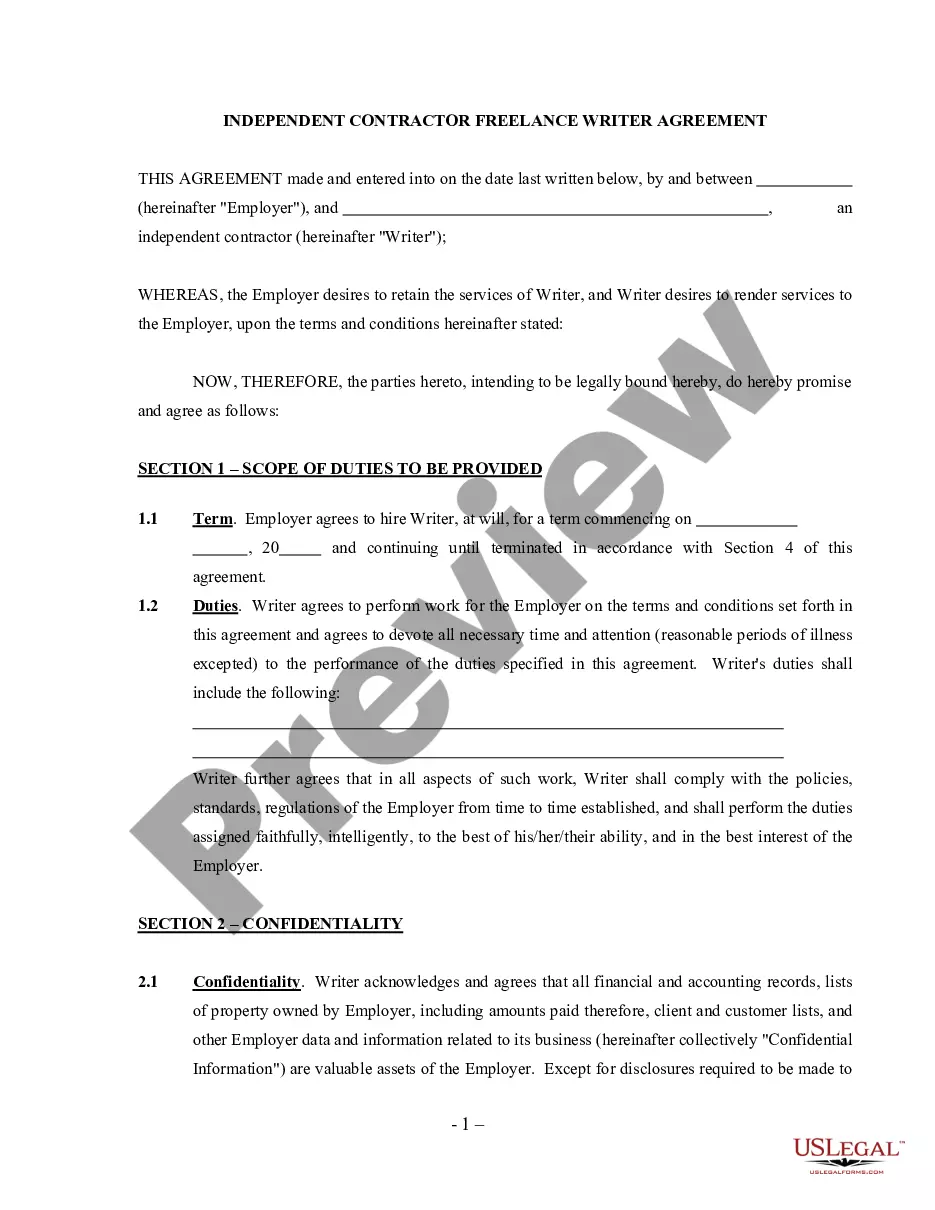
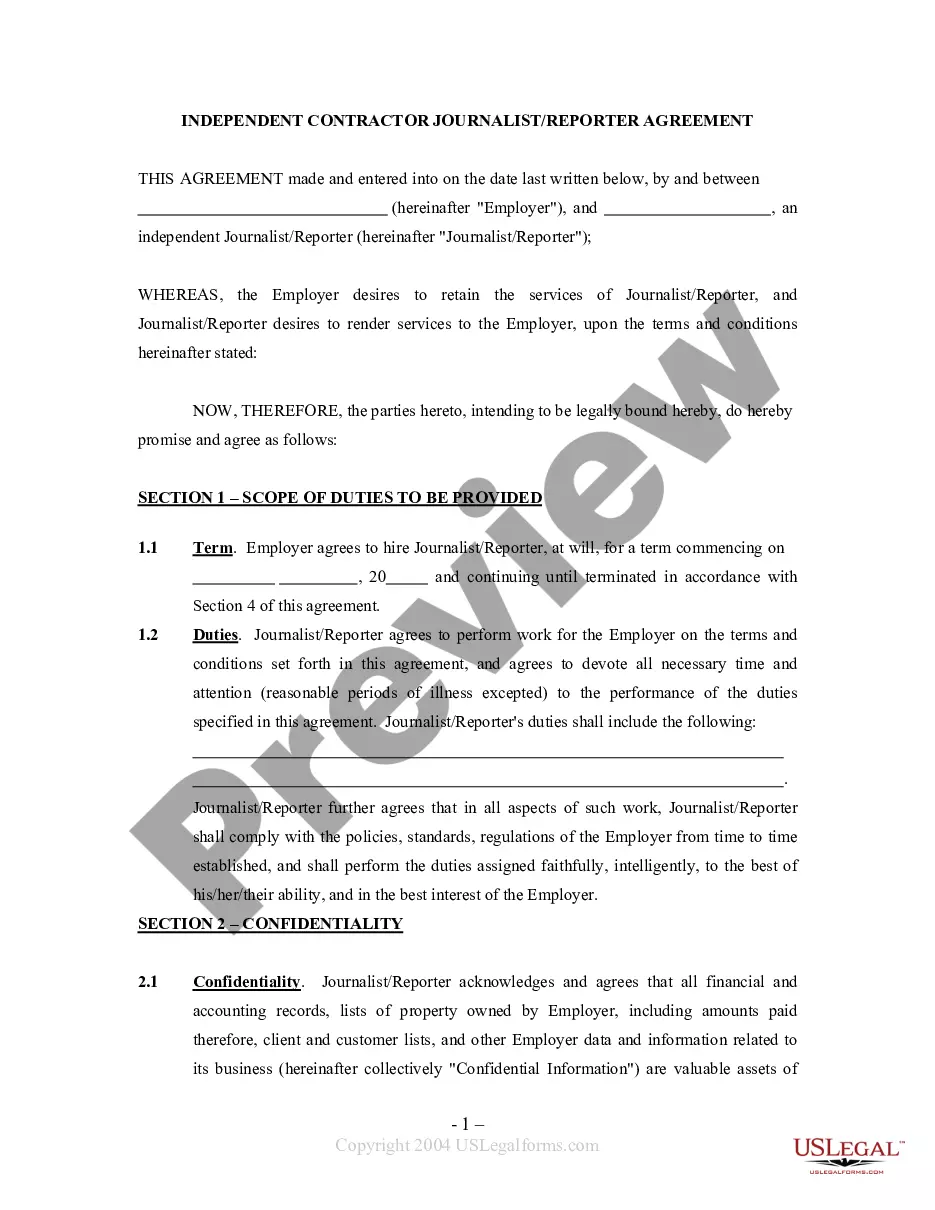
A Copy Editor and Proofreader Agreement is a contract between a freelance editor or proofreader and their client. It spells out the work to be done, deadlines, and other important details.