There isn't formal ongoing training, but connecting with other professionals in the field can provide valuable insights. It's always good to keep your ear to the ground!
It's a smart move to have insurance. It protects you and your work. Think of it as a safety net—you want to be covered if anything goes awry!
You'll likely encounter a variety of cases, from civil litigation to family law. Every day could bring something new, so be ready for a bit of variety!
Absolutely! As a self-employed researcher, you get to set your own hours. Just keep in mind that meeting deadlines is key. It's a balancing act, but you'll find your rhythm.
To get started, you'll want to reach out to the courthouse to express your interest. Make sure to show them what you've got in terms of skills and experience. It's all about making a good impression!
While there are no strict qualifications, having a background in law or research can be very helpful. It's like having a map when you're navigating unfamiliar territory.
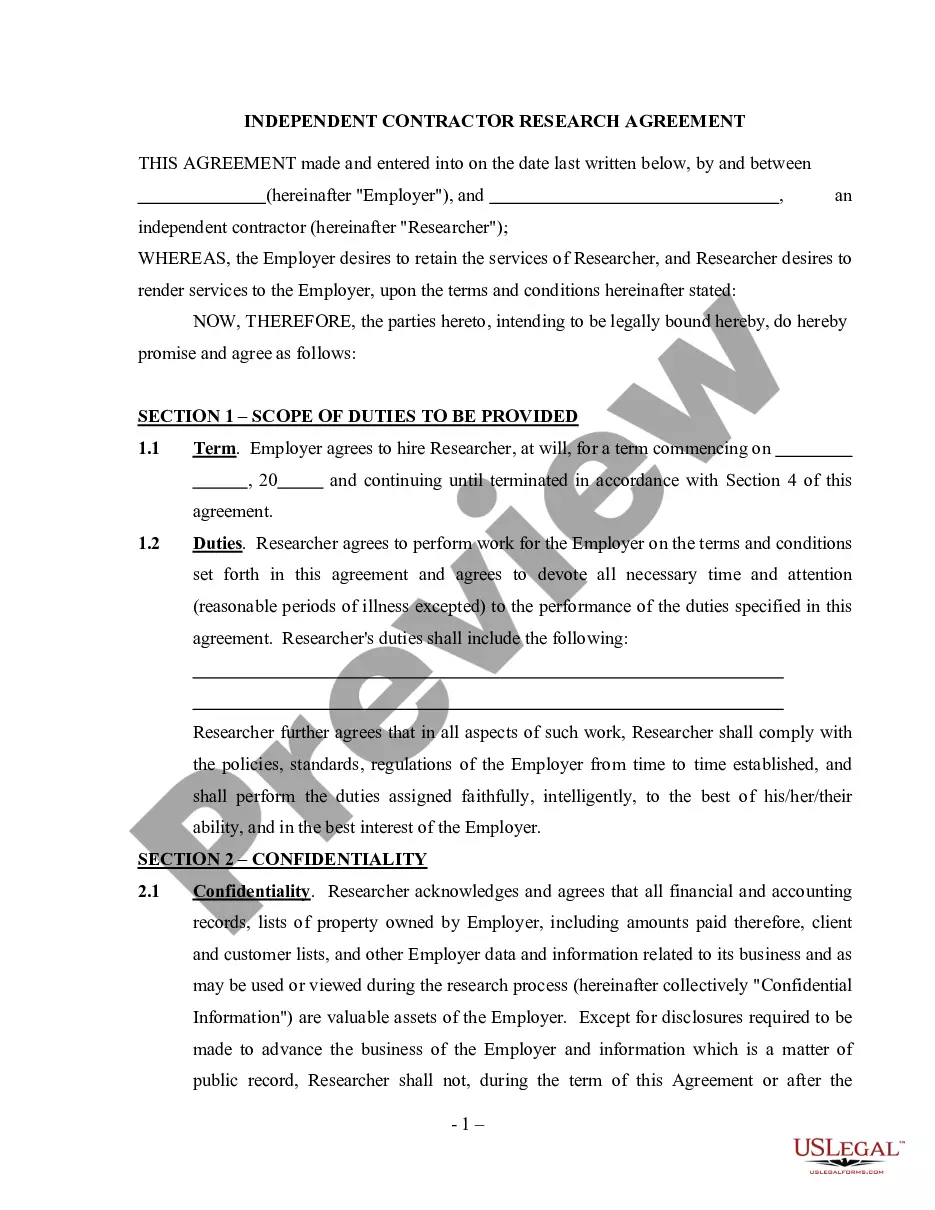
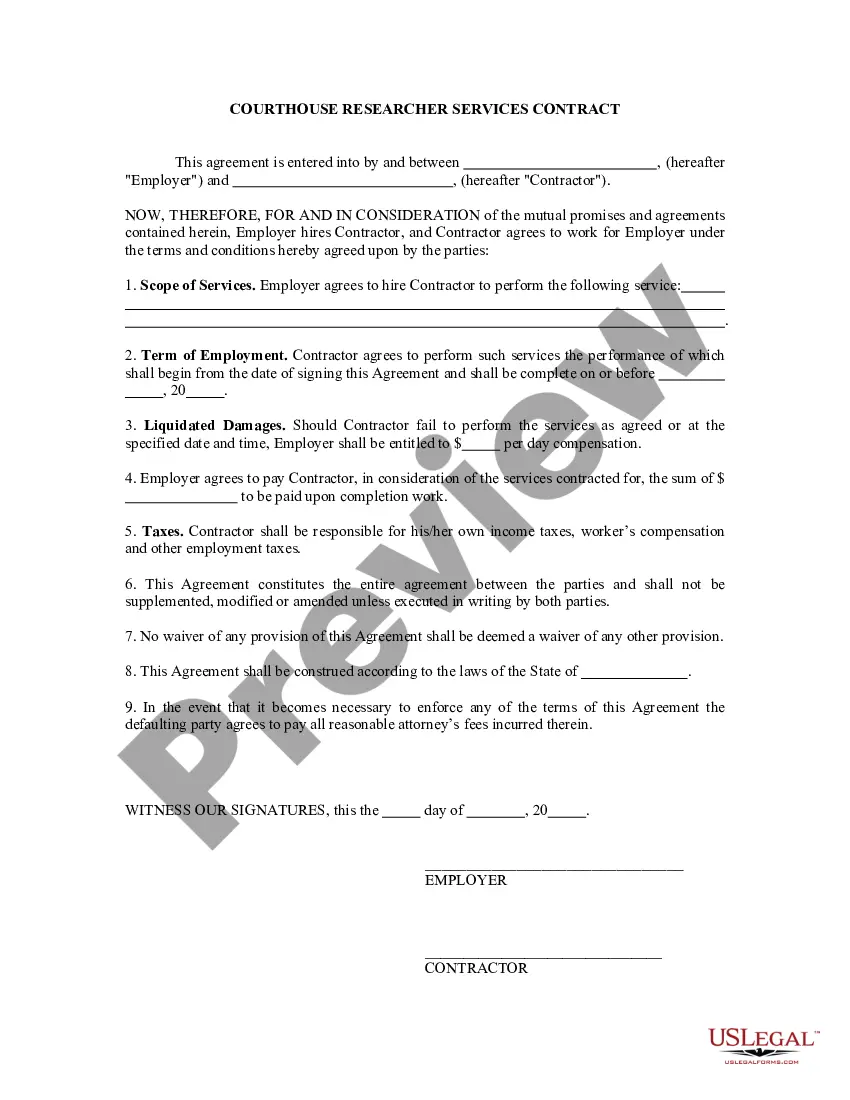
As a self-employed researcher, you can help with gathering legal documents, conducting case research, and providing support for attorneys and clients. It's all about digging into the details!