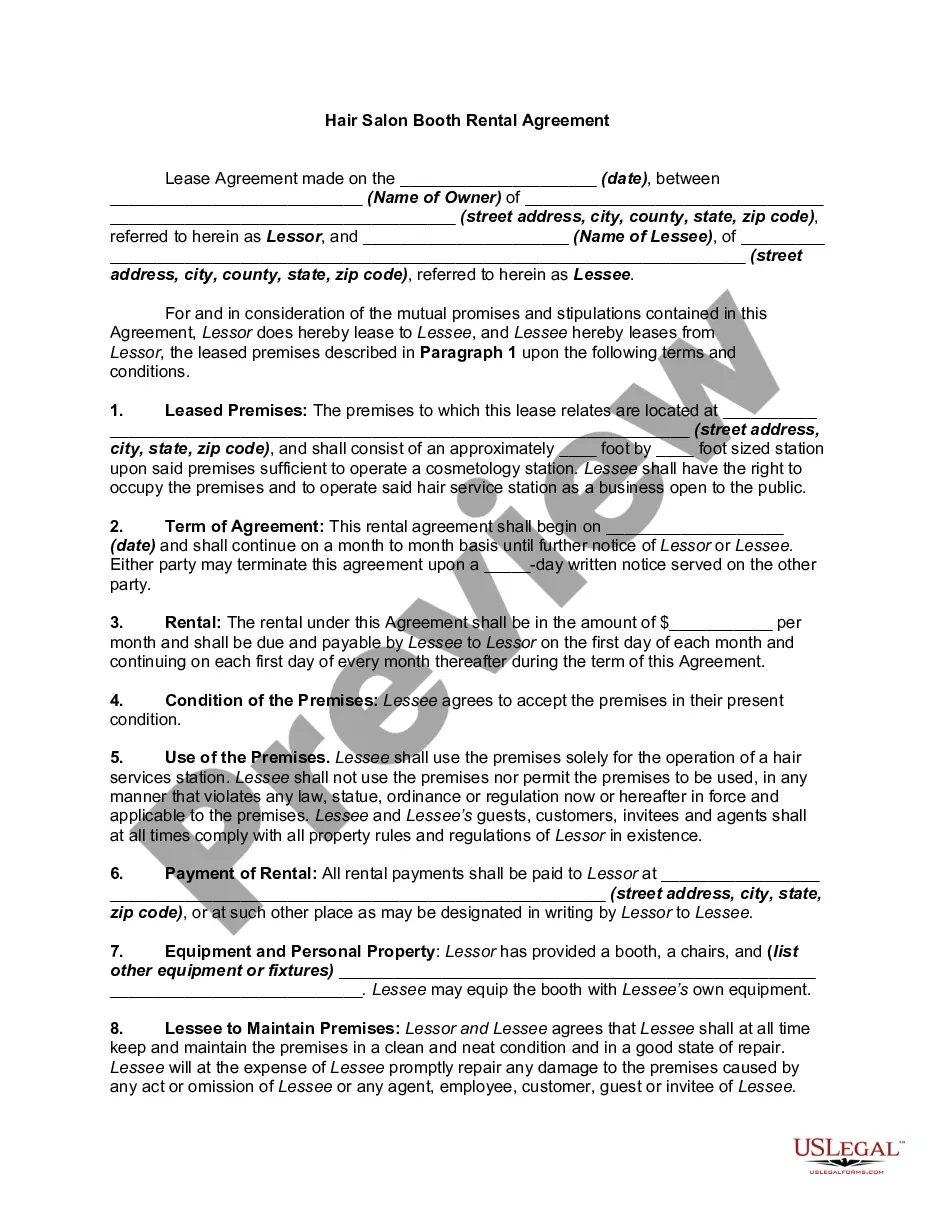
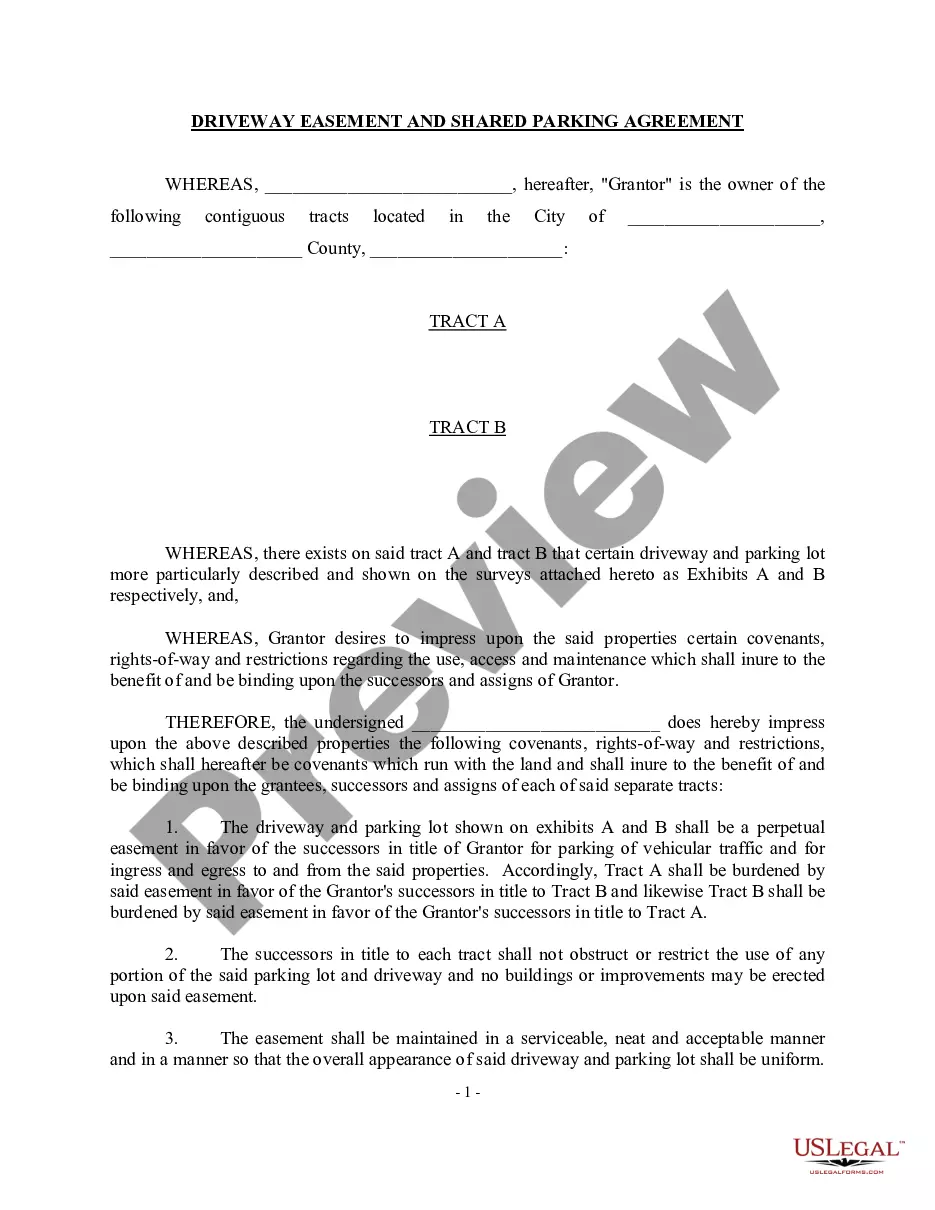
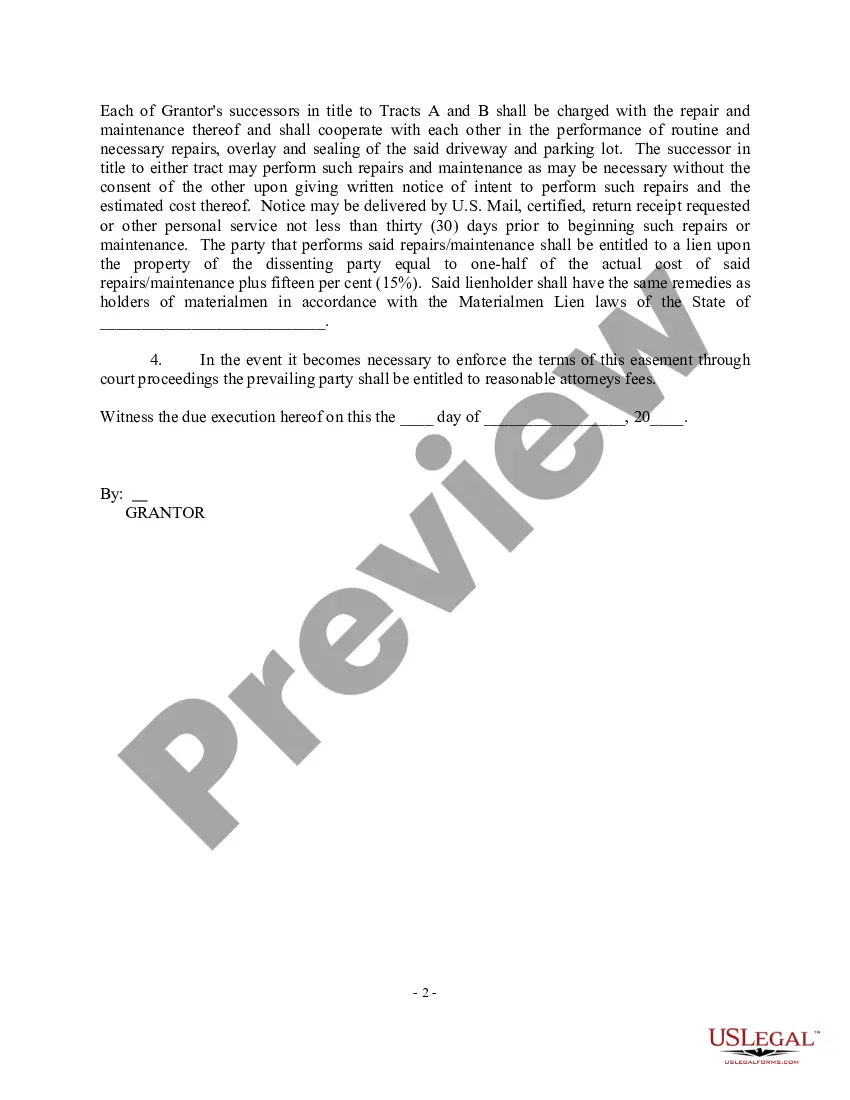
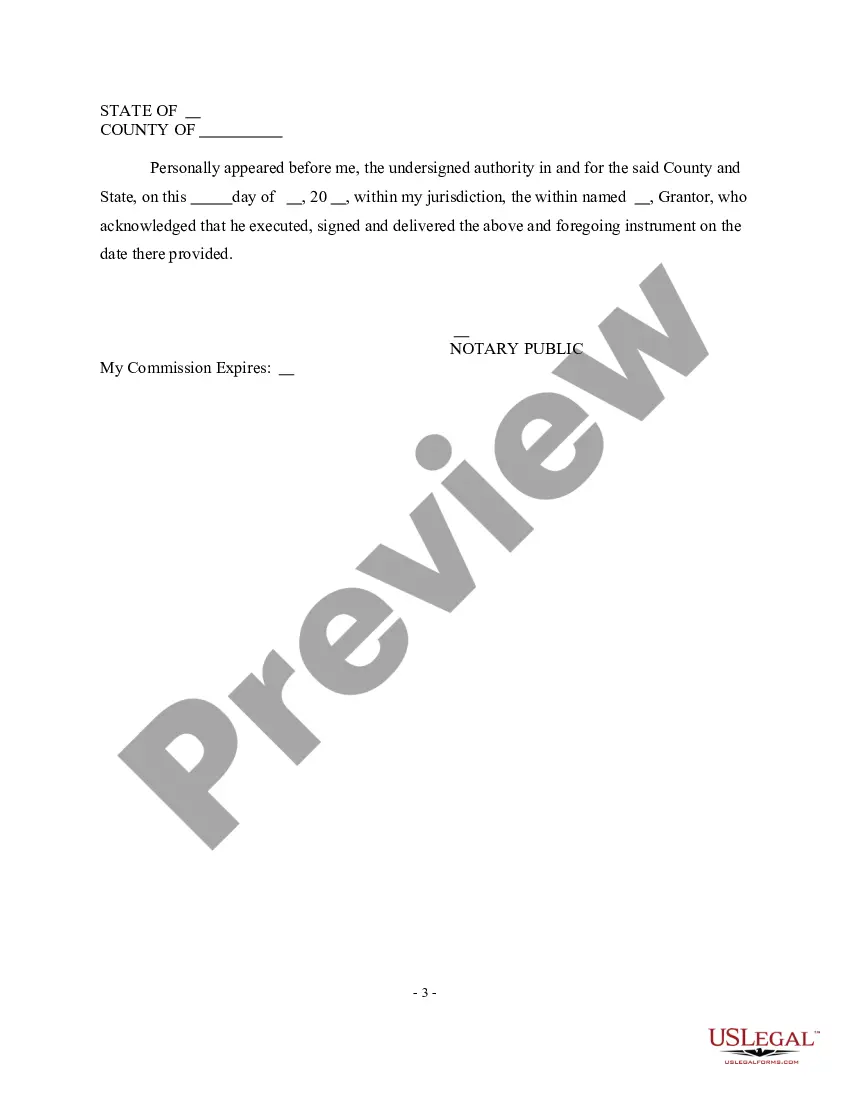
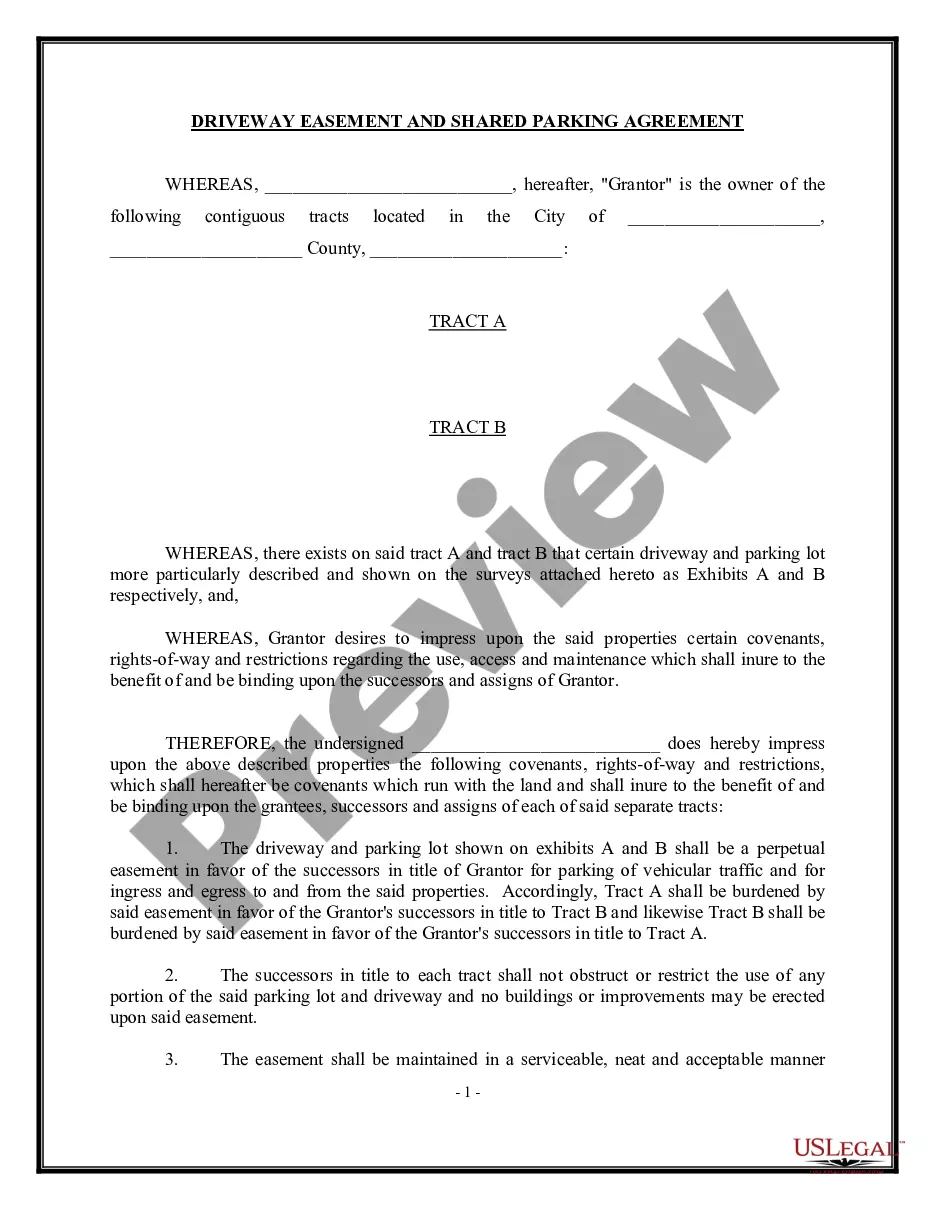
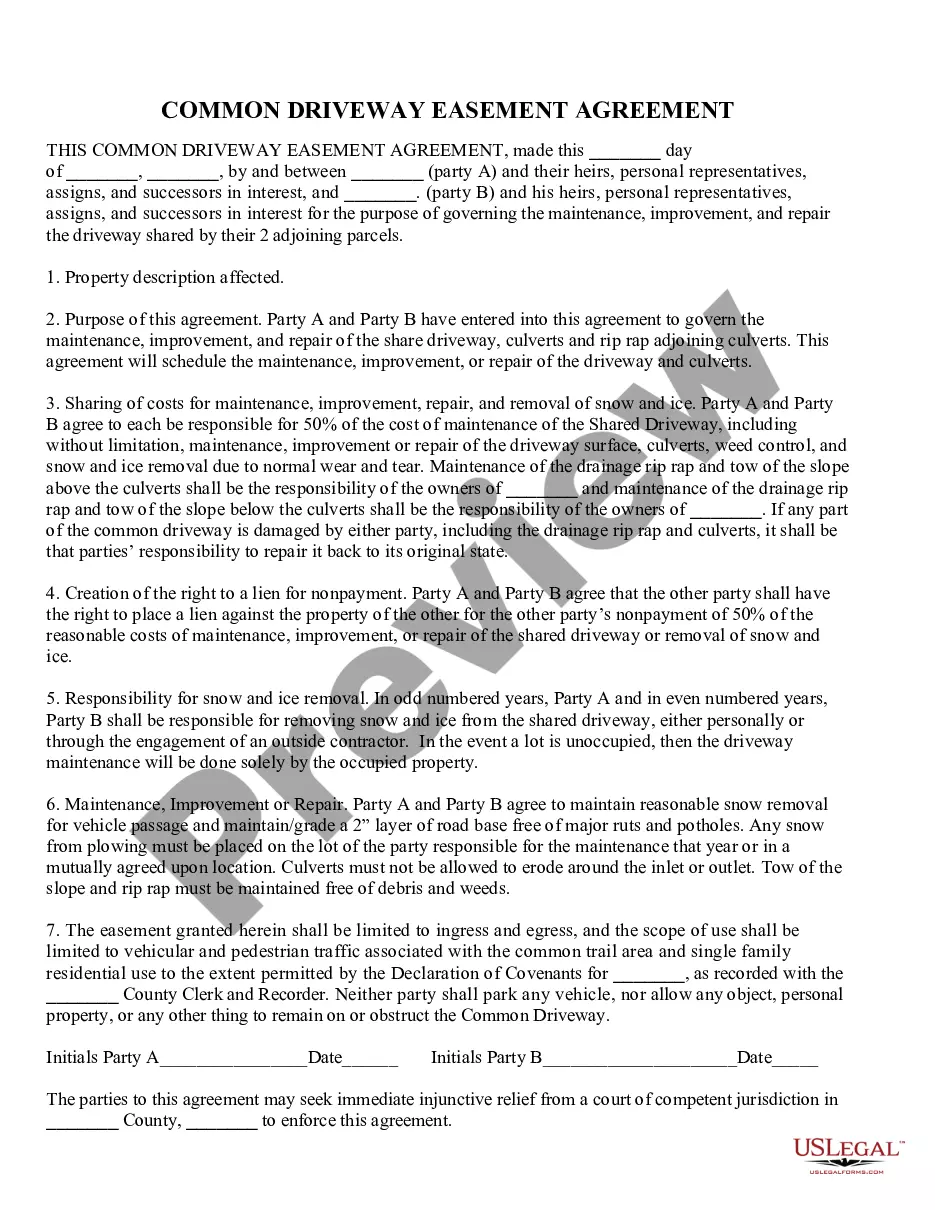
Easement and agreement between two properties for a right of way and restrictions for use, access and maintenance of a driveway and parking lot.
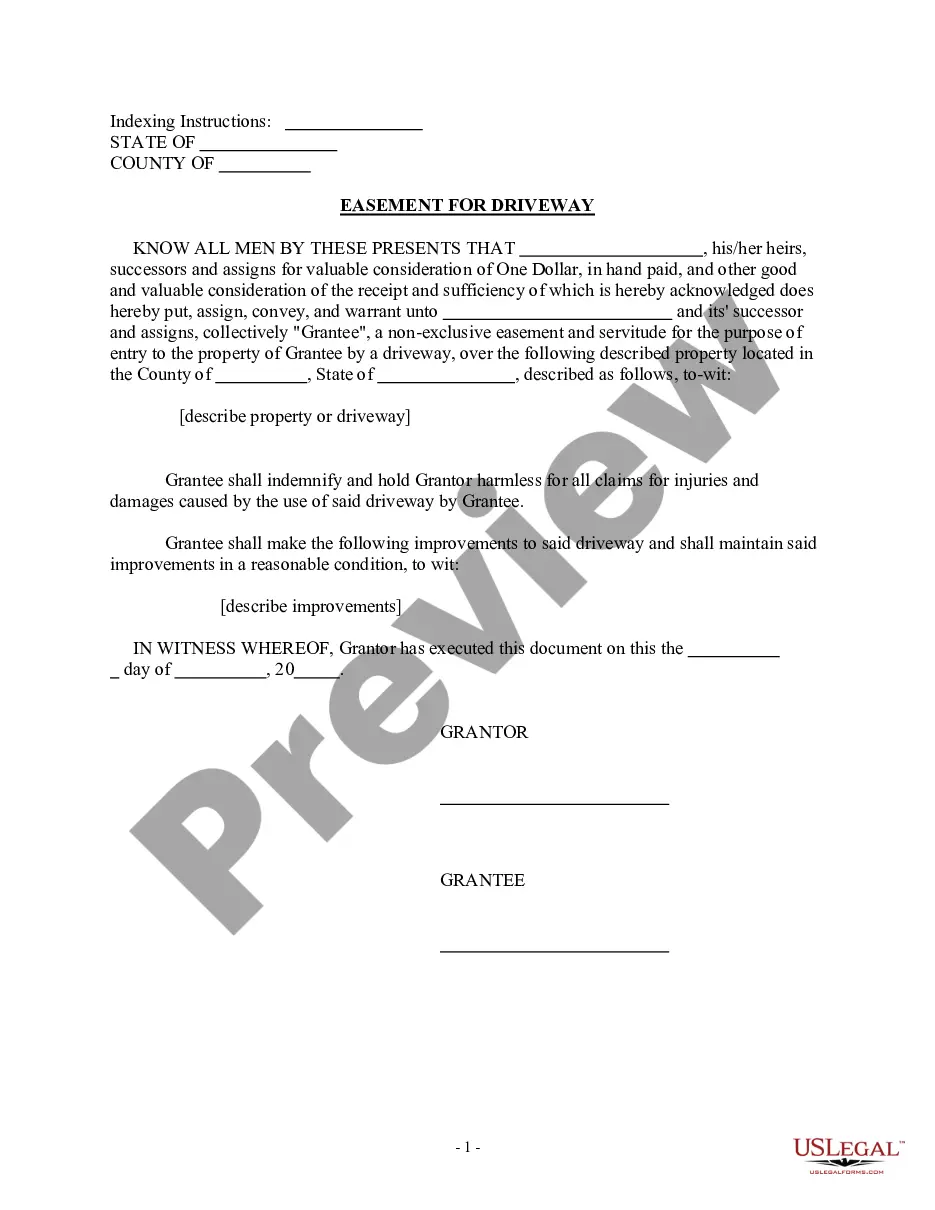
An easement gives one party the right to go onto another party's property. That property may be owned by a private person, a business entity, or a group of owners. Utilities often get easements that allow them to run pipes or phone lines beneath private property. Easements may be obtained for access to another property, called "access and egress", use of spring water, entry to make repairs on a fence or slide area, drive cattle across and other uses. The easement is a real property interest, but separate from the legal title of the owner of the underlying land.
In the case of a driveway easement, it allows the person who is the beneficiary of the easement to cross the "servient" property. The land which receives the benefit of the easement is called the "dominant" property or estate. A driveway easement may be created by recording a deed that states, for example, that one neighbor owns the driveway to the halfway point, but has an easement or right of way to use the remainder; however, the adjoining home owns the other half of the driveway, with a right-of-way with respect to the portion the neighbor owns. An easement may be claimed by prescription for the use of the driveway. This requires proof that your neighbor willingly abandoned his use of the driveway during the adverse period when you and your predecessor in title enjoyed the exclusive use of the driveway. Easements should describe the extent of the use, as well as the easement location and boundaries. For example, if an easement is created for the driveway for one house, the owner of the easement cannot turn his house into a hotel with many cars travelling over the easement if the easement was intended for use by a single family.
Tarrant Texas Driveway Easement and Shared Parking Agreement
State:
Multi-State
County:
Tarrant
Control #:
US-EAS-33
Format:
Word;
Rich Text
210 downloads
Description
Free preview
Get your form ready online
Our built-in tools help you complete, sign, share, and store your documents in one place.
Built-in online Word editor
Make edits, fill in missing information, and update formatting in US Legal Forms—just like you would in MS Word.
Export easily
Download a copy, print it, send it by email, or mail it via USPS—whatever works best for your next step.
E-sign your document
Sign and collect signatures with our SignNow integration. Send to multiple recipients, set reminders, and more. Go Premium to unlock E-Sign.
Notarize online 24/7
If this form requires notarization, complete it online through a secure video call—no need to meet a notary in person or wait for an appointment.
Store your document securely
We protect your documents and personal data by following strict security and privacy standards.

Make edits, fill in missing information, and update formatting in US Legal Forms—just like you would in MS Word.

Download a copy, print it, send it by email, or mail it via USPS—whatever works best for your next step.

Sign and collect signatures with our SignNow integration. Send to multiple recipients, set reminders, and more. Go Premium to unlock E-Sign.

If this form requires notarization, complete it online through a secure video call—no need to meet a notary in person or wait for an appointment.

We protect your documents and personal data by following strict security and privacy standards.
Looking for another form?









How to fill out Driveway Easement And Shared Parking Agreement?
A paperwork routine consistently accompanies any legal endeavor you undertake.
Establishing a business, applying for or accepting a job position, transferring ownership, and various other life situations require you to prepare formal paperwork that varies across the nation.
This is why gathering it all in one location is incredibly advantageous.
US Legal Forms is the largest online repository of current federal and state-specific legal documents.
This is the easiest and most reliable method to acquire legal documentation. All the templates offered by our library are professionally crafted and verified for compliance with local laws and regulations. Prepare your paperwork and manage your legal affairs efficiently with US Legal Forms!
- On this site, you can effortlessly locate and acquire a document for any personal or commercial purpose related to your area, including the Tarrant Driveway Easement and Shared Parking Agreement.
- Finding templates on the site is extraordinarily straightforward.
- If you are already subscribed to our library, Log In to your account, search for the sample using the search bar, and click Download to save it on your device.
- Subsequently, the Tarrant Driveway Easement and Shared Parking Agreement will be available for future use in the My documents section of your profile.
- If it's your first time using US Legal Forms, adhere to this quick guide to obtain the Tarrant Driveway Easement and Shared Parking Agreement.
- Ensure you have accessed the correct page containing your local form.
- Use the Preview mode (if accessible) to peruse the template.
- Review the description (if available) to verify that the template fulfills your needs.
- Look for an alternative document using the search feature if the sample does not meet your requirements.
Form popularity
FAQ
How to Get Rid of Real Estate Easements Quiet the Title. Allow the Purpose for the Easement to Expire. Abandon the Easement. Stop Using a Prescriptive Easement. Destroy the Reason for the Easement. Merge the Dominant and Servient Properties. Execute a Release Agreement.
Jones, 578 S.W. 2d 669 (Tex. 1974). The easement use must be uninterrupted and continuous for a period of at least 10 years.
A Any substantial interference with a right of way is a nuisance in common law. The owner of the right (known as the dominant owner) can apply to court for an injunction and damages if the landowner (or servient owner) blocks it.
Cross access is the consolidation of access points to improve safety and access to properties. Entrances between abutting properties can be combined into one at a break in the raised curb median to allow left turns into and out of the properties, depending on the location.
There are eight ways to terminate an easement: abandonment, merger, end of necessity, demolition, recording act, condemnation, adverse possession, and release.
An easement is a means by which a landowner grants another person the right to use the landowner's property for a specific purpose. The land on which the easement is granted is referred to as the servient estate, and the land the easement benefits is referred to as the dominant estate.
If the easement either contains no language related to maintenance (or is not written at all), the default rule is that the dominant estate owner (meaning the person who was granted the easement) is required to adequately maintain the easement at no cost to the servient estate owner (the easement grantor).
For the most part, a property owner can't block an easement if it was already mentioned in the property's deed. If the property owner tries to contest the easement's boundaries, then it's a good idea to have a property survey conducted by a reputable local company in Guadalupe County, TX.