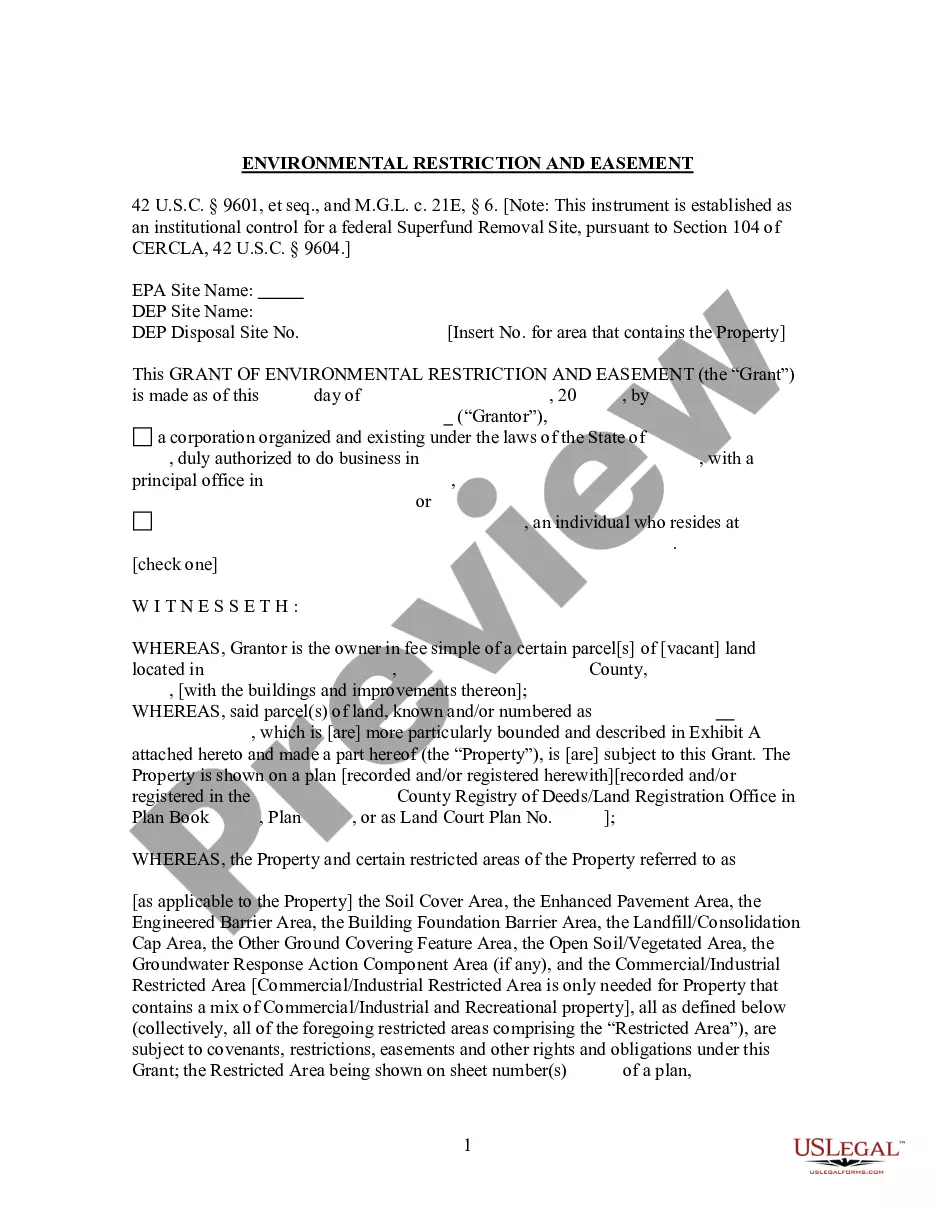
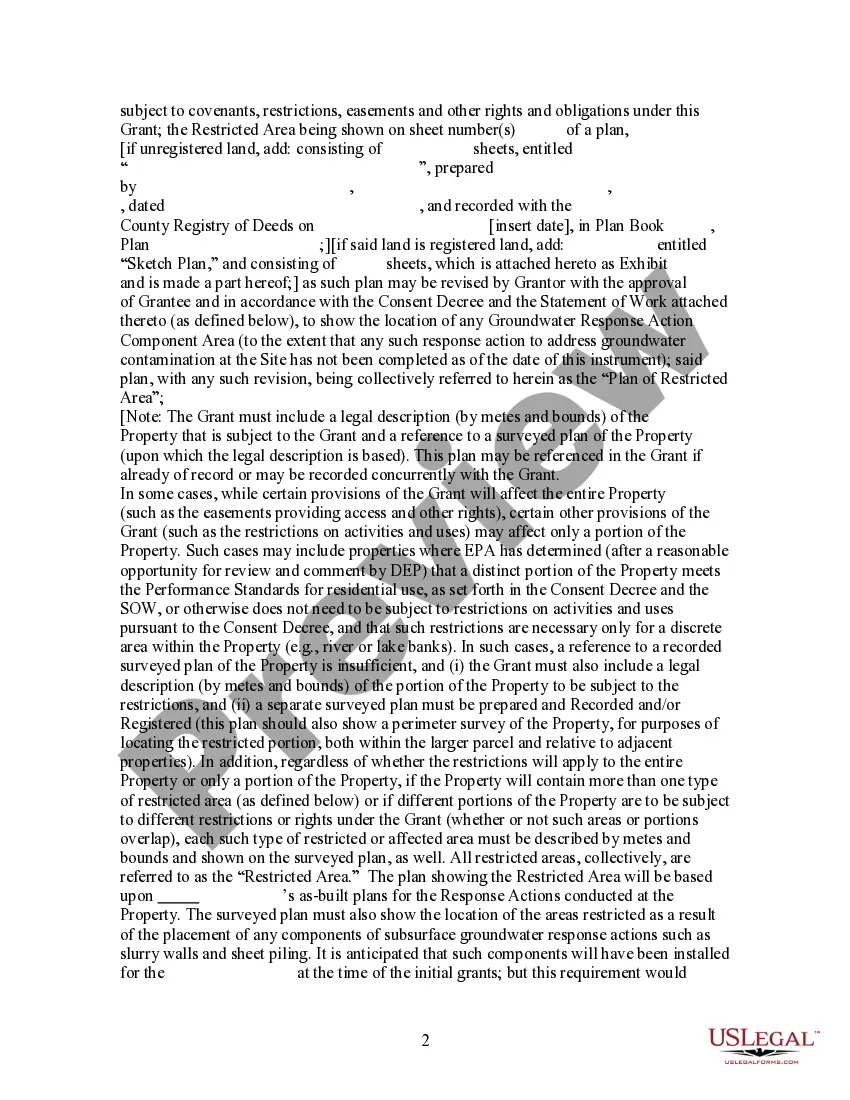
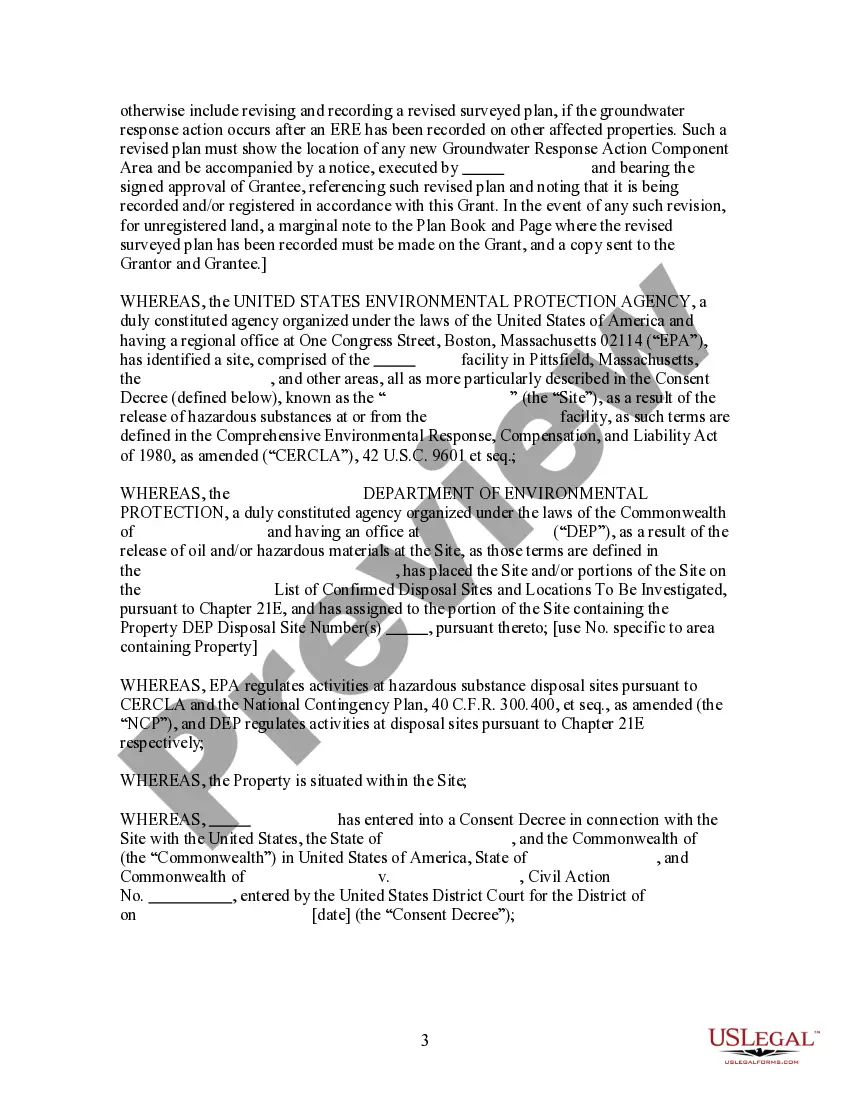
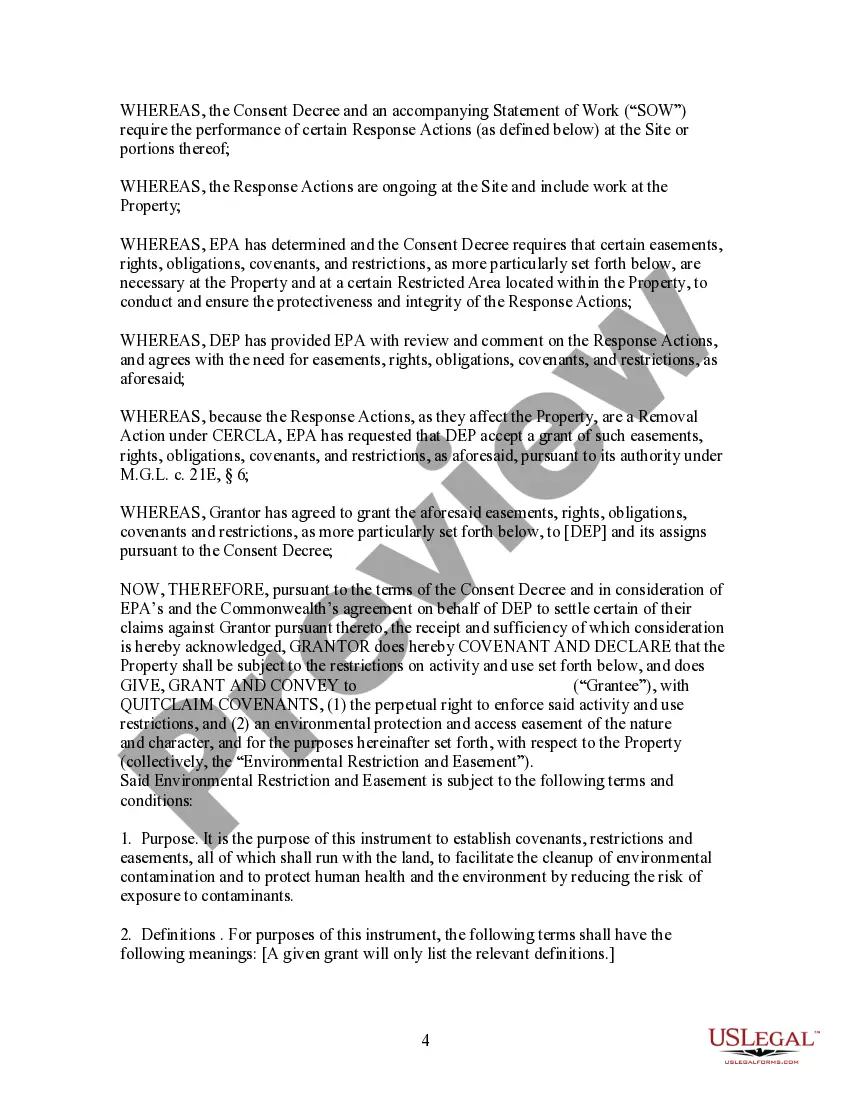
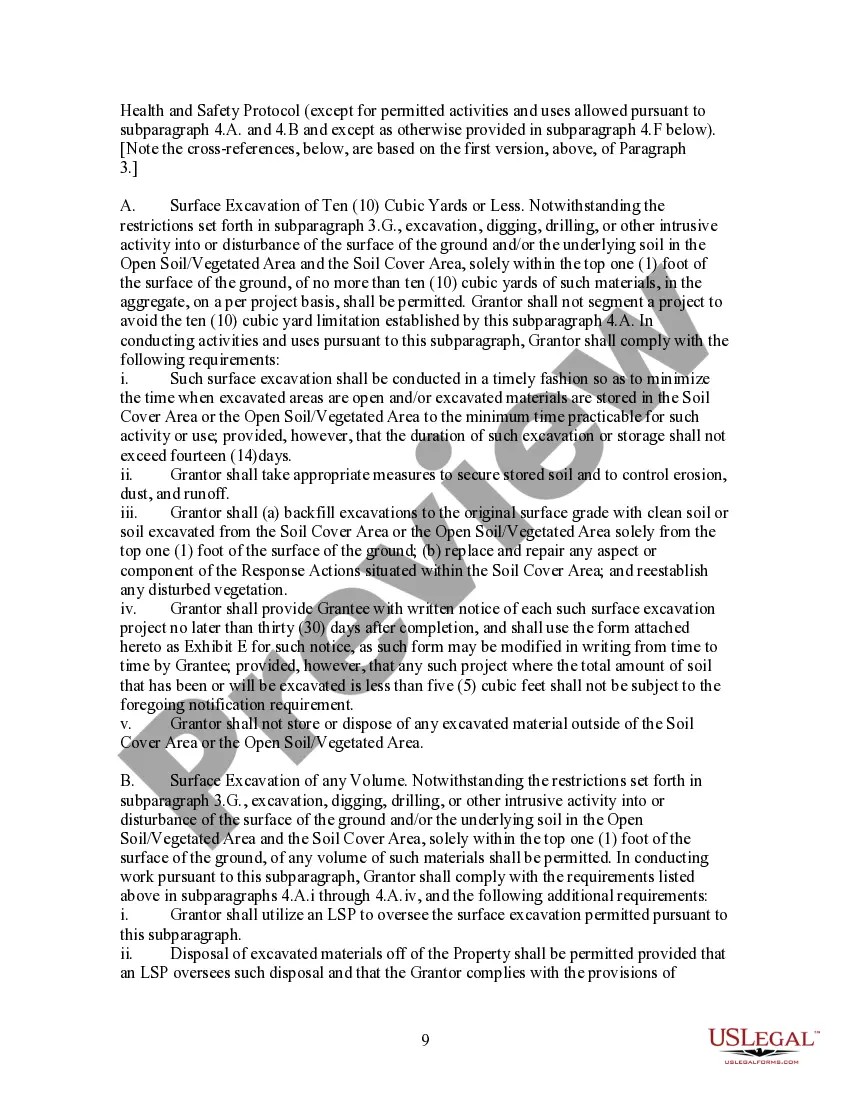
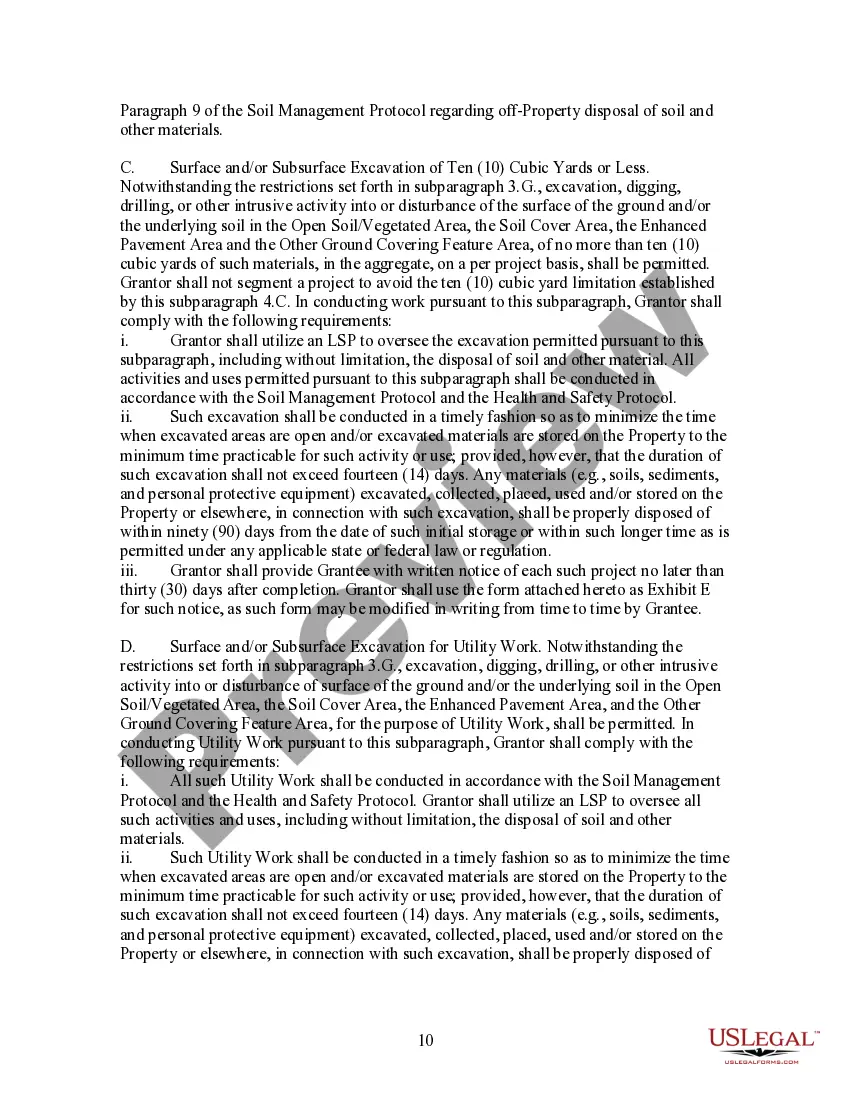
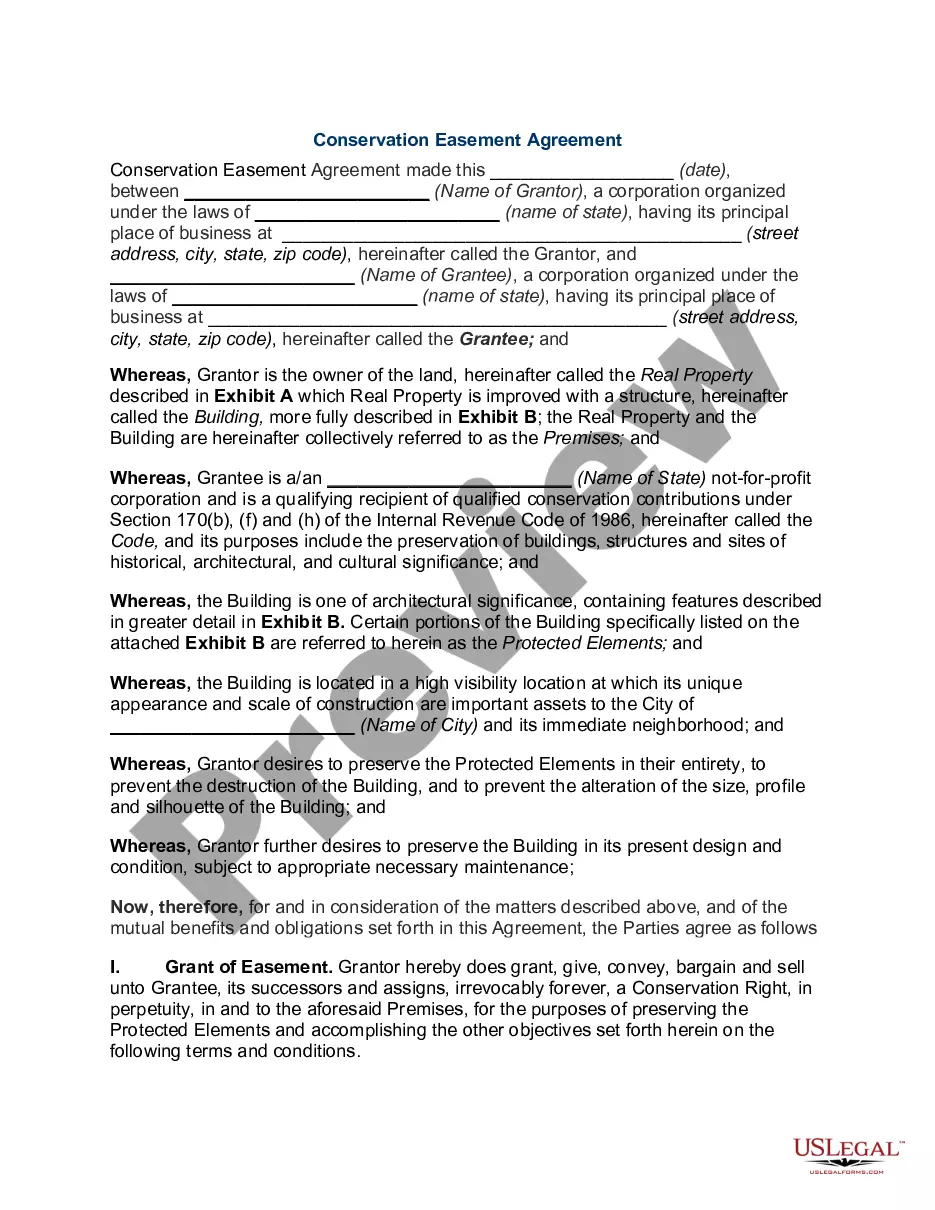
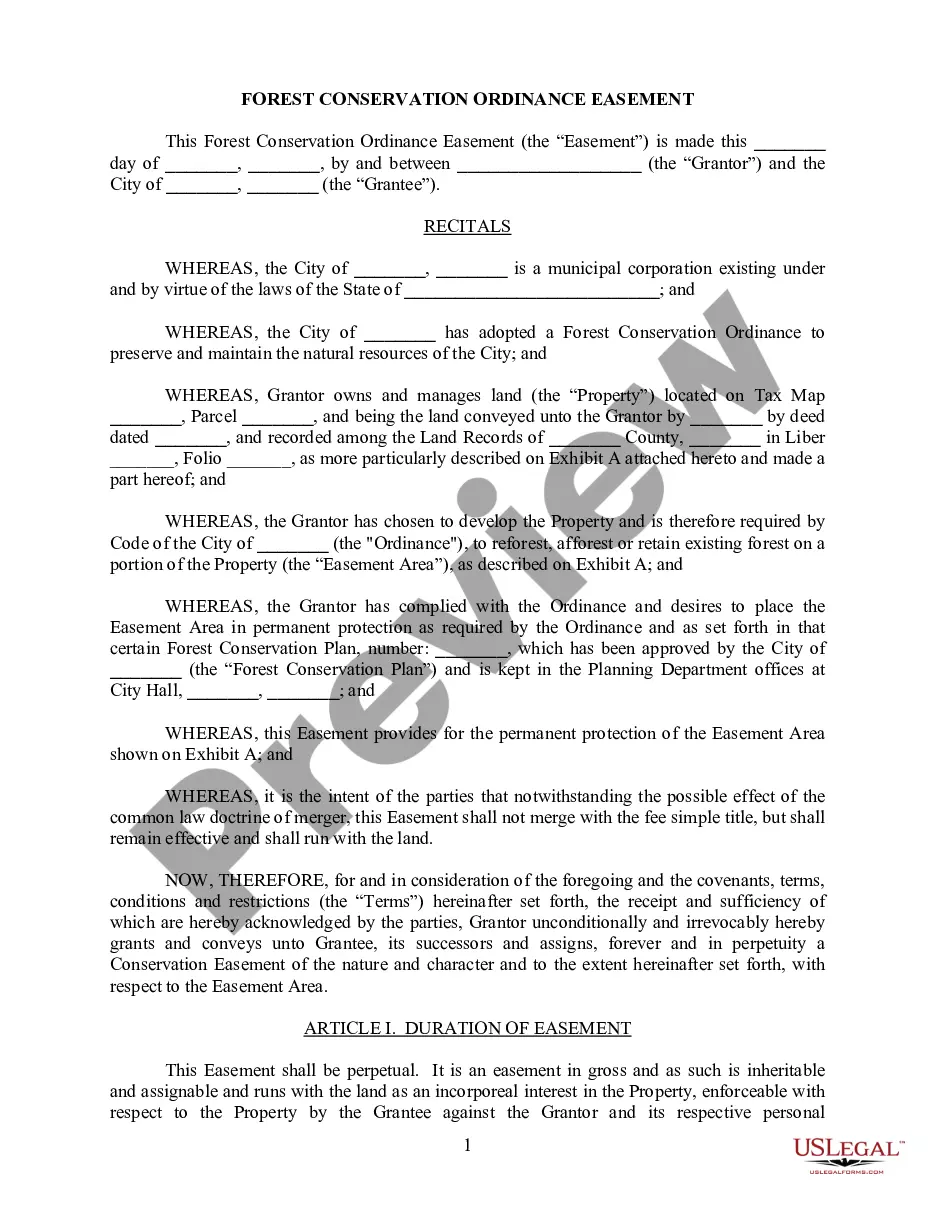
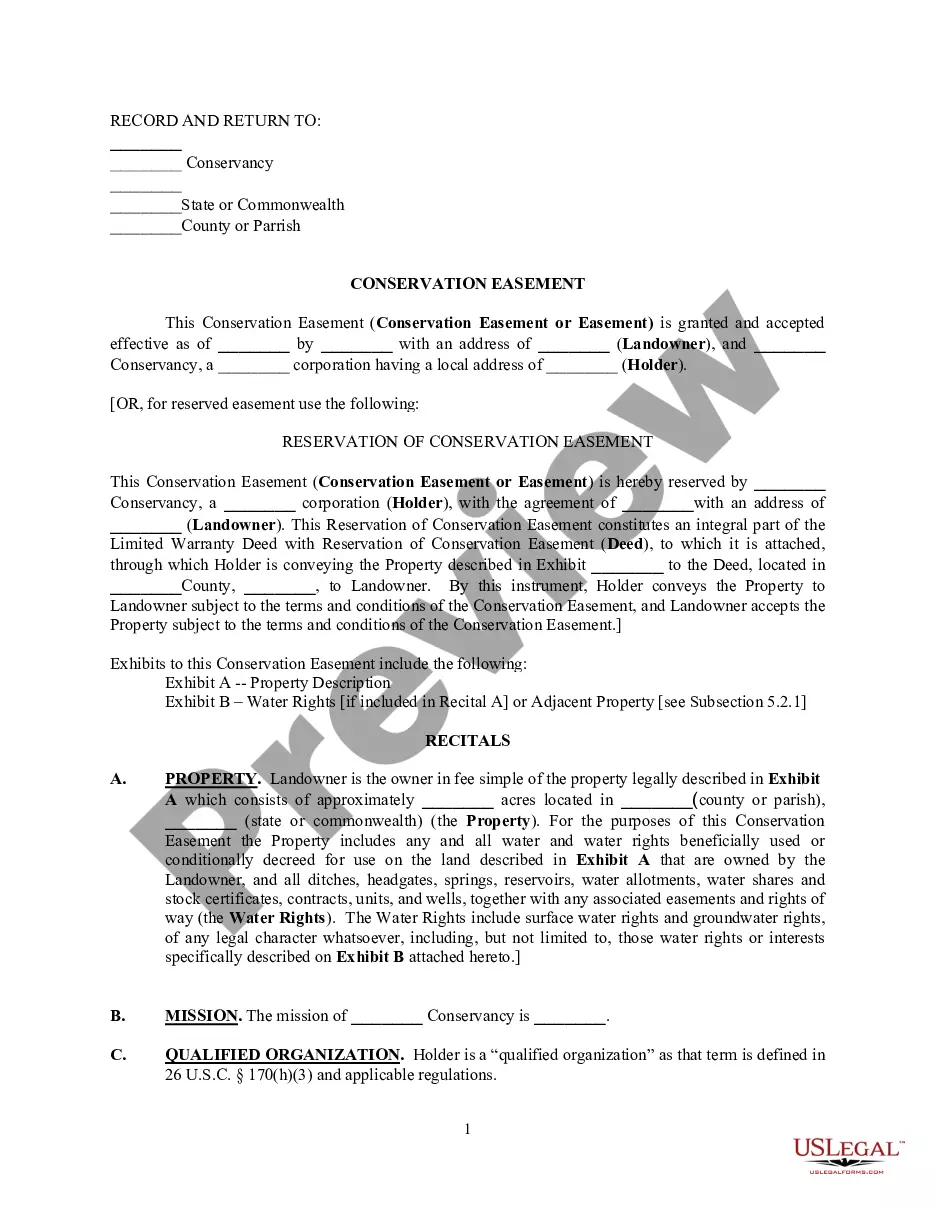
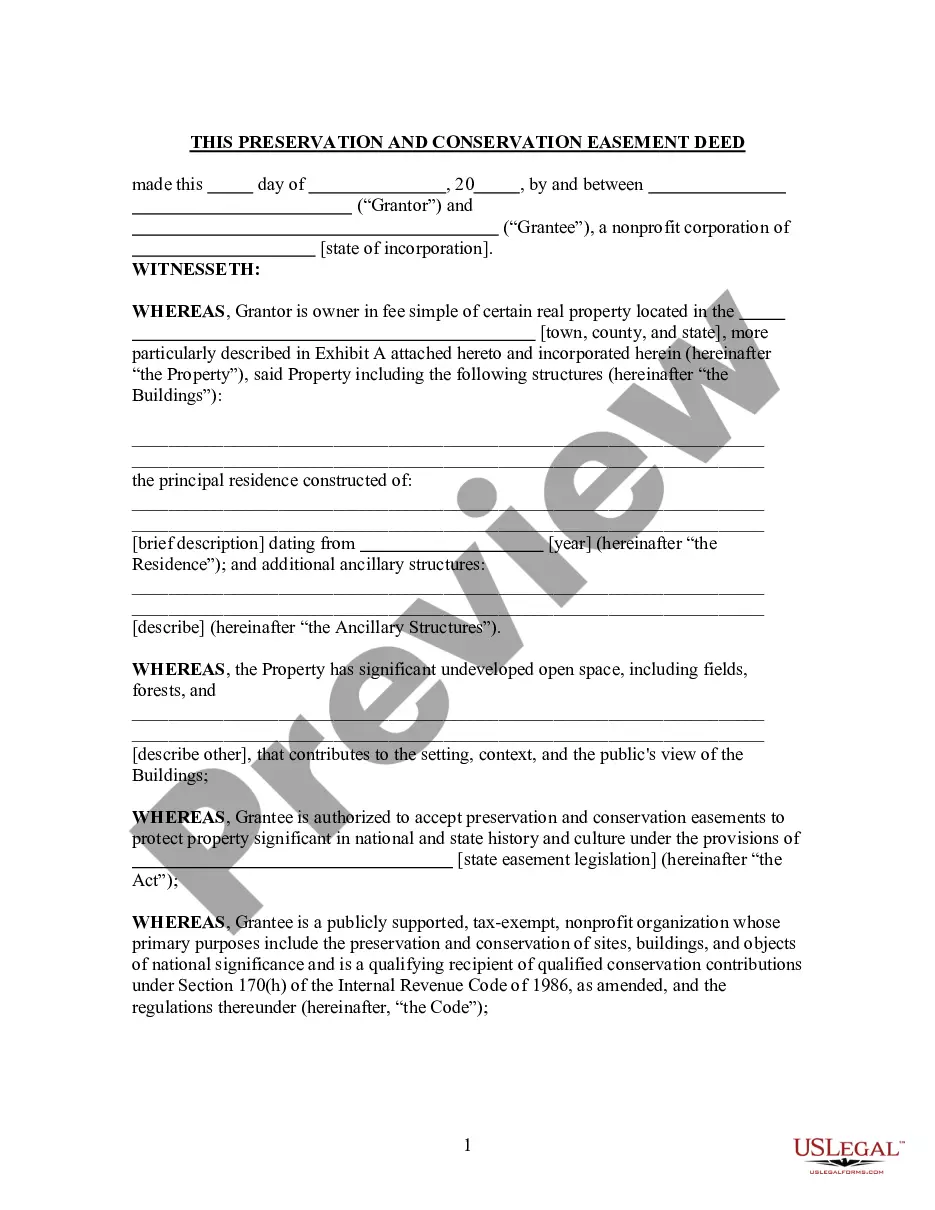
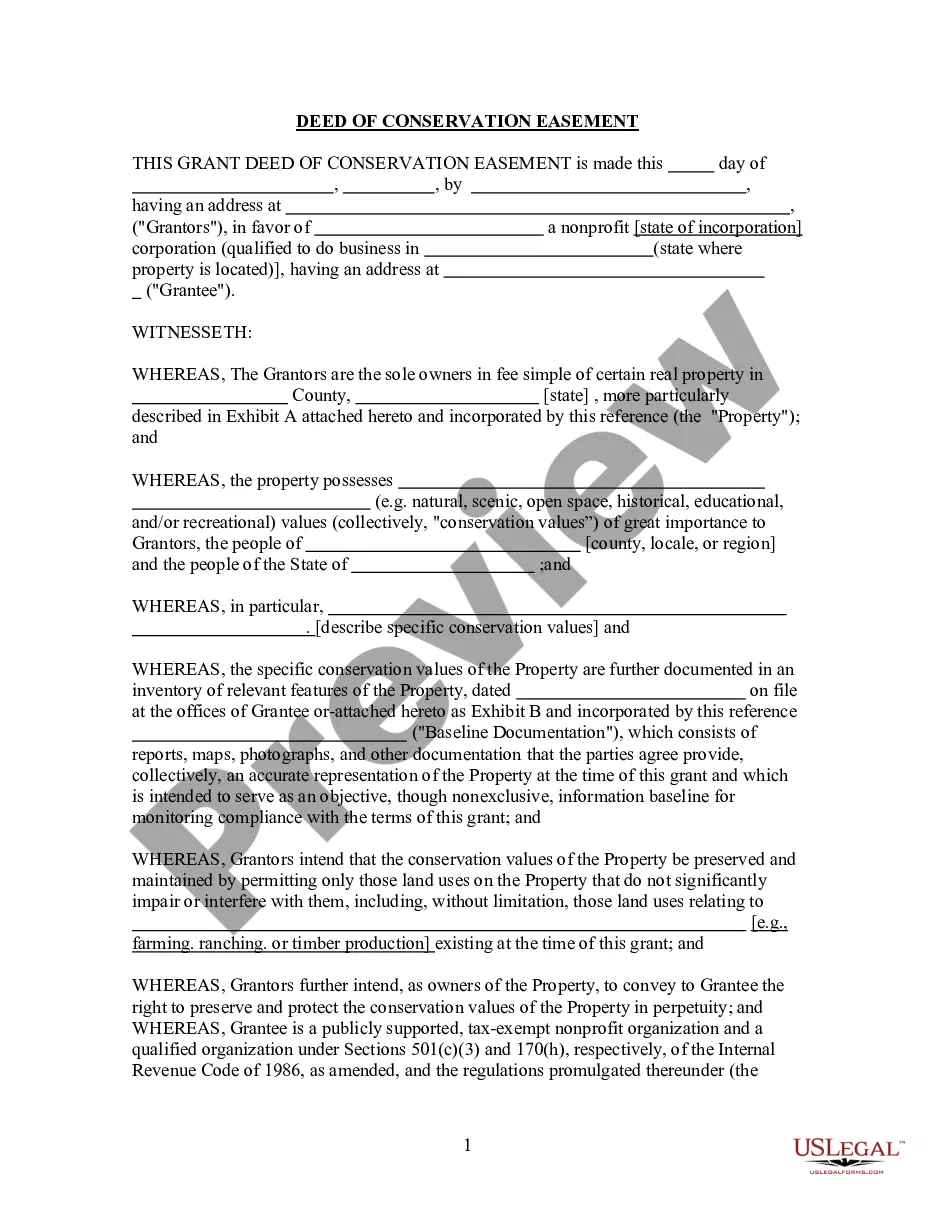
This is a sample form for use in transactions involving easements, an Environmental Restriction Easement. Requires a specific property to be subject to covenants, restrictions and easements as part of an order from federal court litigation.
Having an easement can help preserve natural habitats, improve community health, and even boost property values by promoting a cleaner, greener environment.
Removing an easement can be tricky. Generally, you'll need to show that the easement is no longer needed and get approval from the relevant authorities.
If someone goes against the easement rules, they could face penalties, which can include fines and being required to fix any damages done to the environment.
The best bet is to check with the county clerk or the local environmental agency. They'll have the scoop on any easements linked to your property.
Yes, you can still use your land, but you'll need to stick to the guidelines set by the easement, which might limit certain activities to keep things environmentally friendly.
The local government, along with environmental agencies, keeps an eye on these easements to make sure everyone plays by the rules and the land stays protected.
An Environmental Restriction Easement is a legal agreement that limits how a piece of land can be used to protect environmental quality, ensuring the land remains safe and clean.