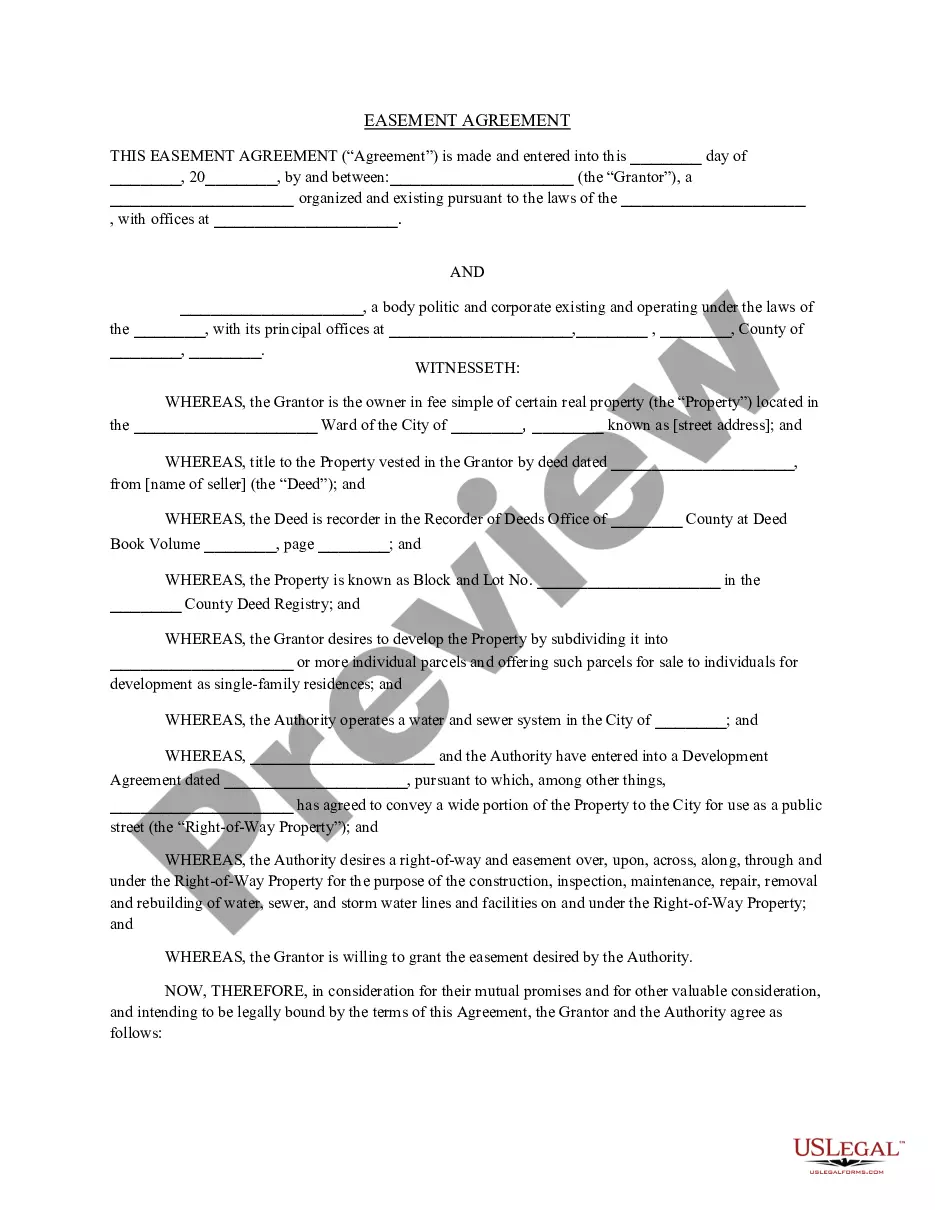
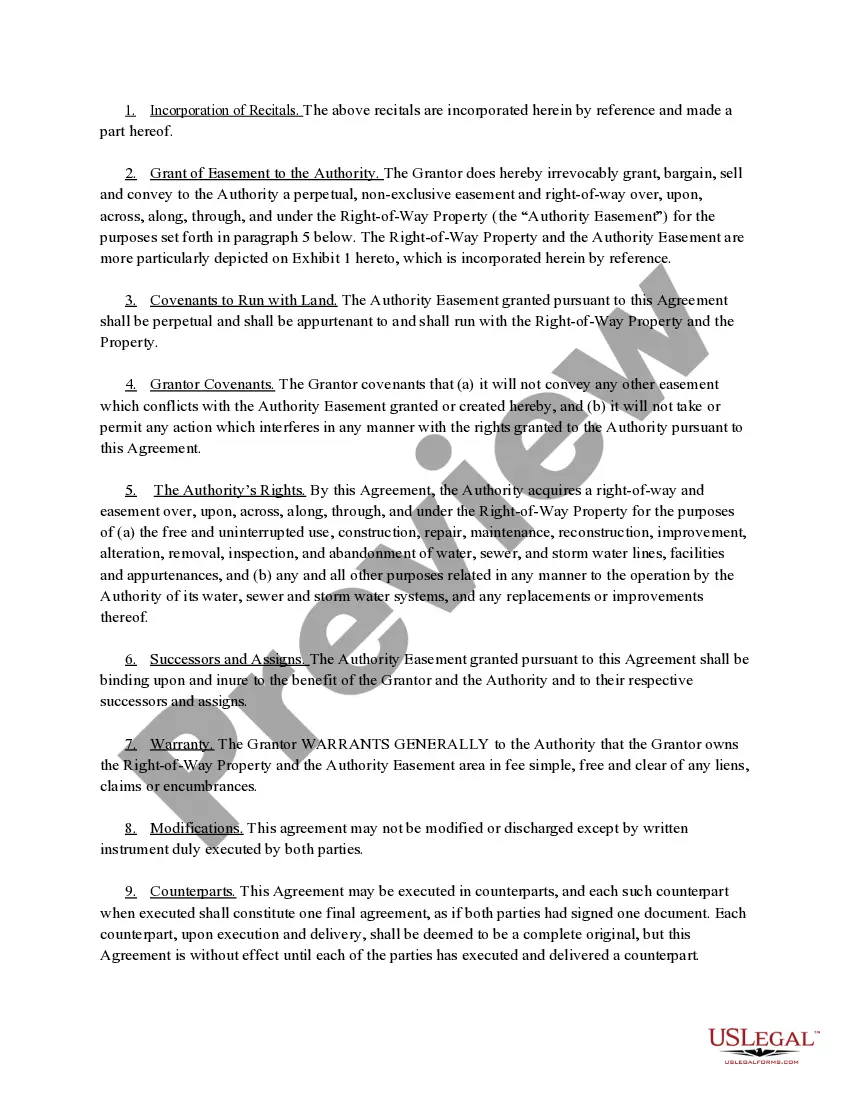
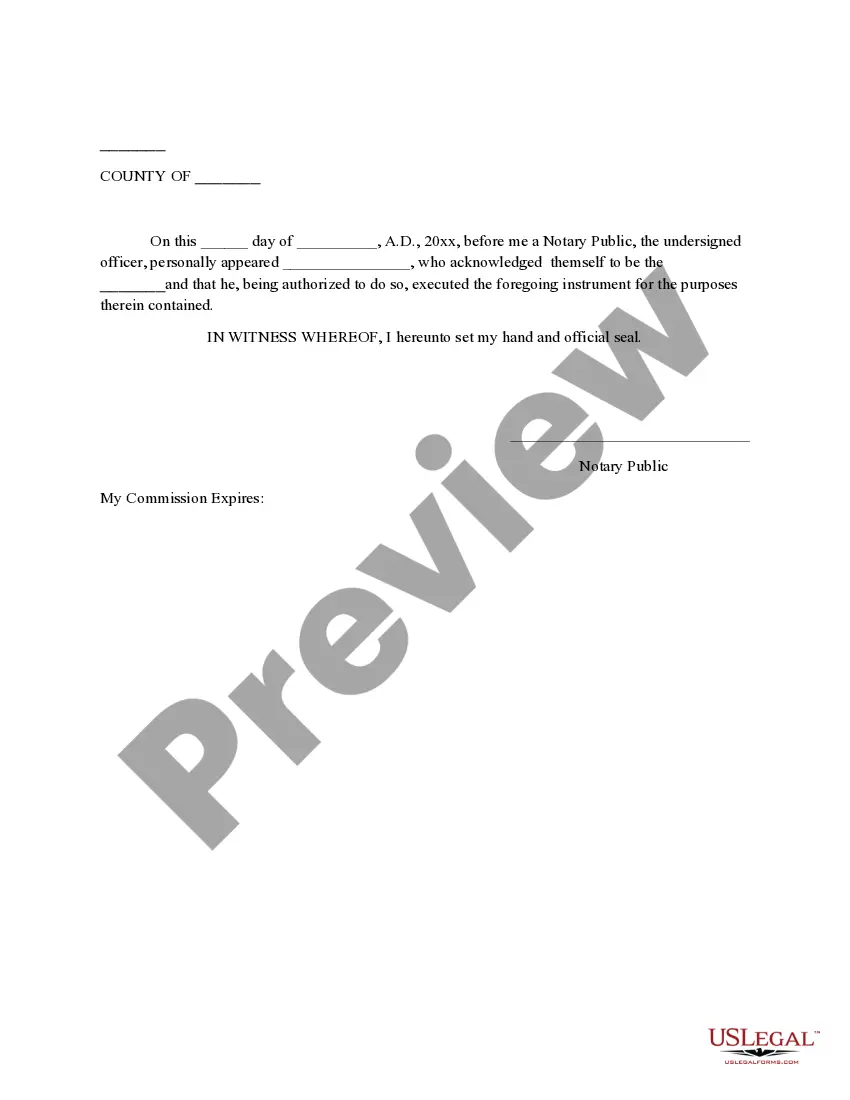
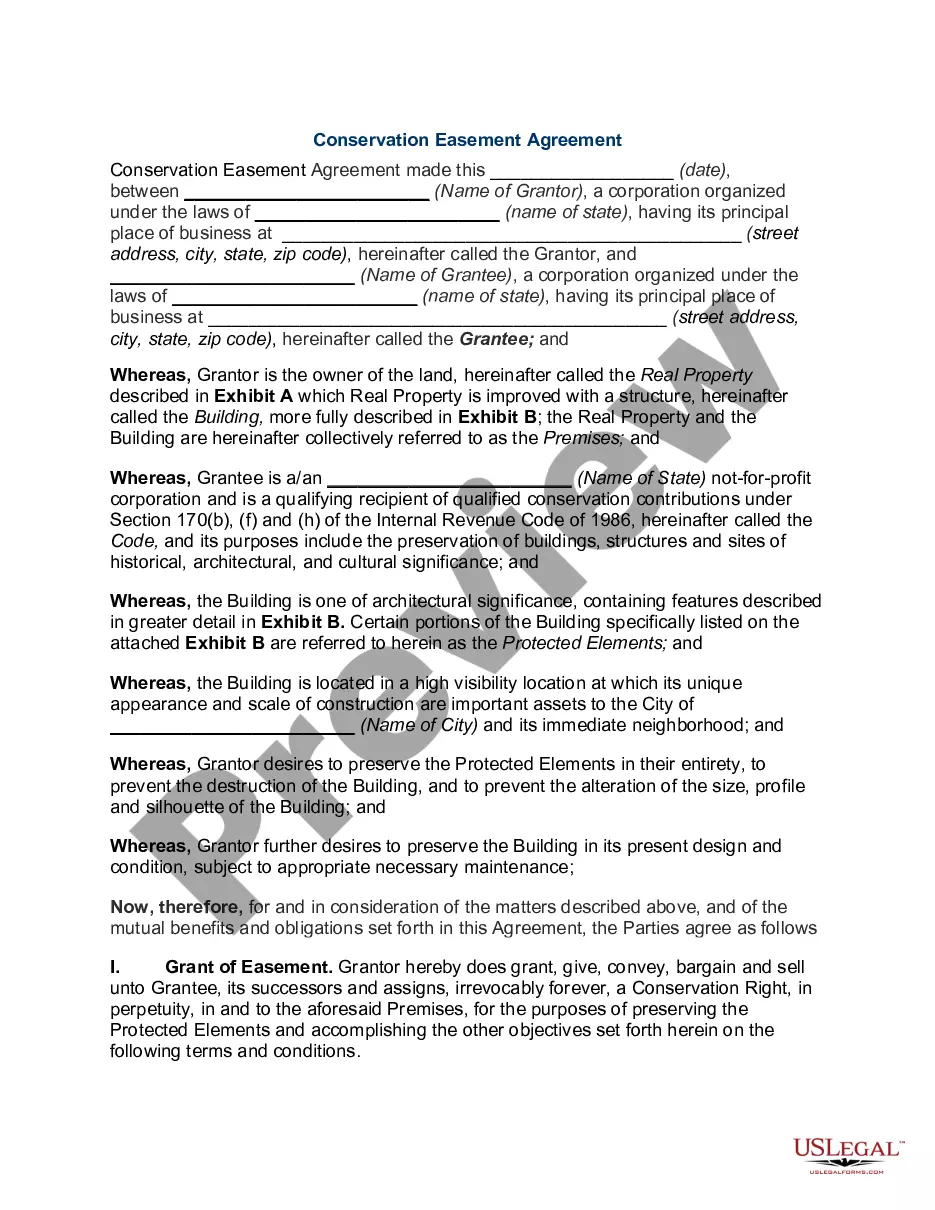
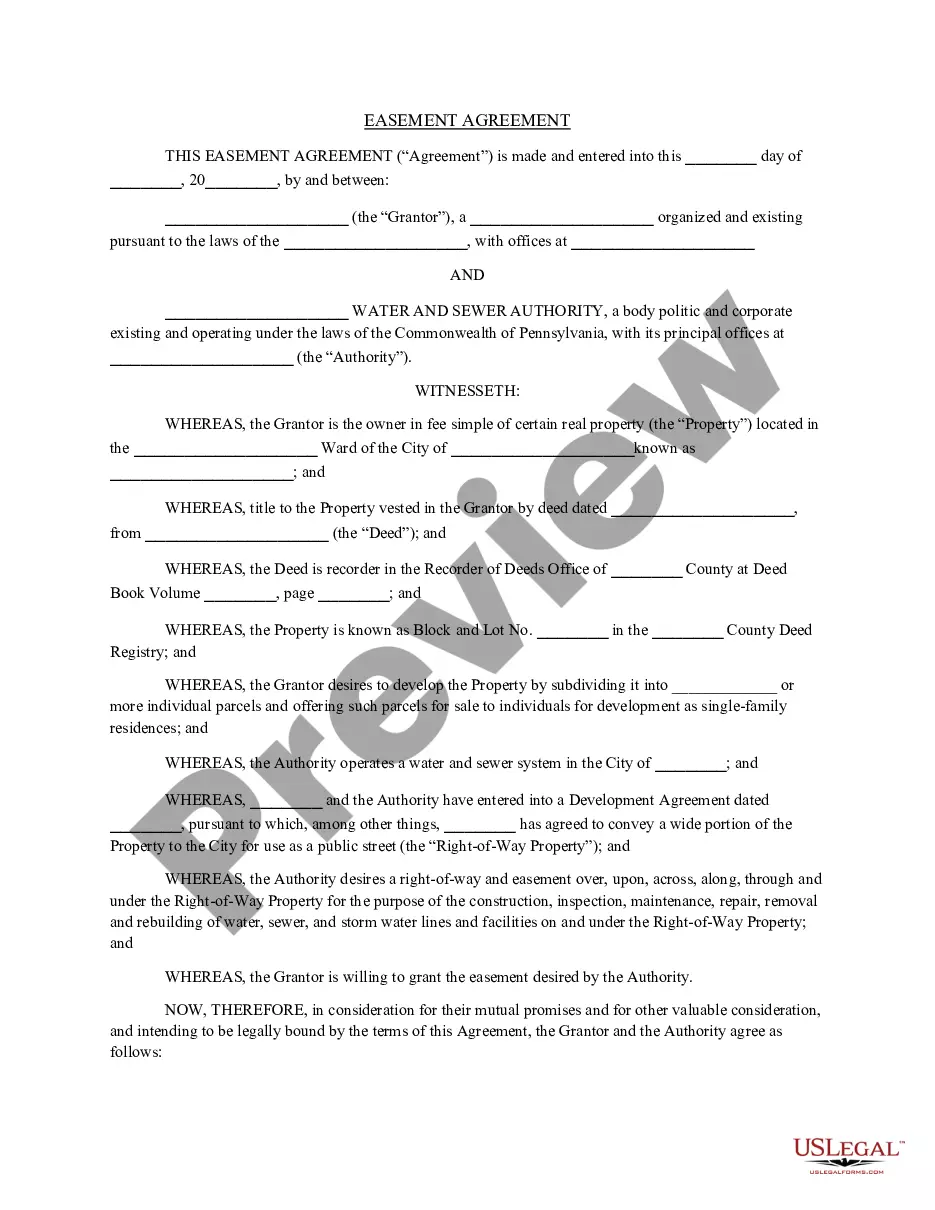
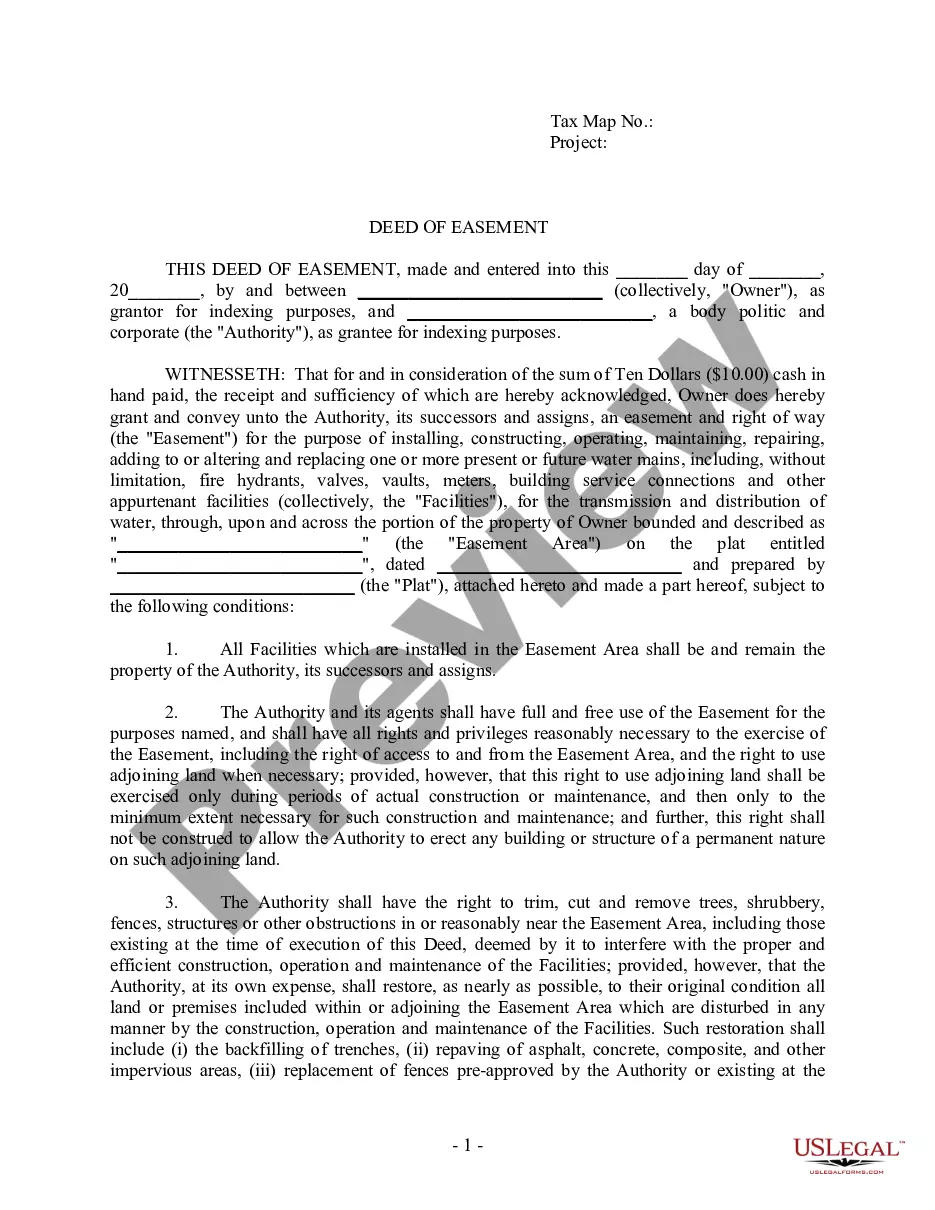
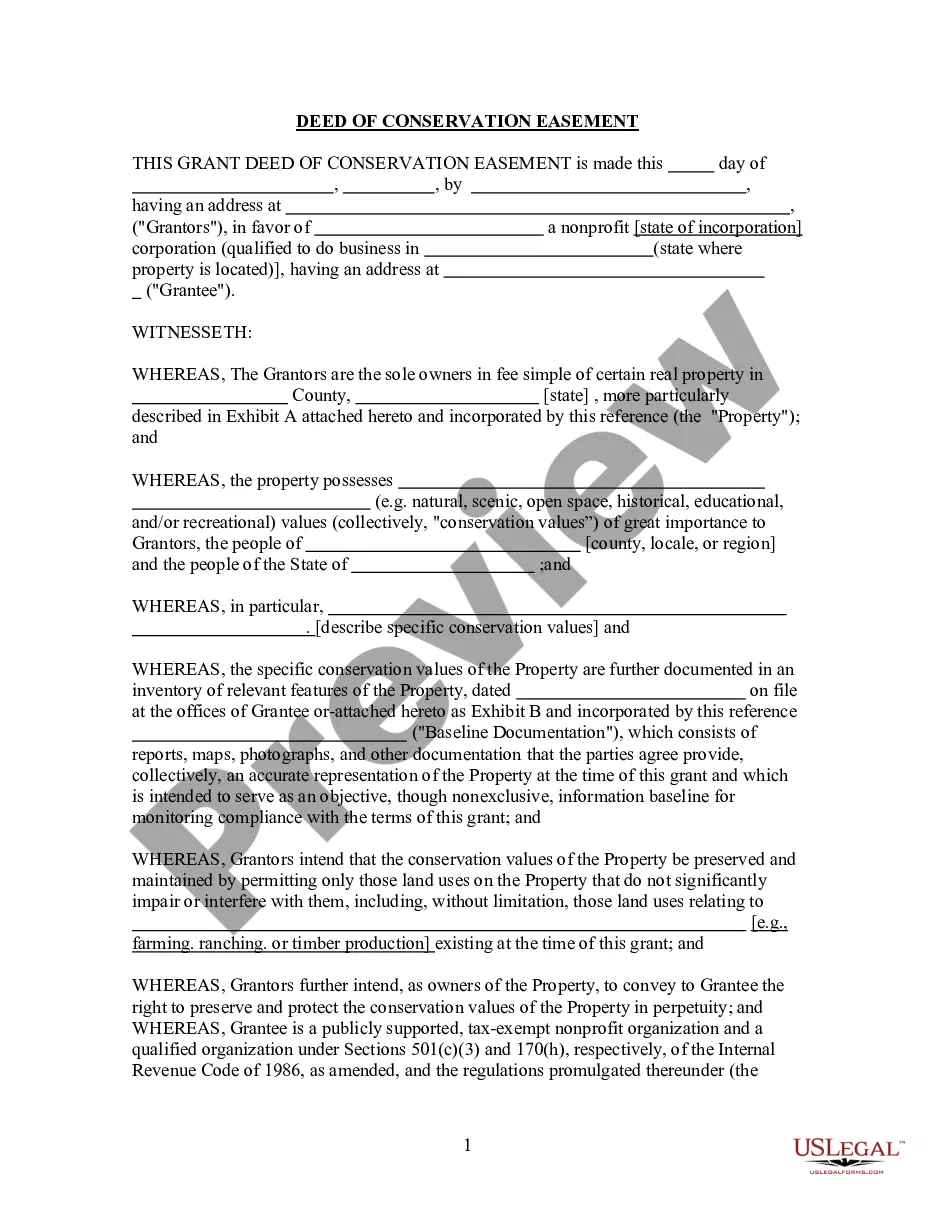
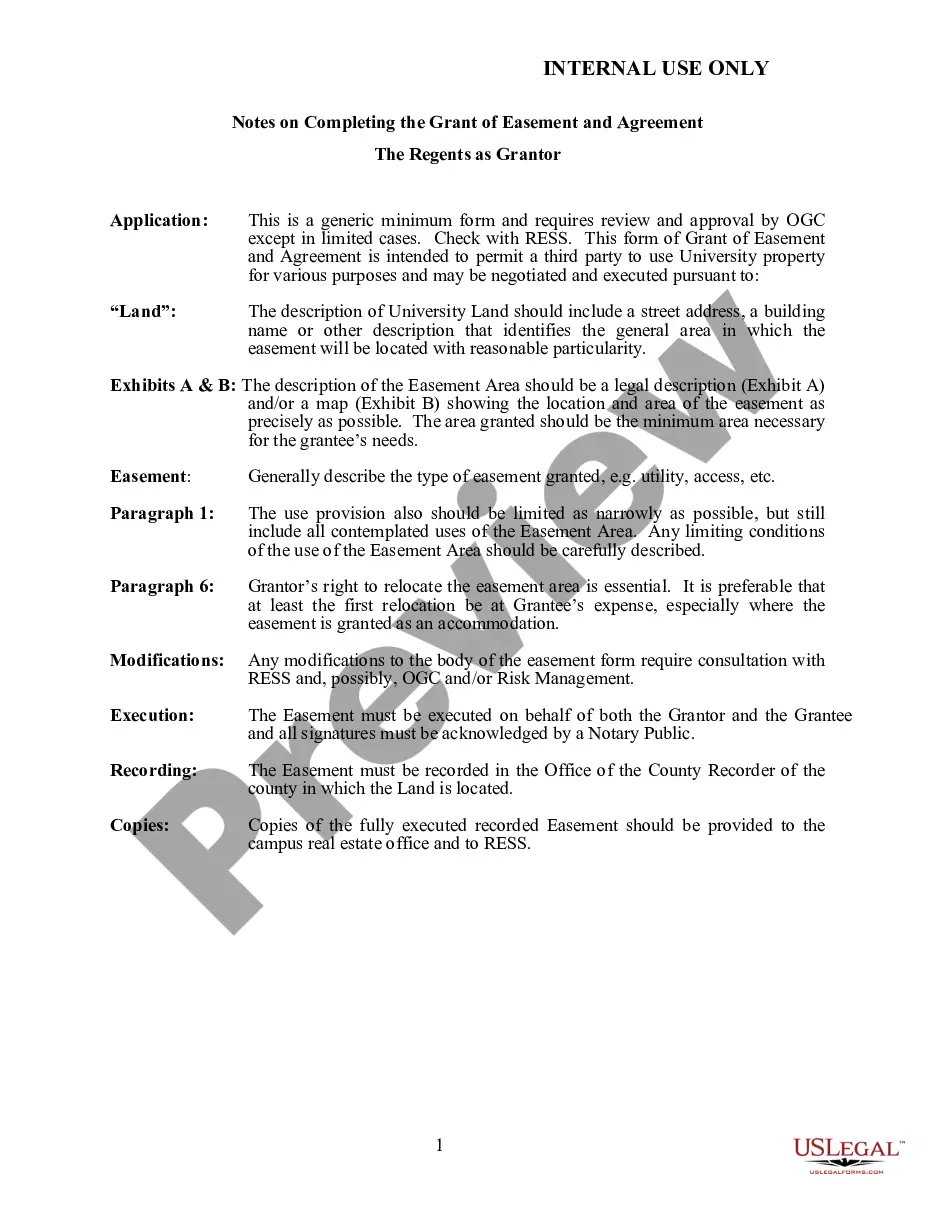
This form is an agreement to convey the use or benefit of a tract of land to another party for a specific limited purpose without giving the party the right to possess, take from, improve or sell the tract of land.
Absolutely! It's wise to have everything in black and white to avoid misunderstandings later down the road.
If someone turns a blind eye to the easement agreement, the property owner can take legal steps to enforce it, so it's best not to mess with it.
You bet! There are several types, like public, private, and utility easements, each serving its own purpose.
Yes, easements can sometimes be canceled or modified if both parties agree, but it's best to handle that with a legal expert.
Most easements stick around for a long time, often tied to the land itself, but some can be set to expire after a certain period.
Usually, the property owner can create an easement agreement, but they might need a lawyer to help navigate the legal waters.
An easement agreement is like giving your neighbor a little slice of your property so they can use it for a specific reason, like a driveway or a utility line.