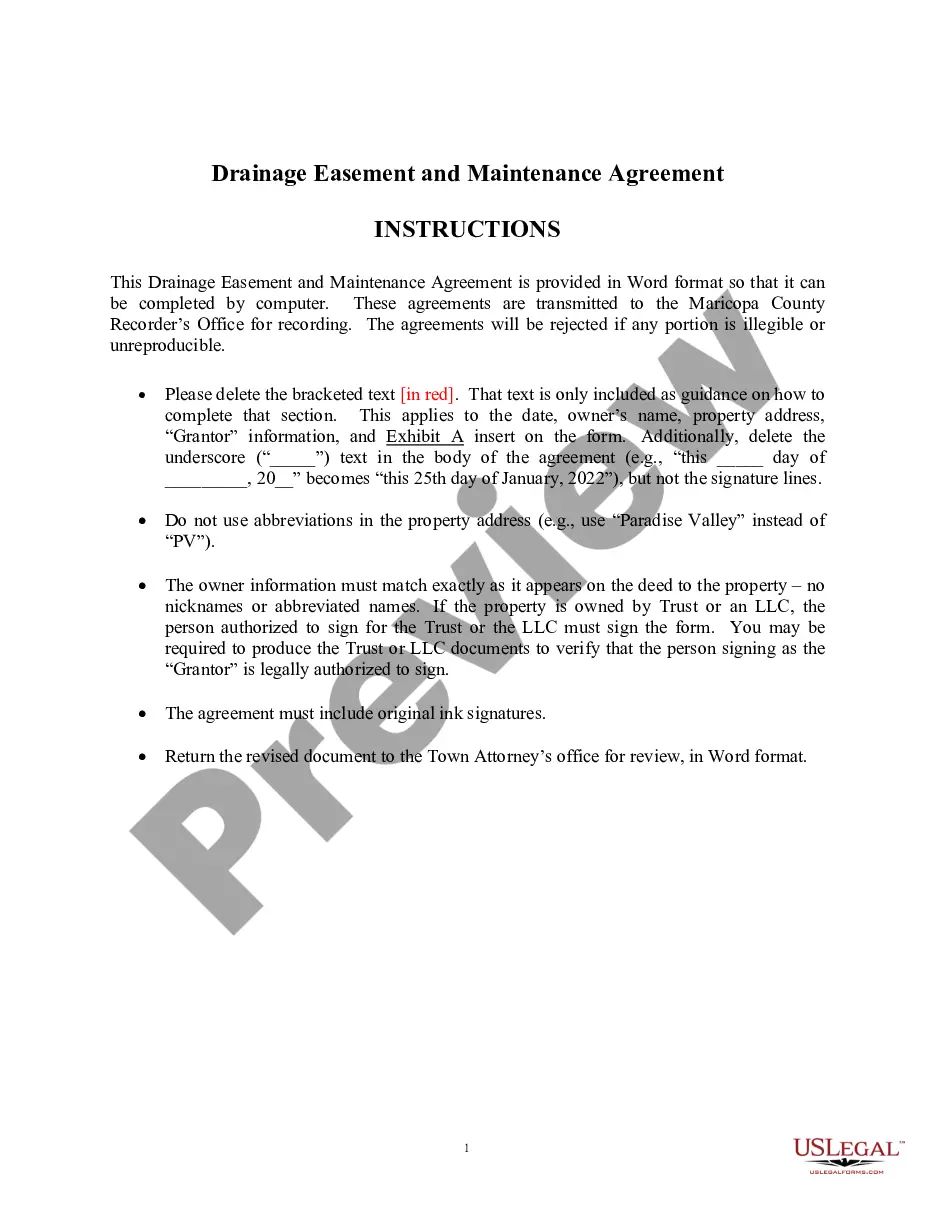
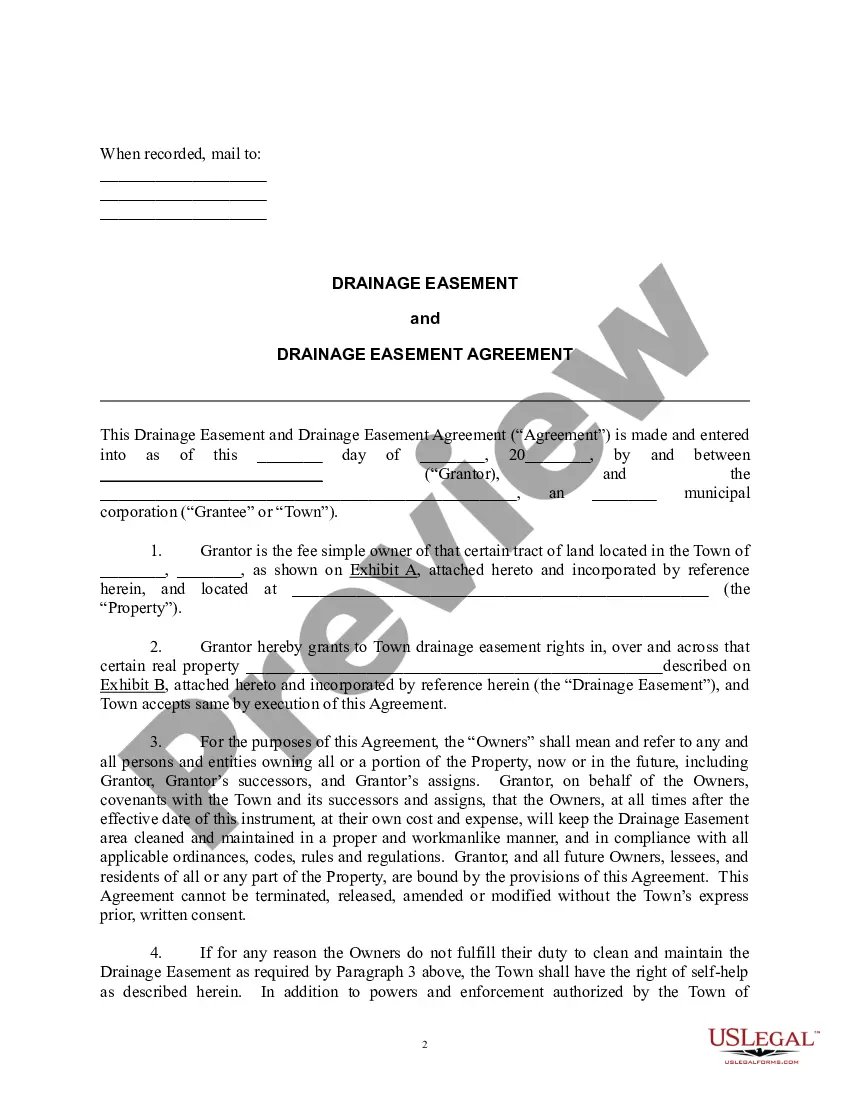
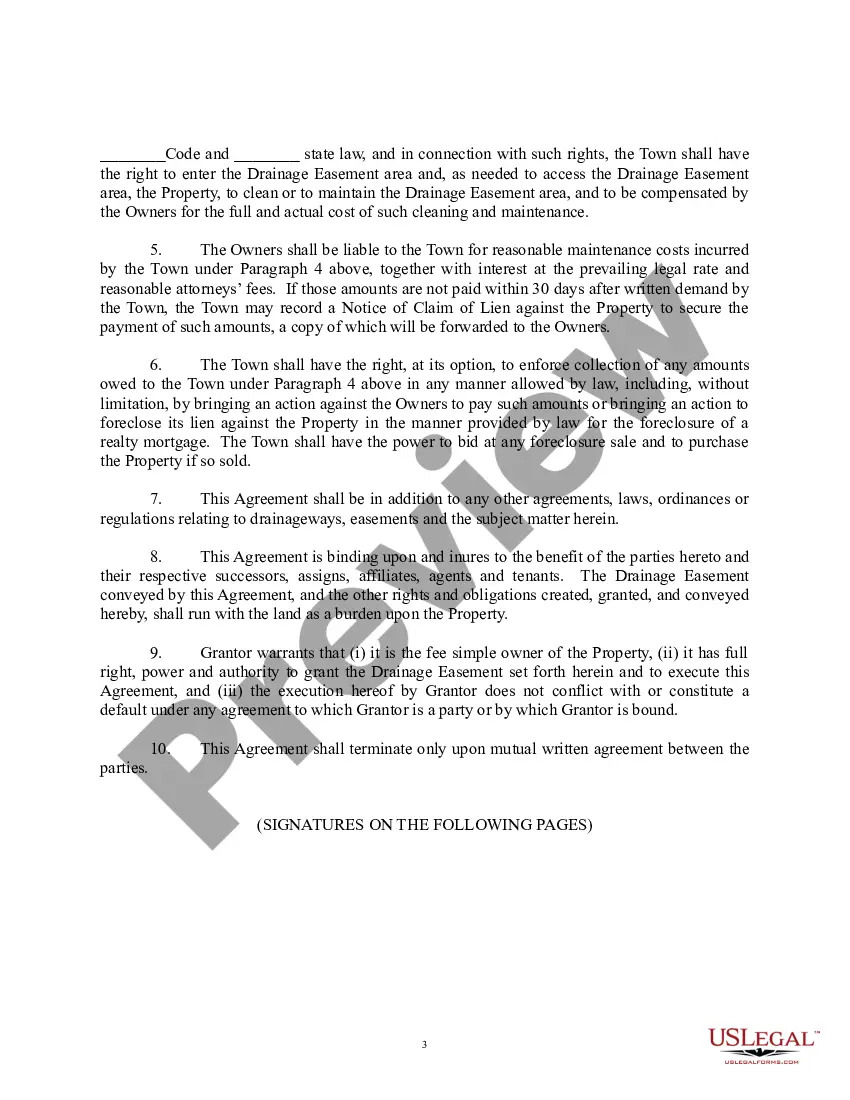
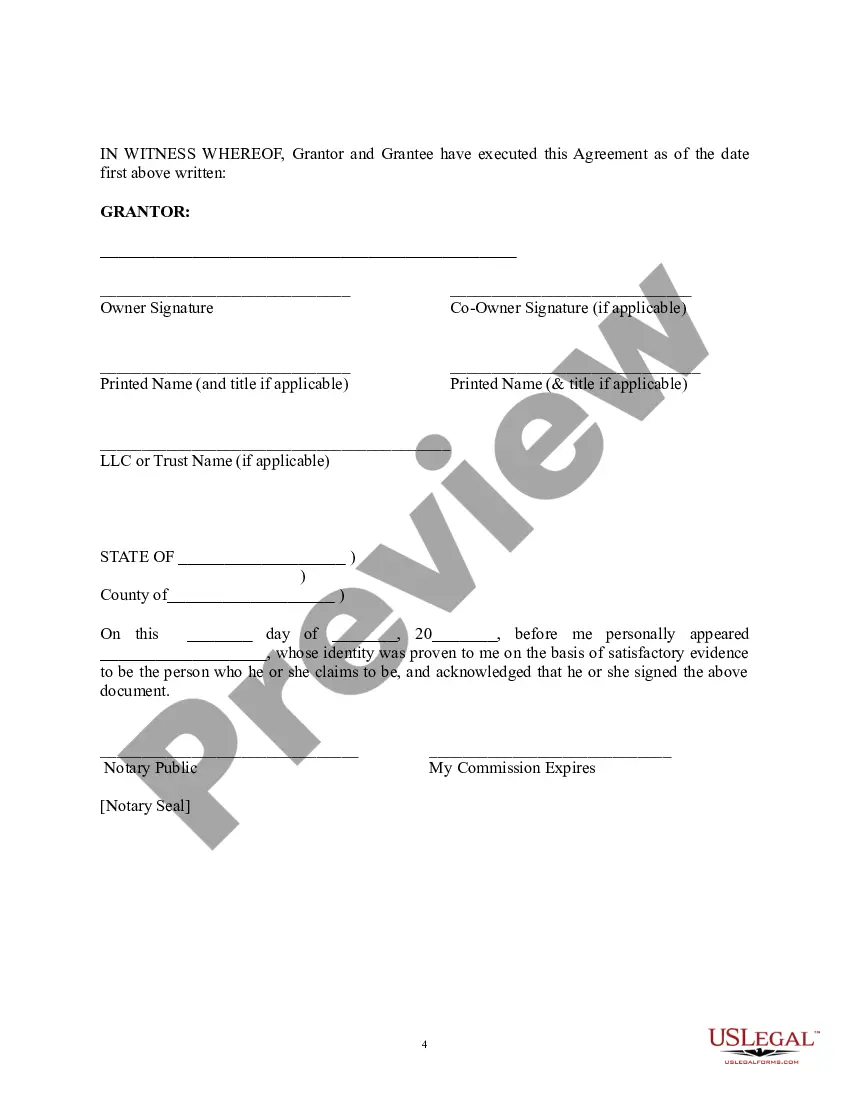
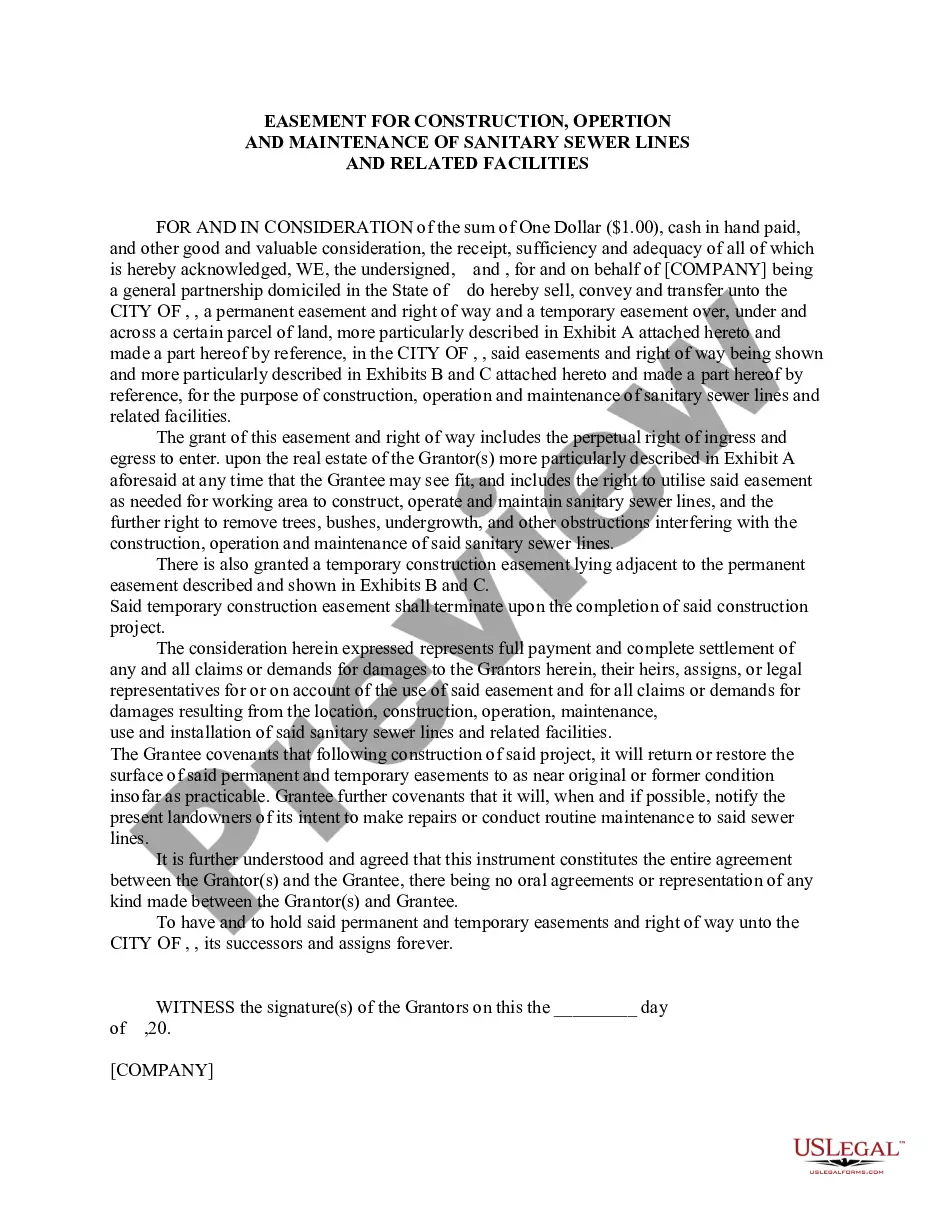
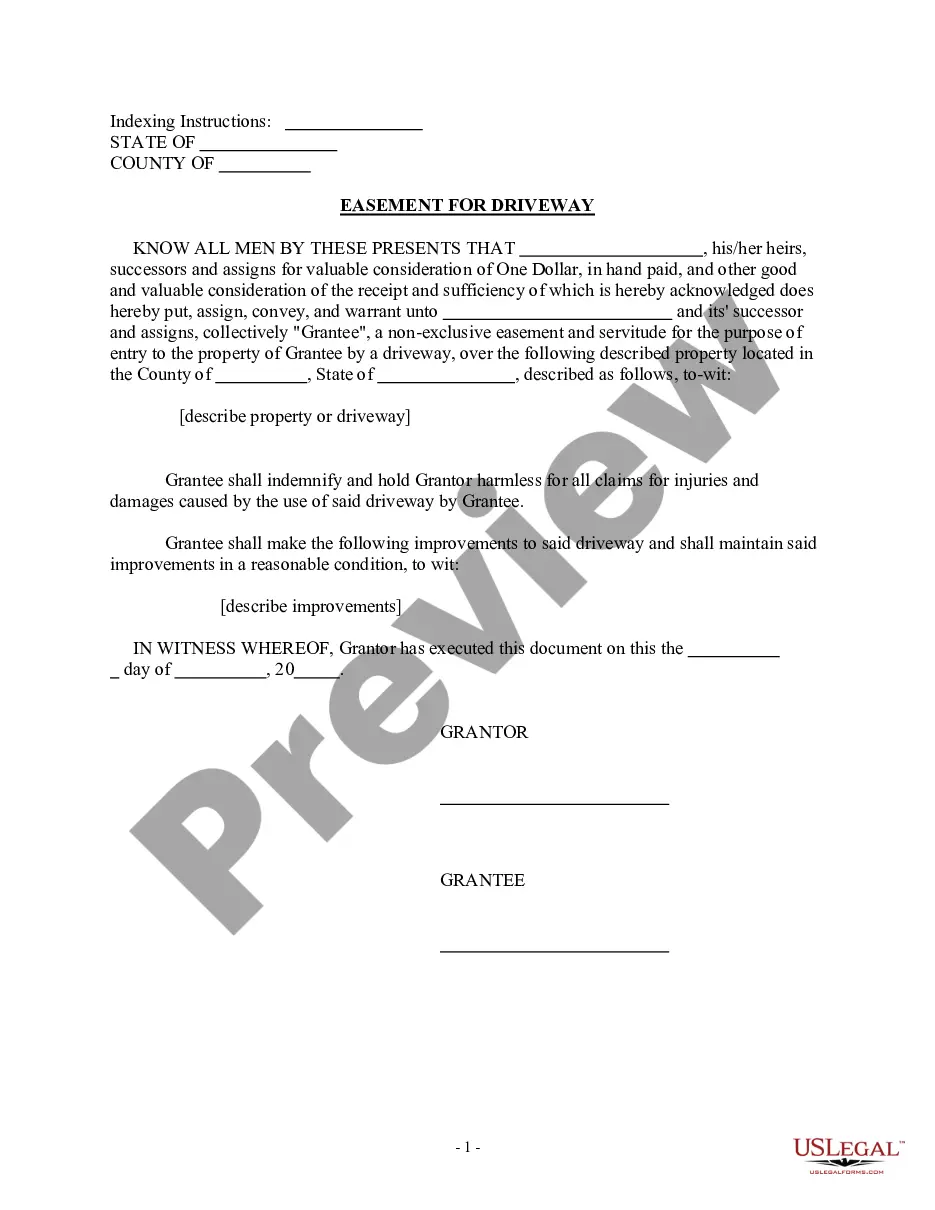
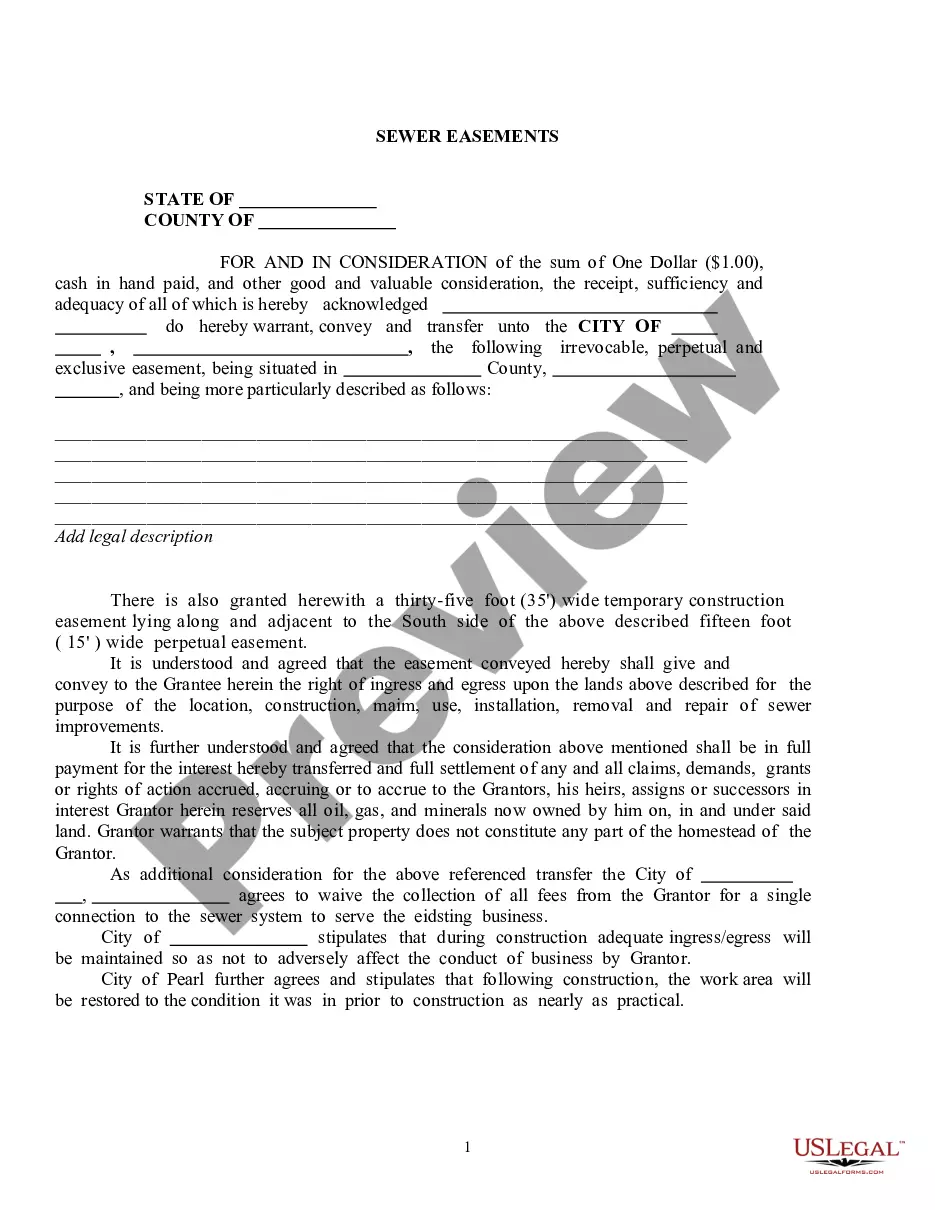
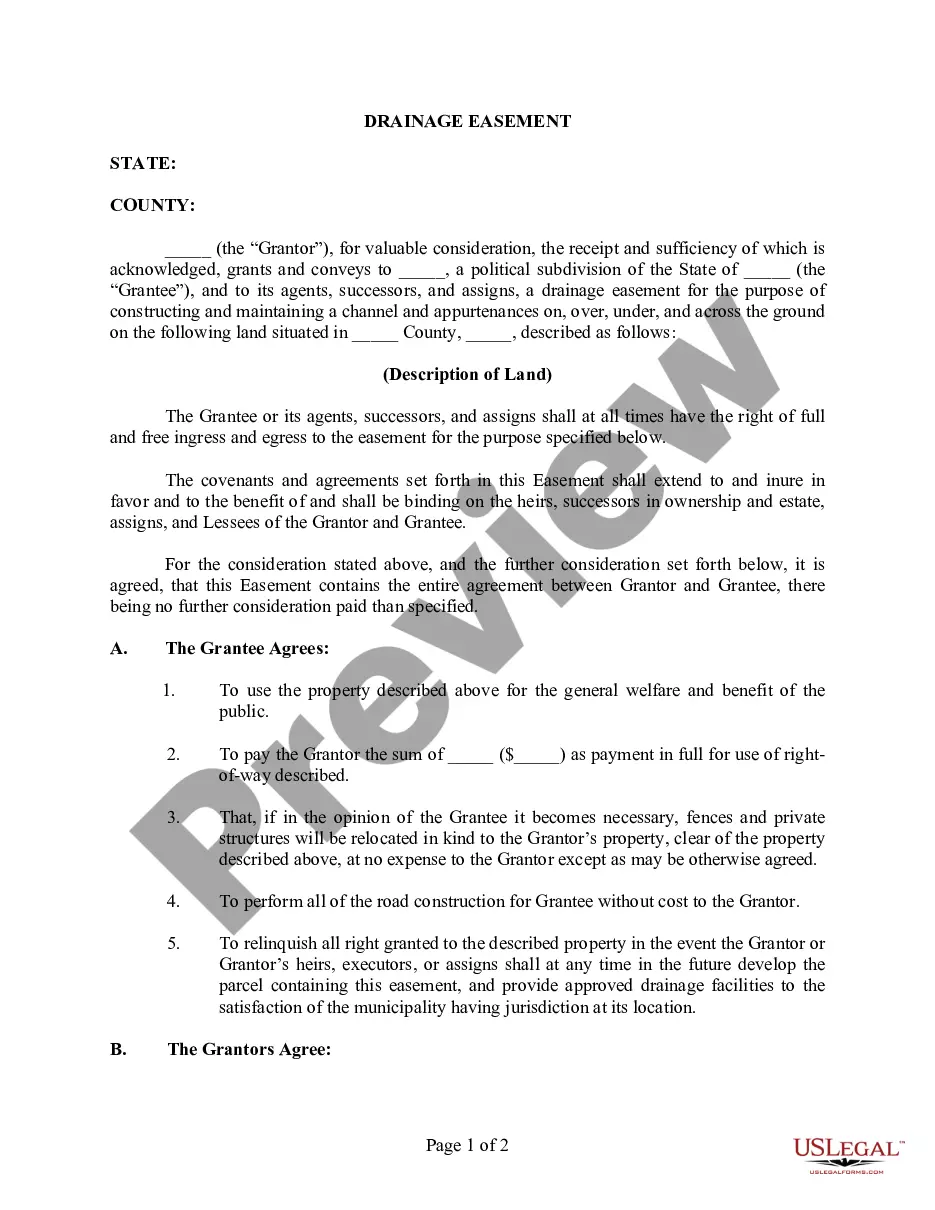
This form is an agreement to convey the use or benefit of a tract of land to another party for a specific limited purpose without giving the party the right to possess, take from, improve or sell the tract of land.
If you spot problems with a drainage easement, it's best to report them to the city. They can send someone to take a look, ensuring everything is shipshape and Bristol fashion.
Maintenance of drainage easements usually falls to the city, but homeowners might also have some responsibilities. It's a joint effort to keep things running smoothly—like a well-oiled machine!
Blocking a drainage easement could lead to serious trouble, including flooding your property or your neighbor's. It's the same as trying to stop a train; it won’t end well. Local authorities may take action if an easement is obstructed.
Building on a drainage easement is generally a no-go. It’s like trying to put up a fence in the middle of a river; it can cause problems. Always check with local authorities before starting any construction.
To see if your property has a drainage easement, check your property deed or contact the city’s planning department. They can provide you with the maps and details you need—it's like looking up a family tree, but for your land!
Drainage easements are crucial because they help manage stormwater and prevent flooding. They ensure that rainwater has a safe route to travel, protecting homes and businesses alike.
A drainage easement in Plano is a designated area that allows water runoff to flow freely. Think of it as giving the water a 'pathway' to keep properties safe from flooding.