During the complaint process, expect to provide your evidence and state your case clearly. The involved parties may come together to discuss the issue, and you’ll aim for a resolution that satisfies everyone involved.
Yes, there are generally time limits to file complaints, often based on state laws and the nature of the issue. It’s best to act quickly and check with the Minnesota Department of Labor and Industry to stay in the clear.
If the subcontractor is reluctant to fix the issue, document everything and consider discussing it with the contractor. If things still don’t improve, you may need to seek legal advice or contact your local consumer protection office.
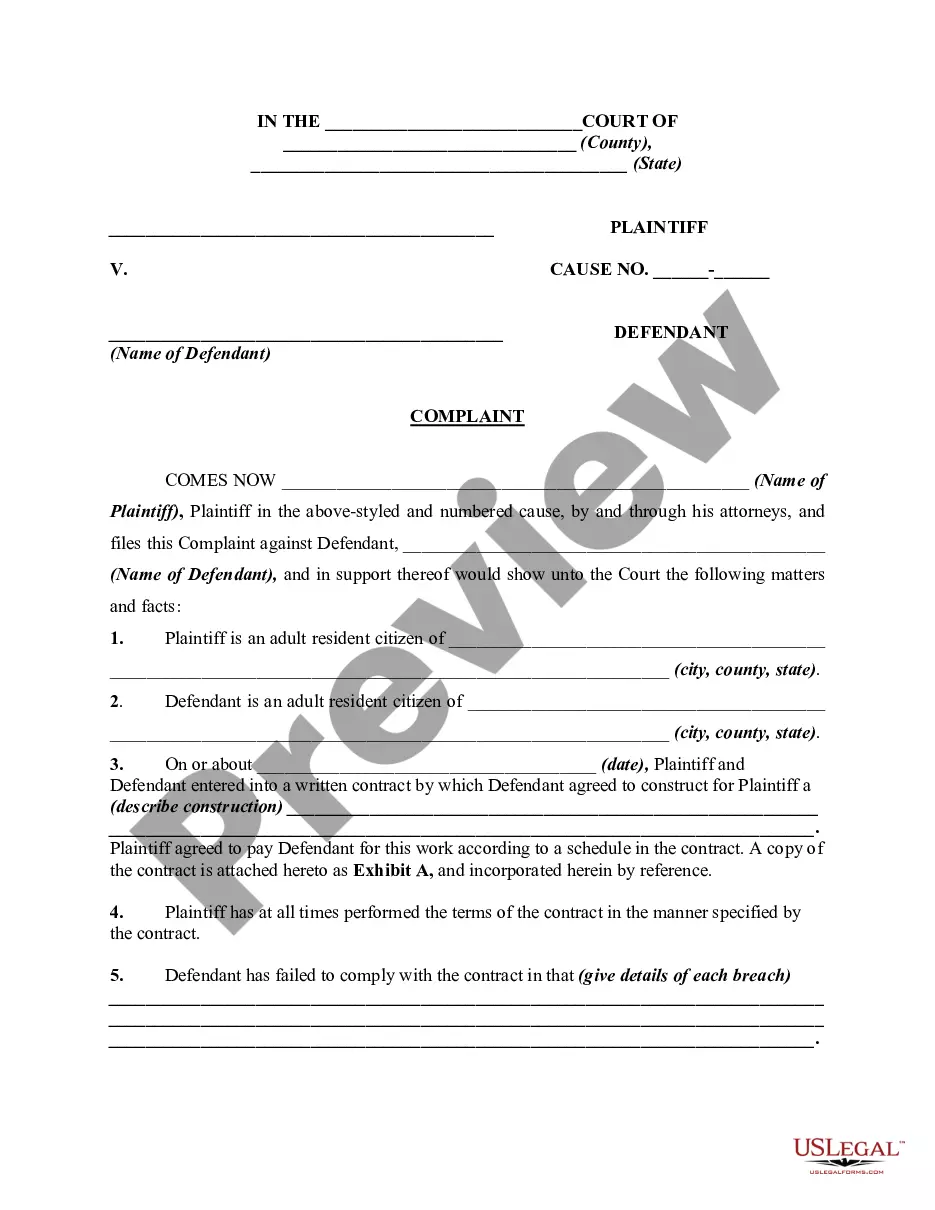
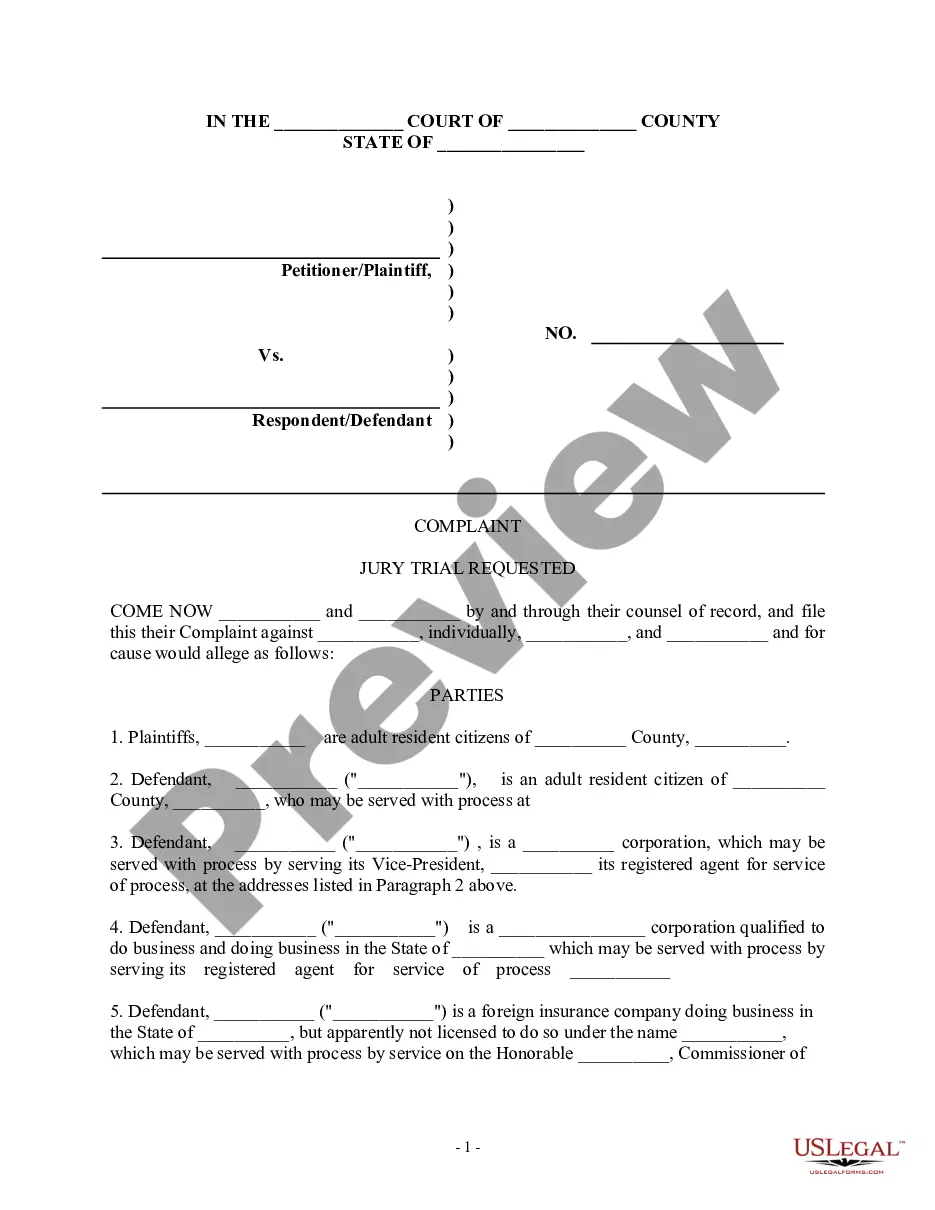
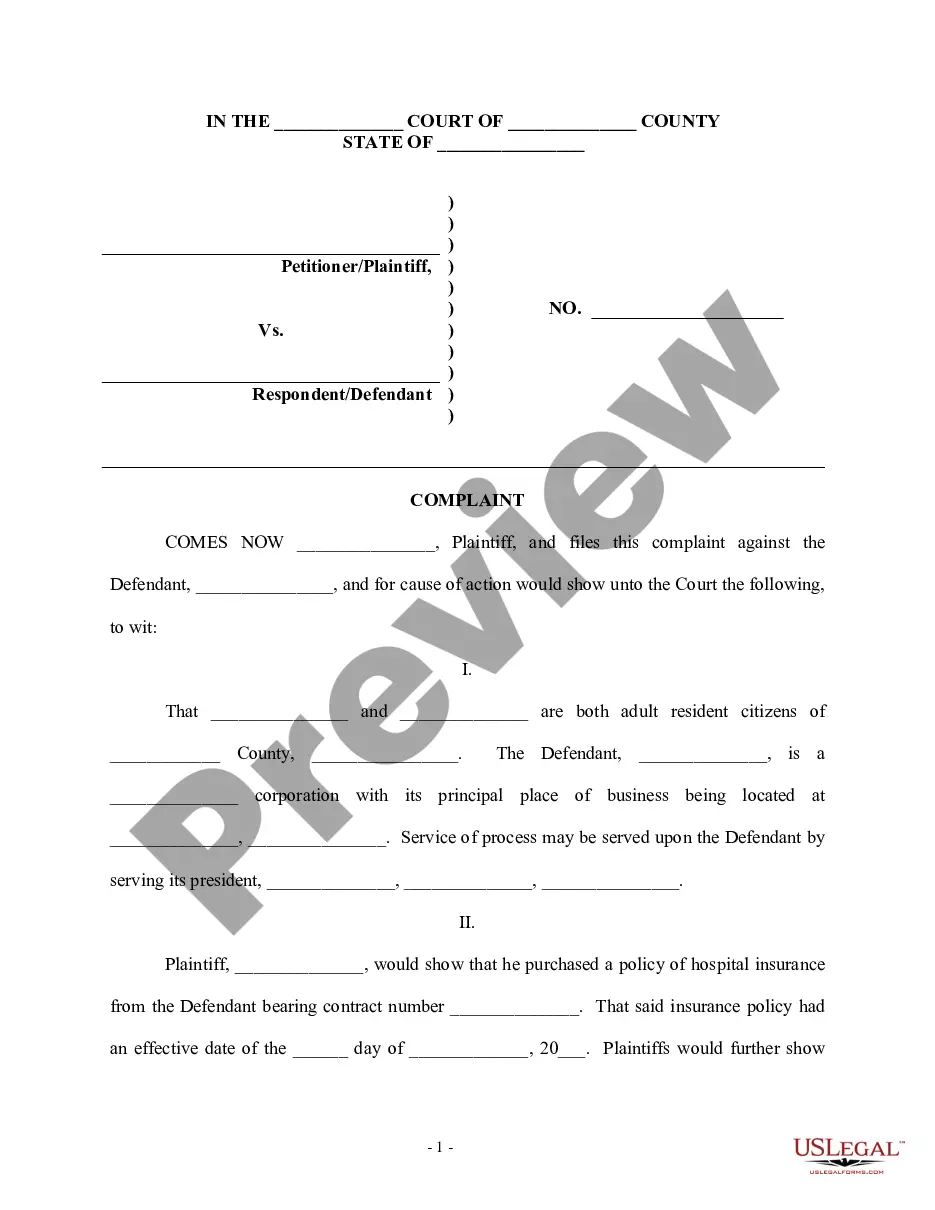
To file a formal complaint, contact the Minnesota Department of Labor and Industry or your local consumer protection agency. They can guide you through the process and help you get your voice heard.
The surety acts like a safety net. If the contractor fails to fulfill their obligations or the subcontractor causes issues, the surety can step in to help resolve the matter financially and ensure the job gets done right.
Absolutely! The contractor is ultimately responsible for the work done by their subcontractors. If something goes wrong, you can bring your concerns to the contractor’s attention and seek a solution.
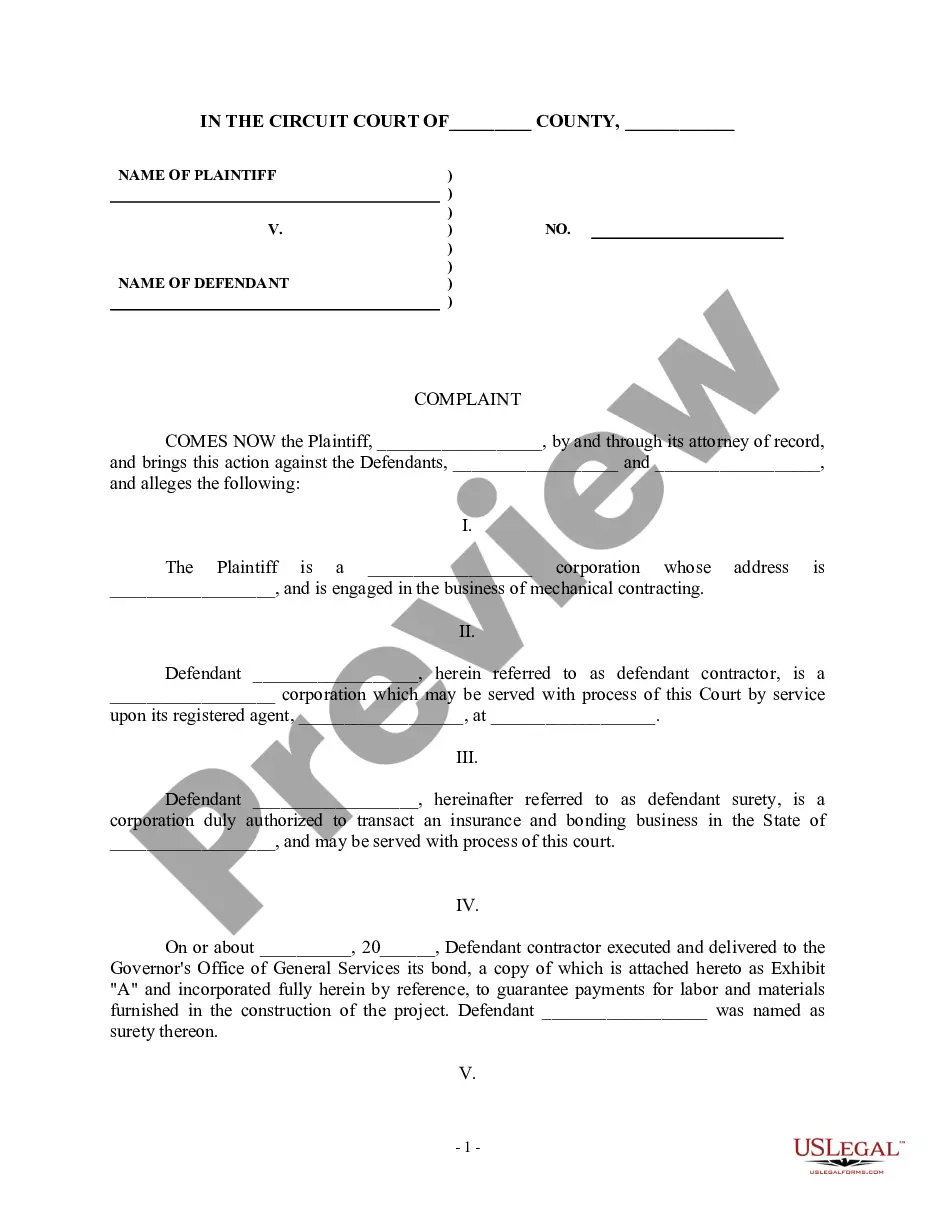
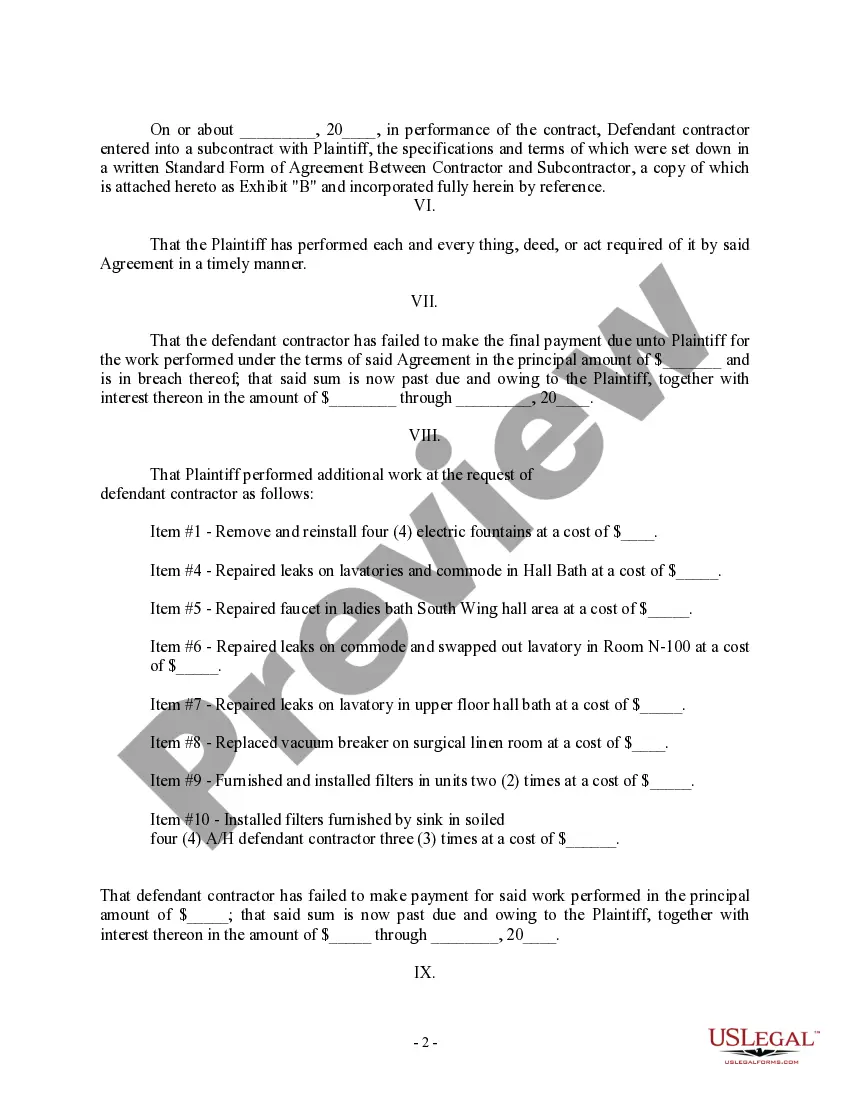
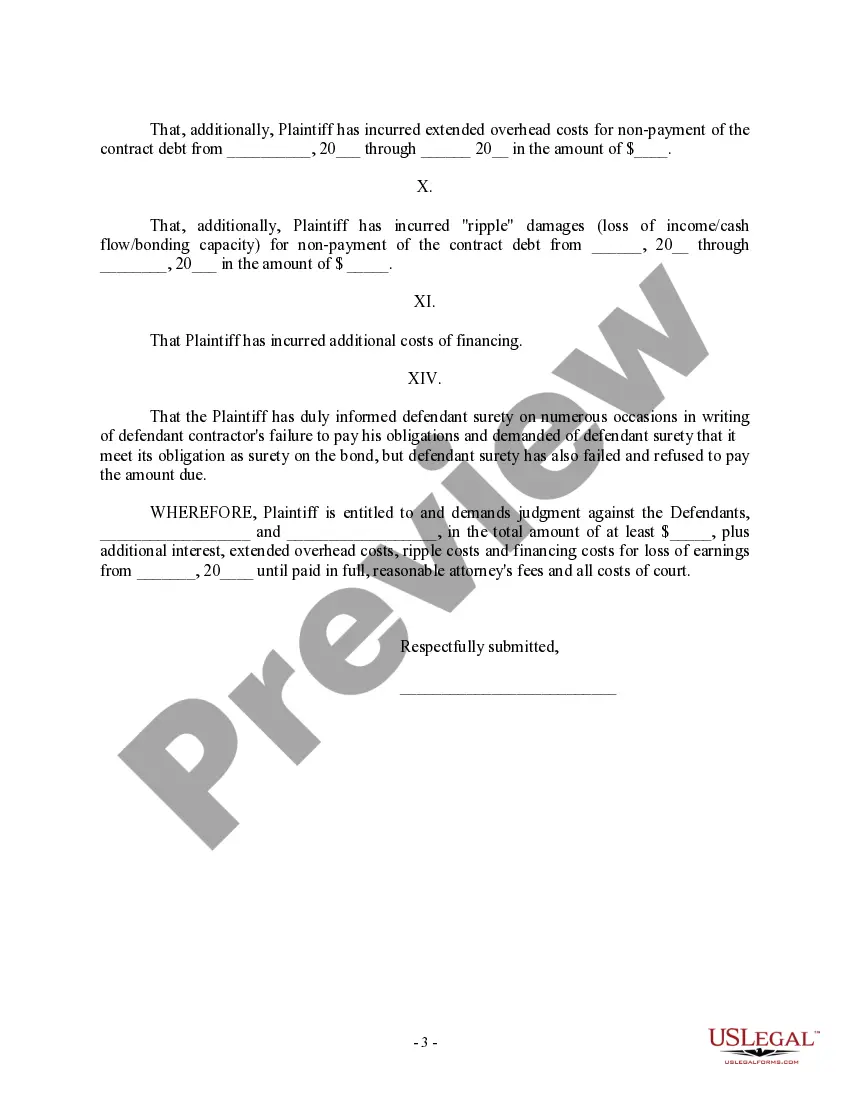
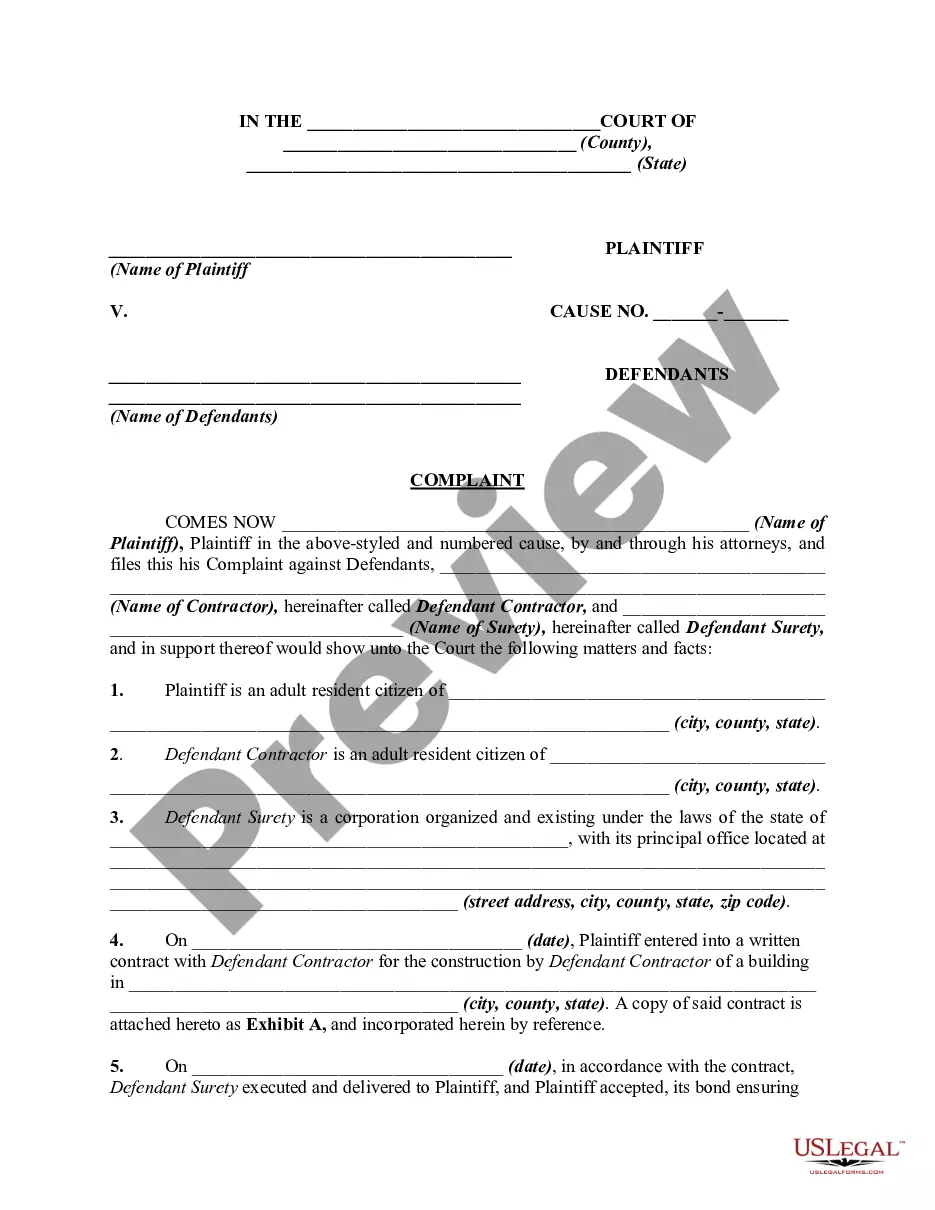
If you have a complaint against a subcontractor, start by collecting all relevant documents and evidence of the issue. Then, reach out to the contractor to discuss your concerns directly. If that doesn't resolve the problem, you can escalate it to the Minnesota Department of Labor and Industry.