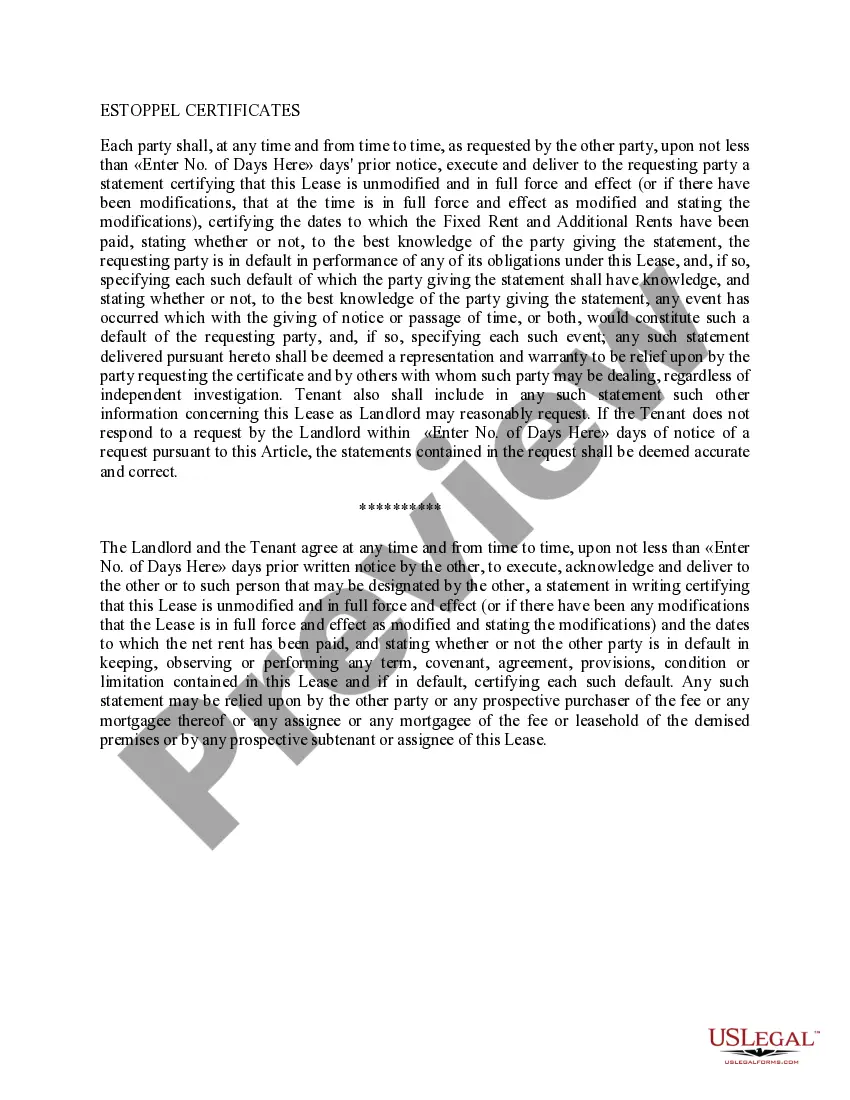
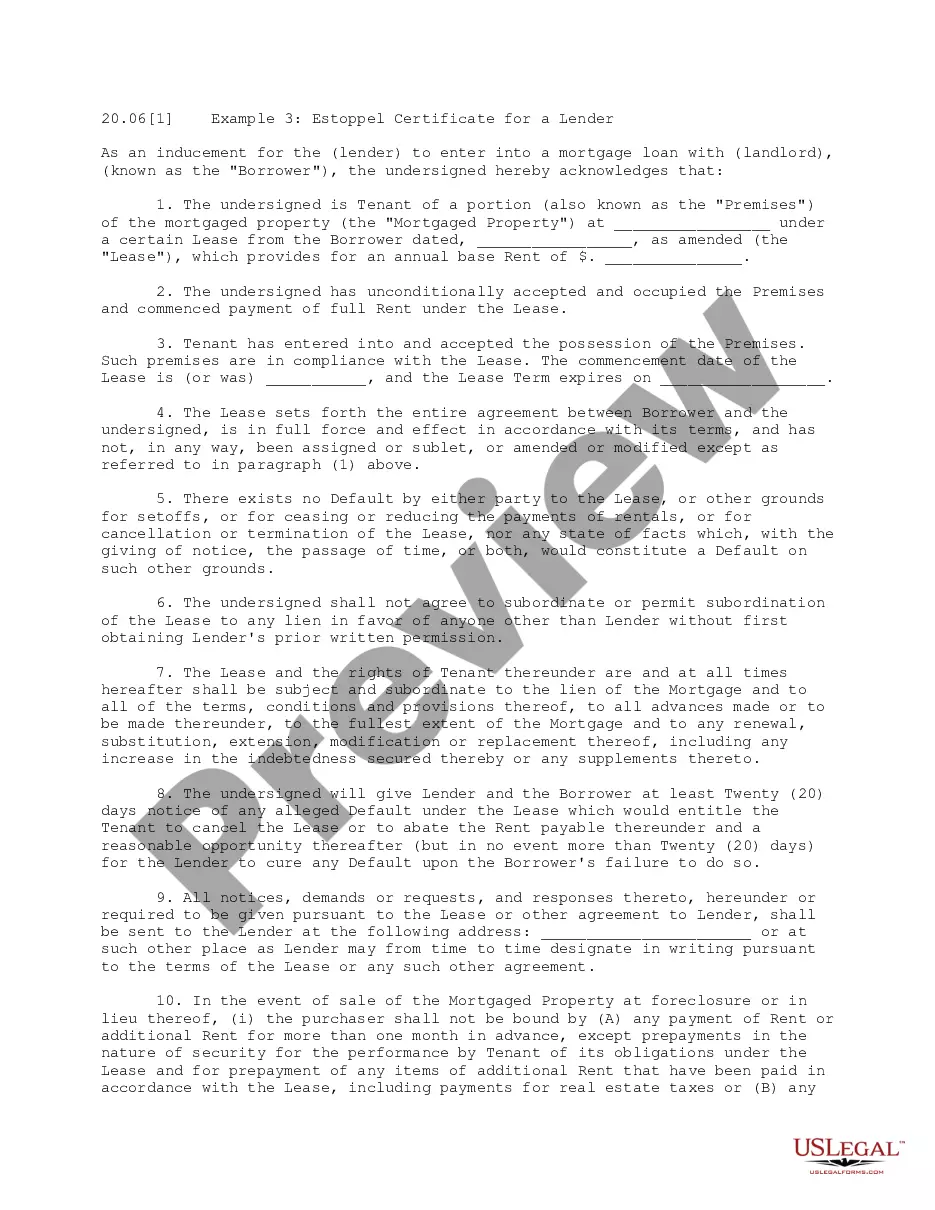
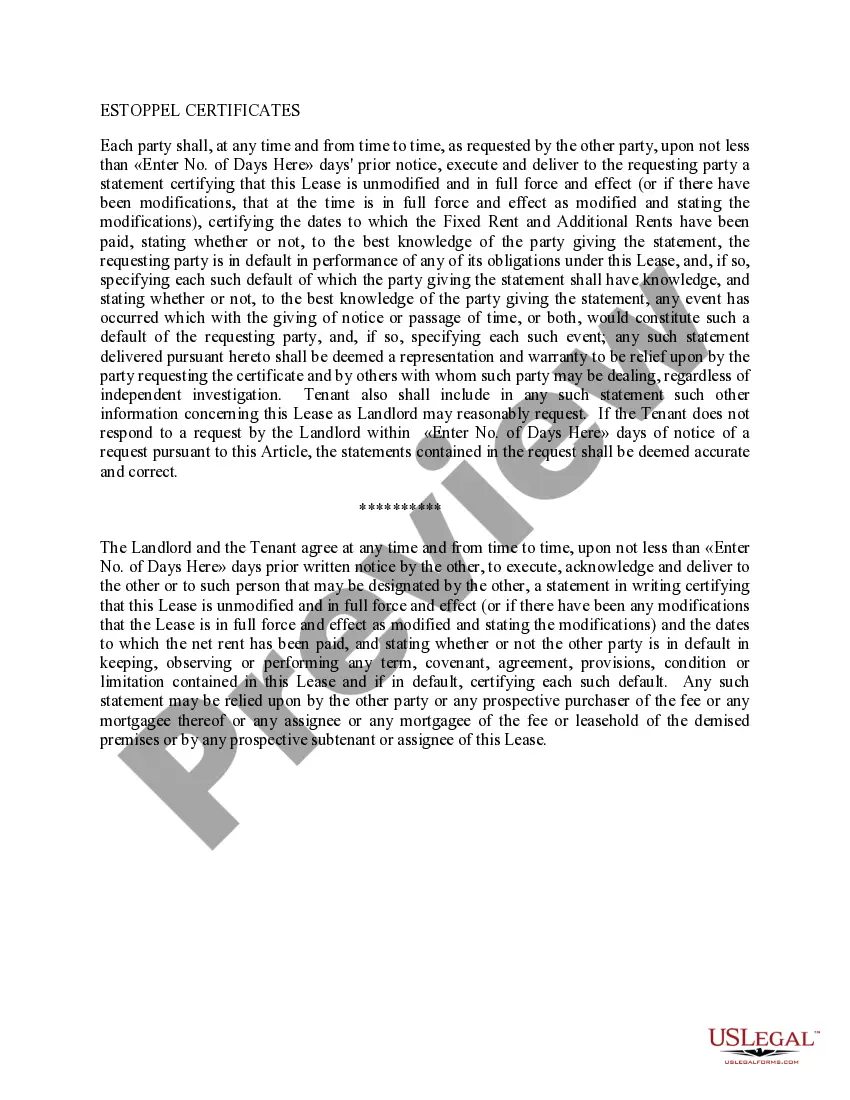
Example of clause regarding Estoppel Certificates (i.e. a statement certifying that this Lease is unmodified and in full force and effect OR if there have been modifications). Failure of Tenant to timely execute, acknowledge and deliver such estoppel certificate or other instruments shall constitute an acceptance of the Premises and an acknowledgment by Tenant that statements included in the estoppel certificate are true and correct, without exception.
Yes, a landlord can refuse, but it's generally expected as part of the relationship. If they do, it might raise some eyebrows and questions about transparency.
Not always, but it's a smart move to have one anyway. It helps avoid confusion and establishes clear expectations from the get-go.
If there are any discrepancies, it can lead to misunderstandings down the road. It's vital to double-check everything to avoid stepping on any toes later.
The timeline can vary, but once all parties are on board, it often takes just a few days. Just remember that everyone's got to be on the same page!
Usually, it's the buyer or lender who requests it to get a clear understanding of the lease arrangements before making any commitments.
You need one to prove the details of your lease if the property changes hands. It protects both parties by laying all the cards on the table regarding what's agreed upon.
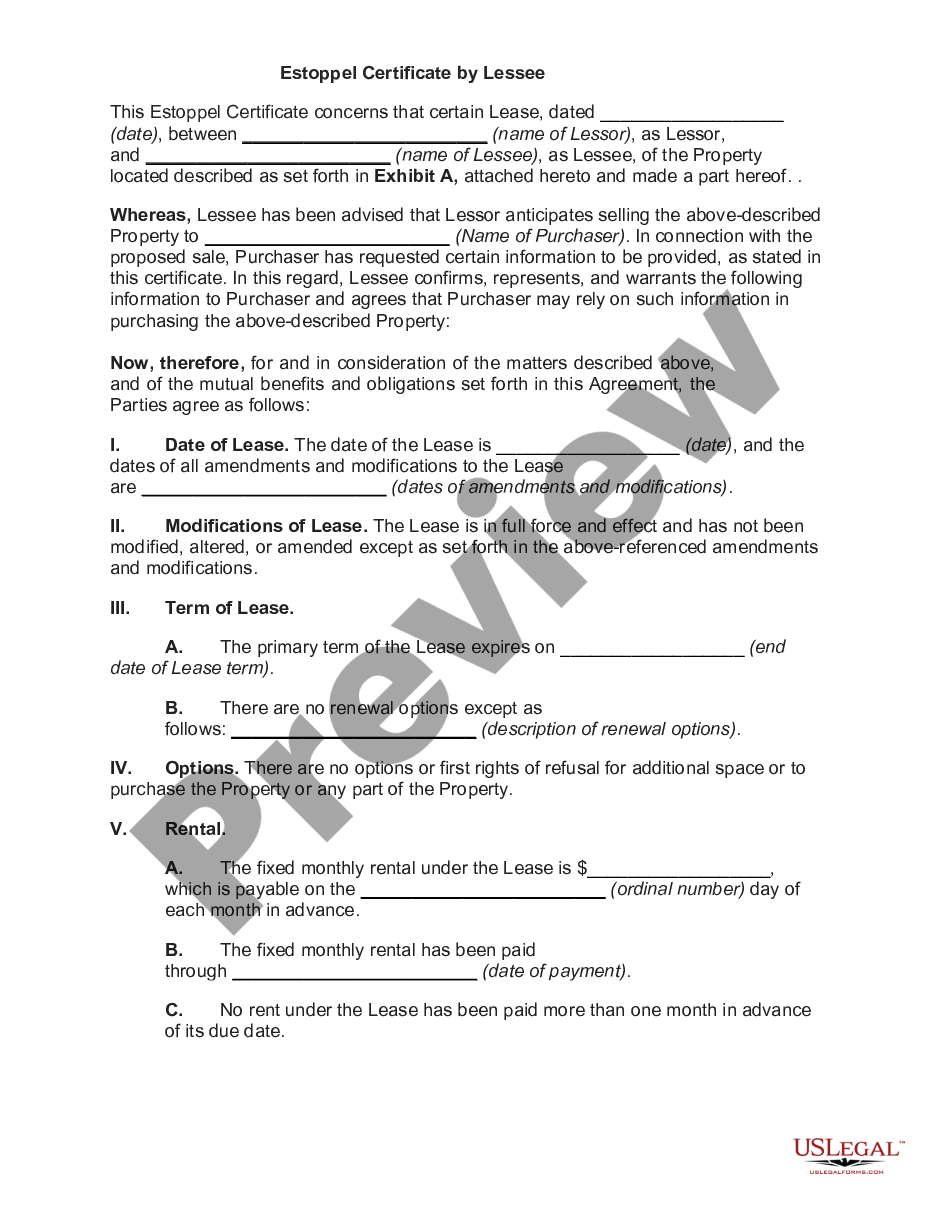
An estoppel certificate is a document that helps clarify the terms of a lease agreement, ensuring both tenants and landlords know where they stand. It's like a snapshot of the lease situation.