Houston Texas Private Placement Financing
Description






How to fill out Private Placement Financing?
Creating legal paperwork can be tedious.
Moreover, if you choose to hire an attorney to craft a business contract, documents for property transfer, pre-nuptial agreement, dissolution paperwork, or the Houston Private Placement Financing, it might drain your finances.
Browse the page and ensure there is a sample for your area.
- What is the optimal method to conserve time and cash while drafting valid forms in full adherence to your state and municipal statutes.
- US Legal Forms is a fantastic answer, whether you're in need of templates for personal or corporate purposes.
- US Legal Forms boasts the most comprehensive online repository of state-specific legal documents, offering users current and professionally validated templates for any scenario all compiled in one location.
- Thus, if you require the latest version of the Houston Private Placement Financing, you can swiftly find it on our site.
- Acquiring the documents demands minimal time.
- Those who already possess an account should confirm their subscription is active, Log In, and choose the sample by clicking on the Download button.
- If you haven't yet subscribed, here's how you can obtain the Houston Private Placement Financing.
Form popularity
FAQ
Typically, private placements are exempt from full registration under federal securities laws if they meet specific criteria. However, issuers must still file necessary documents and provide disclosures. To understand these nuances in Houston Texas Private Placement Financing, USLegalForms can be a helpful resource that simplifies this legal landscape.
Rules for private placement include adherence to Regulation D, which outlines how to conduct securities offerings without registration. Additionally, restrictions on the number and type of investors may apply. To navigate these rules effectively, consider leveraging the resources on USLegalForms, which can guide you in the context of Houston Texas Private Placement Financing.
Yes, selling private placements generally requires a securities license. This license ensures that you are qualified and knowledgeable about regulations, protecting both you and your clients. If you are pursuing Houston Texas Private Placement Financing, USLegalForms can provide guidance on licensing steps specific to Texas.
Yes, private placement programs are legal when they comply with federal and state regulations. These programs can provide significant opportunities for both investors and issuers. Ensuring compliance is crucial, and you can rely on USLegalForms for tools and resources that assist with Houston Texas Private Placement Financing.
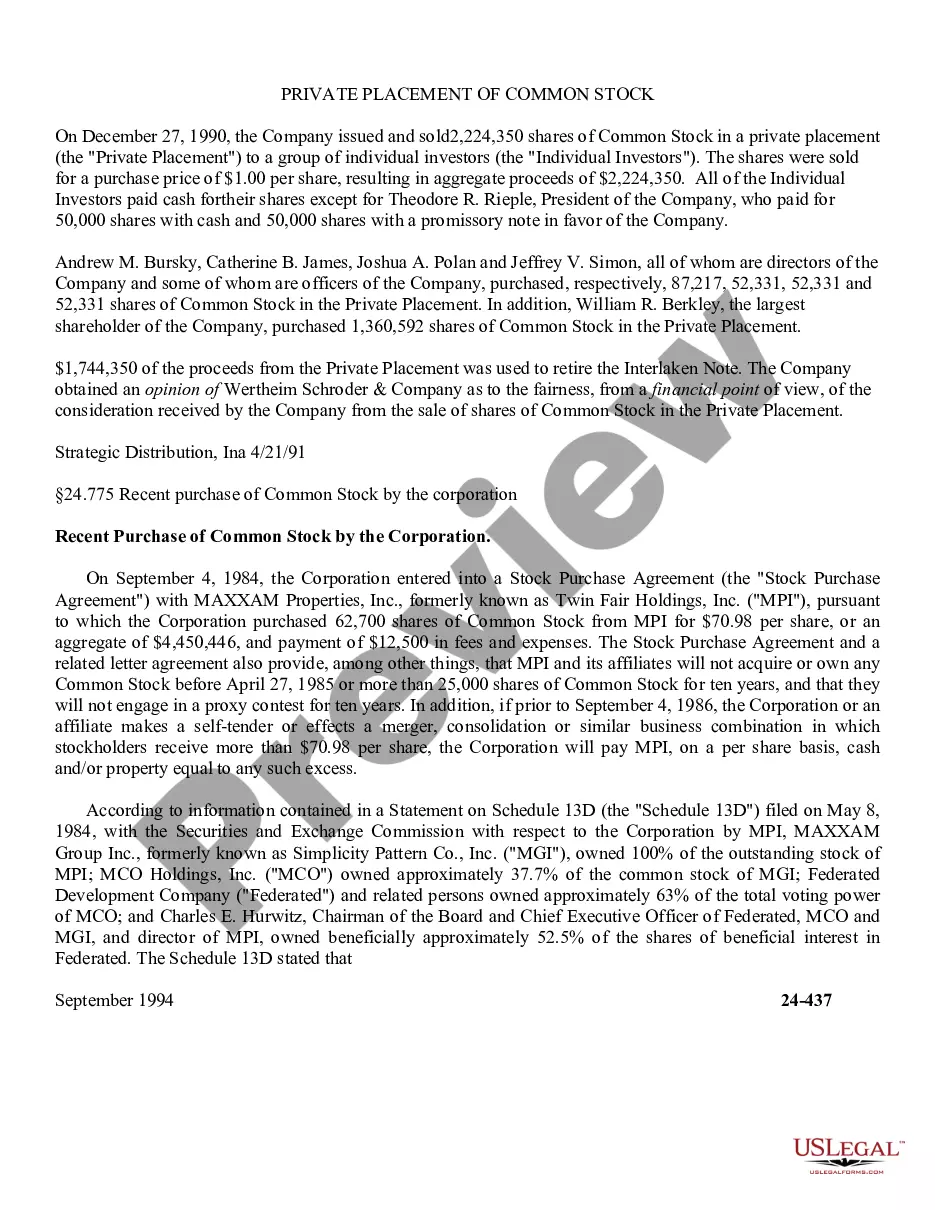
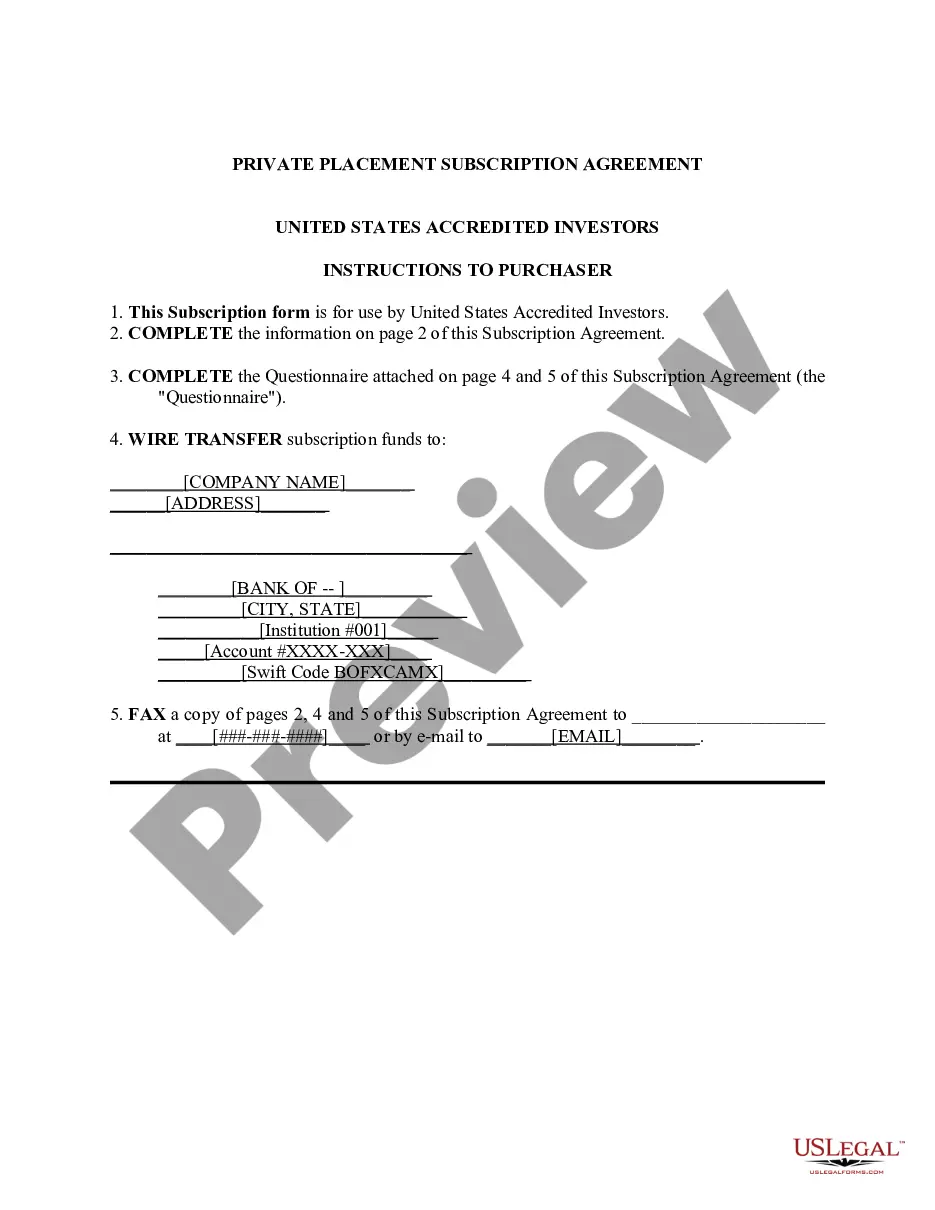
When undertaking a private placement, you'll need documents like a private placement memorandum, subscription agreements, and financial statements. These documents ensure transparency and compliance with relevant laws. You can find templates and legal support for these documents through USLegalForms, helping you navigate Houston Texas Private Placement Financing.
To sell private placements, you typically need to be registered with the appropriate regulatory bodies, such as the SEC or FINRA. Different states may have additional requirements, so it's wise to check local regulations. For those interested in Houston Texas Private Placement Financing, USLegalForms offers insights into licensing requirements in Texas.
Executing a private placement involves identifying potential investors, preparing an offering document, and ensuring compliance with regulatory requirements. You can streamline this process by using tools available on USLegalForms, which provide templates for offering documents tailored to Houston Texas Private Placement Financing. Always consult a legal expert to ensure every detail is covered.
To become a private placement agent, start by gaining experience in finance or securities. Networking with industry professionals and obtaining necessary certifications will also help. Utilize platforms like USLegalForms for resources and guidance on navigating the legal aspects of Houston Texas Private Placement Financing.
Private placements come with disadvantages, including limited access to a wider investor base. This restriction can hinder a company's ability to raise adequate funds. Furthermore, these investments often lack the liquidity that public shares offer, which might deter some investors. For businesses exploring Houston Texas Private Placement Financing, understanding these challenges is essential in making informed decisions.
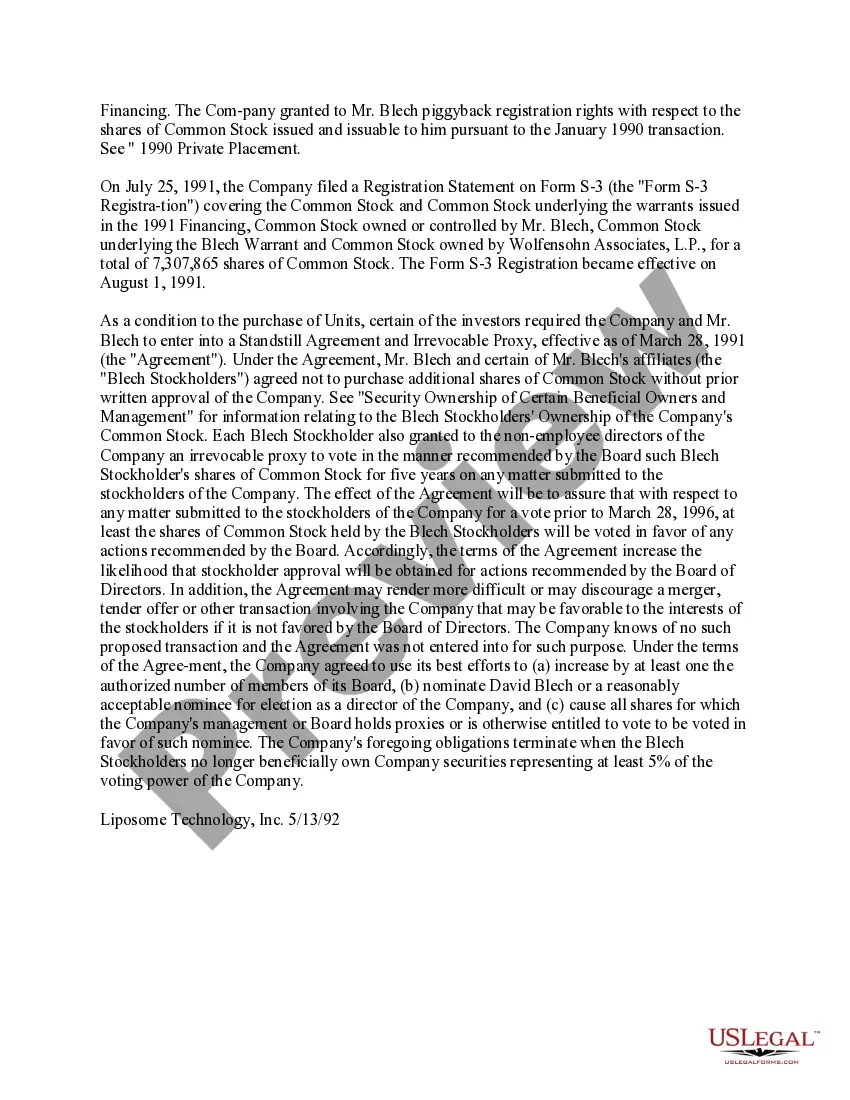
Private placement financing is a method where companies raise capital by selling securities directly to a select group of investors. This approach bypasses the public markets, offering greater flexibility and control in structuring investments. It can be particularly appealing in Houston, Texas, where local investors are keen to support promising ventures. Such financing can empower businesses to grow without the extensive regulations tied to public offerings.