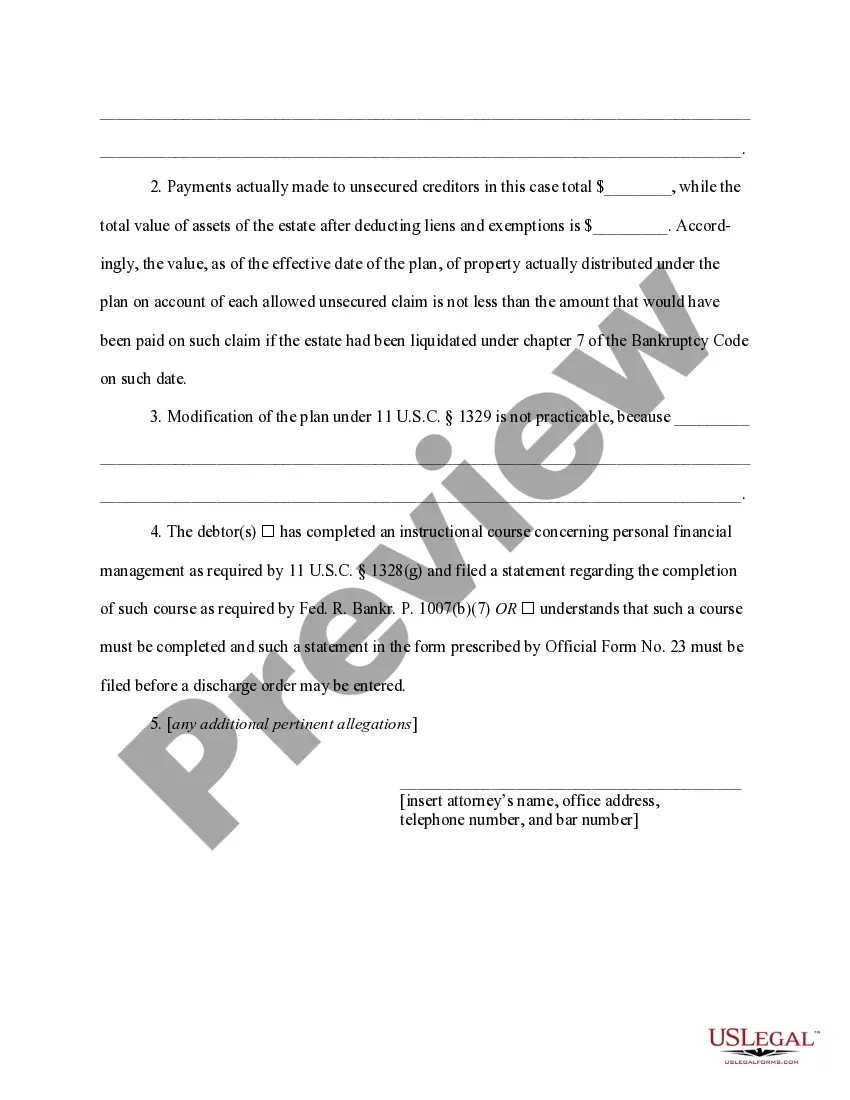
Include details about your income, debts, and why you're struggling. It’s like painting a picture of your financial reality, so make it as clear as can be to help the court understand your situation.
The timeline can vary, but expect a few months. You’ll need to gather some paperwork and possibly attend a court hearing, so patience is key.
Yes, creditors can object if they believe you shouldn't be discharged. However, the court will take a good look at your situation before making any decisions.
Once you file, the court will review your situation. They might hold a hearing where you explain your financial troubles, and then they’ll decide whether to grant your request.
You know you might be eligible if your financial situation is dire. If you've got a job but your expenses outweigh your income, or if you're facing unexpected bills, you could qualify.
Typically, anyone who finds themselves in a tough spot financially can file. If you’re in over your head with debt and can’t make ends meet, you might be eligible.
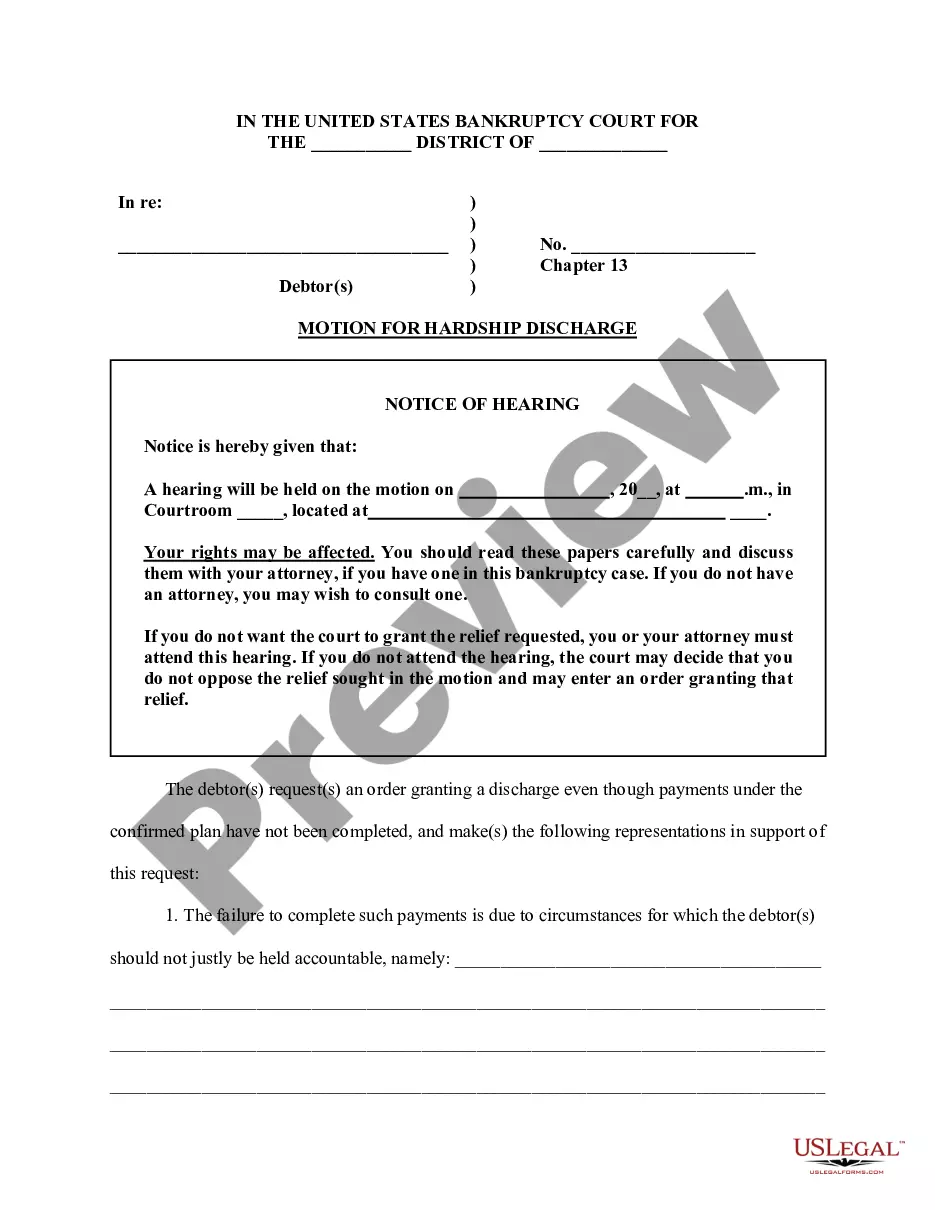
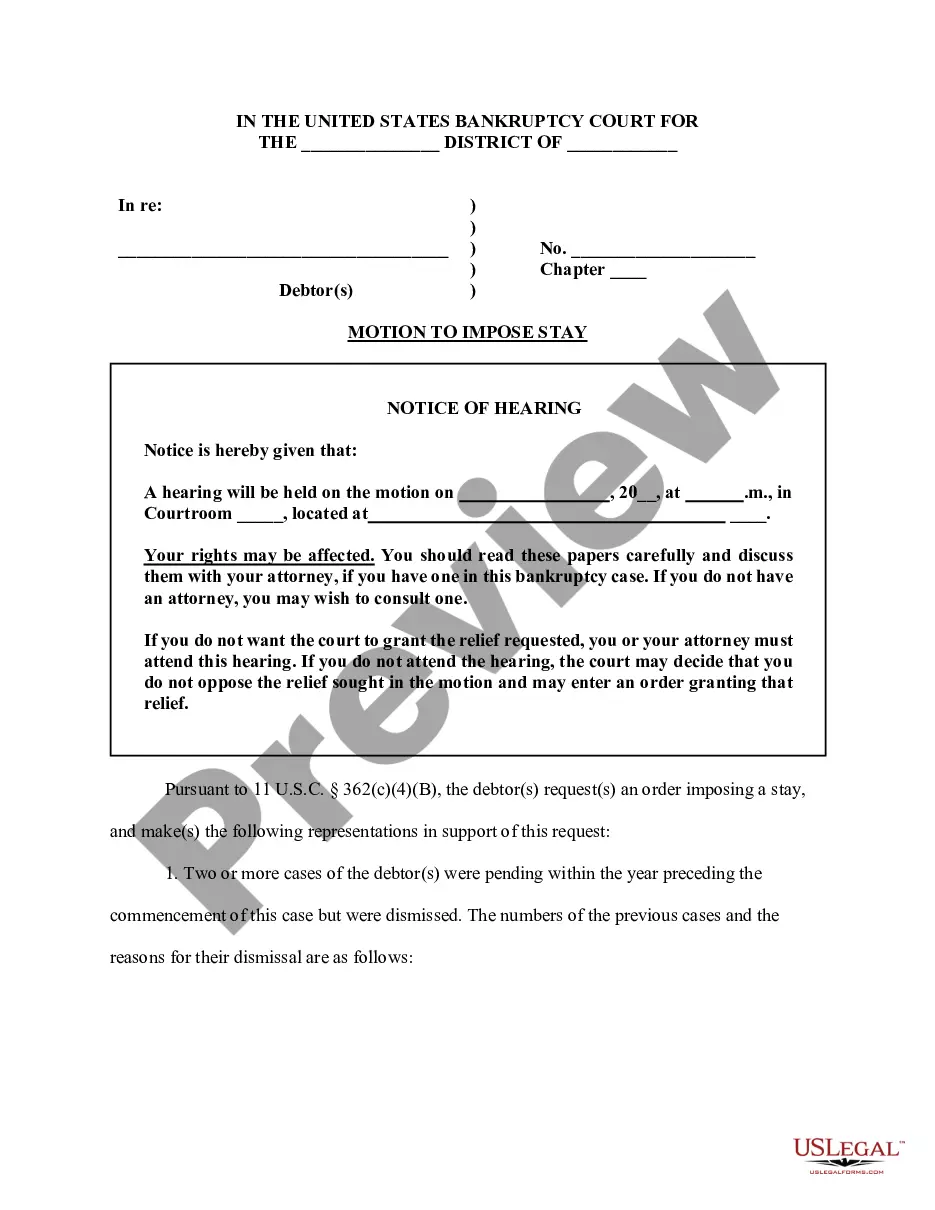
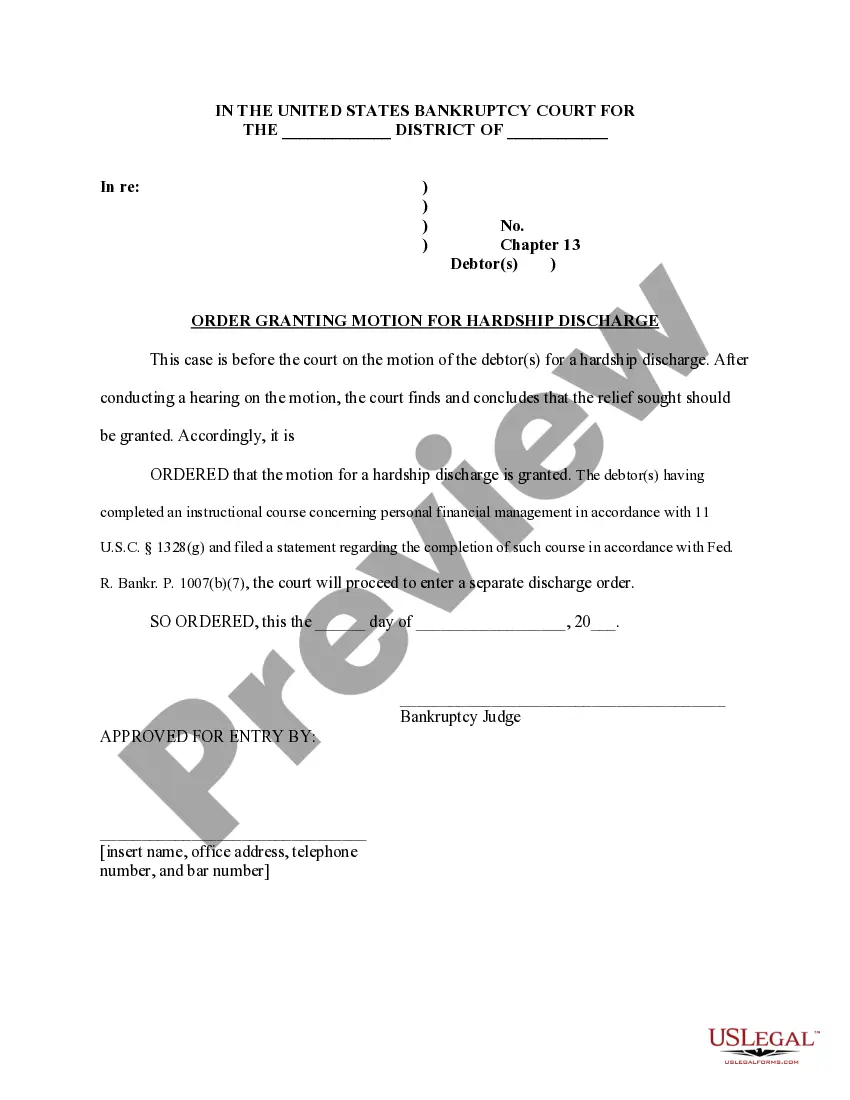
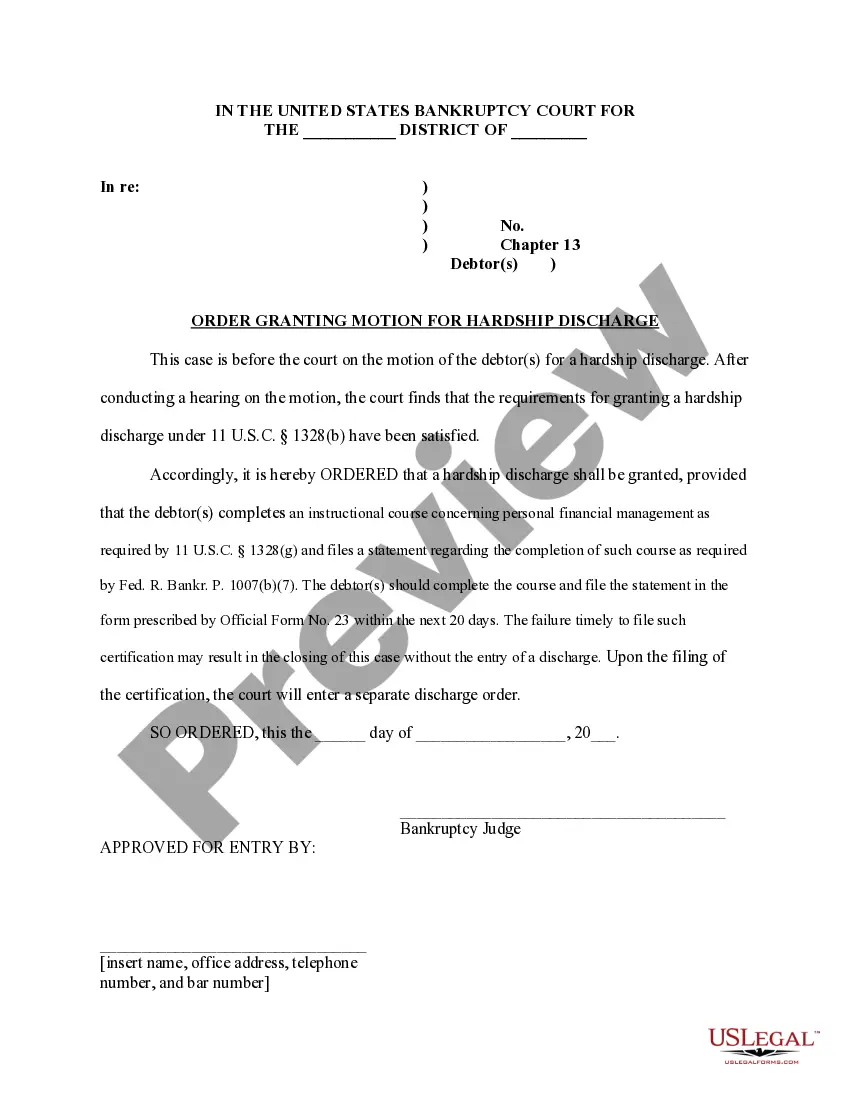
A motion for hardship discharge is basically a request to clear your debts when repaying them is just too tough for you. It helps folks who are struggling financially to get a fresh start.