There can be exceptions, depending on the case. Some parts might still move forward, so it's best to check with legal advice to know what applies to your situation.
If you find yourself in that situation, it’s a good idea to stay in touch with your attorney. They'll guide you through what to do while things are on hold.
Yes, if a stay is put in place, it can delay the proceedings. It’s like hitting the brakes until the courts sort things out.
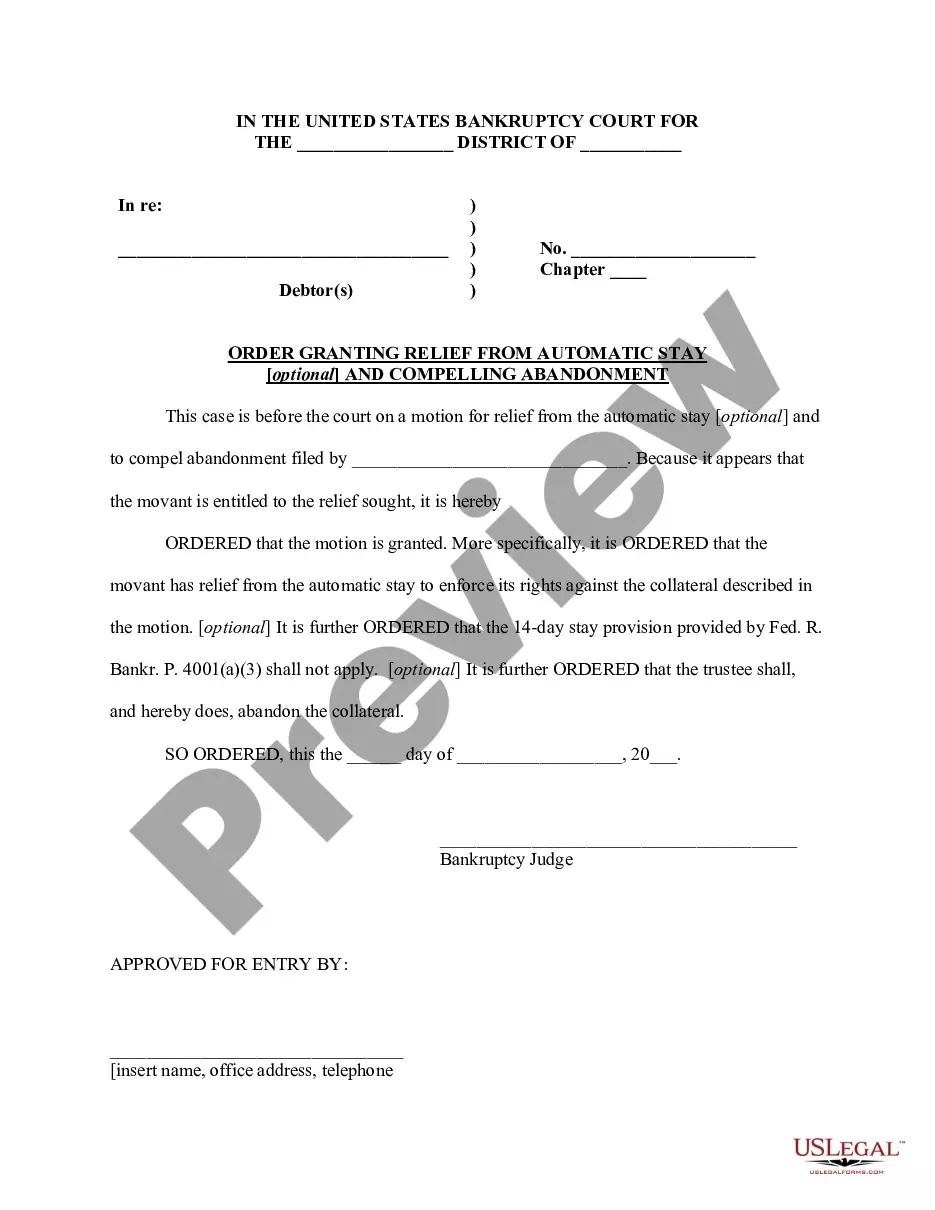
Yes, a stay can be lifted. One of the parties usually needs to file a request with the court, explaining why they think it's time to get back to business.
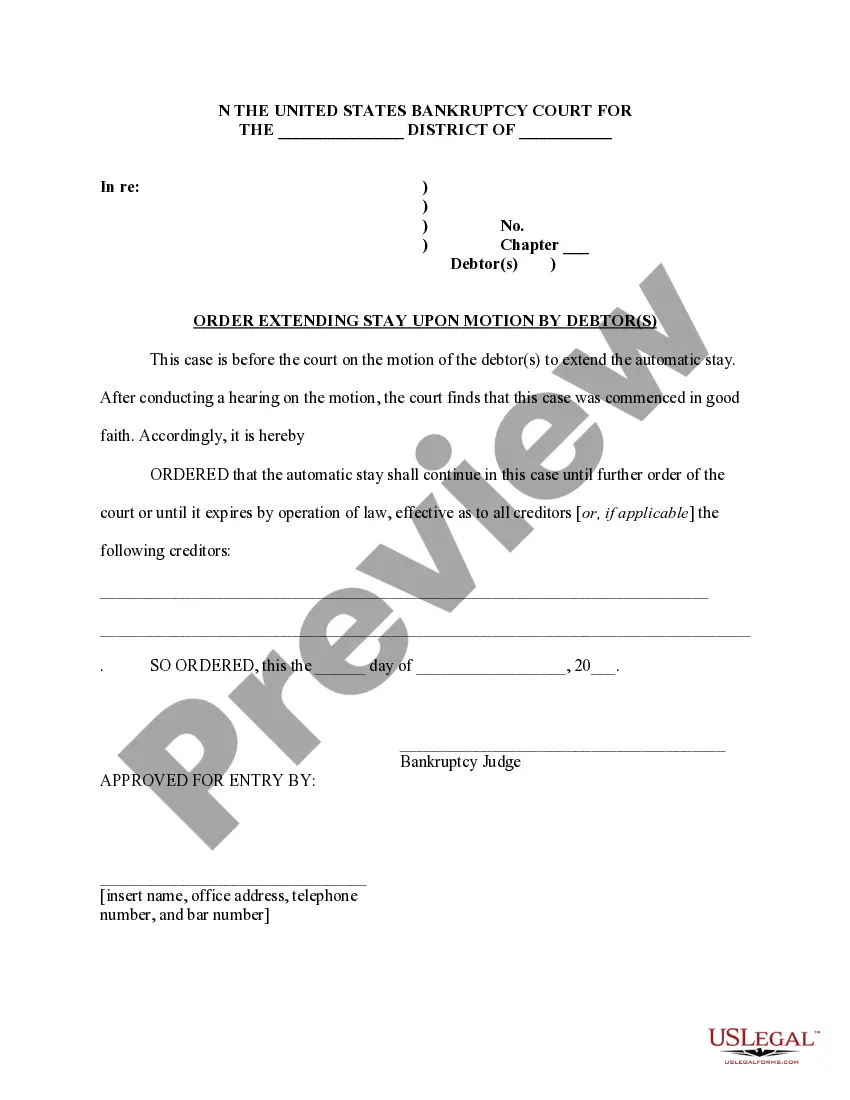
The length of a stay can vary. It's dependent on the specific case and what the court decides—sometimes it's short, and other times it might stretch on a bit longer.
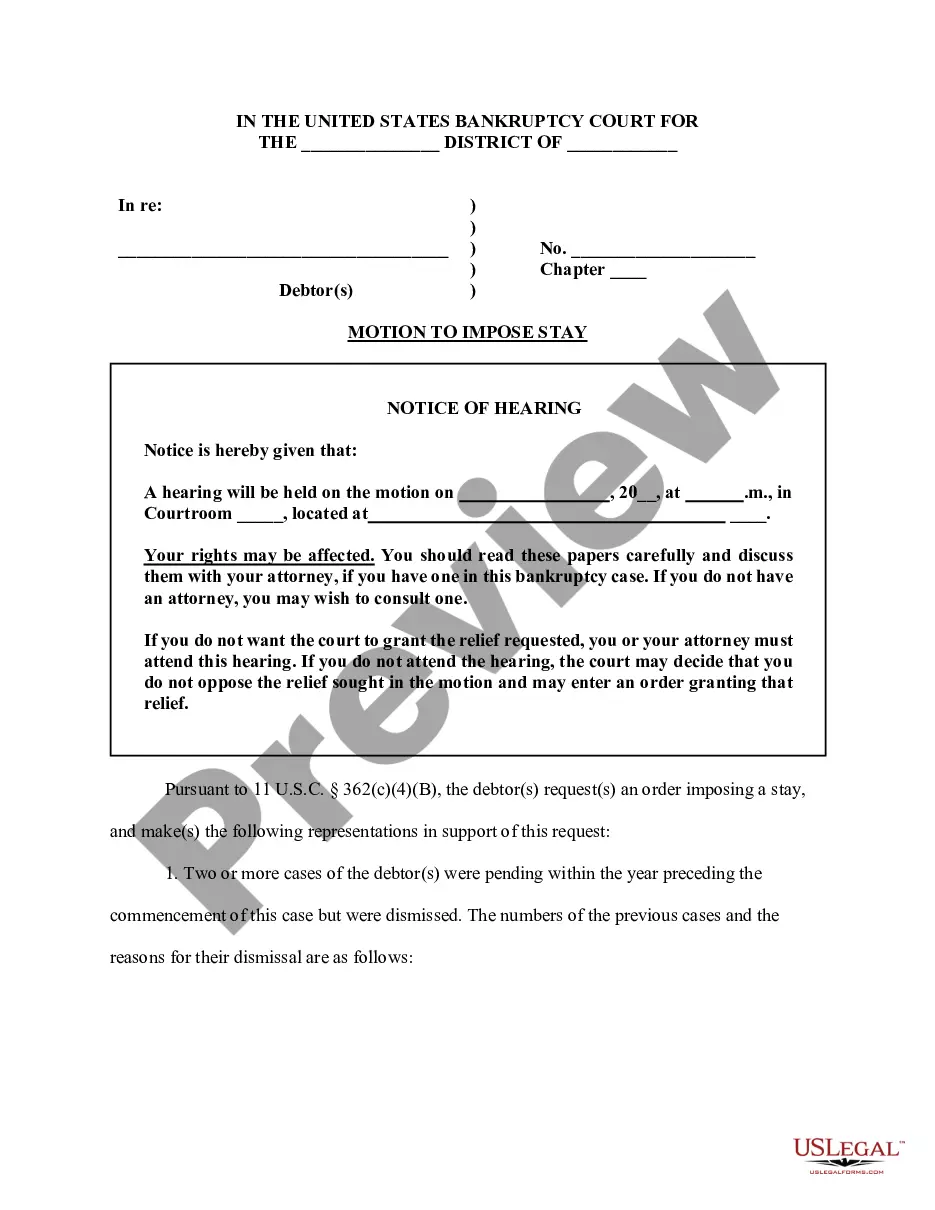
Usually, the parties involved in a case, like plaintiffs or defendants, can ask the court for a stay if they think it’s necessary.
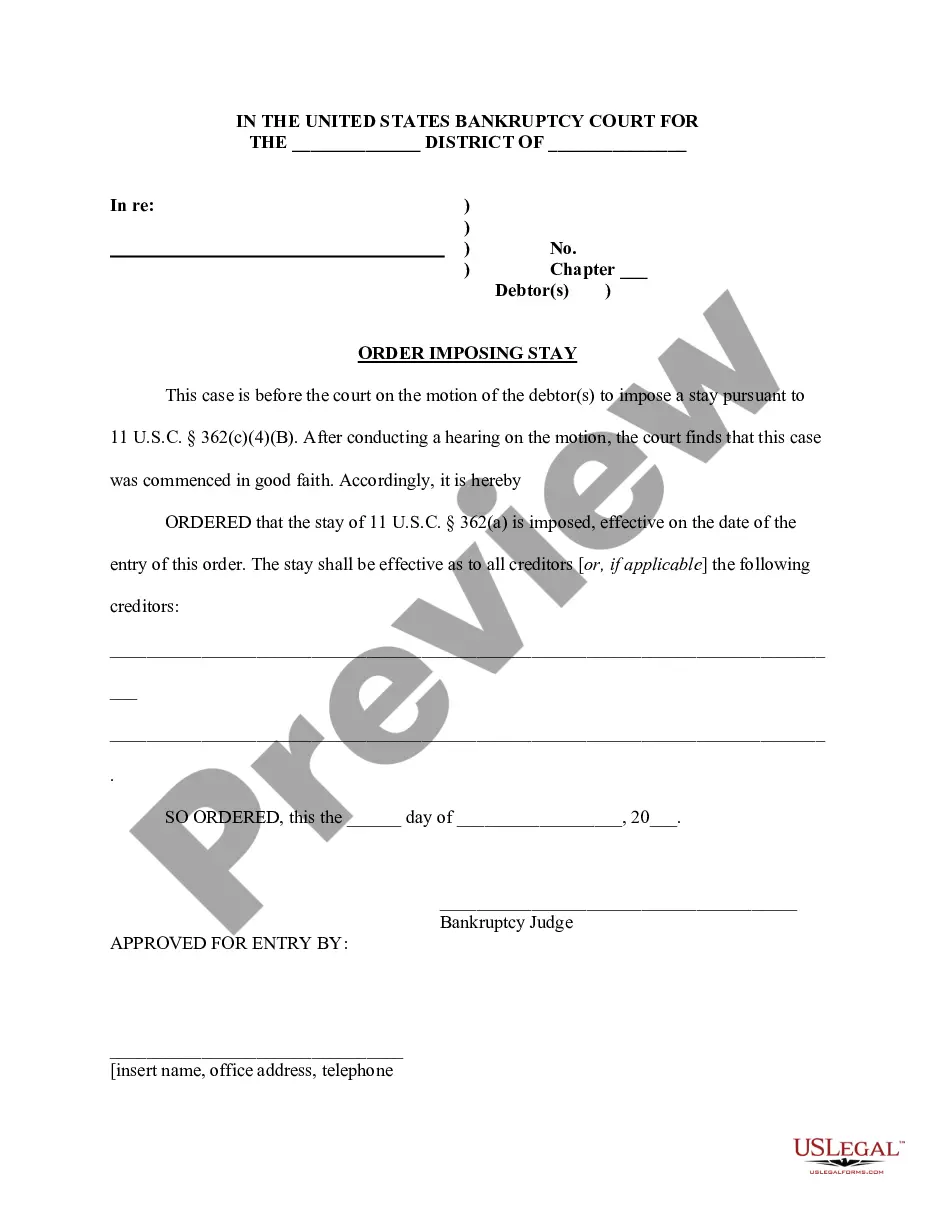
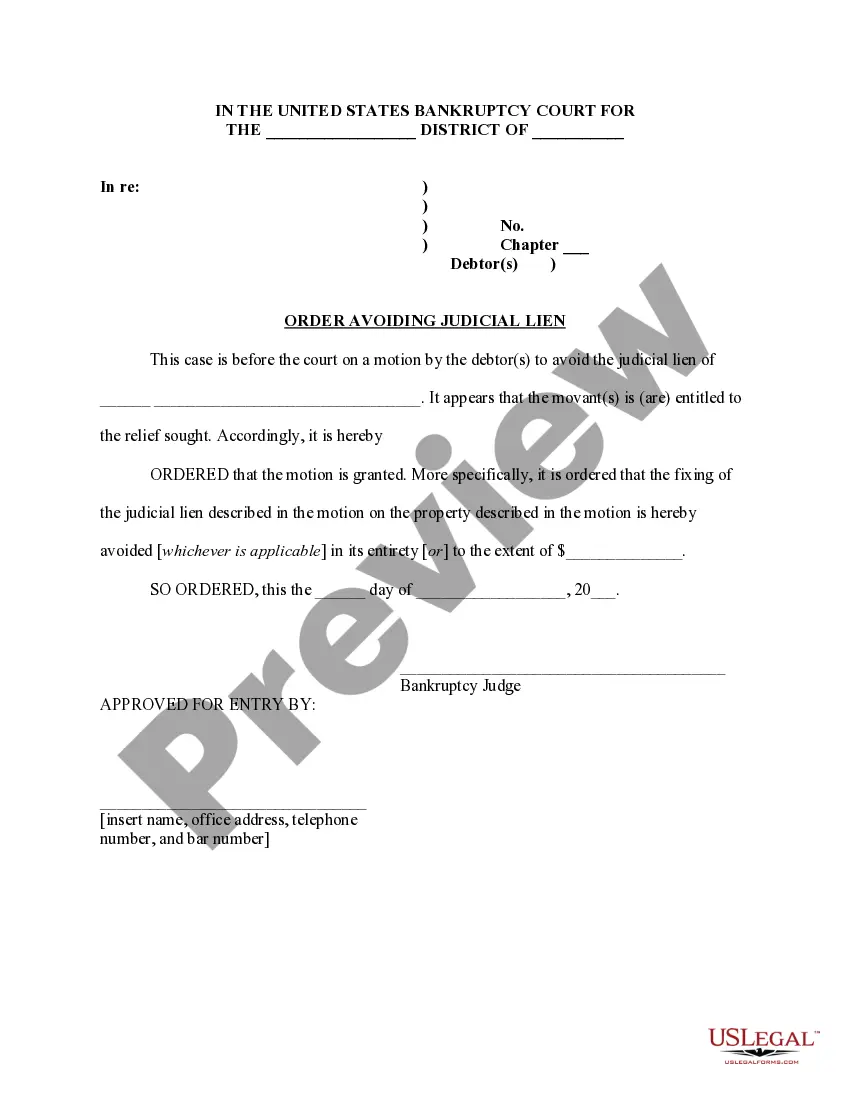
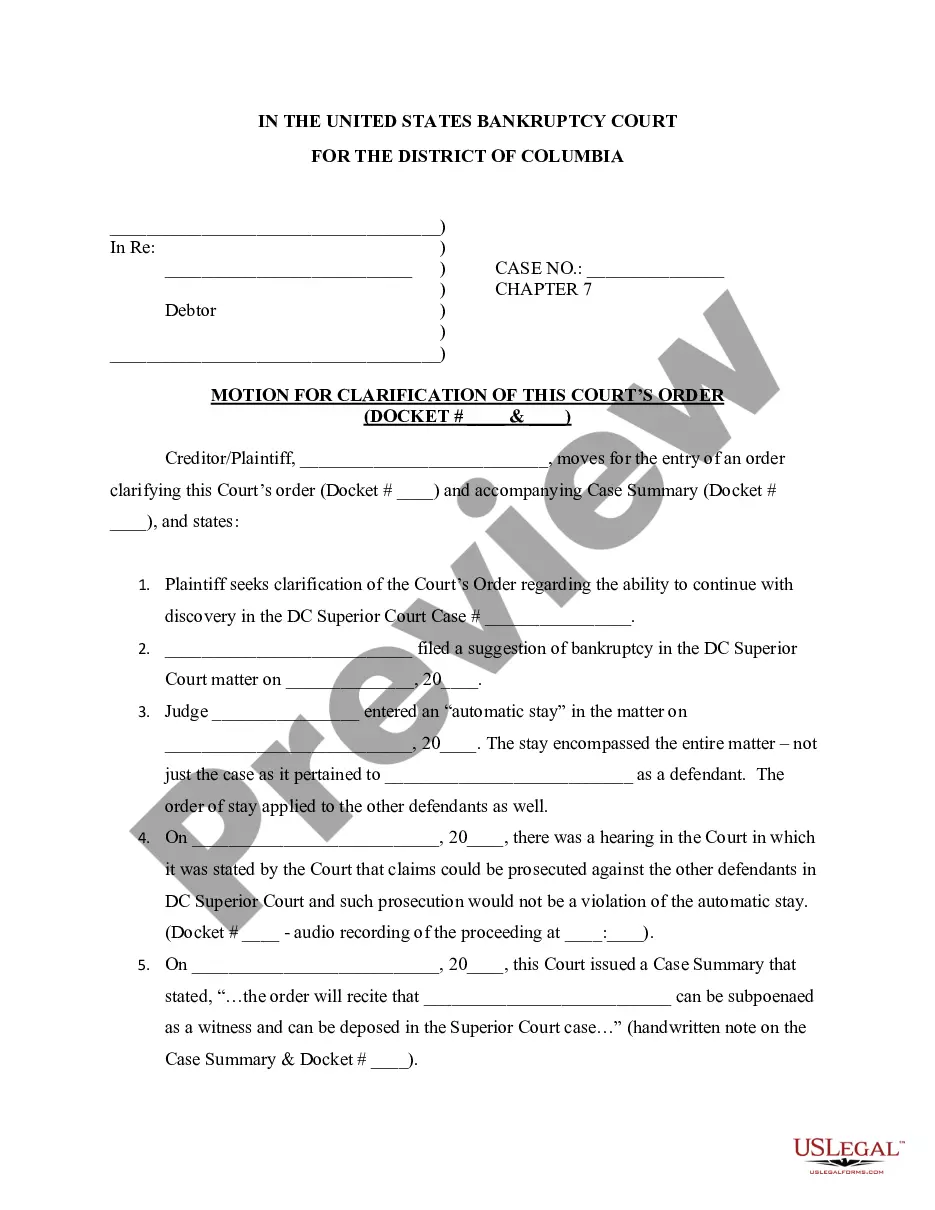
An order imposing a stay basically puts a hold on certain legal proceedings. It's like pressing the pause button until a decision is made on a related issue.