Chapter 11 is more about reorganizing debts and keeping things running, while Chapter 7 is like a fresh start, where most debts are wiped away, but you might lose some assets.
While you can go it alone, it's usually a smart move to have a lawyer by your side to navigate the tricky waters of bankruptcy.
If you're running a business, you can usually keep it alive and kicking, allowing you to reorganize and bounce back stronger.
Yes, typically, you can hang on to your assets after a discharge, as the goal is to help you rebuild rather than leave you with nothing.
Most unsecured debts, like credit cards and personal loans, can be wiped out, but some debts like taxes or student loans might stick around.
Getting your discharge can take a while, often several months or even longer, as the court needs to review everything carefully.
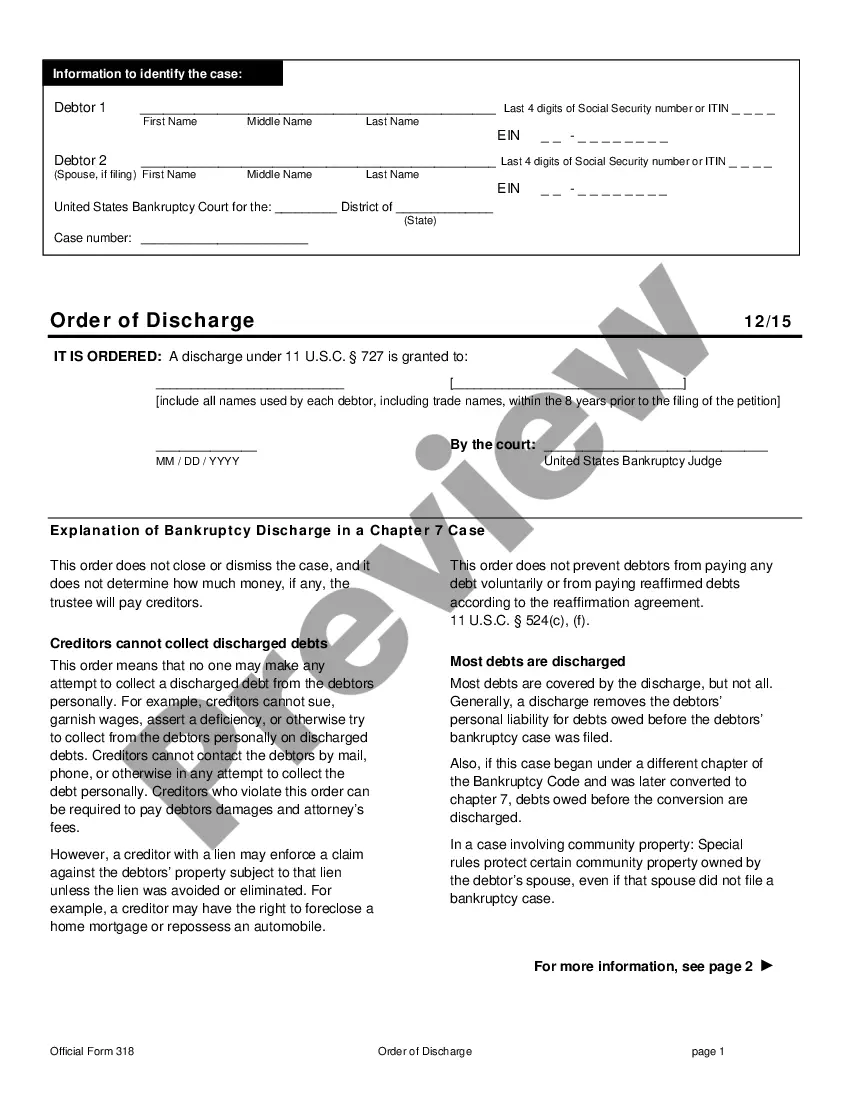
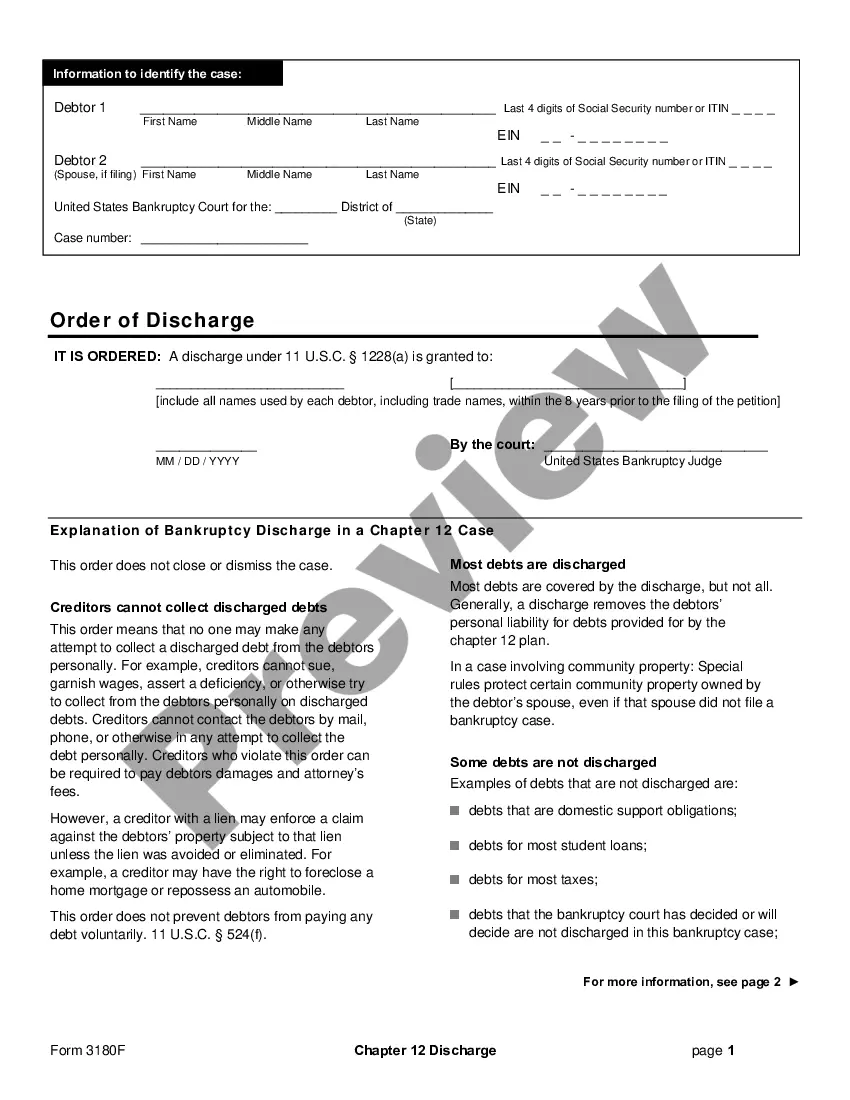
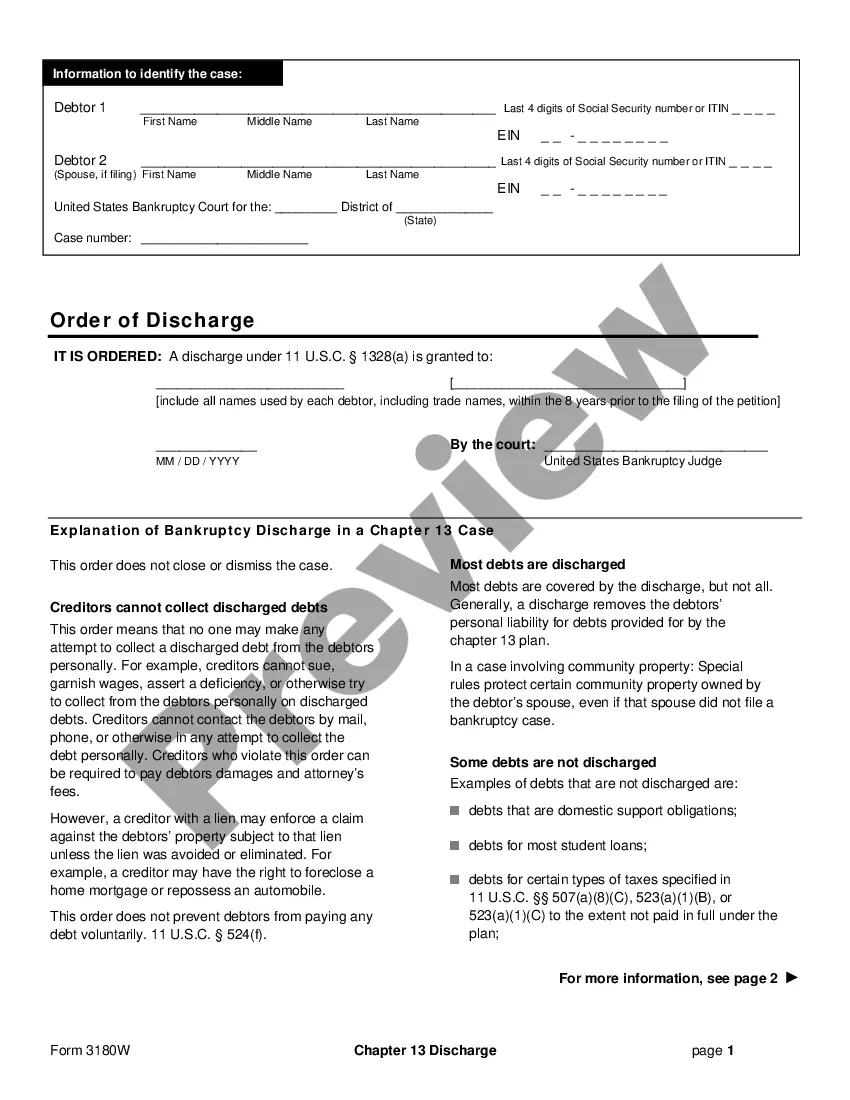
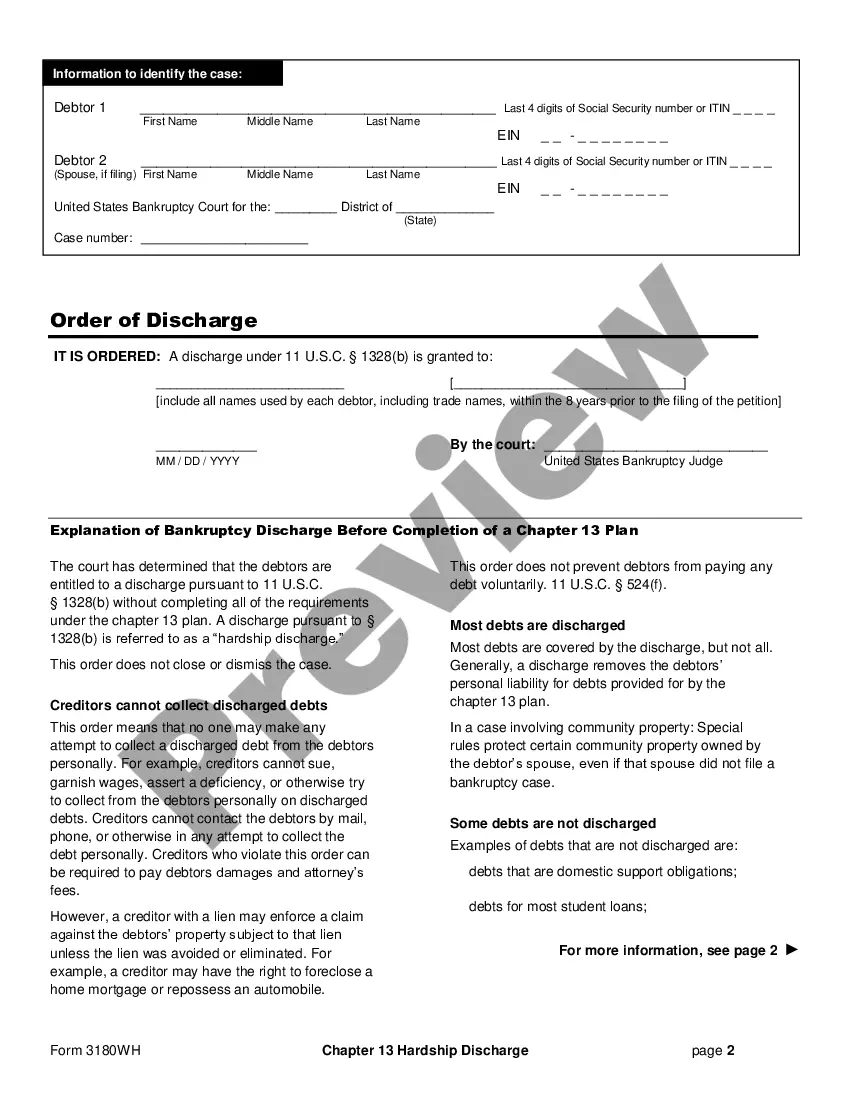
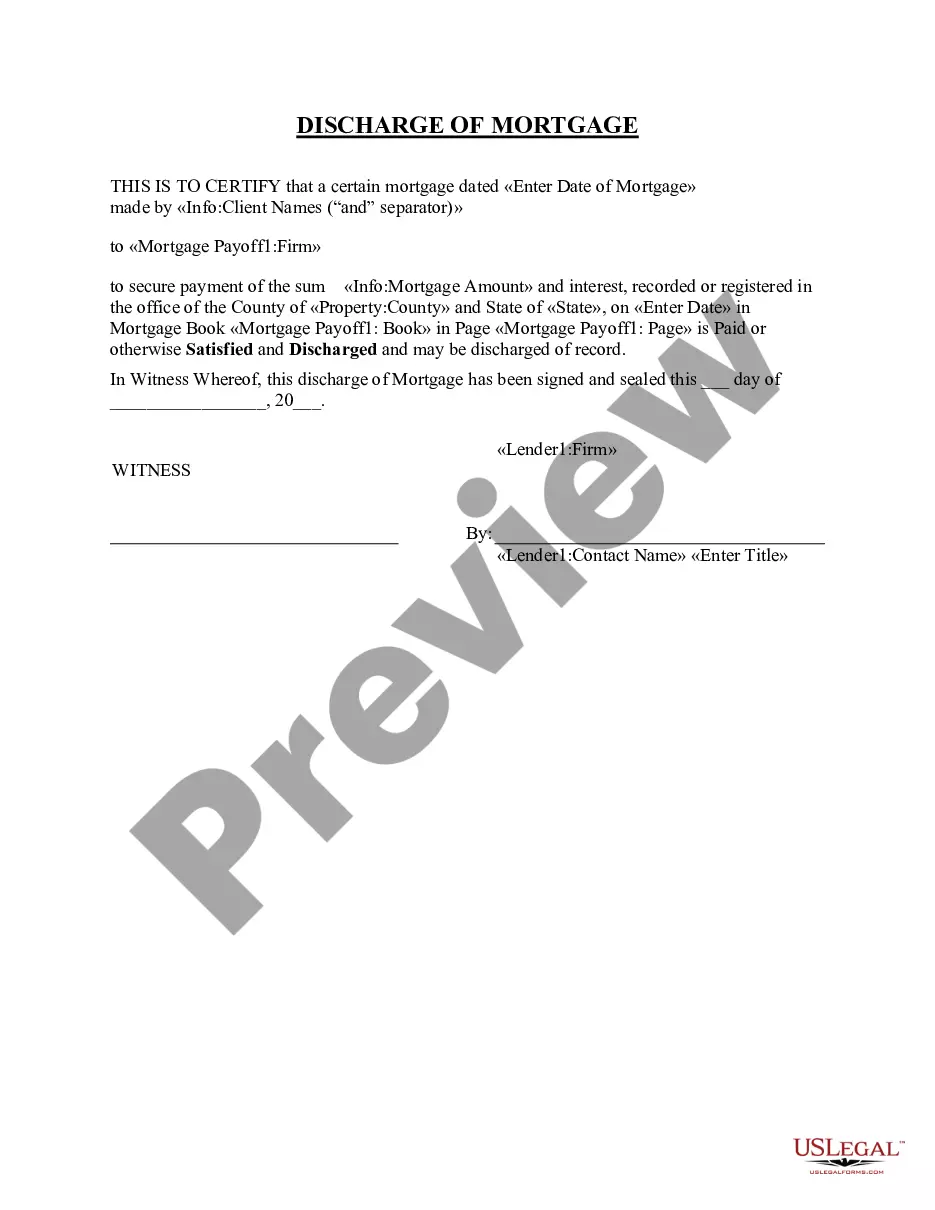
Discharging a Chapter 11 bankruptcy means that the court wipes the slate clean for your debts, so you no longer have to worry about paying them back.