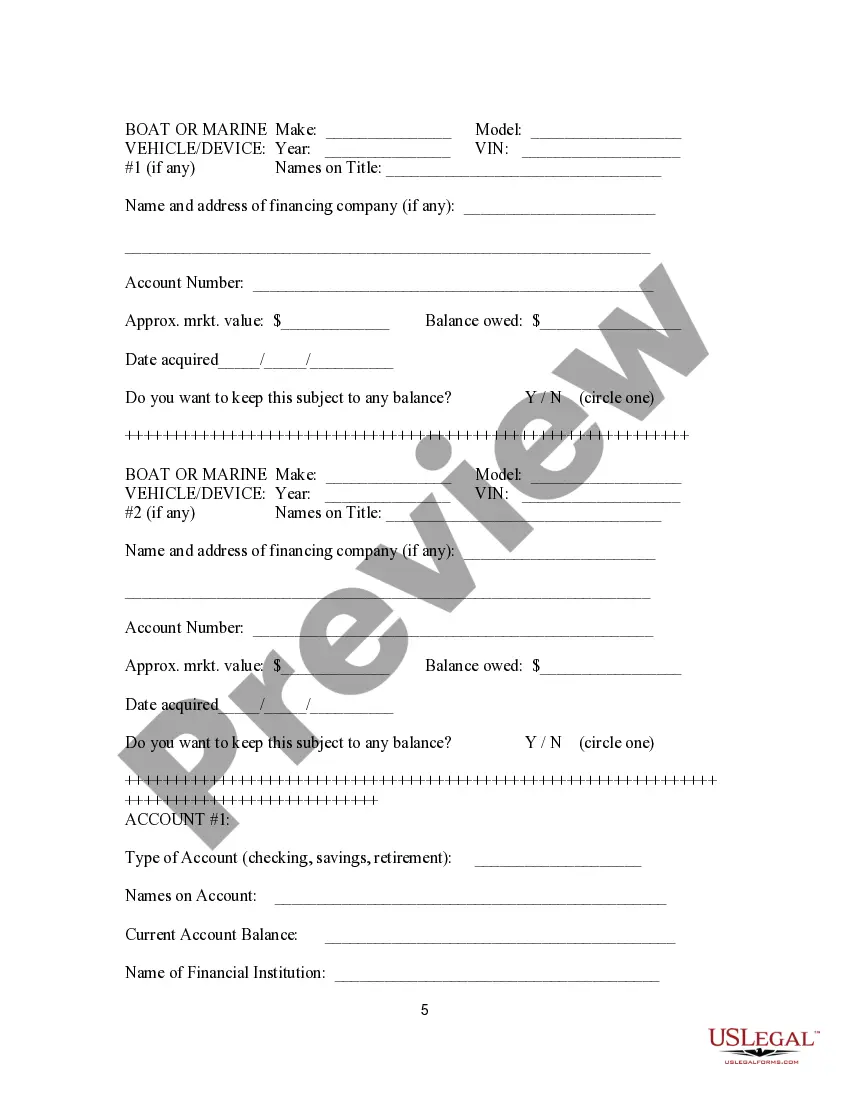
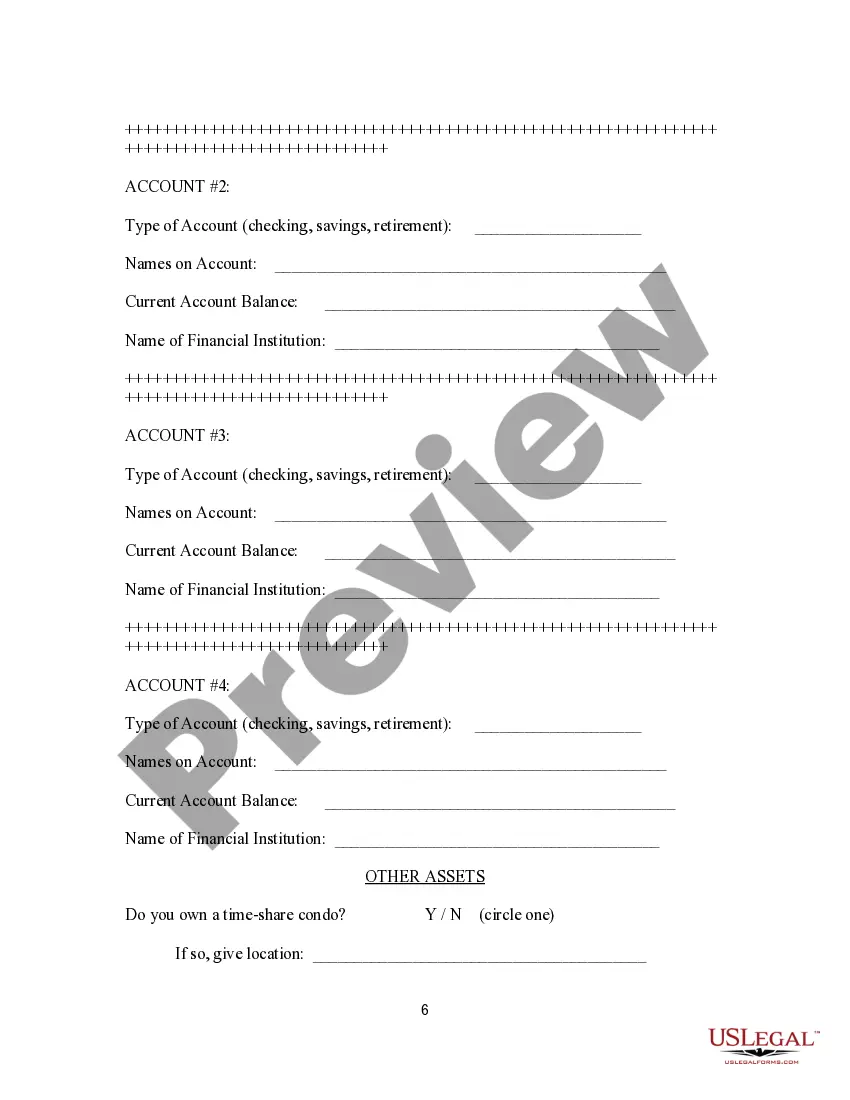
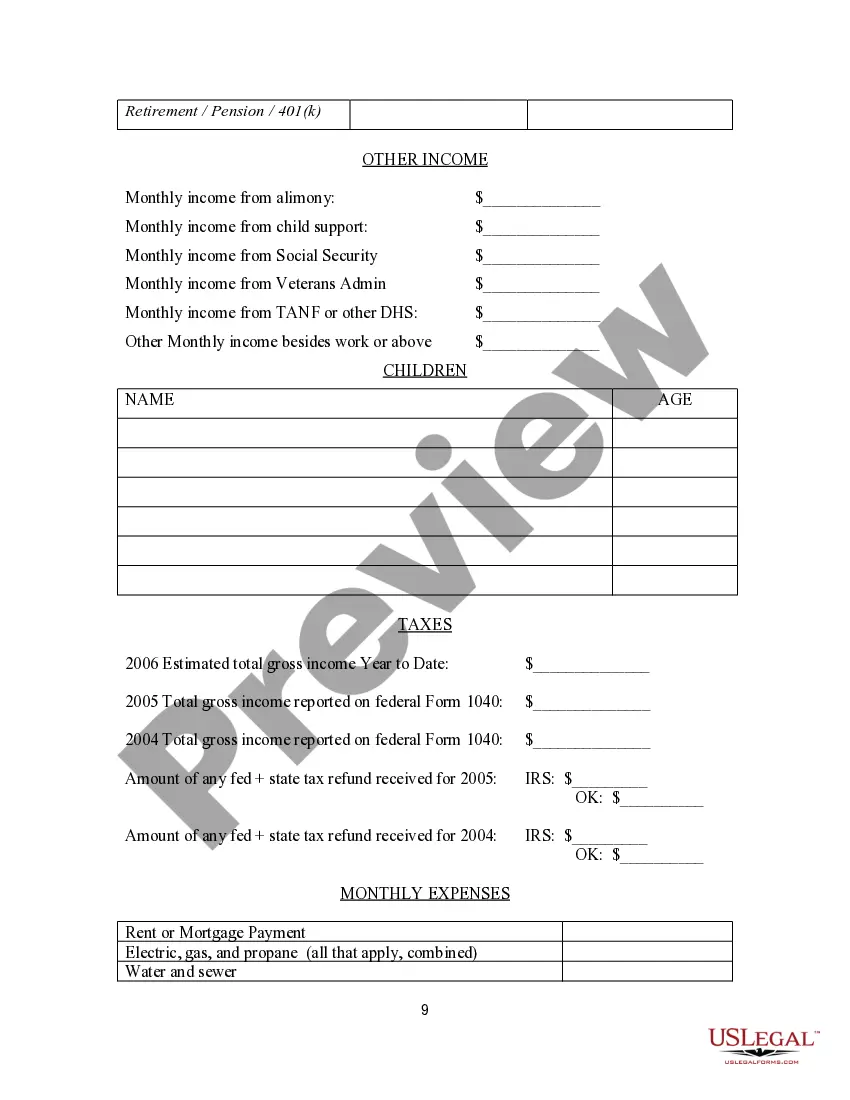
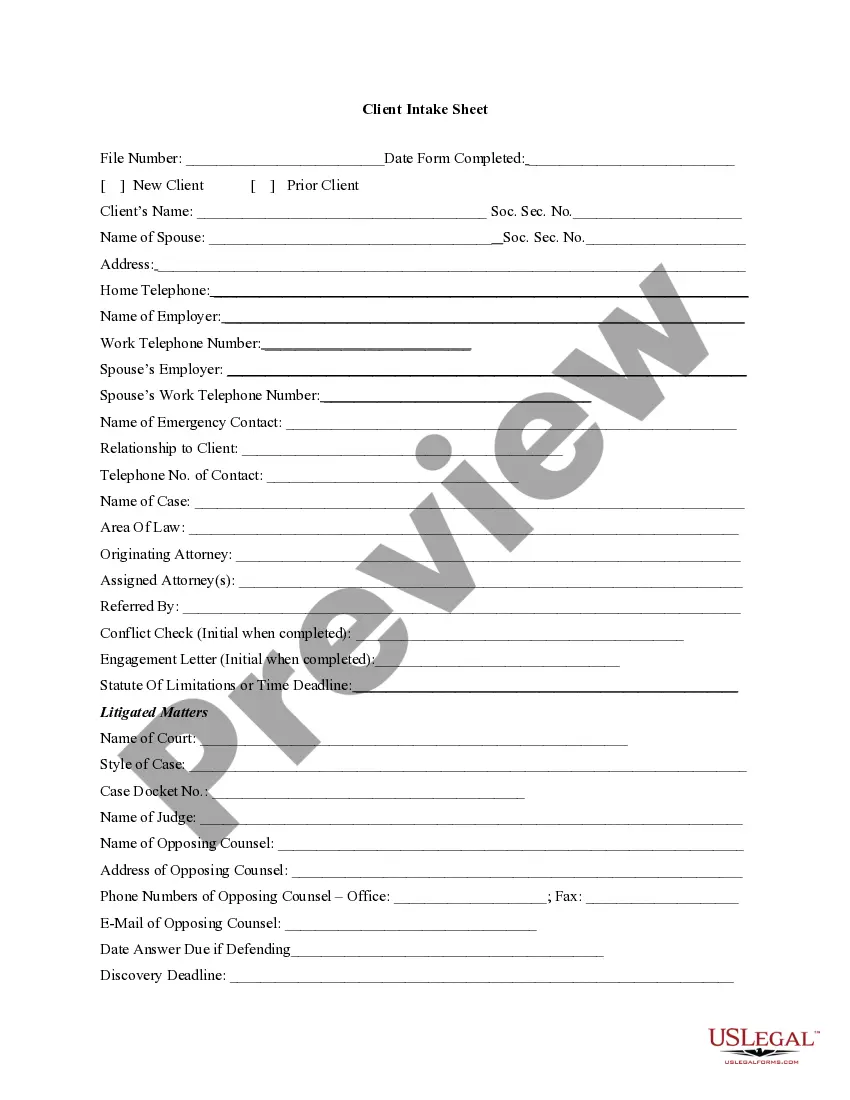
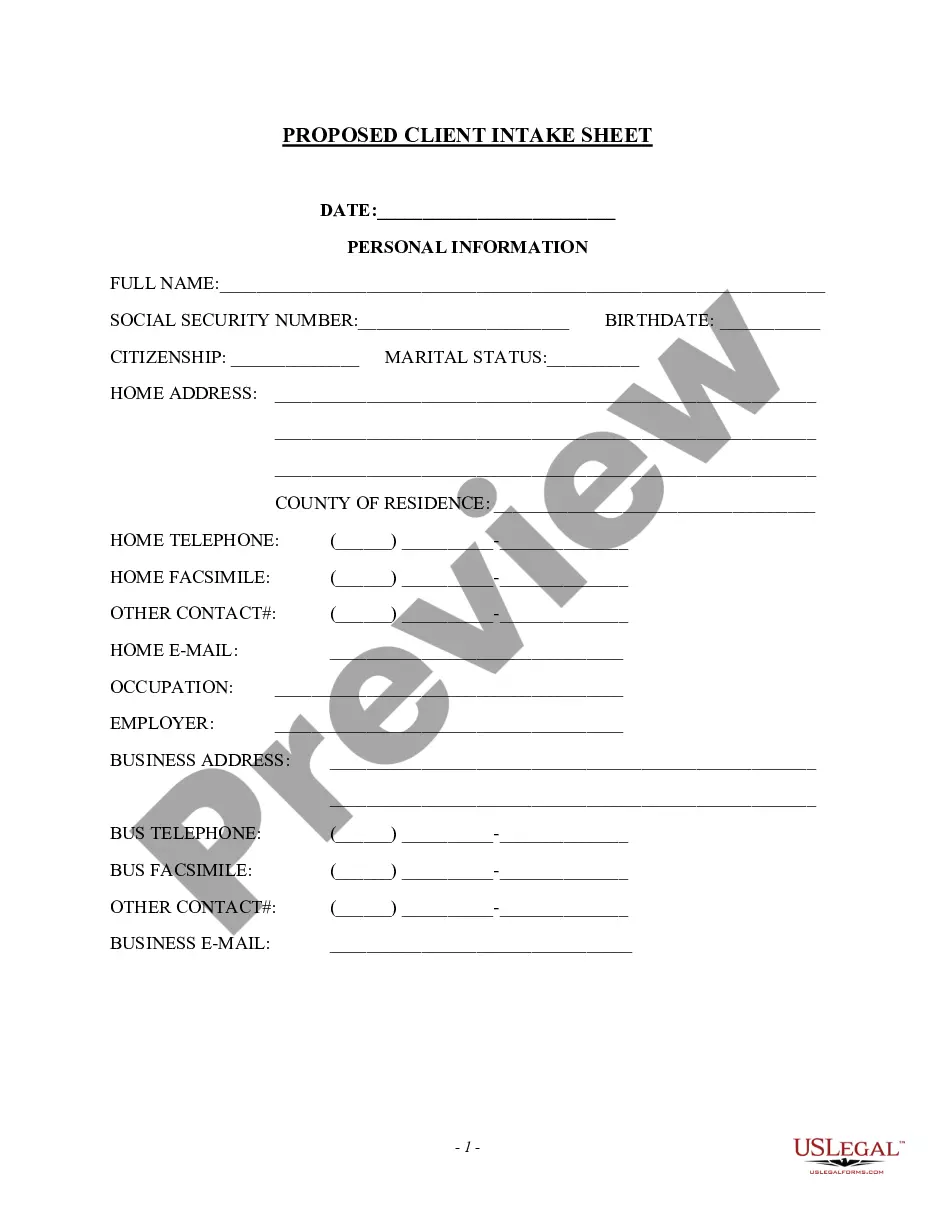
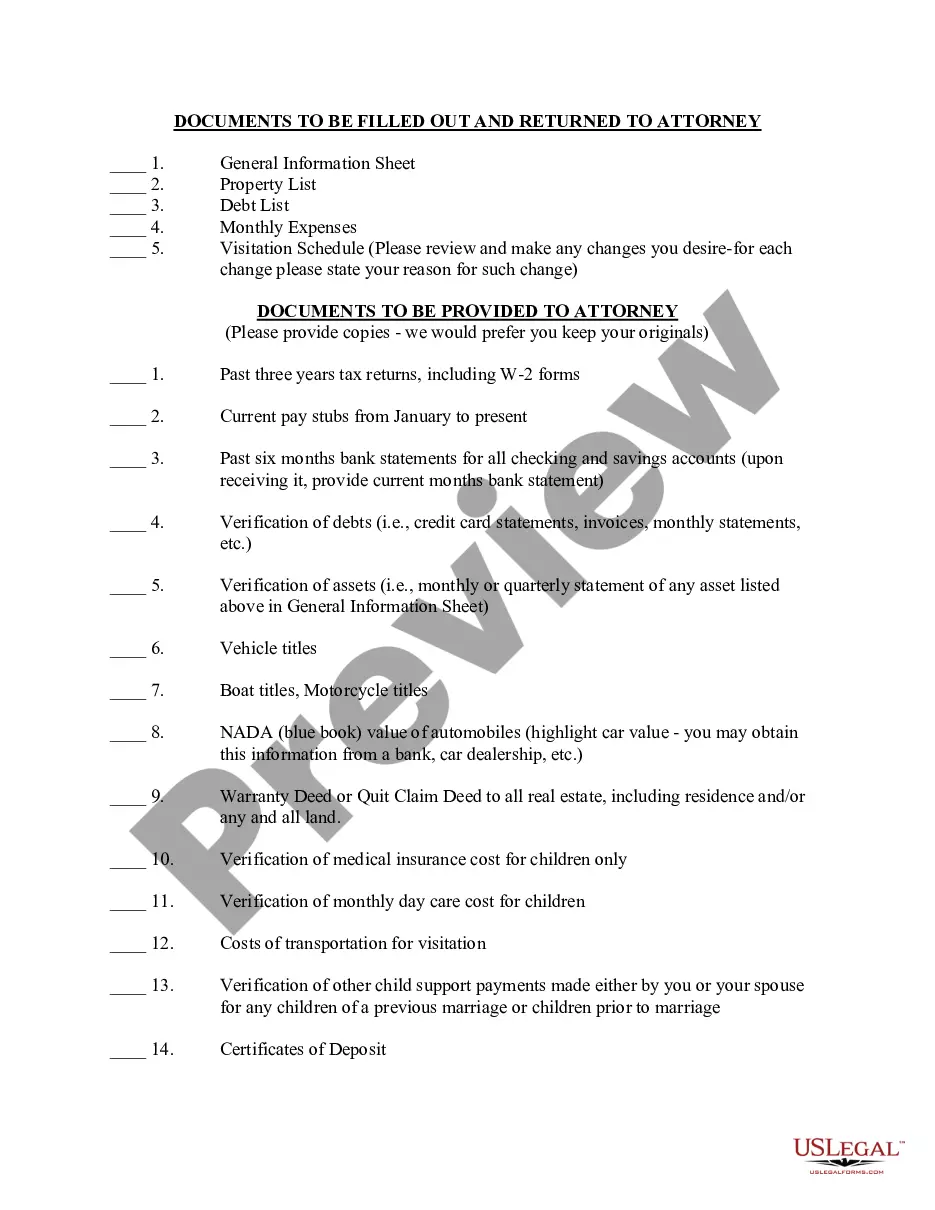
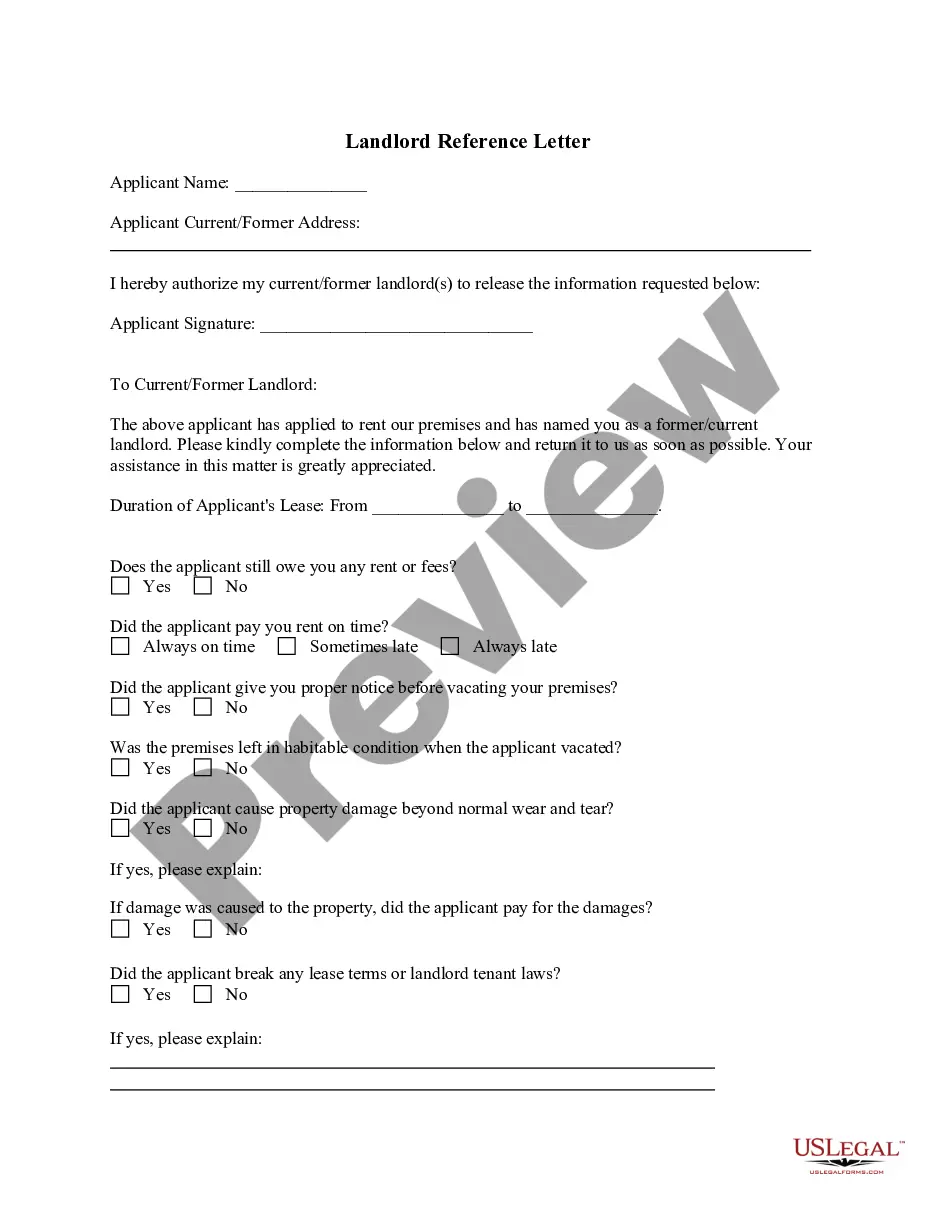
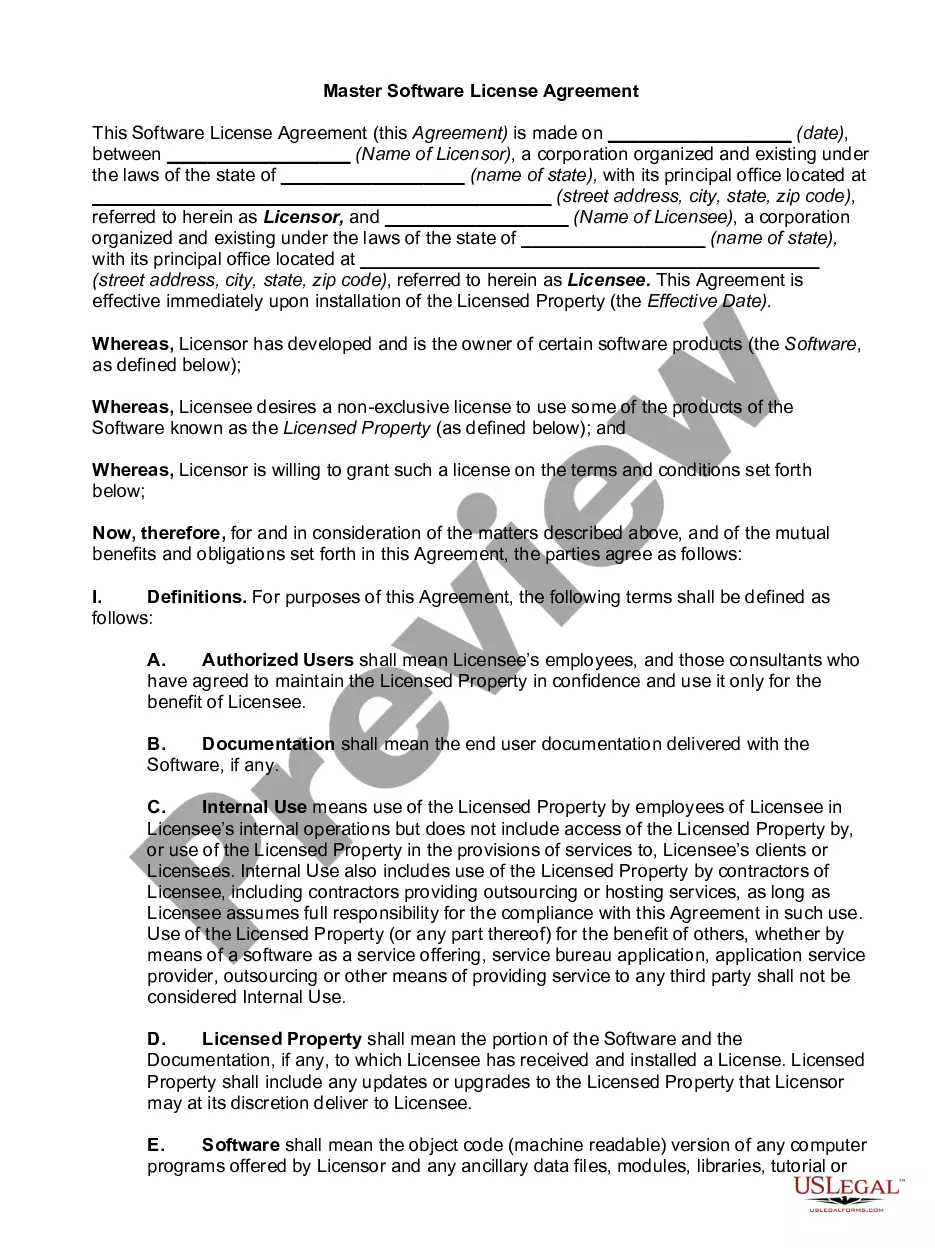
This forms allow the attorney to gather all necessary information about a debtor. The questionaire includes personal, financial, property, employment and debt information.
It usually takes a few months, but it can vary based on your situation. Think of it as a marathon, not a sprint — patience is key!
Bankruptcy can wipe out most unsecured debts, like credit card bills and medical bills. But remember, some debts like student loans and taxes might not go away.
Once you file, your credit cards will likely be closed, but you might be able to get a new card down the road. Think of it as a time to save and plan for the future.
Not necessarily! Many folks can keep their homes, especially if they’re keeping up with mortgage payments. We can explore options together.
Filing for bankruptcy can have a big impact on your credit score, usually lowering it for a while. However, it can also give you a fresh start, helping you rebuild over time.
You’ll want to bring a list of your debts, income information, and any legal documents you have. It’s better to have more than you need, just in case!