Once you send it, it's generally a done deal. If you change your mind, it’s best to communicate openly with the other party as soon as possible.
After you send the letter, it's up to the other party to respond. They might have questions, or they may accept it and start the next steps.
The notice period depends on the agreement. If it doesn't say, giving at least two weeks is a good rule of thumb—better safe than sorry!
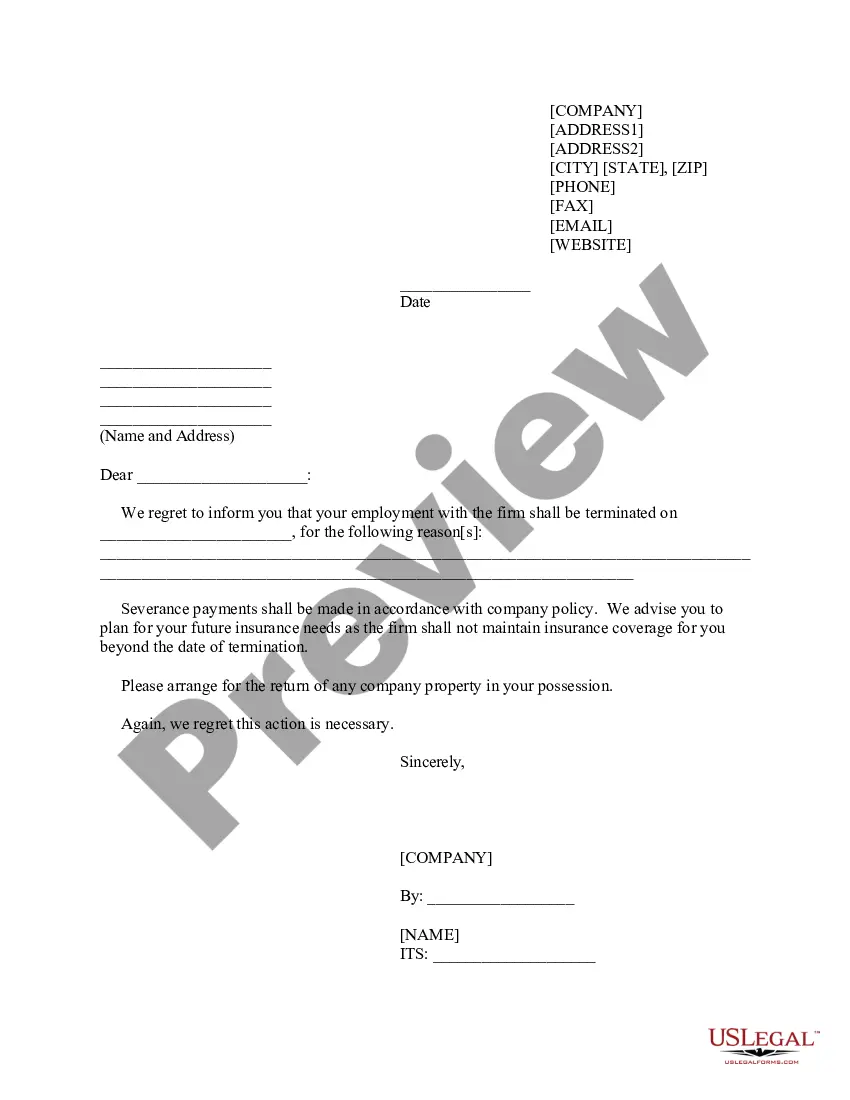
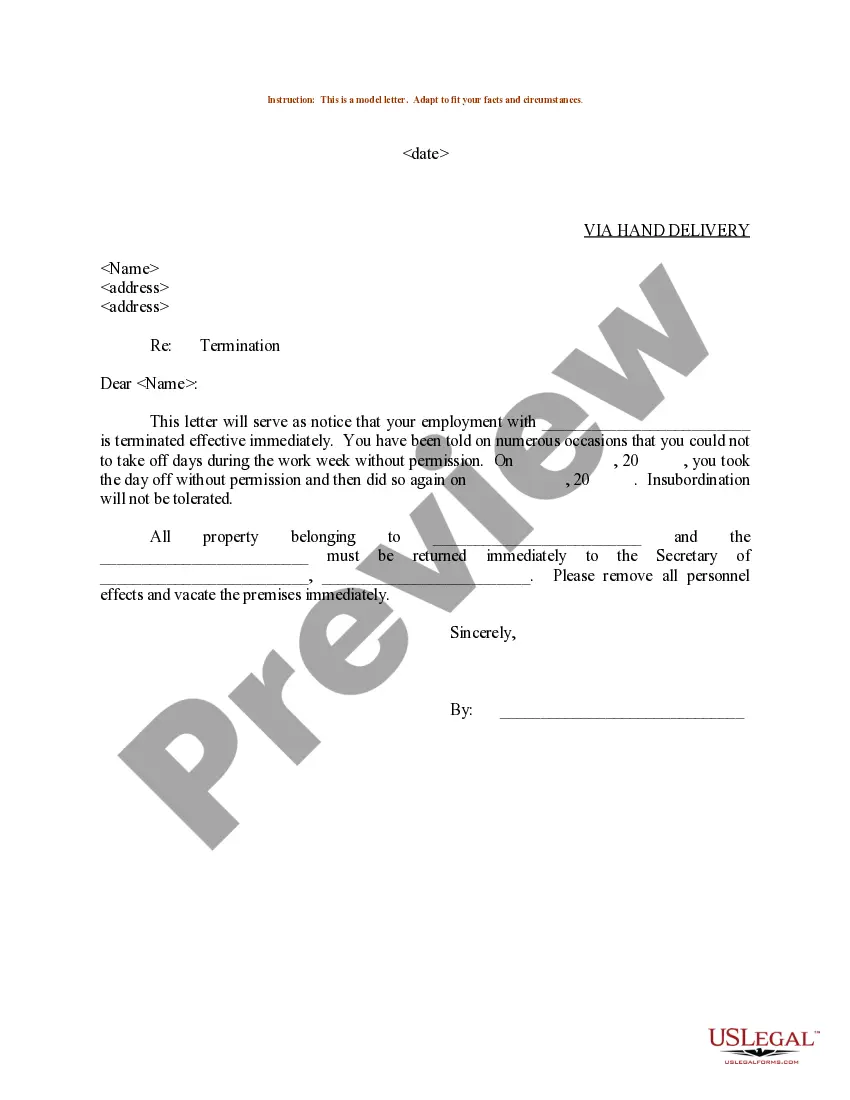
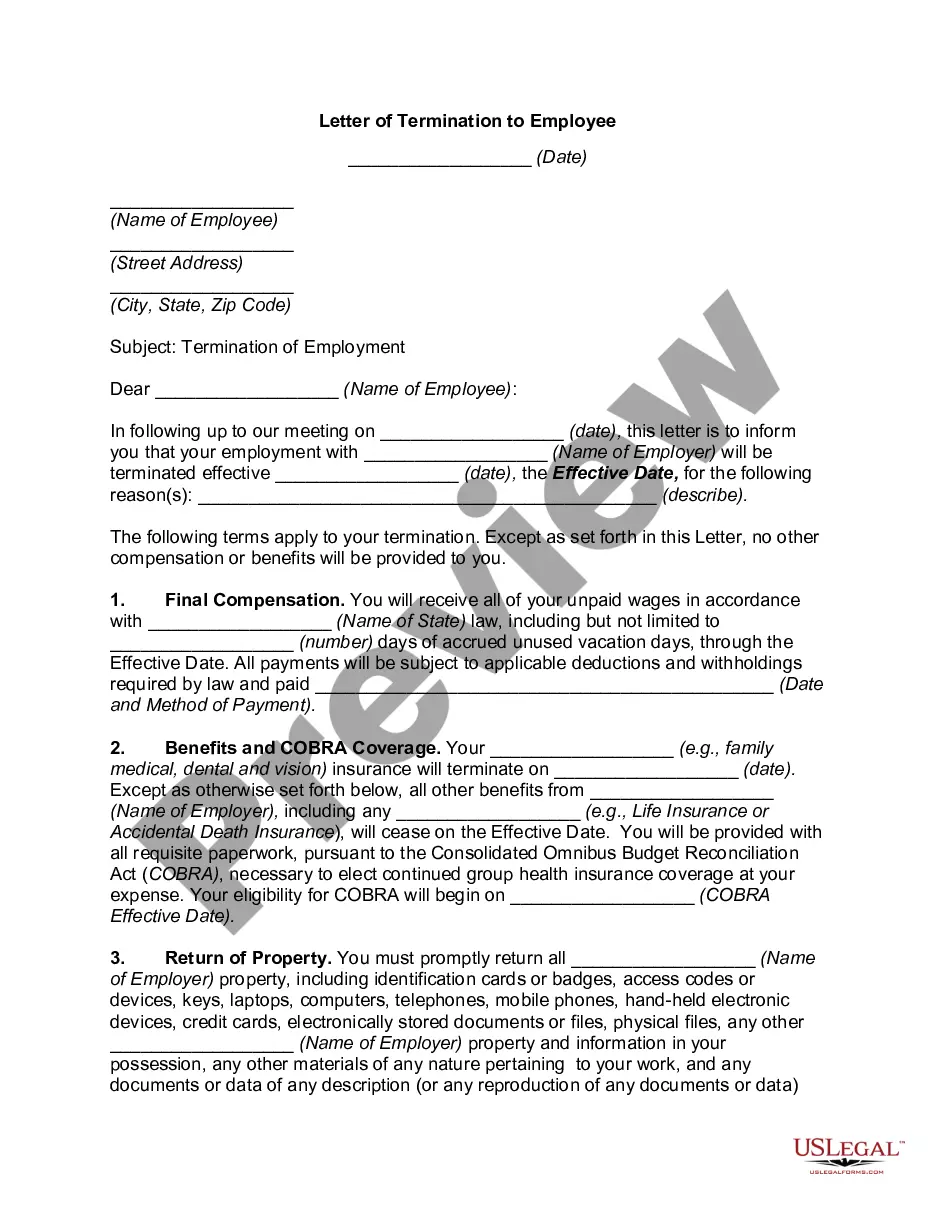
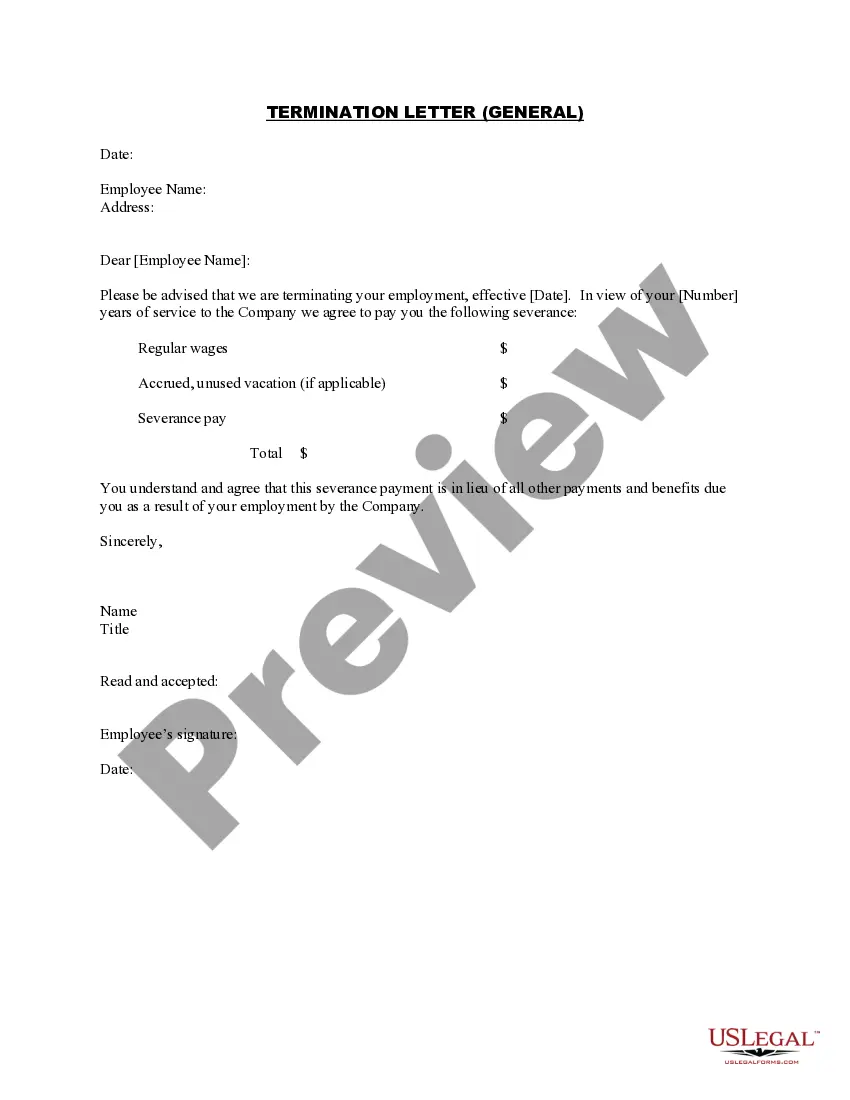
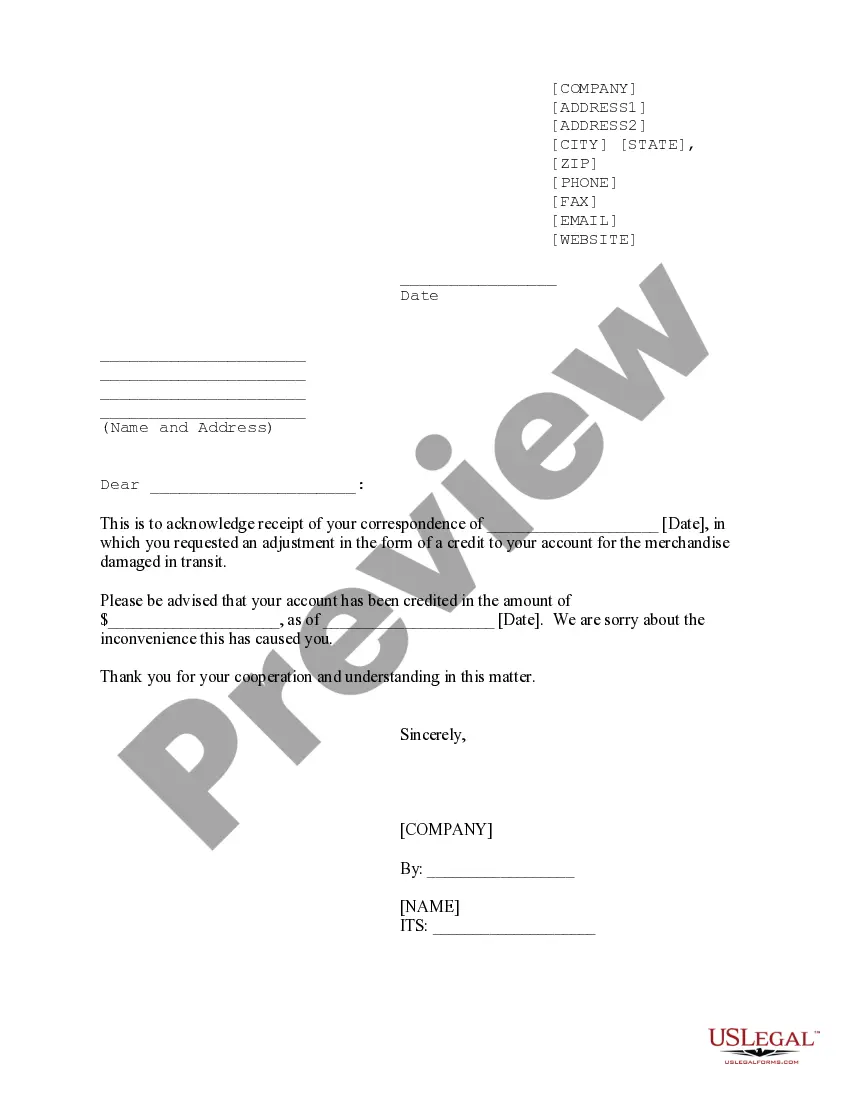
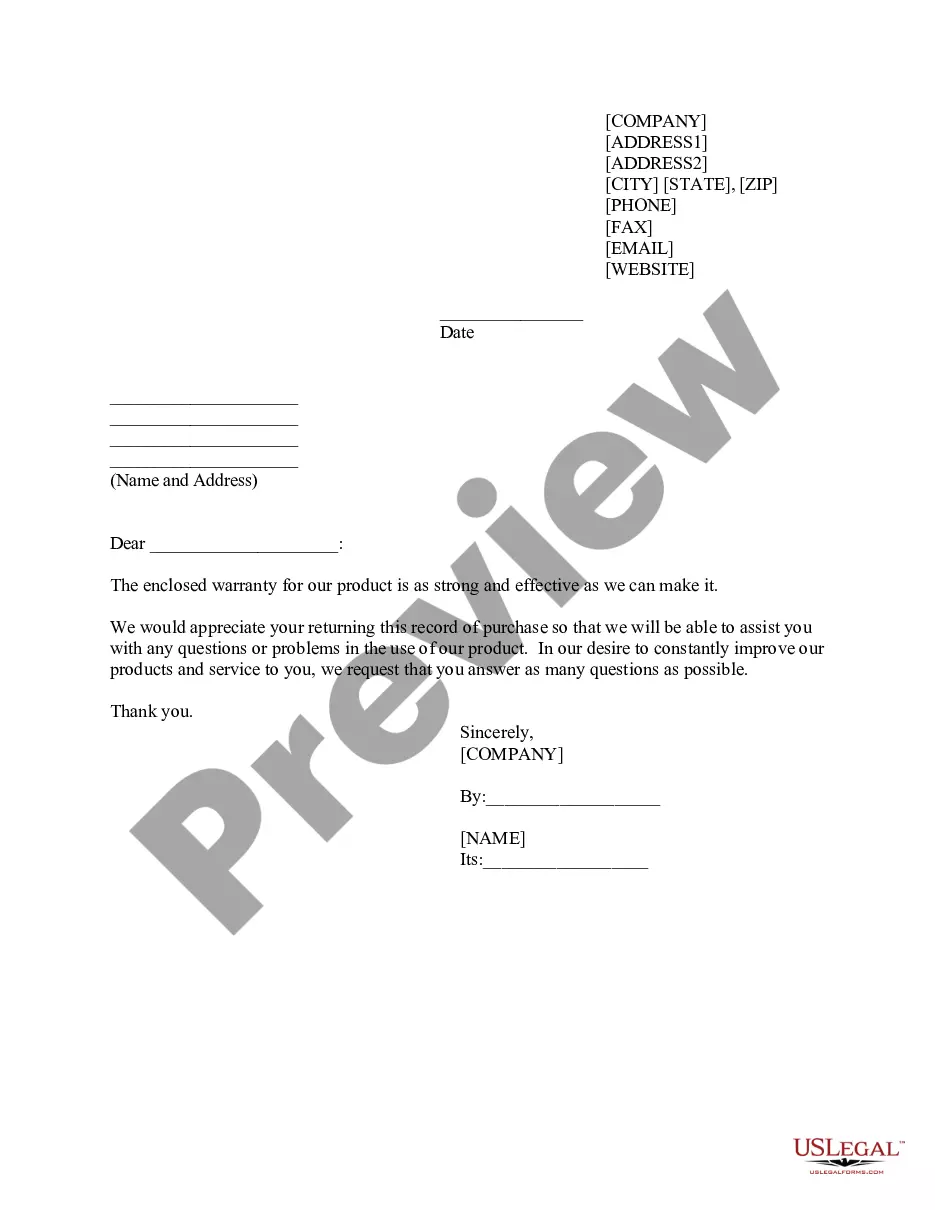
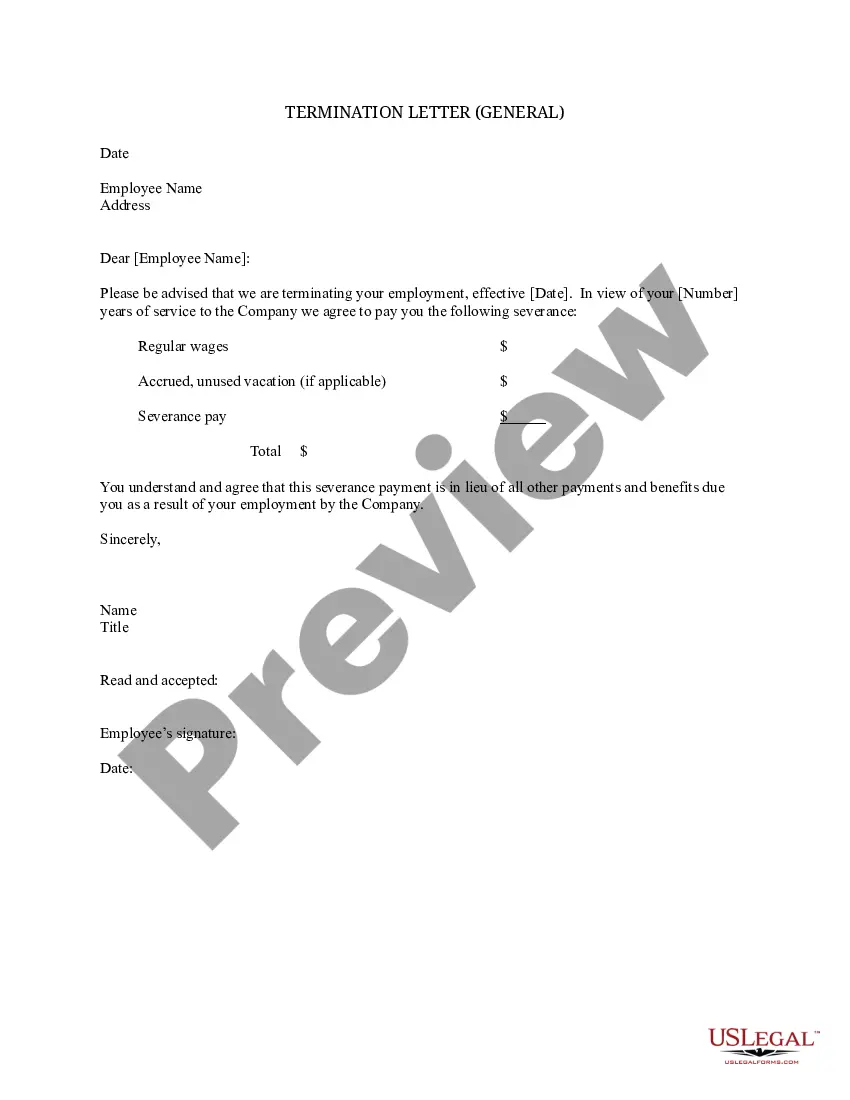
Include the date, the parties involved, a clear statement of termination, and any relevant details. It’s like dotting your i’s and crossing your t’s.
While it's not always legally required, sending a termination letter is a smart move. It helps keep things clear and avoids misunderstandings.
You should use a termination letter when you want to end a contract or employment. It's like giving a formal heads-up before parting ways.
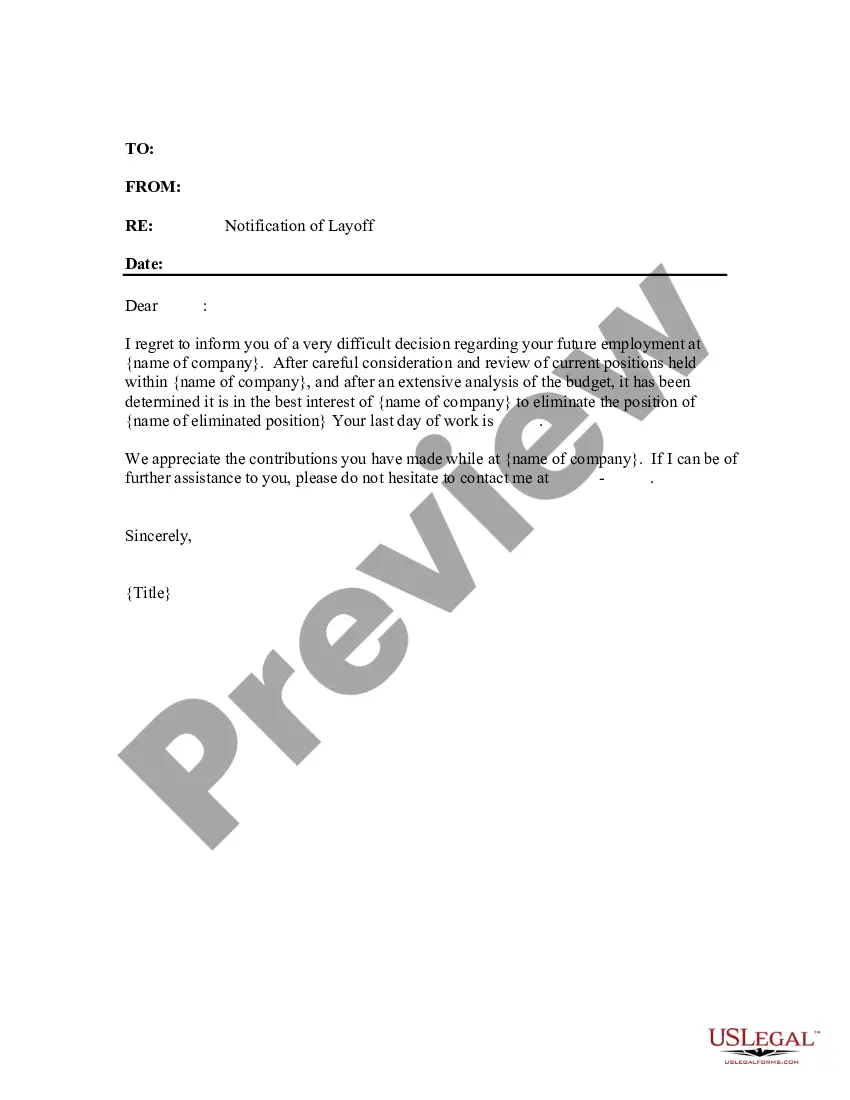
A termination letter is a written notice that officially ends a business agreement or relationship. It tells the other party that you're wrapping things up.