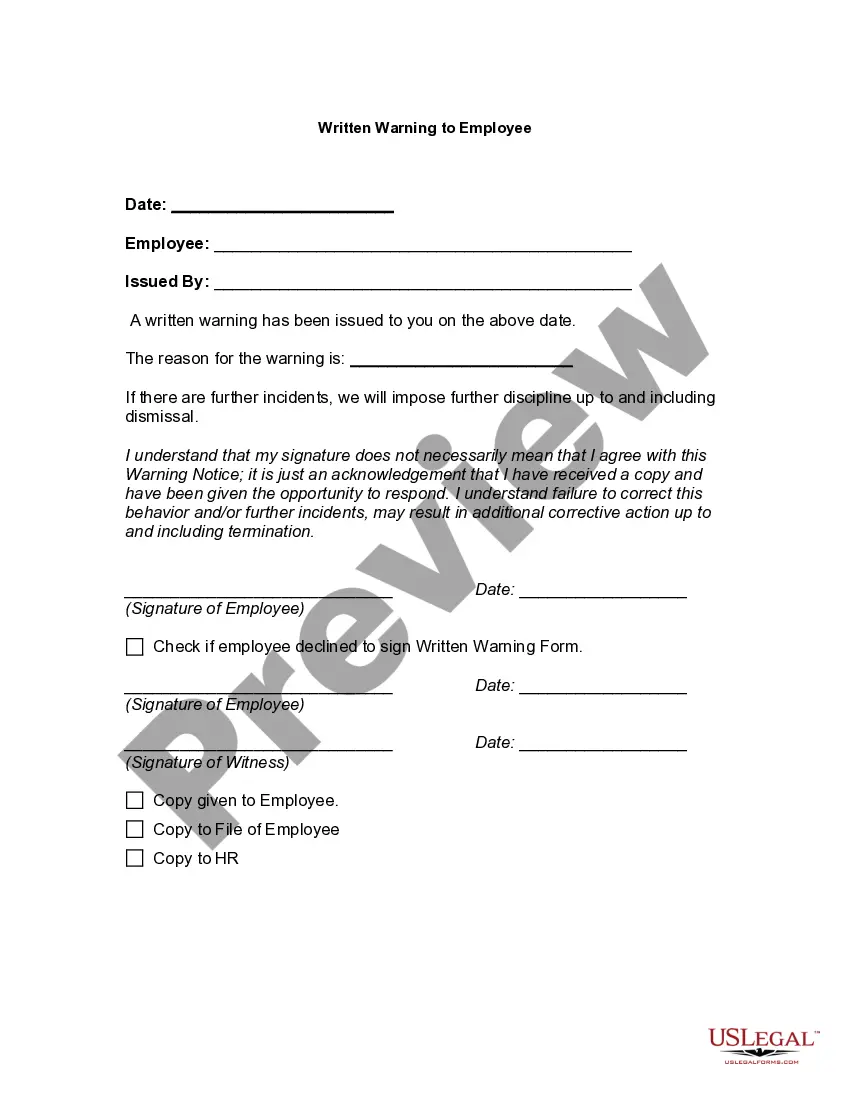
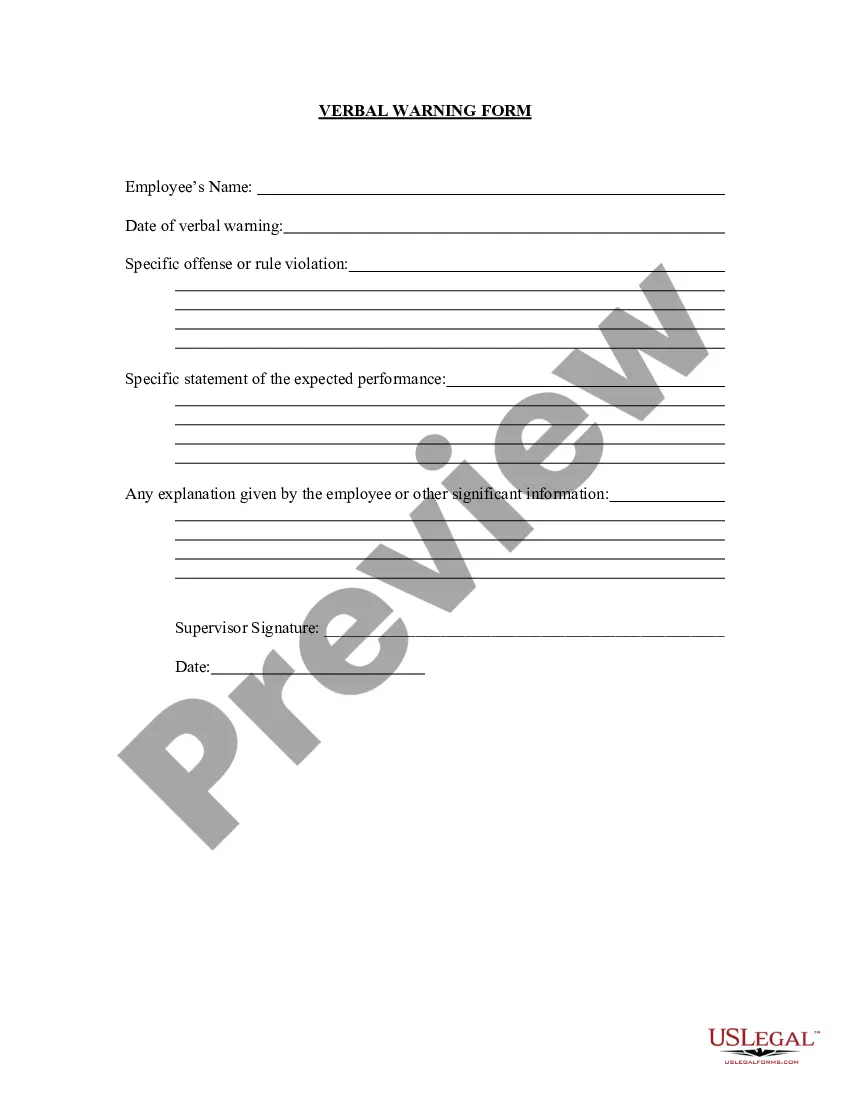
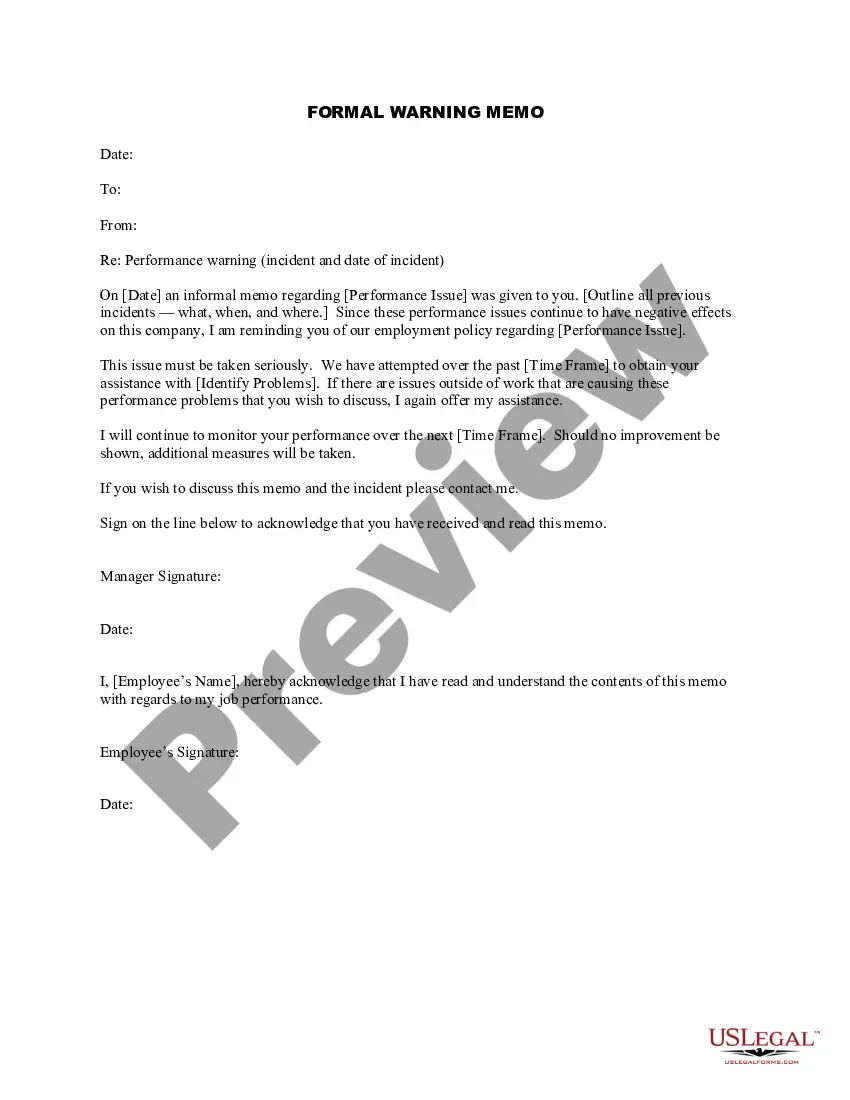
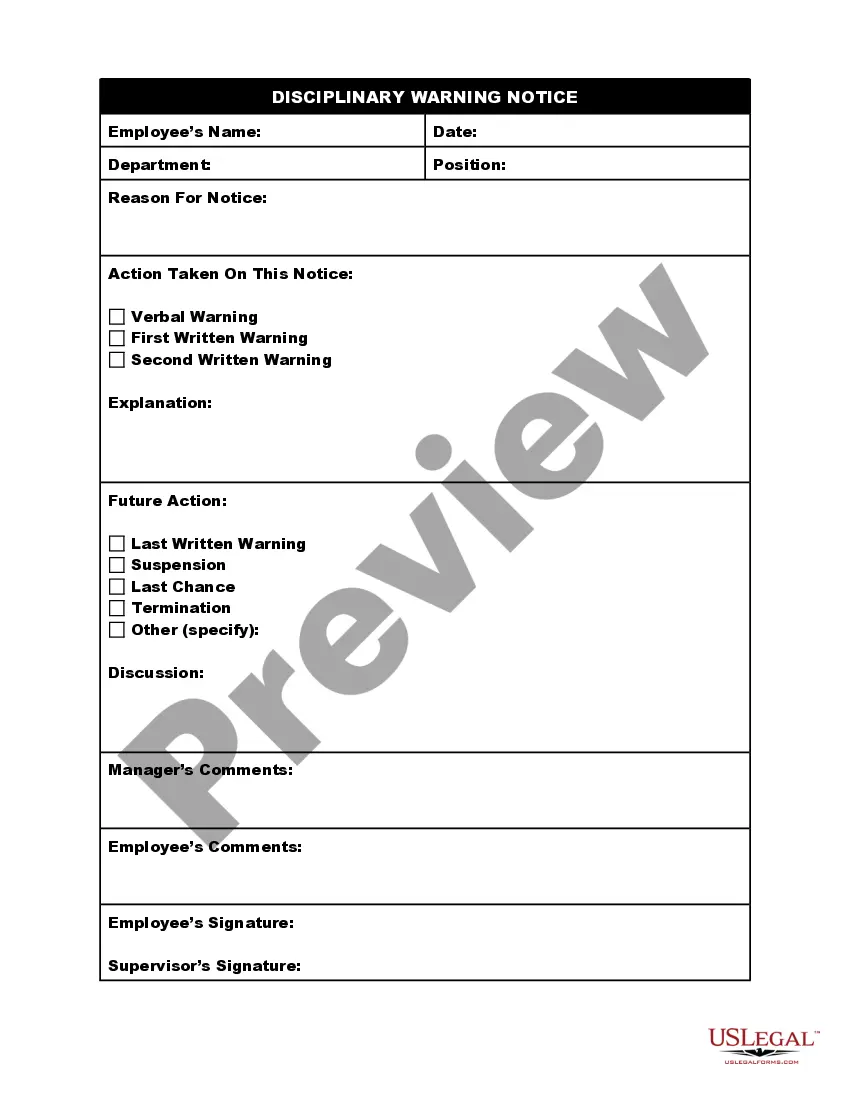
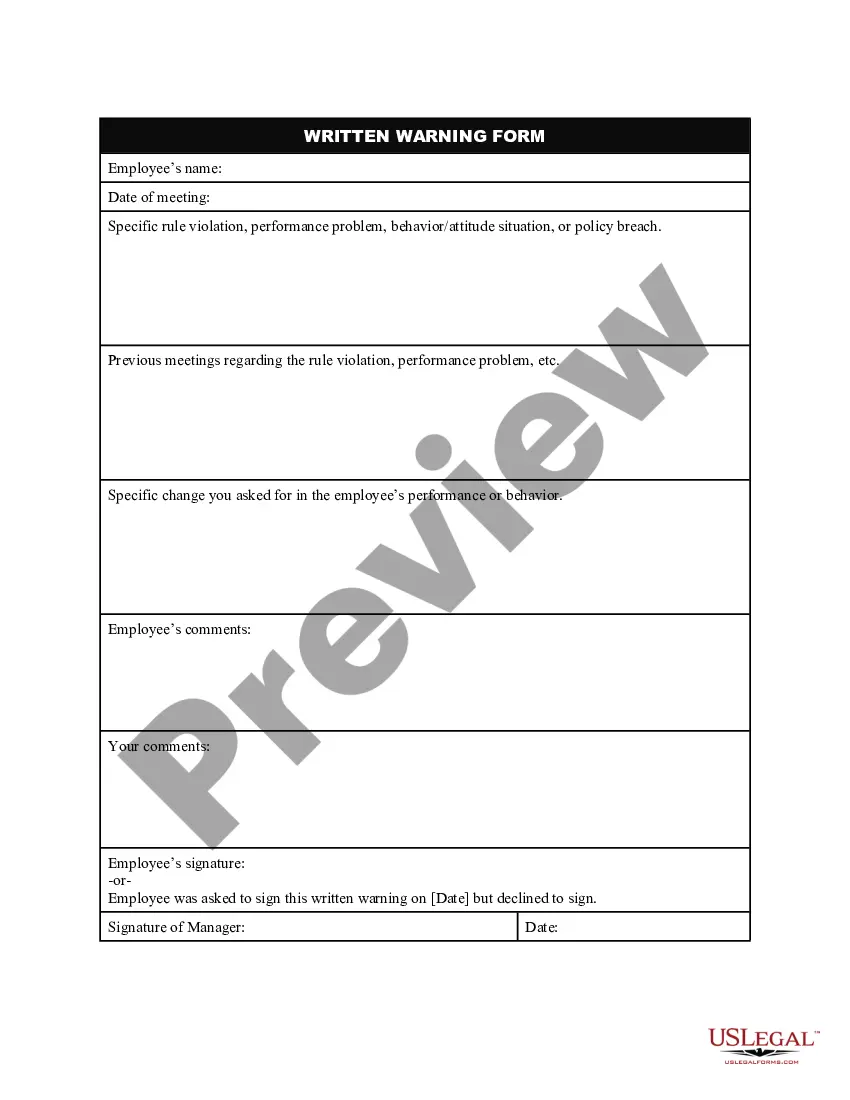
This AHI form is a written warning form that includes the violation, any previous meeting on the issues, and changes that the employee needs to make to correct the problem.
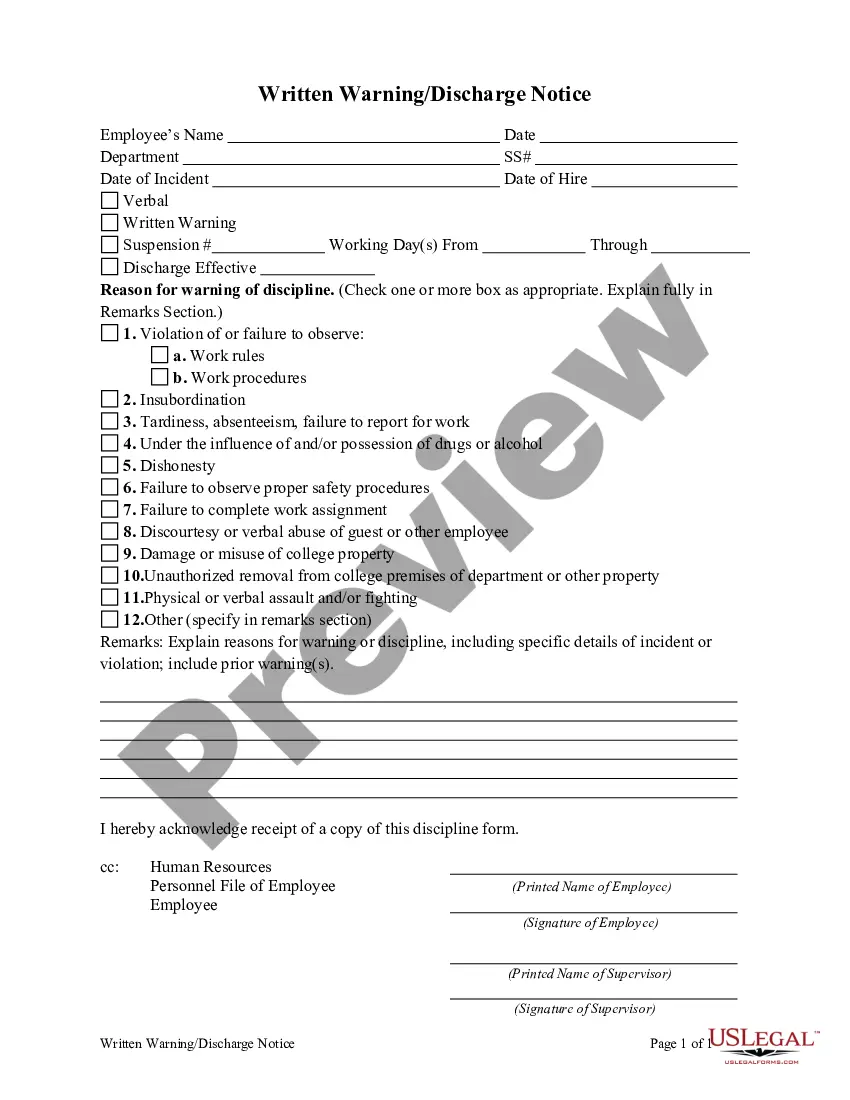
It's possible, but it depends on the severity of the issues and if there's no improvement. The warning is often a chance to turn things around before that happens.
Yes, it usually goes into your personnel file, so it’s good to be mindful of how it might affect future job evaluations or decisions.
After receiving the form, usually there’s a follow-up period to see if improvements are made. If things don’t change, it could lead to further disciplinary action.
Yes, if you believe the warning is unjust, you can challenge it. Document your viewpoint and discuss it with higher-ups or HR in a calm manner.
Take it seriously. Read the content carefully, understand the issues raised, and respond in writing if you have your side to share. It’s best to keep things professional and constructive.
Typically, a supervisor, manager, or HR representative can issue a Written Warning Form. It's usually someone with authority to manage employee performance.
A Written Warning Form is a notice that an employee may receive when there are performance or behavior issues. It's a way for employers to document concerns before any serious action is taken.