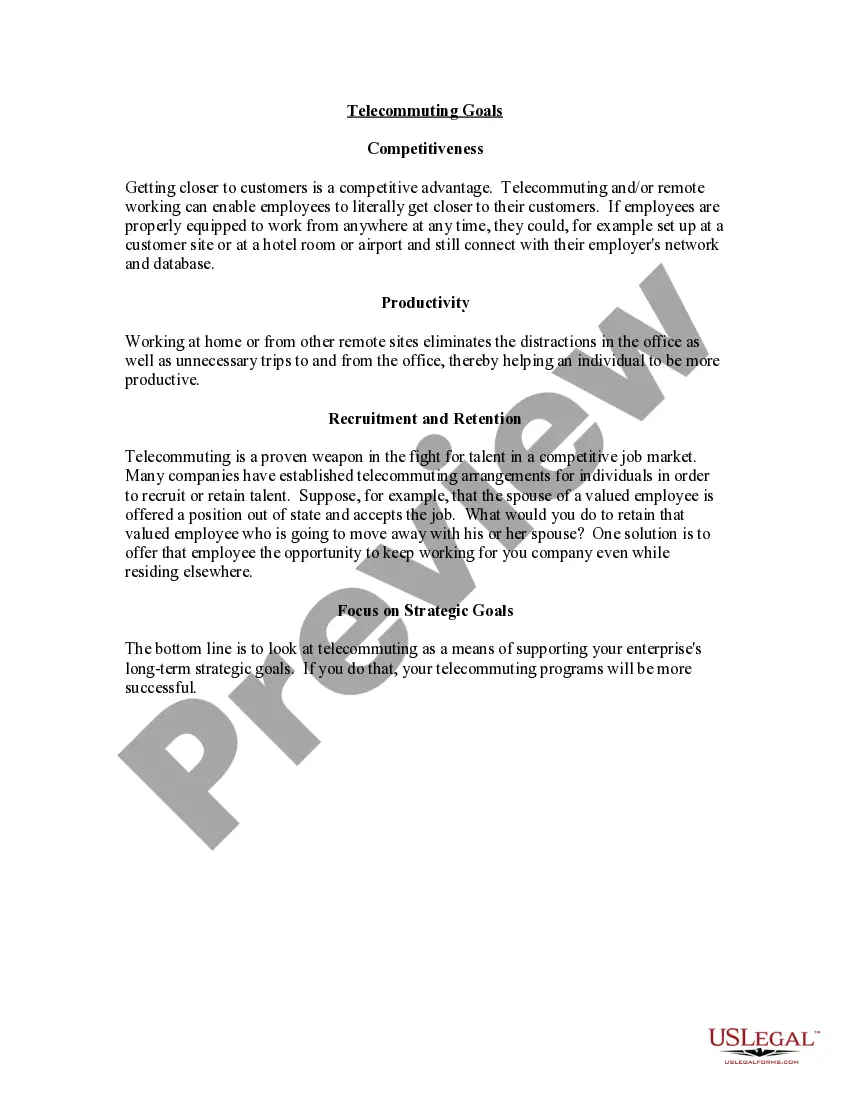
Orange California Telecommuting Goals
Description
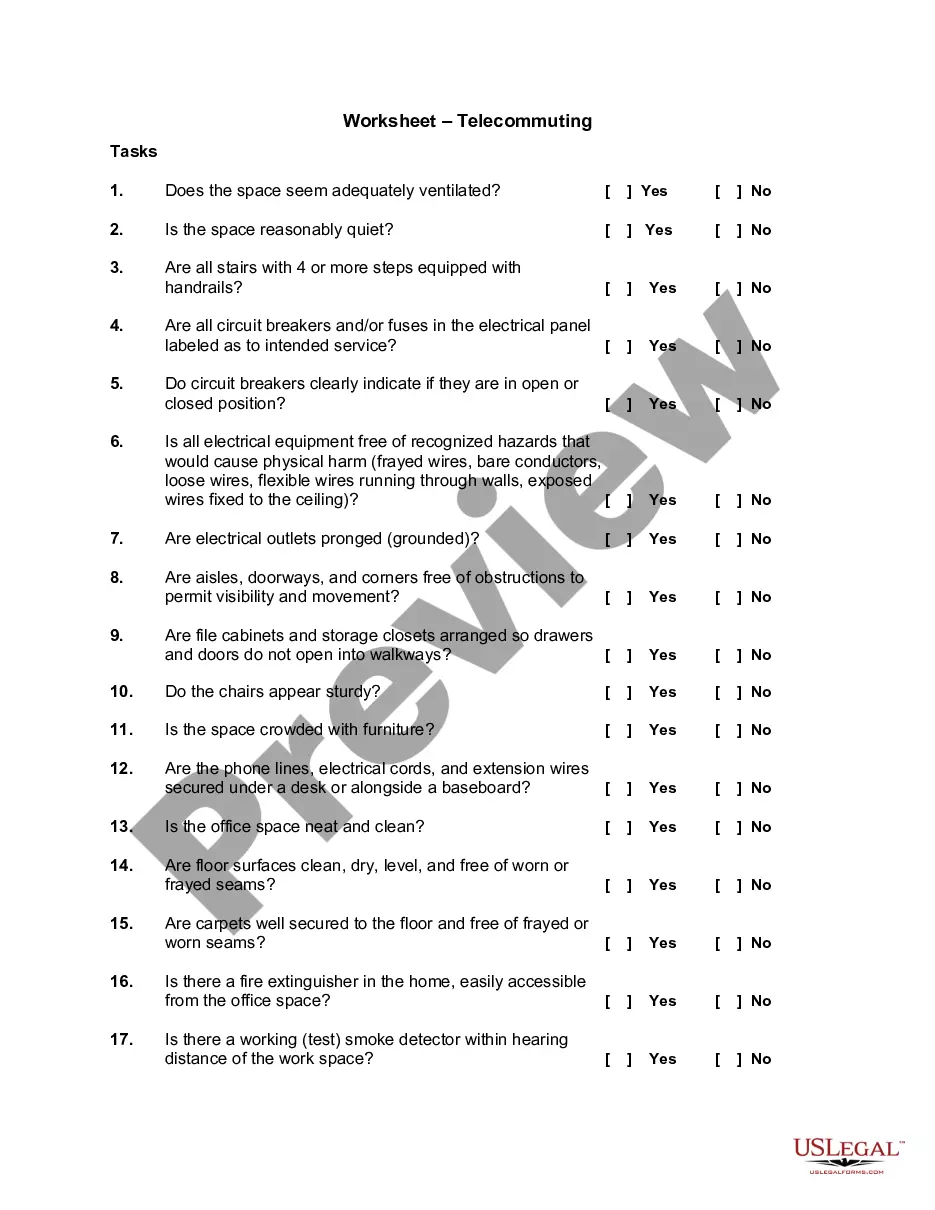
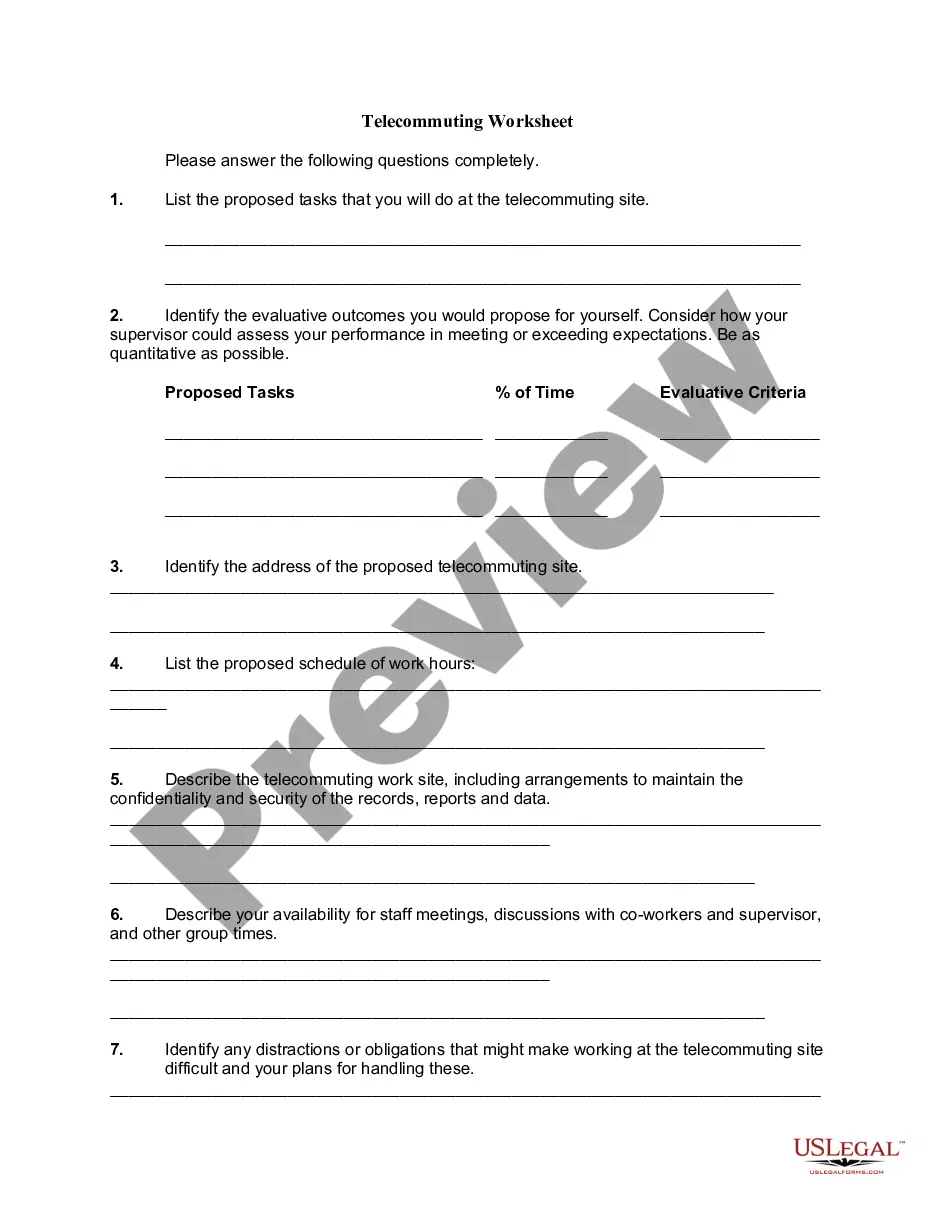
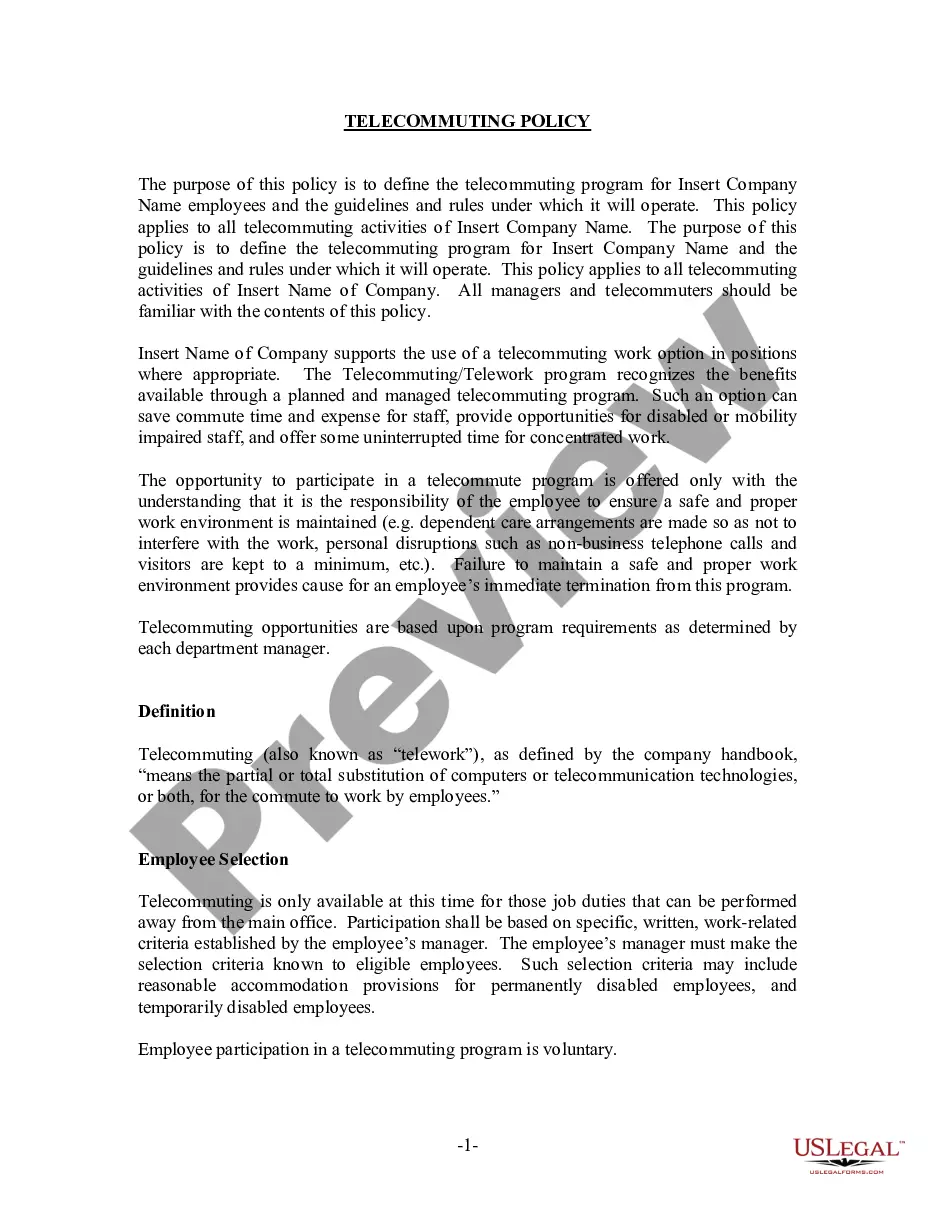
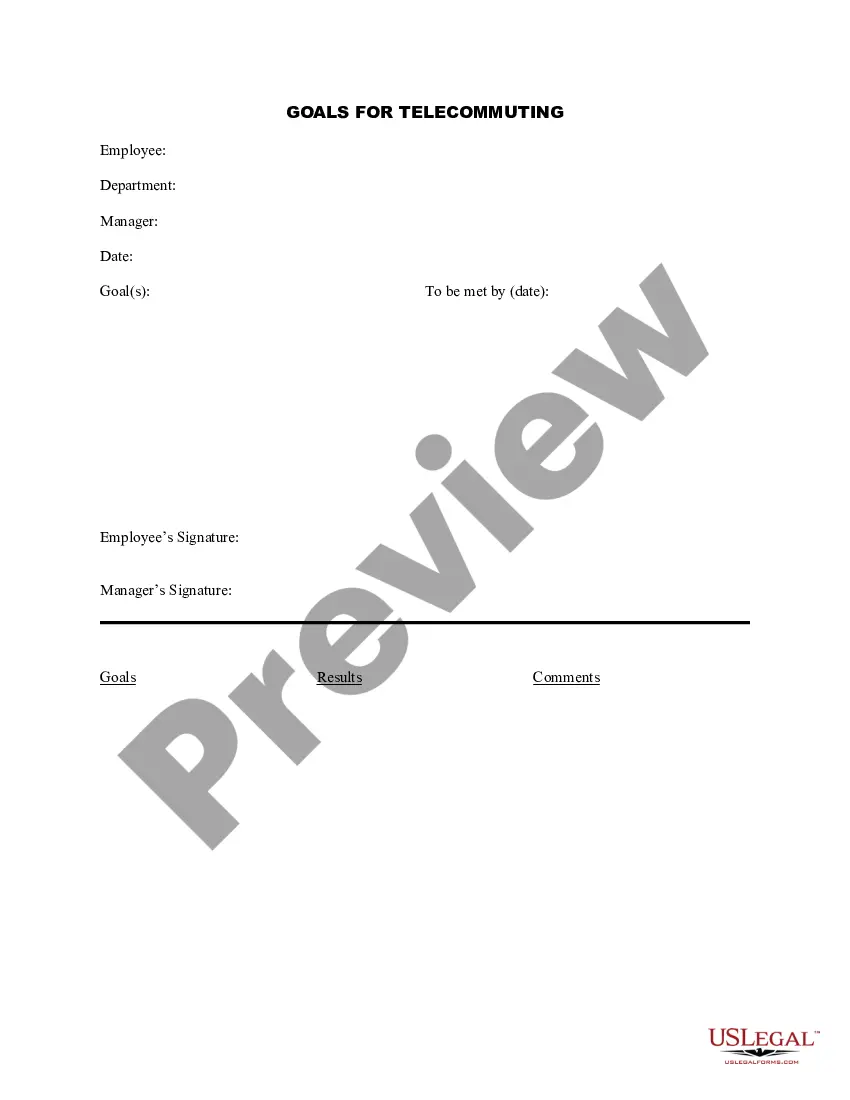
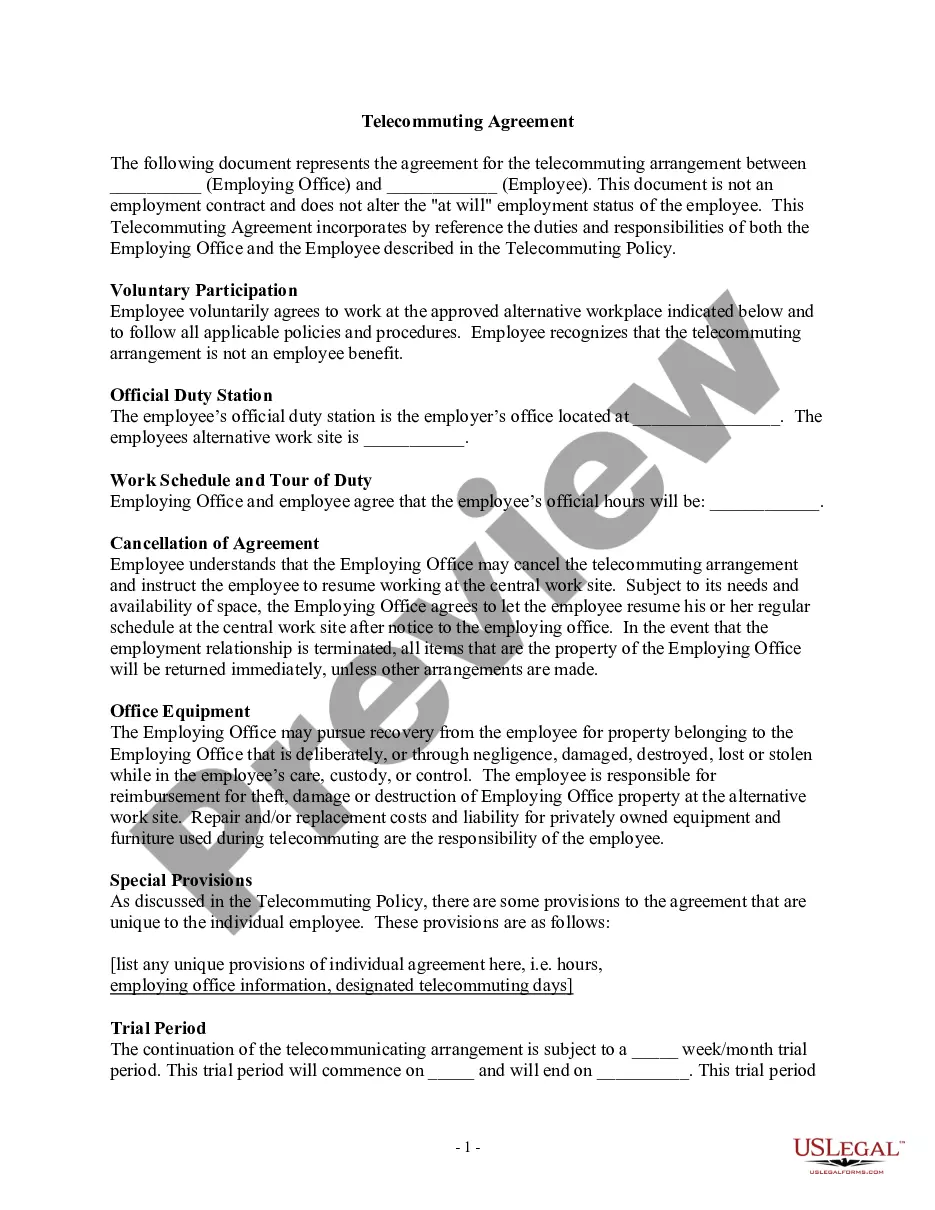




How to fill out Telecommuting Goals?
How long does it typically take you to create a legal document.
Since every state has its own laws and regulations for every life situation, finding an Orange Telecommuting Goals that meets all local standards can be exhausting, and obtaining it from a professional lawyer is often expensive.
Numerous online services provide the most common state-specific documents for download, but utilizing the US Legal Forms library is the most advantageous.
Select the subscription plan that best matches your needs. Sign up for an account on the platform or Log In to proceed to the payment options. Make payment via PayPal or with your credit card. Change the file format if necessary. Click Download to save the Orange Telecommuting Goals. Print the sample or use any preferred online editor to fill it out electronically. Regardless of how many times you need to utilize the purchased document, you can find all the samples you’ve previously saved in your profile by opening the My documents tab. Give it a try!
- US Legal Forms is the largest online catalog of templates, organized by states and areas of application.
- Besides the Orange Telecommuting Goals, you can discover any particular document necessary for managing your business or personal affairs, adhering to your county's stipulations.
- Experts verify all samples for their accuracy, allowing you to confidently prepare your documentation.
- Using the service is exceptionally straightforward.
- If you already have an account on the platform and your subscription is active, you simply need to Log In, select the needed sample, and download it.
- You can access the document in your profile at any time in the future.
- If you are new to the platform, there will be a few additional steps to complete before obtaining your Orange Telecommuting Goals.
- Review the contents of the page you are currently viewing.
- Examine the description of the sample or Preview it (if available).
- Look for another document using the relevant option in the header.
- Click Buy Now once you are sure about the chosen document.
Form popularity
FAQ
Telecommuting (also known as teleworking) refers to the act of completing work assignments from a location other than an office via an internet and phone connection.
The purpose of the Telecommuting Policy is to provide employees with the guidelines and controls for working remotely. Teleworking, or telecommuting, is the concept of working from home or another location on a full- or part-time basis. Teleworking is not a formal, universal employee benefit.
Teleworking for Employers Increased employee productivity. Increased employee satisfaction. Improved employee recruitment and retention. A reduction in overall absenteeism. A reduced need for office space and parking space. An opportunity to recruit skilled workers from outside the area.
Boosts employee morale The flexibility, balanced work-home life and other benefits of telecommuting ultimately work to improve employee morale. The mood boost and the overall increase in satisfaction of employees who work from home in turn cycles back to increased levels of productivity and improved work performance.
Advantages and disadvantages of teleworking Work-life balance and flexible working hours.Saving time and money.Pollution reduction.Reduced conflict in companies.Improves concentration.It allows you to work from anywhere.
Telecommuting: The Pros, Cons and Risks of Working from Home Pros of Telecommuting: Employees are more engaged in their work.Employers retain crucial employees.It is cost efficient for both the employer and employees.Cons of Telecommuting:Employees are left out of social activities.
7 advantages of telecommuting 1) Higher employee satisfaction. 2) Better work-life balance. 3) Increased flexibility. 4) Reduced operational costs. 5) Reduced expenses for employees. 6) Easier to focus. 7) There's zero commuting necessary. 1) You need the right technology to be effective.
7 advantages of telecommuting 1) Higher employee satisfaction. 2) Better work-life balance. 3) Increased flexibility. 4) Reduced operational costs. 5) Reduced expenses for employees. 6) Easier to focus. 7) There's zero commuting necessary. 1) You need the right technology to be effective.
Telecommuting is a flexible work arrangement that enables employees to achieve a more successful balance between work responsibilities and family life. Telecommuting allows employees to work at home, on the road or in a satellite location for all or part of their workweek.
Best practices for effective telecommuting Create a work routine.Take charge of your time.Prioritize focus.Check in with your team regularly.Turn off when you're not at work.Set clear expectations.Respect employees' time.Stay in touch, but don't over-communicate.