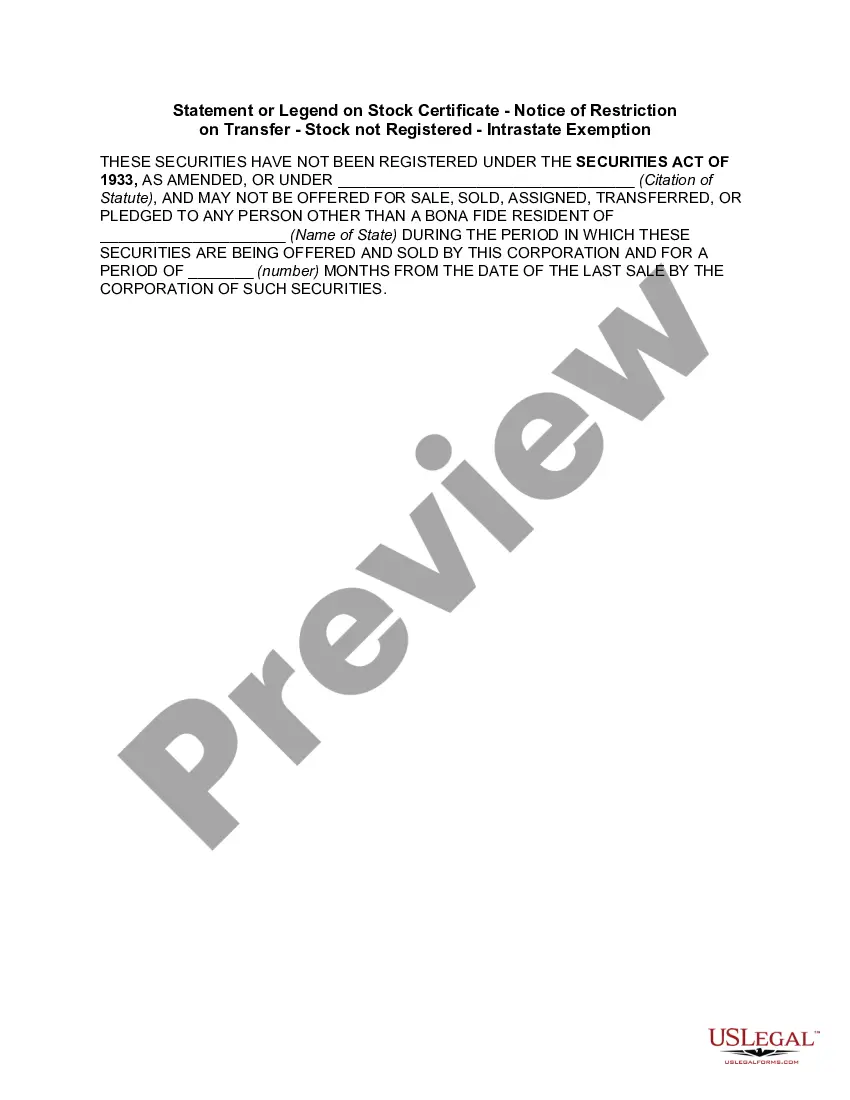
Tarrant Texas Statement or Legend on Stock Certificate - Notice of Restriction on Transfer - Stock not Registered - Intrastate Exemption
Description
Get your form ready online
Our built-in tools help you complete, sign, share, and store your documents in one place.
Make edits, fill in missing information, and update formatting in US Legal Forms—just like you would in MS Word.
Download a copy, print it, send it by email, or mail it via USPS—whatever works best for your next step.
Sign and collect signatures with our SignNow integration. Send to multiple recipients, set reminders, and more. Go Premium to unlock E-Sign.
If this form requires notarization, complete it online through a secure video call—no need to meet a notary in person or wait for an appointment.
We protect your documents and personal data by following strict security and privacy standards.

Make edits, fill in missing information, and update formatting in US Legal Forms—just like you would in MS Word.

Download a copy, print it, send it by email, or mail it via USPS—whatever works best for your next step.

Sign and collect signatures with our SignNow integration. Send to multiple recipients, set reminders, and more. Go Premium to unlock E-Sign.

If this form requires notarization, complete it online through a secure video call—no need to meet a notary in person or wait for an appointment.

We protect your documents and personal data by following strict security and privacy standards.
Looking for another form?
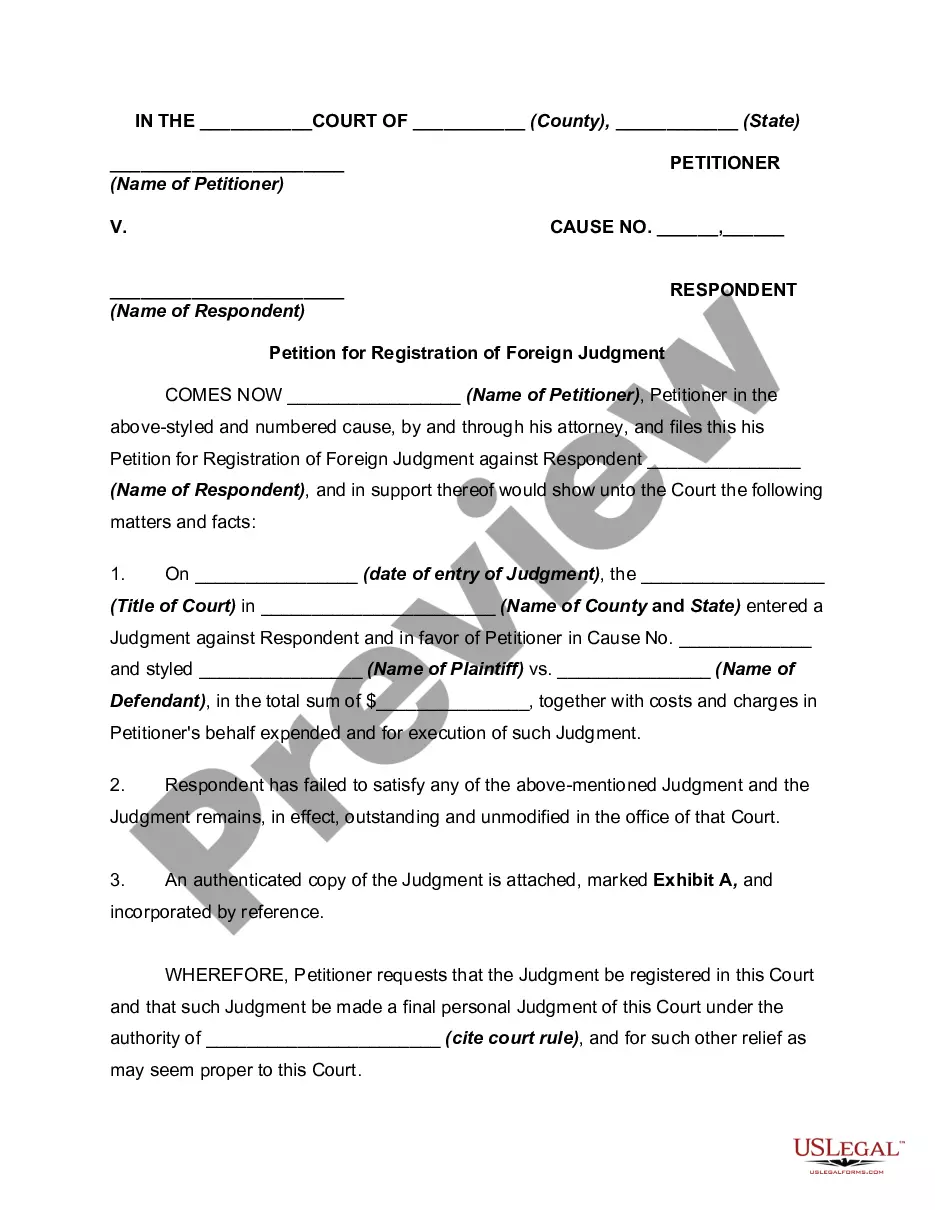
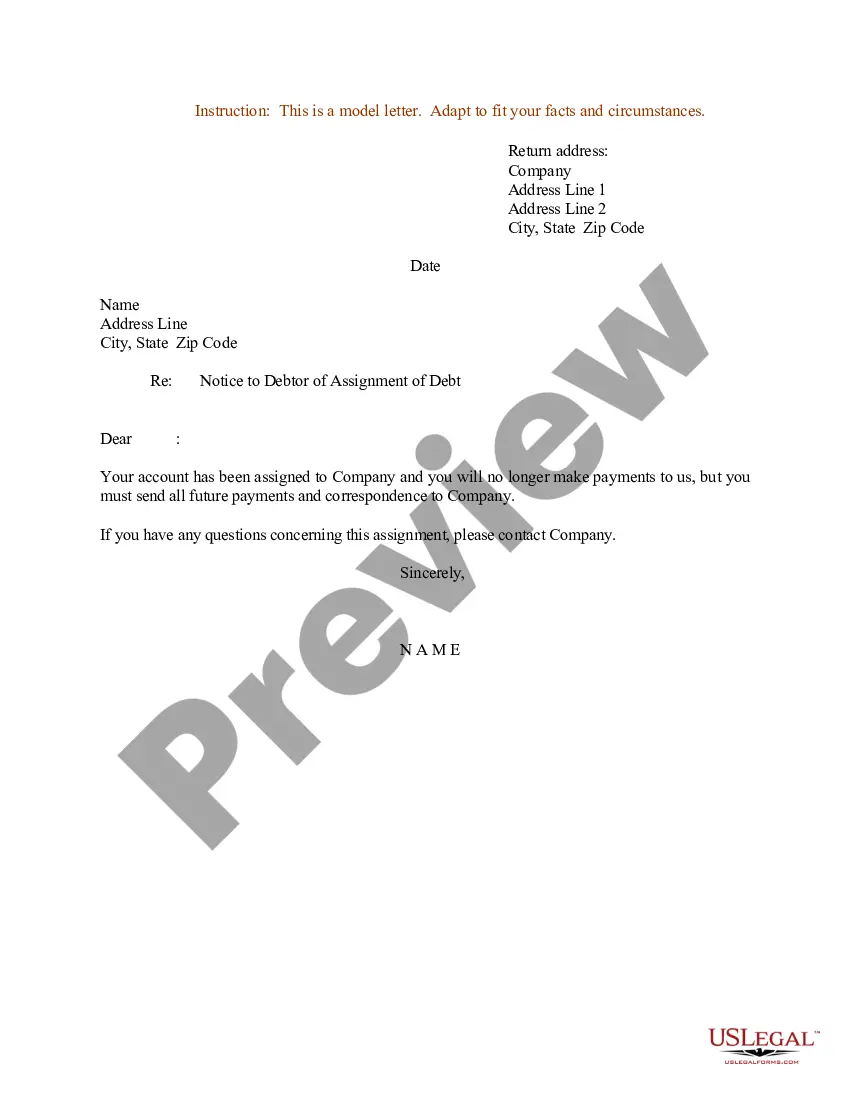

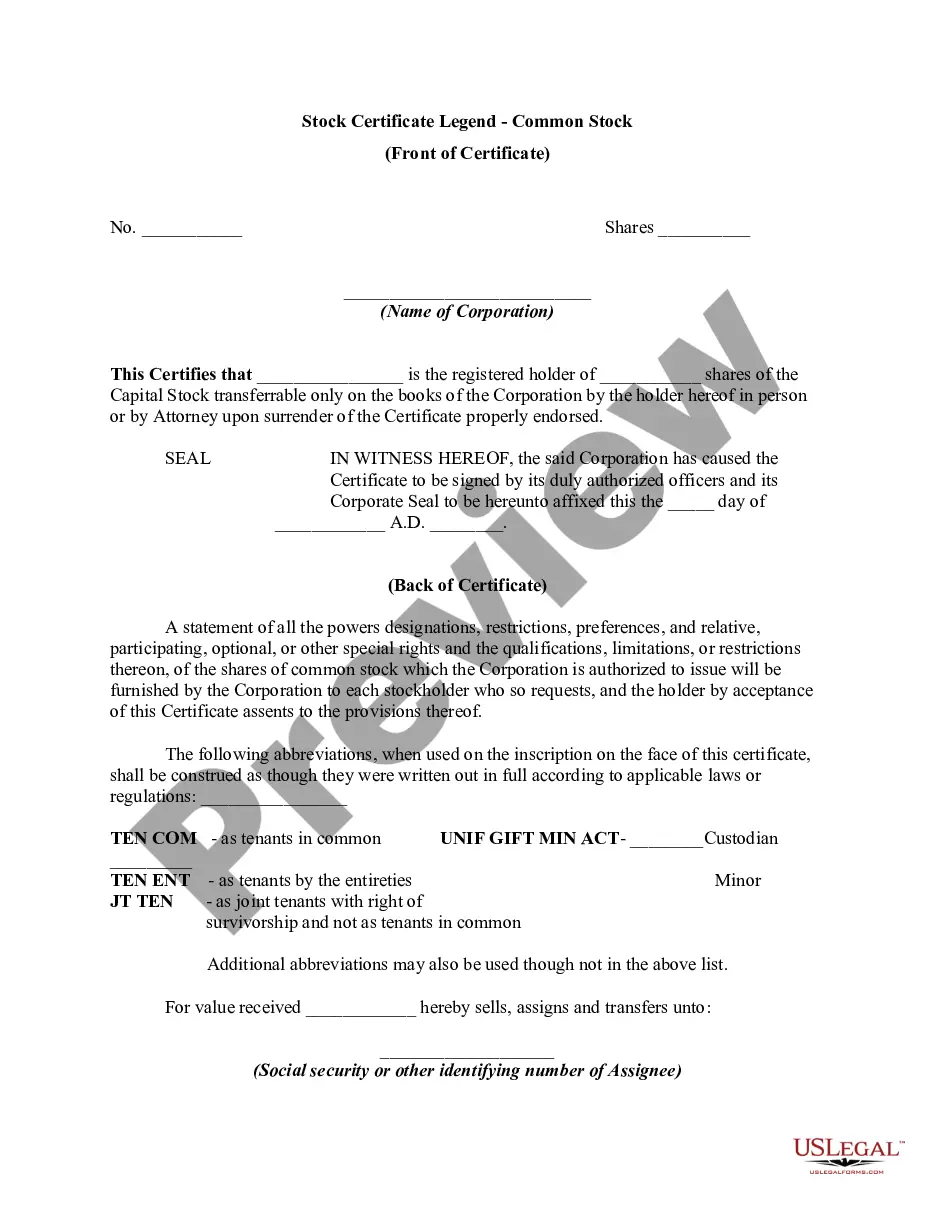
How to fill out Statement Or Legend On Stock Certificate - Notice Of Restriction On Transfer - Stock Not Registered - Intrastate Exemption?
Creating legal paperwork can be challenging.
Additionally, if you choose to hire a lawyer to prepare a business contract, documents for property transfer, prenuptial agreement, divorce forms, or the Tarrant Statement or Legend on Stock Certificate - Notice of Restriction on Transfer - Stock not Registered - Intrastate Exemption, it might set you back a significant amount.
Browse through the page and confirm there is a template for your area.
- So what is the most sensible strategy to conserve time and resources and draft valid documents in full accordance with your state and local regulations.
- US Legal Forms offers an ideal solution, whether you seek templates for personal or professional purposes.
- US Legal Forms contains the largest online collection of state-specific legal documents, supplying users with the most recent and professionally verified forms for any scenario compiled all in one location.
- Thus, if you need the latest edition of the Tarrant Statement or Legend on Stock Certificate - Notice of Restriction on Transfer - Stock not Registered - Intrastate Exemption, you can easily find it on our platform.
- Acquiring the documents requires minimal time.
- Those who already possess an account should verify their subscription is active, Log In, and select the template by clicking on the Download button.
- If you have not yet subscribed, here's how you can obtain the Tarrant Statement or Legend on Stock Certificate - Notice of Restriction on Transfer - Stock not Registered - Intrastate Exemption.
Form popularity
FAQ
Advantages. RSUs provide an incentive for employees to stay with a company for the long term and help it perform well so that their shares increase in value.
Restricted stock refers to unregistered shares of ownership in a corporation that are issued to corporate affiliates, such as executives and directors. Restricted stock is non-transferable and must be traded in compliance with special Securities and Exchange Commission (SEC) regulations.
Restricted stock refers to unregistered shares issued by public companies in private placement transactions and also to registered and unregistered securities held by affiliates and issuers. Restricted stock cannot be sold through public transactions due to securities laws and regulations.
When securities are restricted, a restrictive legend is usually stamped on the back of the stock certificate, prohibiting its sale in the public marketplace unless they are registered with the SEC or are exempt from the registration.
If you want to remove the restrictive legend, you should contact the company that issued the securitiesor the transfer agent for the company's securitiesto ask about the procedures for removing a legend. If you have a broker, you may want to ask your broker to help you.
Restricted stock refers to unregistered shares of ownership in a corporation that are issued to corporate affiliates, such as executives and directors. Restricted stock is non-transferable and must be traded in compliance with special Securities and Exchange Commission (SEC) regulations.
What Are Unregistered Shares? Unregistered shares, also known as restricted stock, are securities that are not registered with the Securities and Exchange Commission (SEC).
A legend is a statement on a stock certificate noting restrictions on the transfer of the stock. A stock legend is typically put in place due to the requirements established by the Securities and Exchange Commission (SEC) for unregistered securities.
Restricted and unrestricted stocks are important components of corporate executive compensation packages. Restricted stocks have particular conditions that must be fulfilled before they can be transferred or sold, whereas unrestricted stocks have no such conditions. There are two types of restricted stocks.