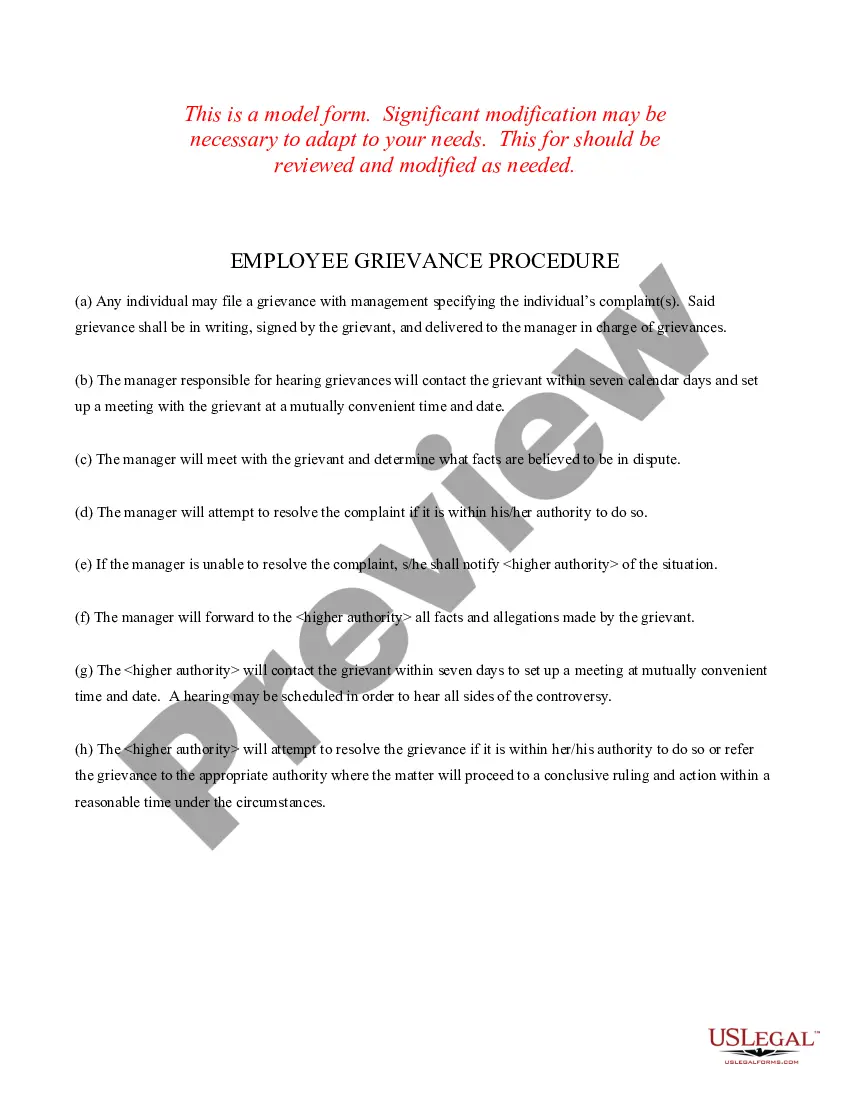
Oakland Michigan Employee Grievance Procedures
Description
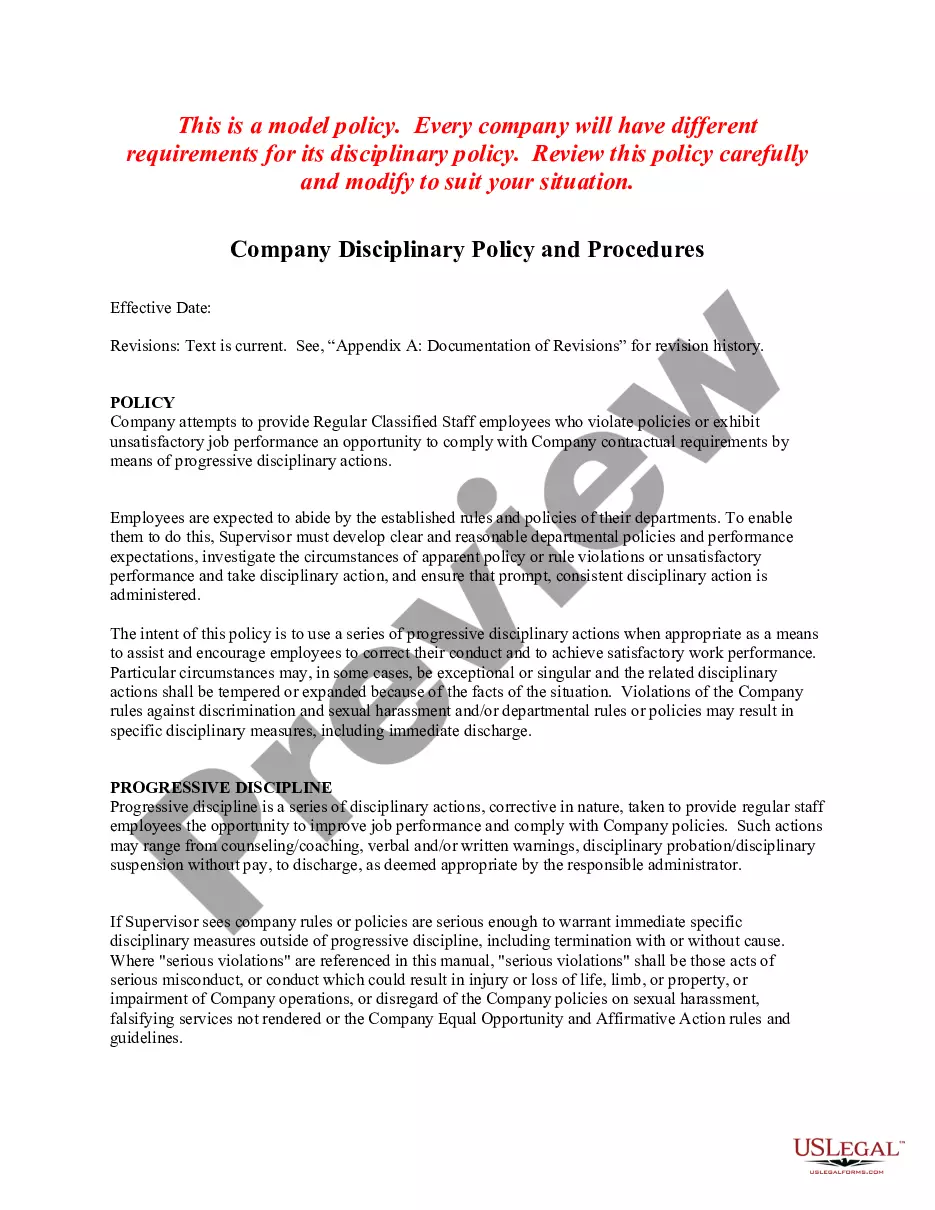
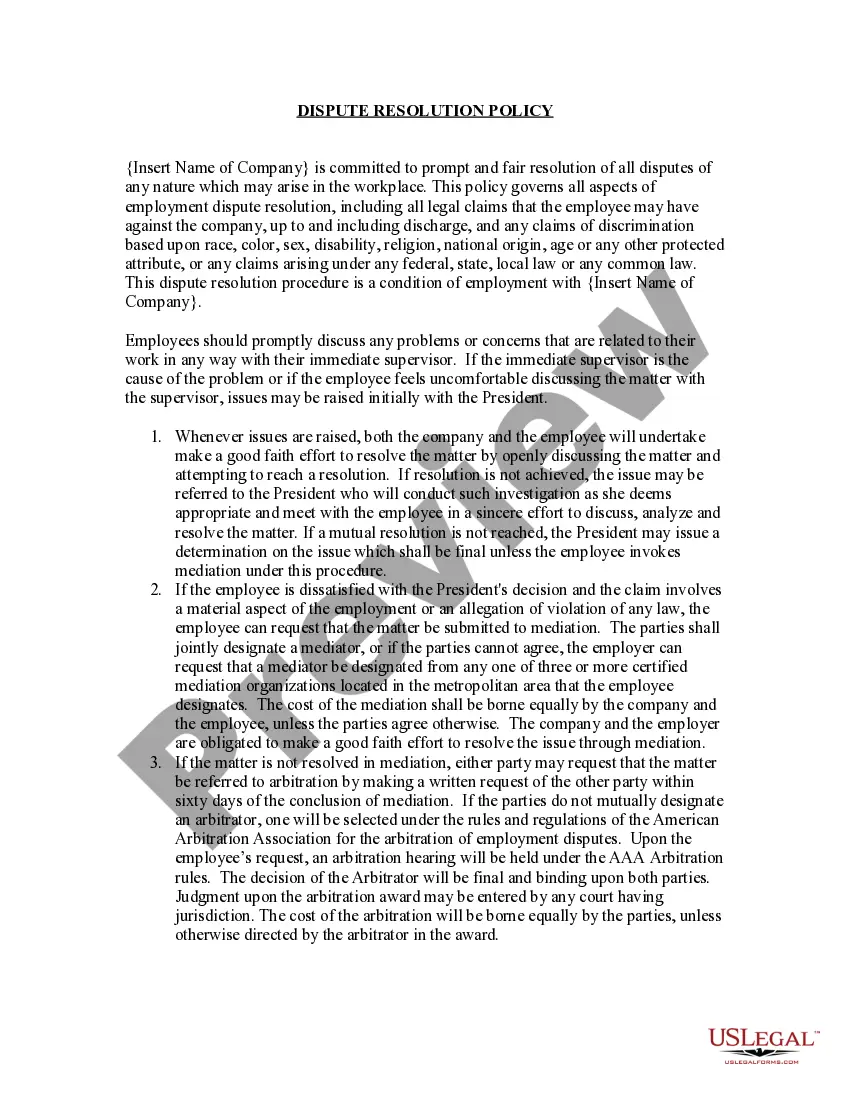
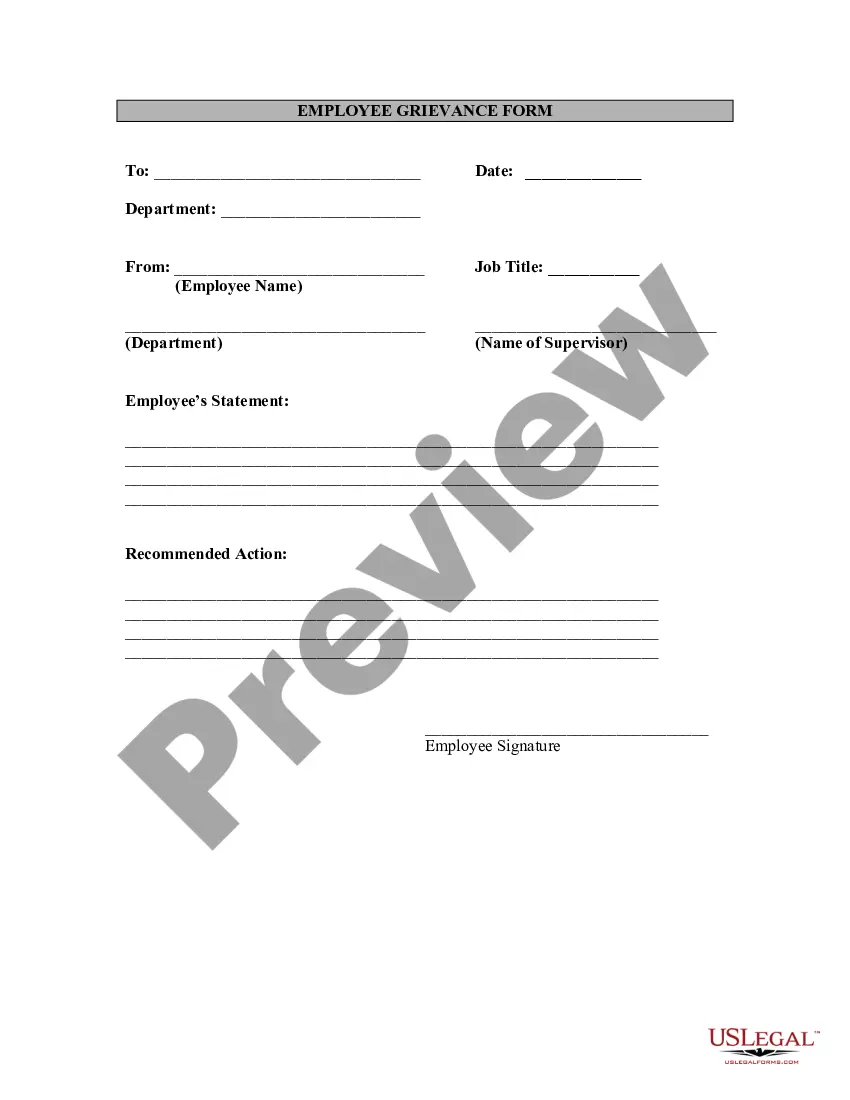
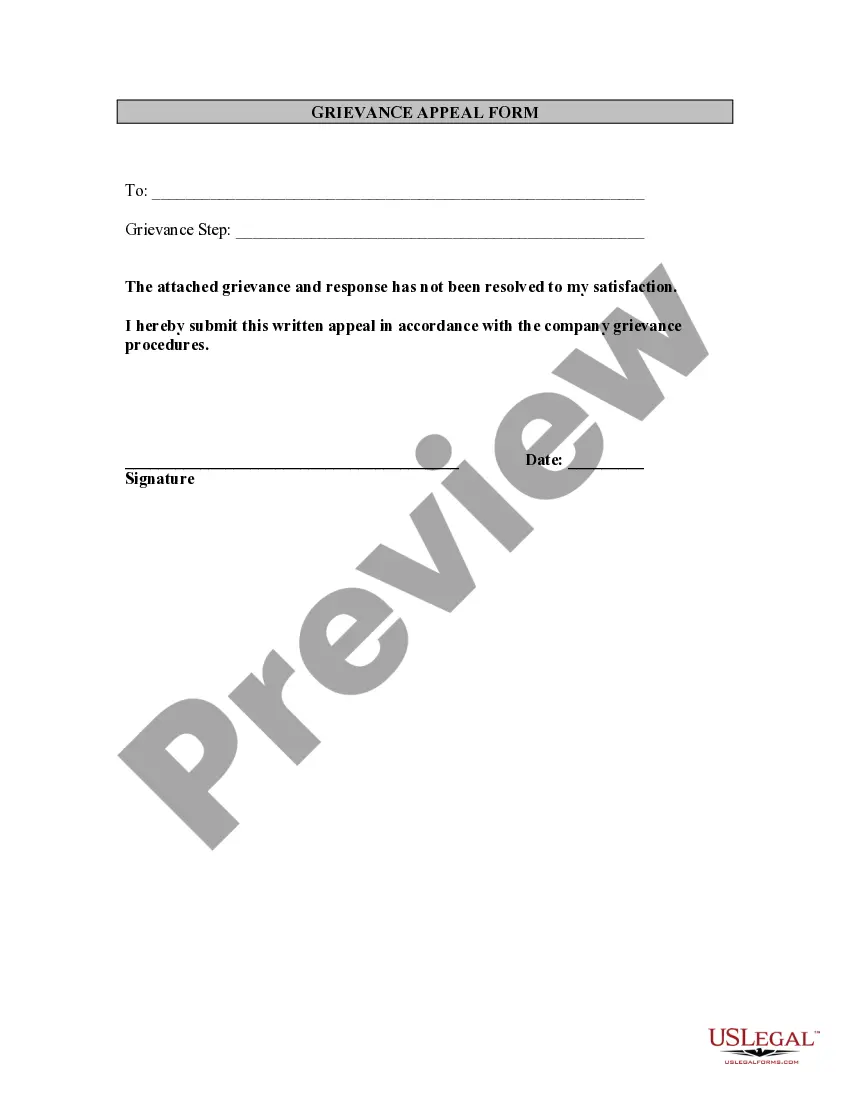


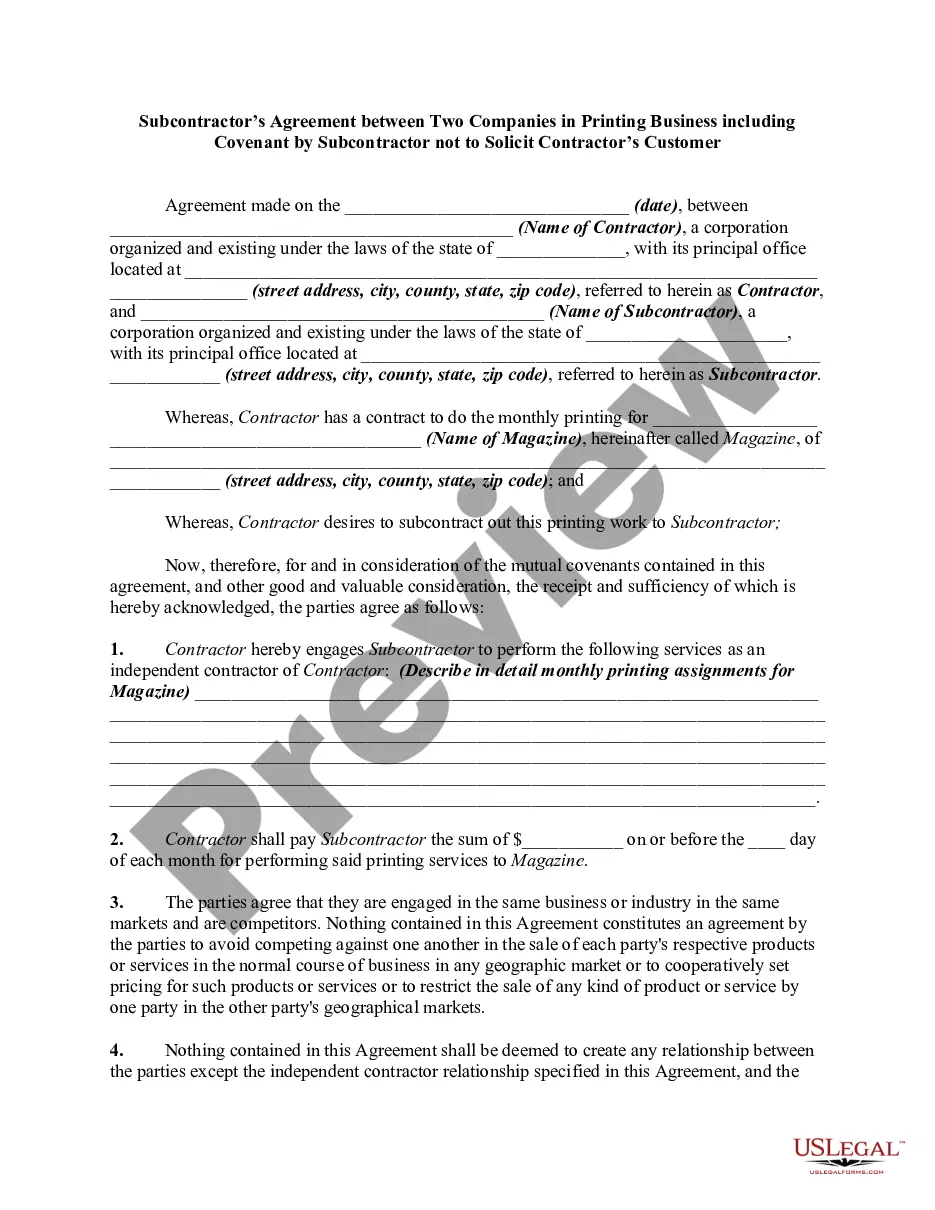
How to fill out Employee Grievance Procedures?
Drafting documents, like Oakland Employee Grievance Procedures, to handle your legal matters is a challenging and time-intensive endeavor.
Numerous situations necessitate a lawyer’s involvement, which also renders this chore not particularly economical.
However, you can take charge of your legal issues and manage them independently. US Legal Forms is ready to assist you.
- Our platform showcases over 85,000 legal documents tailored for diverse situations and life events.
- We ensure each form adheres to the regulations of each state, alleviating any concerns about potential legal issues related to compliance.
- If you're already acquainted with our site and possess a subscription with US, you recognize how simple it is to obtain the Oakland Employee Grievance Procedures form.
- Just Log In to your account, download the document, and customize it to your specifications.
- Have you misplaced your form? Don’t fret. You can retrieve it from the My documents section in your account - whether on desktop or mobile.
- The onboarding process for new clients is just as straightforward! Here’s what you must do before acquiring Oakland Employee Grievance Procedures.
Form popularity
FAQ
Five Steps To Winning Grievances Listen carefully to the facts from the worker. Listening is a lot harder than most people realize.Test for a grievance. You already know the five tests for a grievance.Investigate thoroughly.Write the grievance.Present the grievance in a firm but polite manner.
Three Types of Grievances Individual grievance. One person grieves that a management action has violated their rights under the collective agreement.Group grievance. A group grievance complains that management action has hurt a group of individuals in the same way.Policy or Union grievance.
Following a formal grievance meeting, endeavour to respond to the grievance as soon as possible and, again, within five working days of the grievance meeting. If providing a response is going to take longer than this, e.g. because the grievance is complex, let the employee know why and when they can expect a decision.
A grievance is generally defined as a claim by an employee that he or she is adversely affected by the misinterpretation or misapplication of a written company policy or collectively bargained agreement. To address grievances, employers typically implement a grievance procedure.
In any event, if the individual (for example, the line manager) is named in a grievance letter, strictly speaking, under the Data Protection Act, they can make a Subject Access Request requesting to see the contents of the letter.
Reasons for filing a grievance in the workplace can be as a result of, but not limited to, a breach of the terms and conditions of an employment contract, raises and promotions, or lack thereof, as well as harassment and employment discrimination.
How to raise a formal grievance Write to your employer. If you haven't been able to sort out your problem by talking directly to your manager, the next thing to do is write to your employer.Meet with your employer.Appeal to your employer.
If there is evidence that a grievance is being brought by an employee in bad faith against the business or another staff member, then you could refuse to hear the grievance.
The ACAS guidance states that the grievance hearing should, ideally, be held within five days. This is not always possible. However, if there is a longer period before the hearing, the employer may need to show the reasons for this delay if the matter progresses to an employment tribunal.
An individual grievance is a complaint that an action by management has violated the rights of an individual as set out in the collective agreement or law, or by some unfair practice. Examples of this type of grievance include: discipline, demotion, classification disputes, denial of benefits, etc.