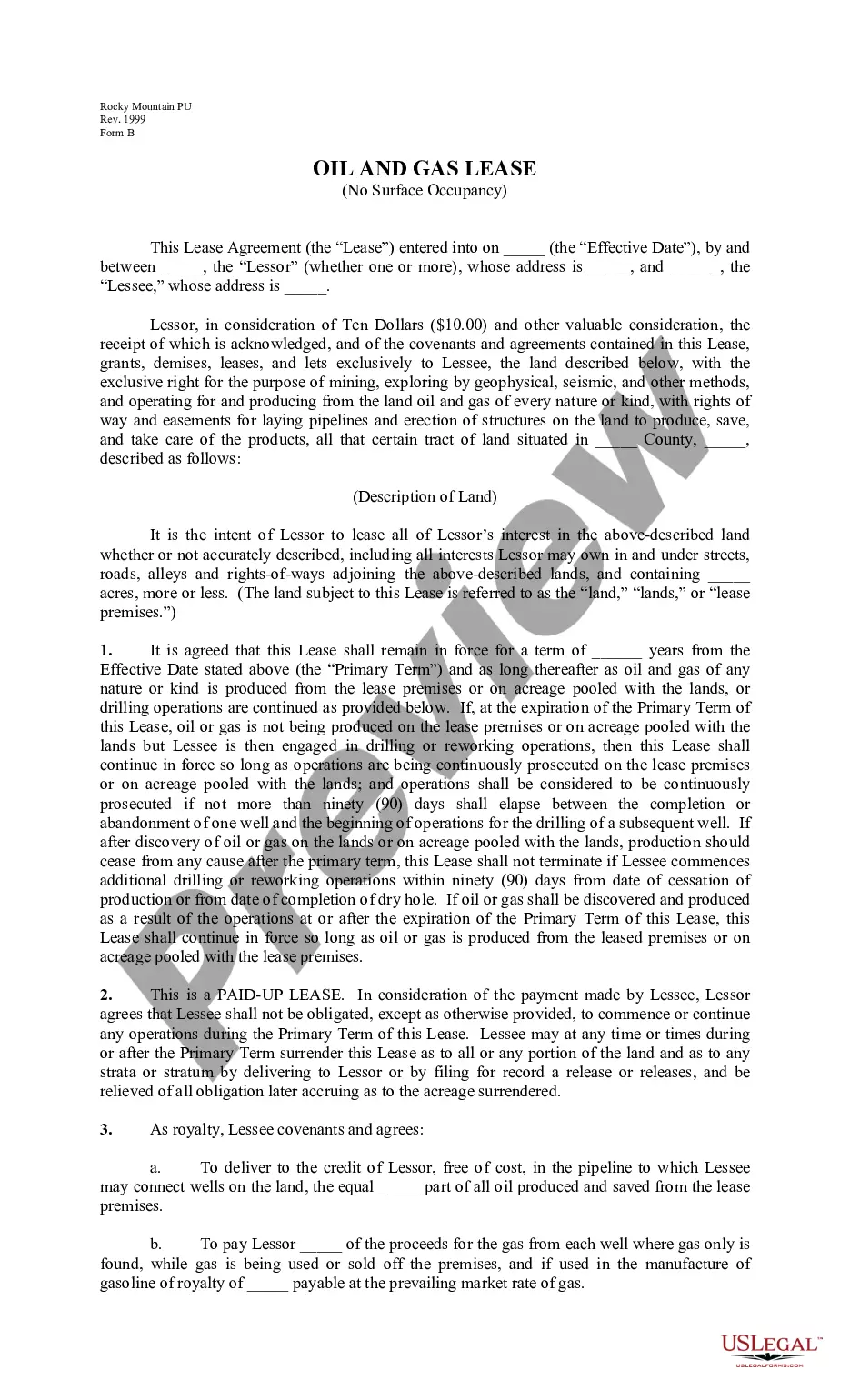
Salt Lake Utah Performance Bond
Description
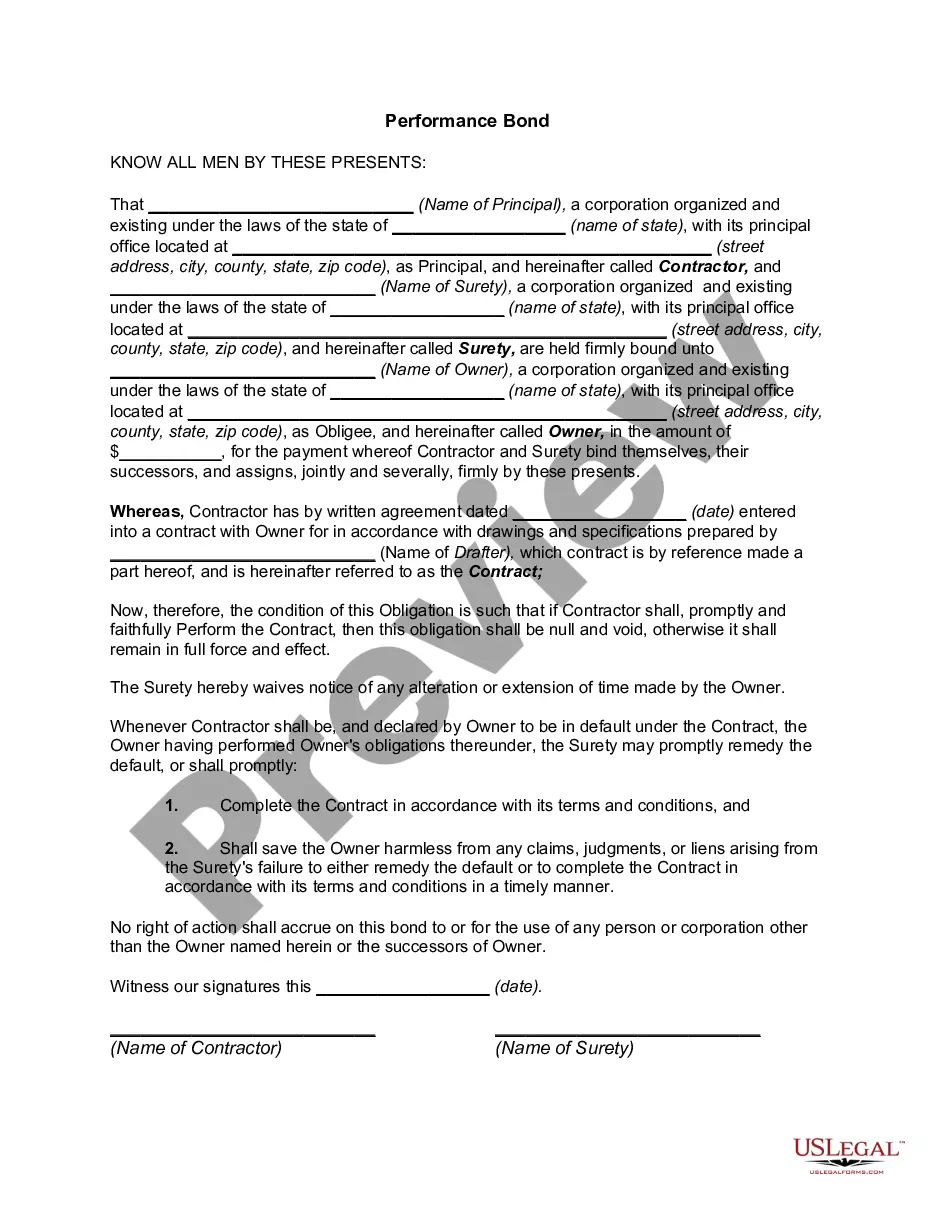
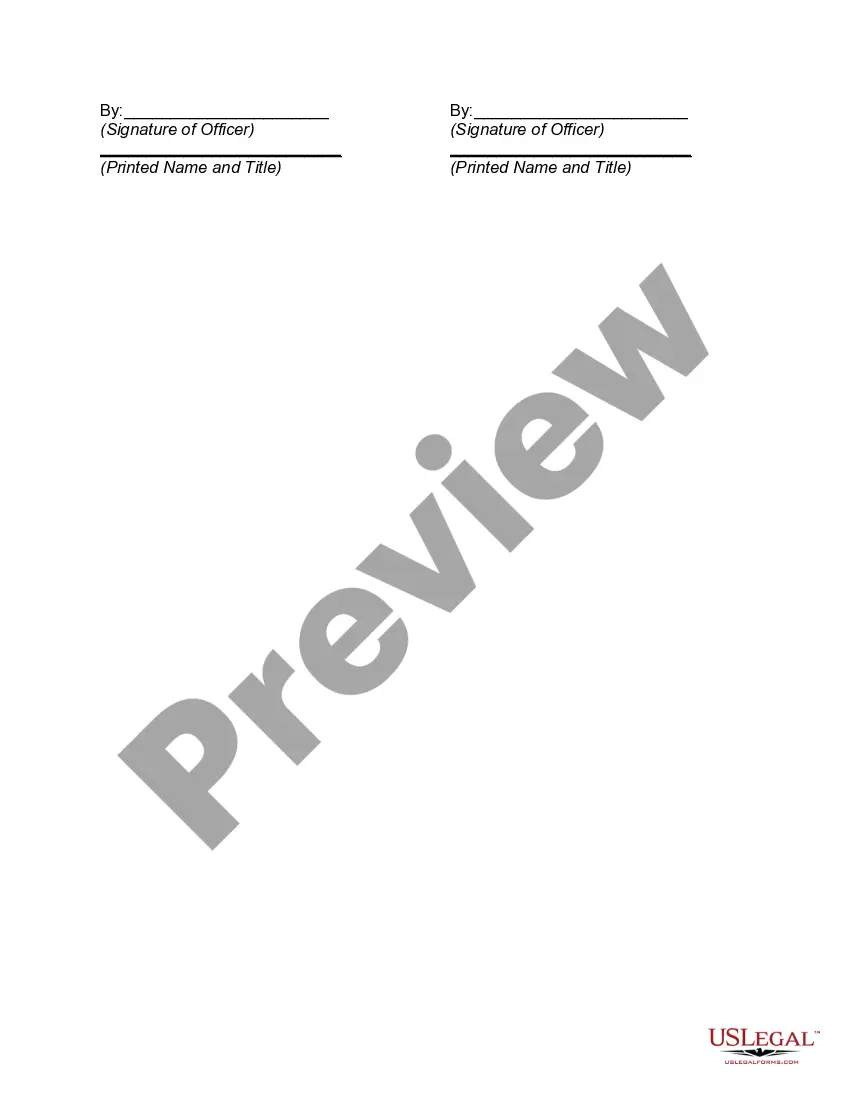
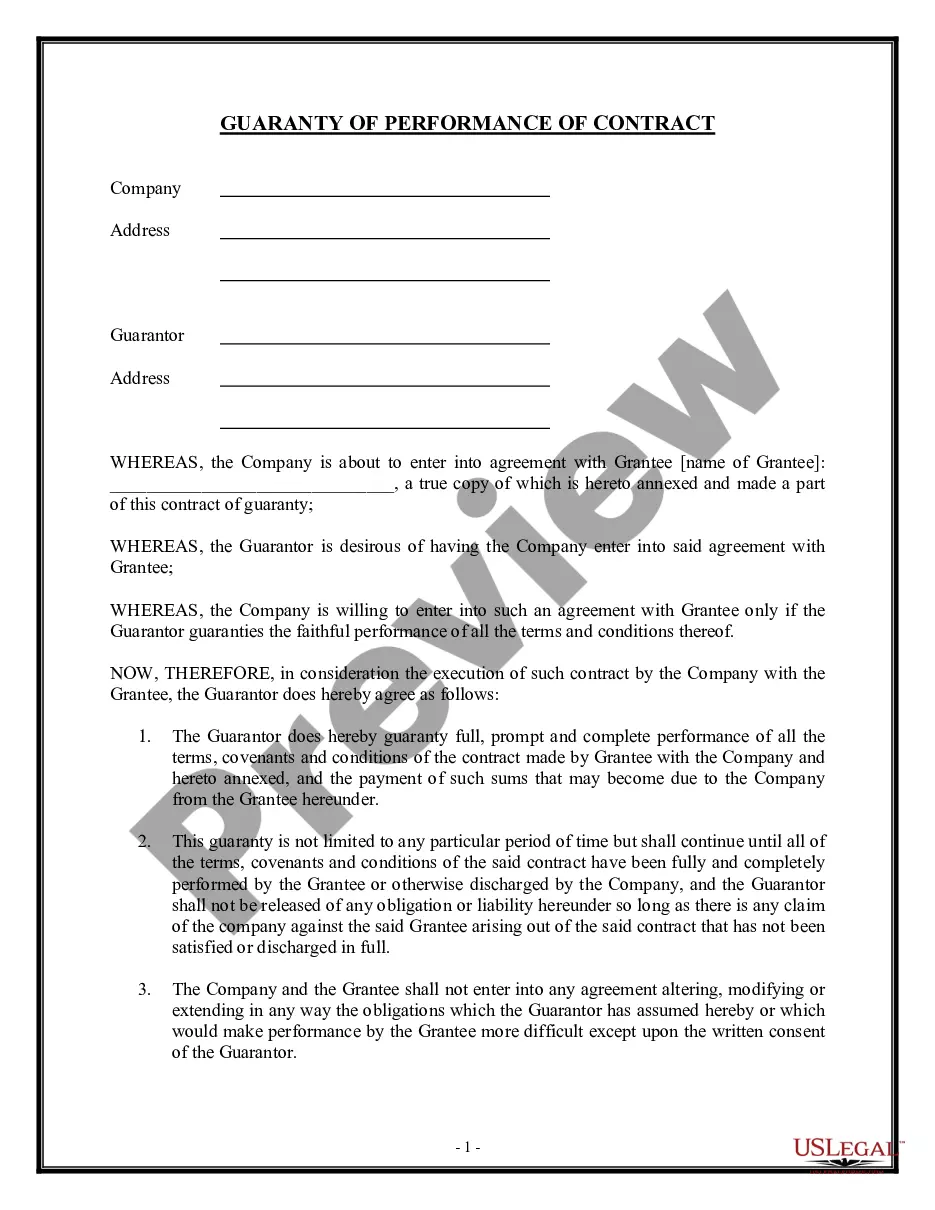




How to fill out Performance Bond?
Statutes and rules in every domain vary from one state to another.
If you're not an attorney, it's simple to become confused by different standards when it comes to drafting legal documents.
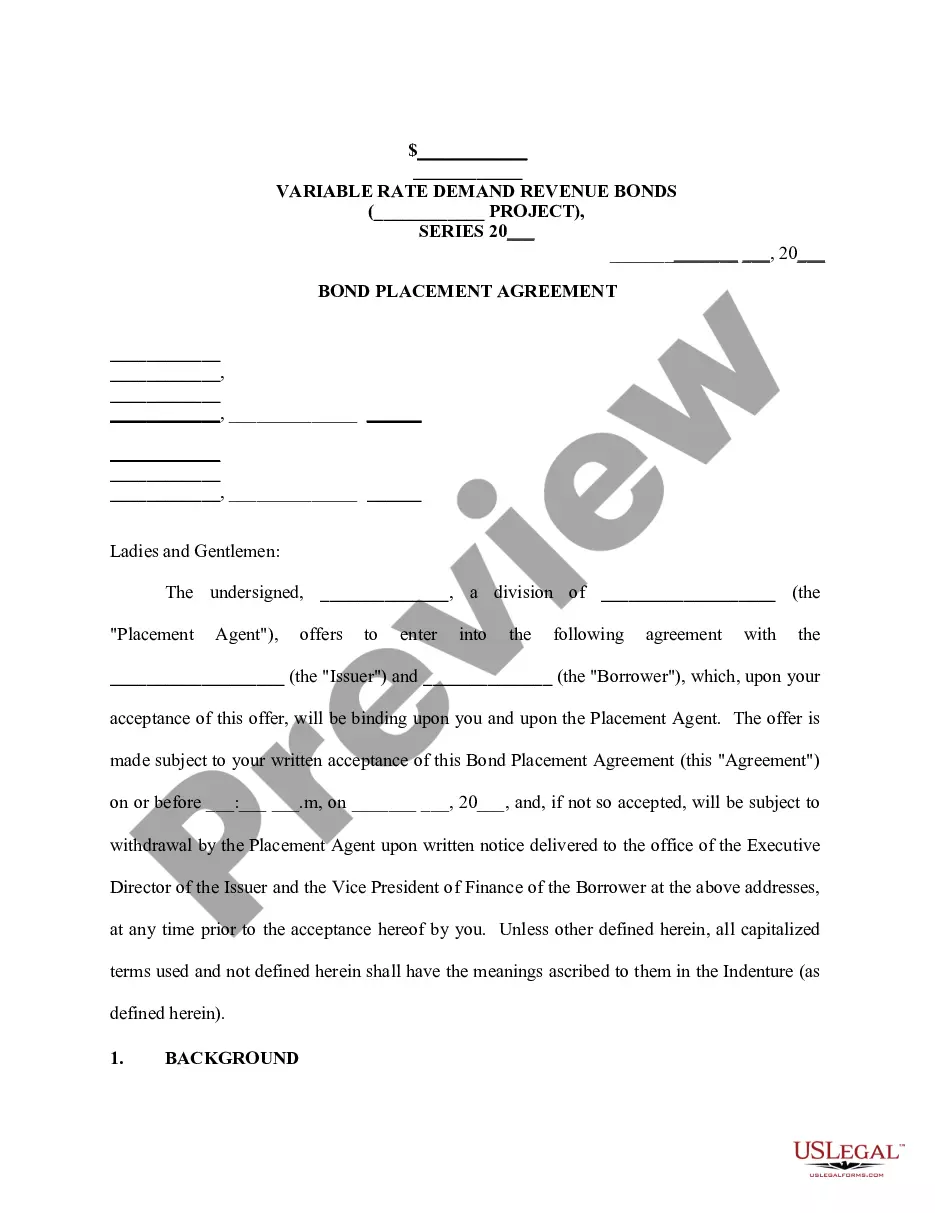
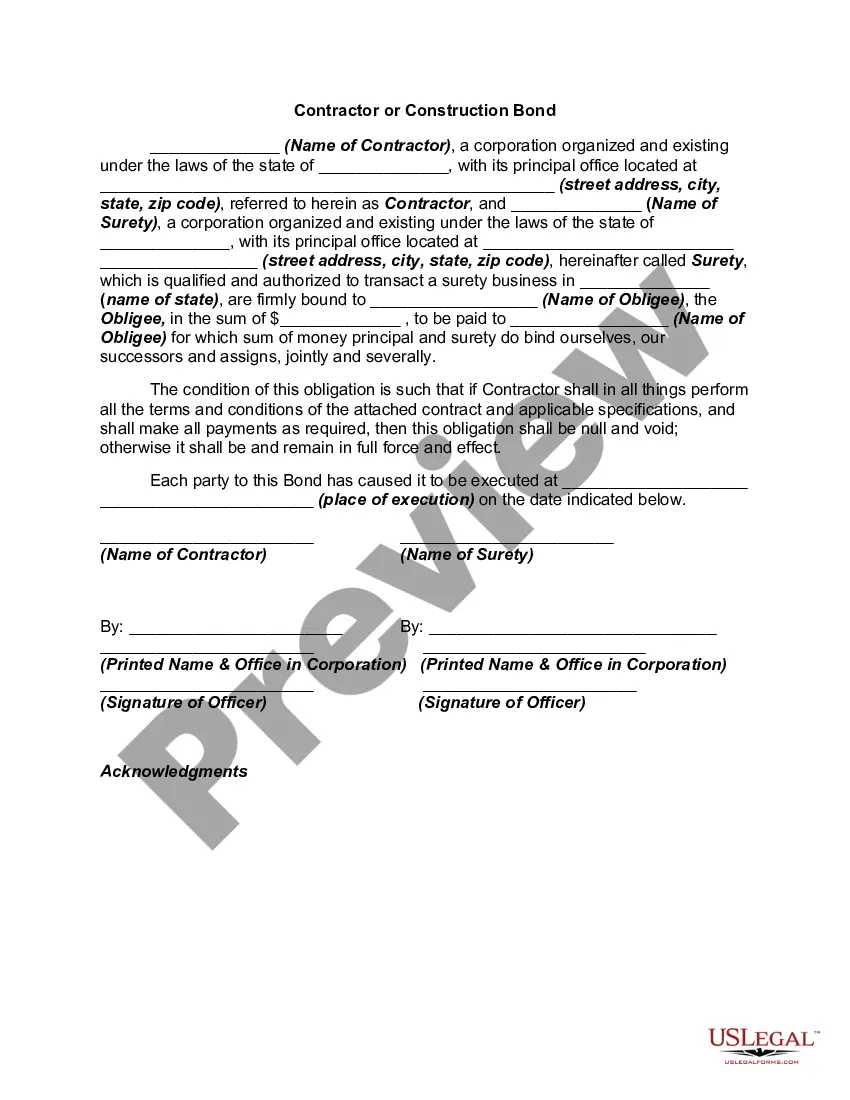
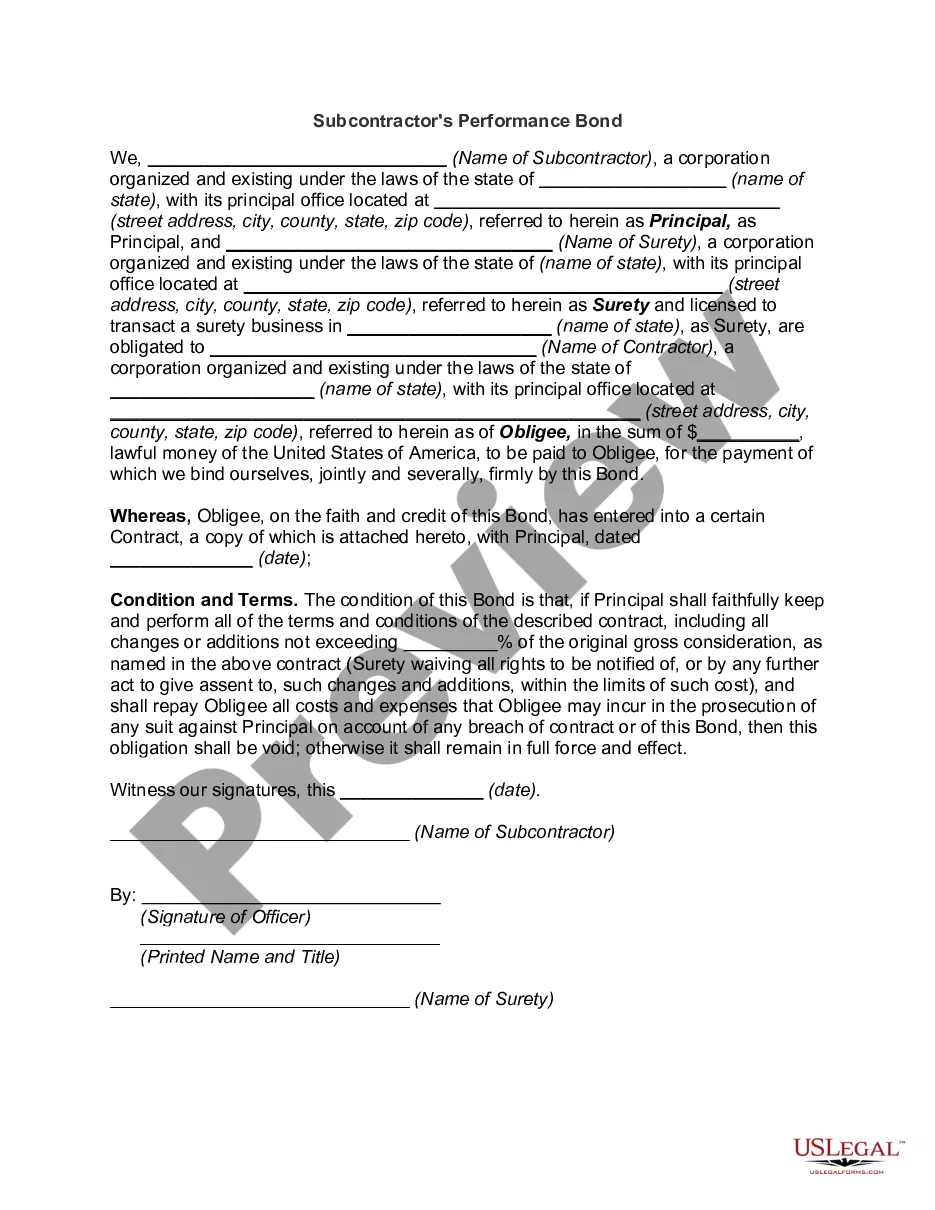
To prevent costly legal fees when preparing the Salt Lake Performance Bond, you require a verified template suitable for your area.
This is the easiest and most cost-effective way to access current templates for any legal requirements. Find them all in just a few clicks and maintain your documentation organized with the US Legal Forms!
- Examine the page content to ensure you've located the correct sample.
- Utilize the Preview option or read the form description if one is available.
- Search for another document if there are discrepancies with any of your needs.
- Click the Buy Now button to acquire the document once you've found the appropriate one.
- Choose one of the subscription plans and Log In or create an account.
- Determine how you wish to pay for your subscription (via credit card or PayPal).
- Select the format in which you want to store the file and click Download.
- Fill out and sign the document in writing after printing it, or complete everything electronically.
Form popularity
FAQ
The cost of a performance bond usually is less than 1% of the contract price; however, if the contract is under $1 million, the premium may run between 1% and 2%. Bonds may be more costly, depending upon the credit-worthiness of the contractor.
If you never submitted your bond to the Obligee/State and you can send the original bond back to the surety company, sometimes a full or partial refund can be provided. If you cancel your bond mid-term, in rare circumstances a pro-rated refund can be provided.
The cost of a performance bond may go up by 1.5% to 2% on riskier contracts. The financial strength and credit worthiness of the principal are major considerations in the cost of the bond. For our small contractor bonds (those that are <$400,000) three percent (3%) is a pretty good rule to follow.
A performance bond is an agreement between the contractor and the owner of a project. The contractor agrees to provide a certain level of work in exchange for payment, while the owner agrees to pay if the work is not completed satisfactorily.
Performance bonds are not like other types of contracts, as they do not expire with the contract. As a result, when one expires you will still be liable for it even if your company has gone bankrupt or dissolved.
Posted bid bonds or guaranties shall be returned to unsuccessful bidders promptly after an award is made. Unless converted to a required performance bond or guaranty, any bid bond or guaranty posted by the successful bidder shall also be returned promptly.
Bonds are typically set at 10% of the contract value. This compensation can enable the client to overcome difficulties that have been caused by non-performance of the contractor such as, for example, finding a new contractor to complete the works.
Payment bonds ensure that contractors pay their material suppliers and subcontractors according to their contracts. Performance bonds provide a financial guarantee to project owners that their contractor will perform according to contract terms.
The rate paid is typically a percentage of either the contract amount or bond amount. The average rates and costs can range from 1% - 5%. These are only averages, whereas, a highly qualified Contractor may obtain lower bond rates compared to a Contractor with poor credit issues or financial deficiencies.
Performance Bonds protect developers from losses. If the contractor fails to perform their obligation, the developer can make a claim on the bond to recoup money in order to pay another contractor to complete the project.