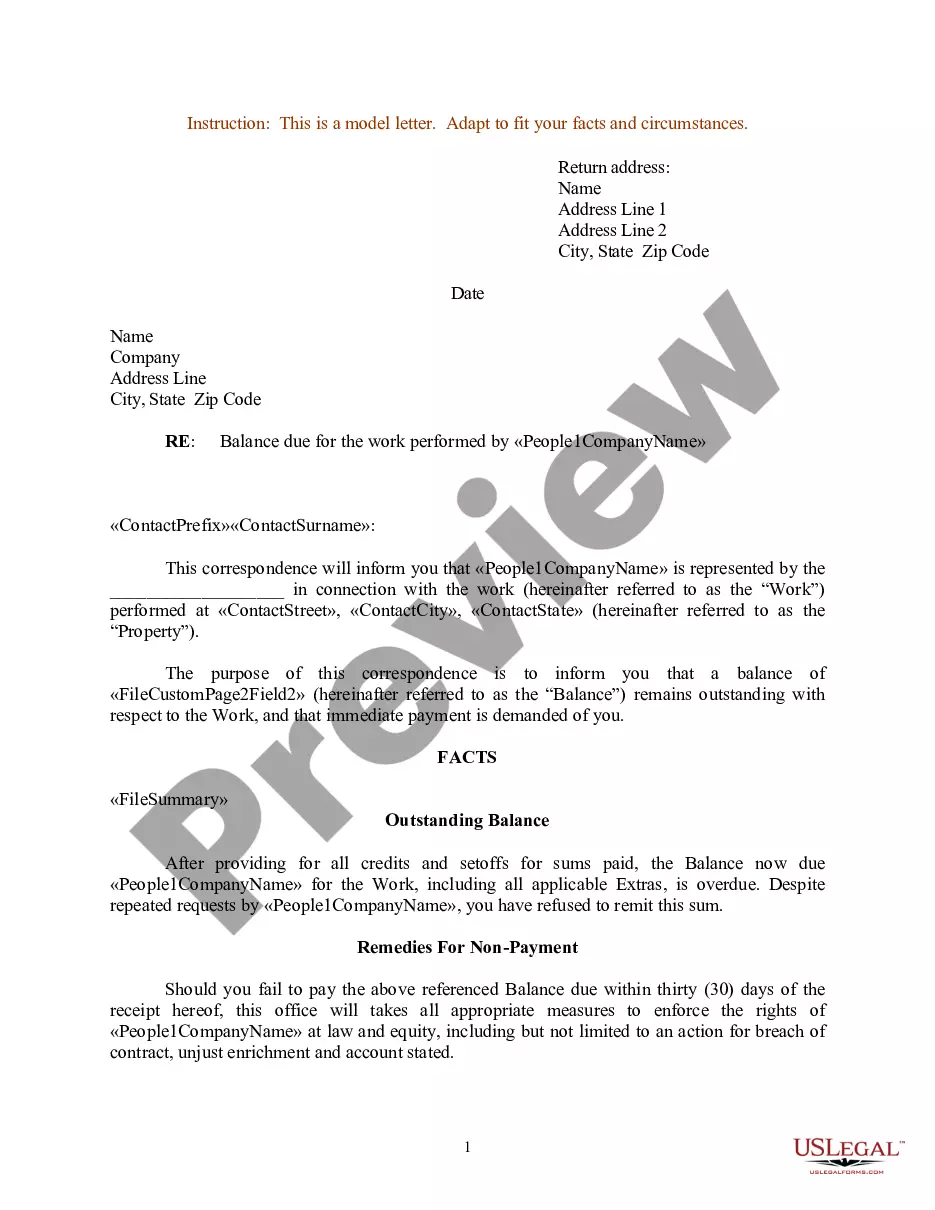
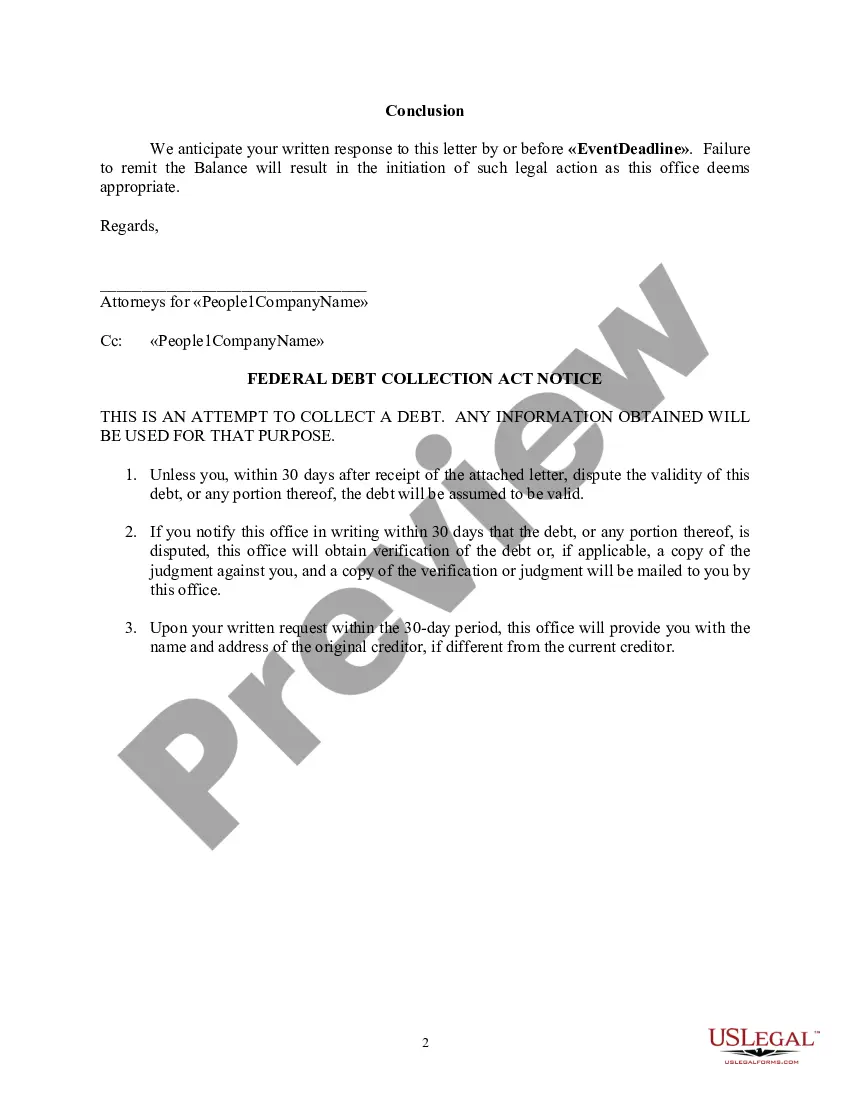
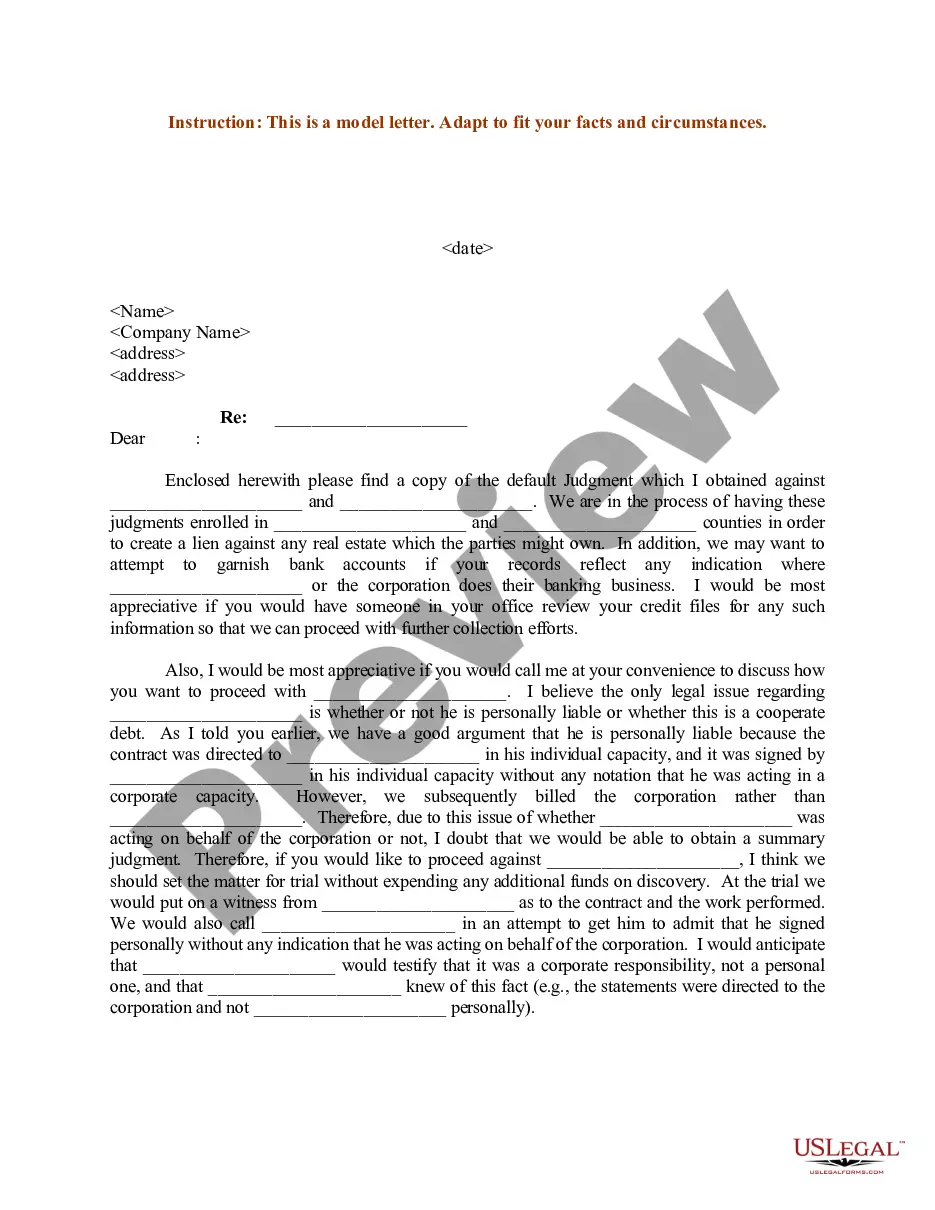
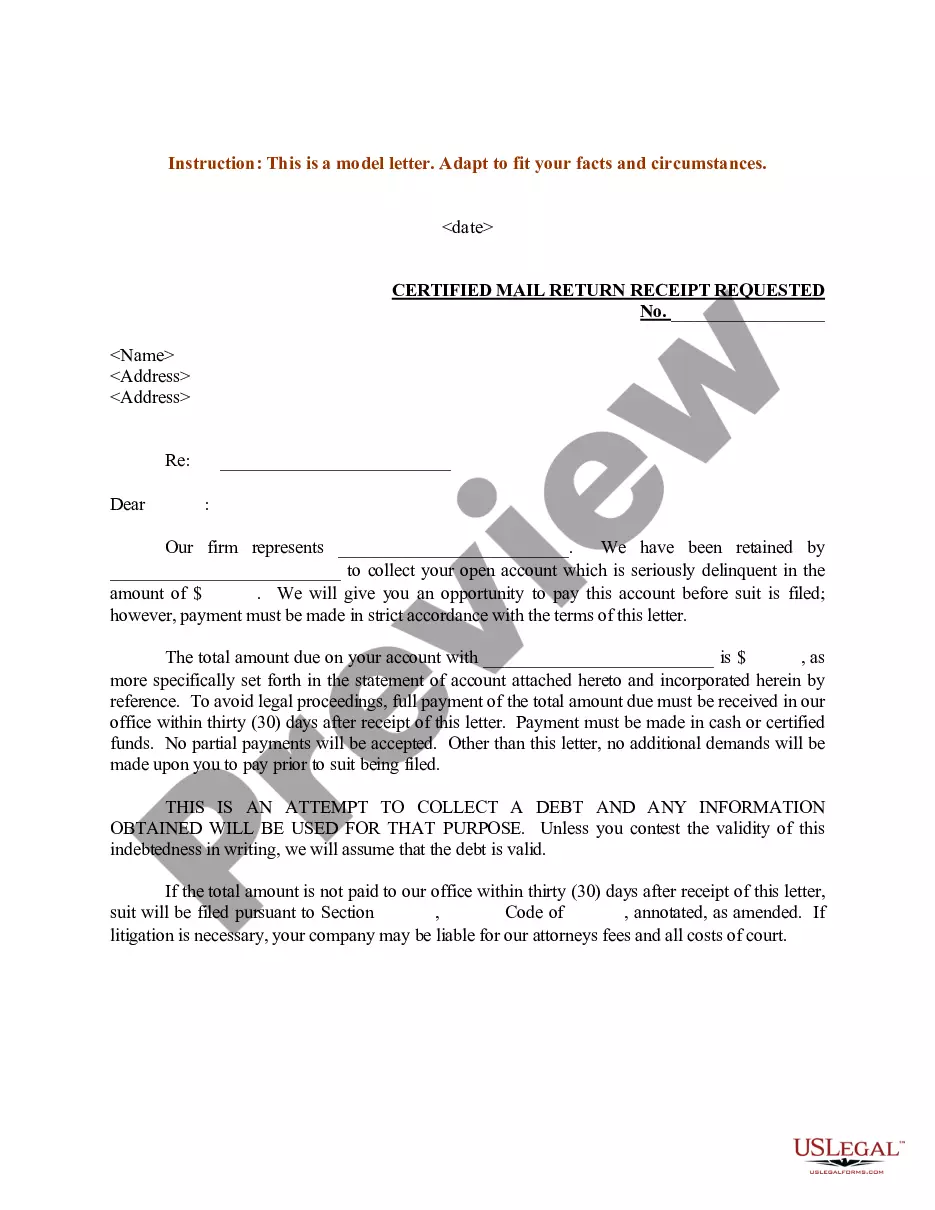
Santa Clara California Sample Letter for Debt Collection
Description
Get your form ready online
Our built-in tools help you complete, sign, share, and store your documents in one place.
Make edits, fill in missing information, and update formatting in US Legal Forms—just like you would in MS Word.
Download a copy, print it, send it by email, or mail it via USPS—whatever works best for your next step.
Sign and collect signatures with our SignNow integration. Send to multiple recipients, set reminders, and more. Go Premium to unlock E-Sign.
If this form requires notarization, complete it online through a secure video call—no need to meet a notary in person or wait for an appointment.
We protect your documents and personal data by following strict security and privacy standards.

Make edits, fill in missing information, and update formatting in US Legal Forms—just like you would in MS Word.

Download a copy, print it, send it by email, or mail it via USPS—whatever works best for your next step.

Sign and collect signatures with our SignNow integration. Send to multiple recipients, set reminders, and more. Go Premium to unlock E-Sign.

If this form requires notarization, complete it online through a secure video call—no need to meet a notary in person or wait for an appointment.

We protect your documents and personal data by following strict security and privacy standards.
Looking for another form?
How to fill out Sample Letter For Debt Collection?
Drafting documents for business or personal requirements is always a significant obligation.
When formulating a contract, a public service inquiry, or a power of attorney, it's critical to take into account all federal and state regulations of the particular area.
Moreover, smaller counties and even municipalities also have legislative guidelines that you must factor in.
To find the one that meets your requirements, leverage the search tab located in the page header.
- All these elements render it stressful and lengthy to prepare a Santa Clara Sample Letter for Debt Collection without professional guidance.
- It's simple to circumvent expenditures on attorneys drafting your documents and create a legally acceptable Santa Clara Sample Letter for Debt Collection by yourself, utilizing the US Legal Forms online repository.
- It is the most comprehensive online assortment of state-specific legal forms that are professionally validated, ensuring their legitimacy when selecting a template for your county.
- Previous subscribers only need to sign in to their accounts to acquire the necessary document.
- If you still lack a subscription, follow the step-by-step instructions below to secure the Santa Clara Sample Letter for Debt Collection.
- Browse through the page you've accessed and verify if it contains the template you require.
- To achieve this, utilize the form description and preview if such features are available.
Form popularity
FAQ
This first collection letter should include important points, such as: Days past due. Amount due. Note previous attempts to collect. Summary of account. Instructions- what would you like them to do next? Due date for payment- it is important to use an actually date, not in the next 7 business days as this can be vauge.
Dear Sir/Maam, It has come to our attention that your account is overdue for payment. So, this letter is to remind you that Invoice/Account Number : (As given in below table) that had been handed over or sent to you on 1/3/2021 is still overdue for payment. As per our terms, the payment of Rs.
Your debt settlement proposal letter must be formal and clearly state your intentions, as well as what you expect from your creditors. You should also include all the key information your creditor will need to locate your account on their system, which includes: Your full name used on the account. Your full address.
Your letter should identify each item you dispute, state the facts, explain why you dispute the information, and ask that the business that supplied the information take action to have it removed or corrected. You may want to enclose a copy of your report with the item(s) in question circled.
It should be short, concise, to the point and very clear as to what you want. It's imperative that you say as much as you can with as little text as possible. Remember to include the exact amount owed, the invoice number and the due date.
A goodwill letter, sometimes called a forgiveness removal letter, is essentially a letter you write to your creditor that nicely asks for them to remove a negative mark from your credit reports. Writing a goodwill letter to a creditor is fairly easy and is definitely something you can do for DIY credit repair.
A debt collection letter should include the following information: The amount the debtor owes you. The initial due date of the payment. A new due date for the payment, whether ASAP or longer. Instructions on how to pay the debt.
Debt collectors are legally required to send you a debt validation letter, which outlines what the debt is, how much you owe and other information. If you're still uncertain about the debt you're being asked to pay, you can send the debt collector a debt verification letter requesting more information.
Mail the letter first class. You should send the letter first class, return receipt requested. The receipt will serve as proof that the creditor received the letter. Be sure to attach any supporting documentation, such as a copy of your credit report.
The Third Collection Letter Mention of all previous attempts to collect. Invoice number and amount. Original invoice due date. Current days past due. Instructions on what they should do next. A warning of the impending consequences. Your contact information and final request to contact you.