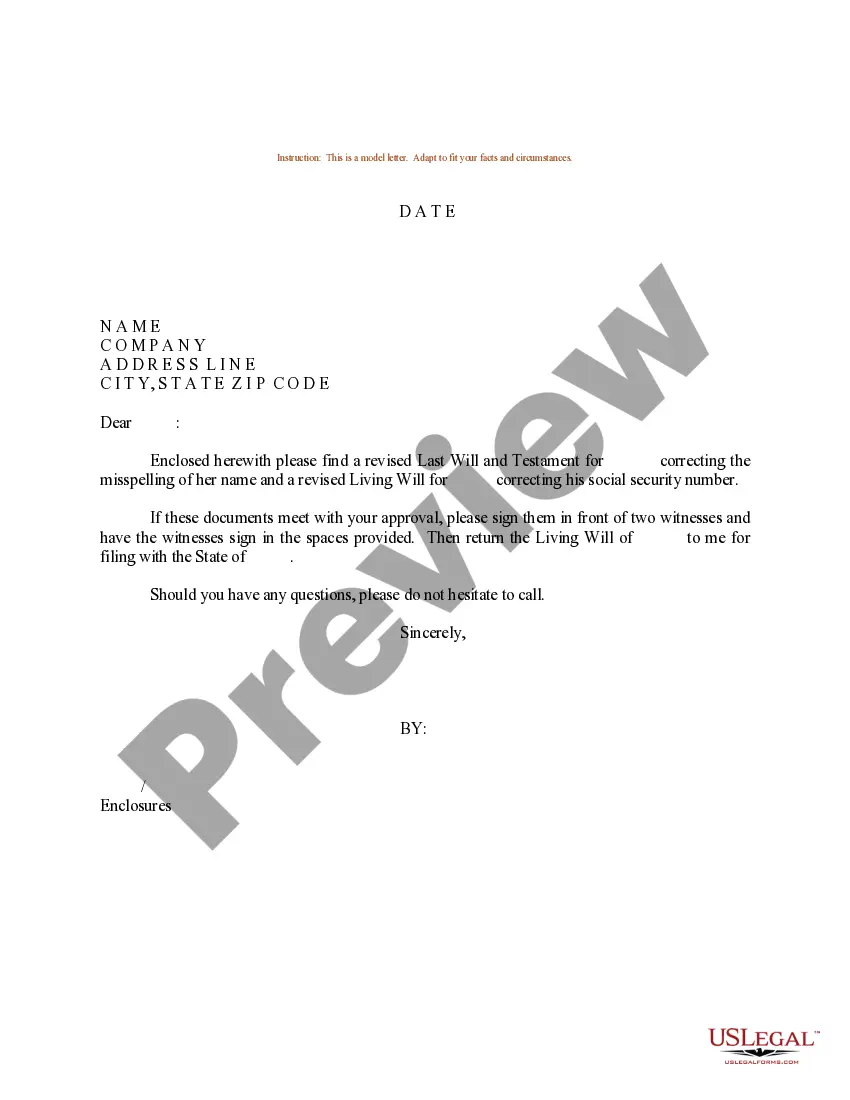
Orange California Sample Letter for Revised Last Will and Testament
Description
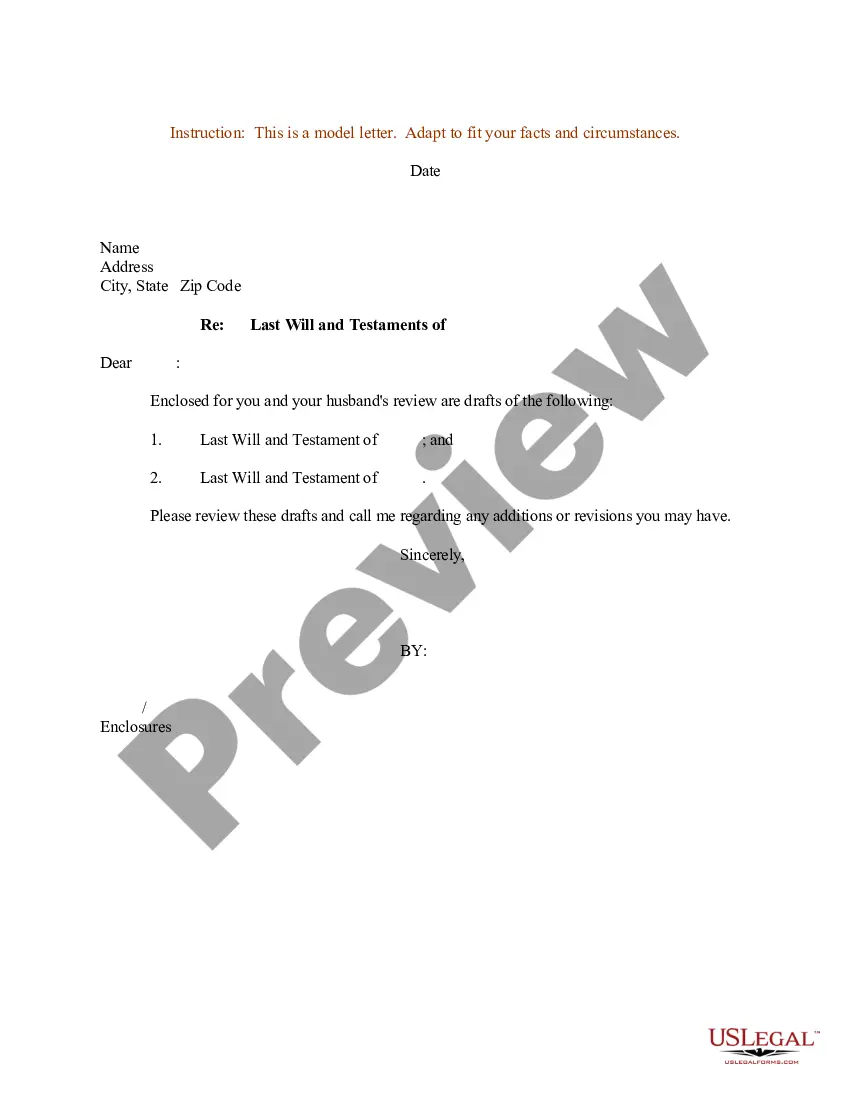
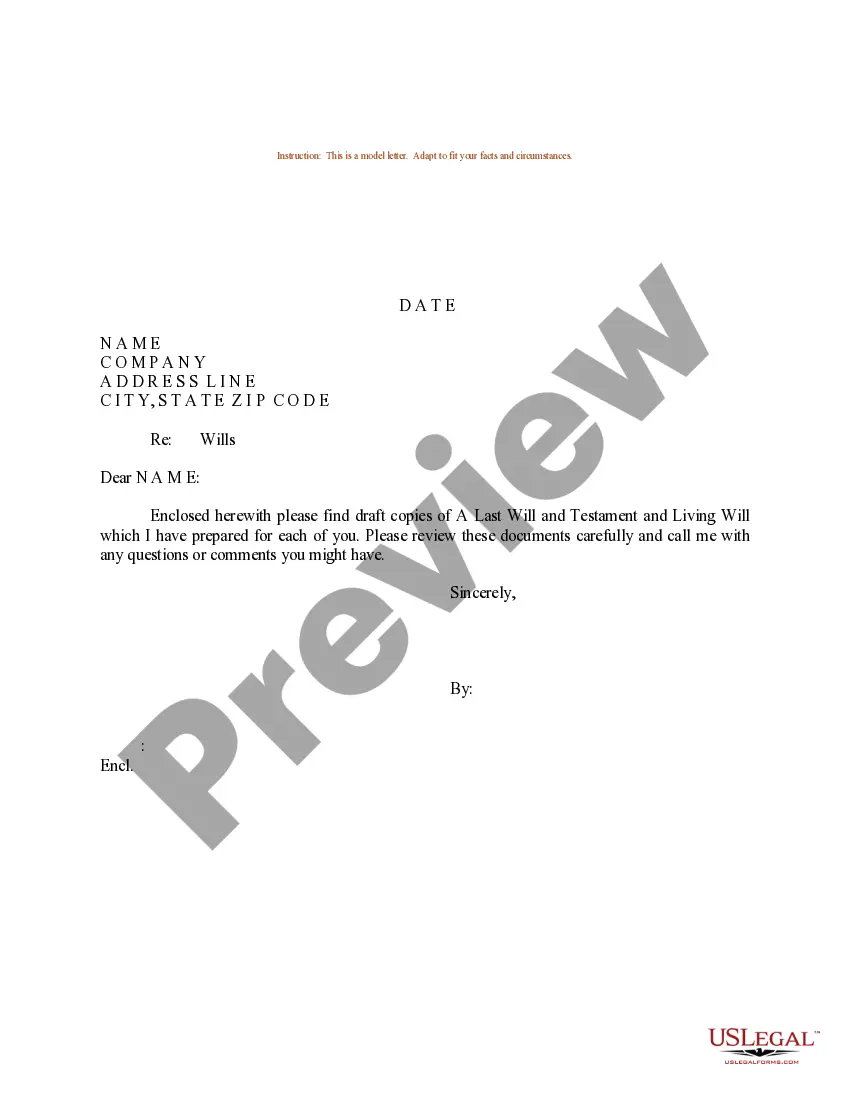
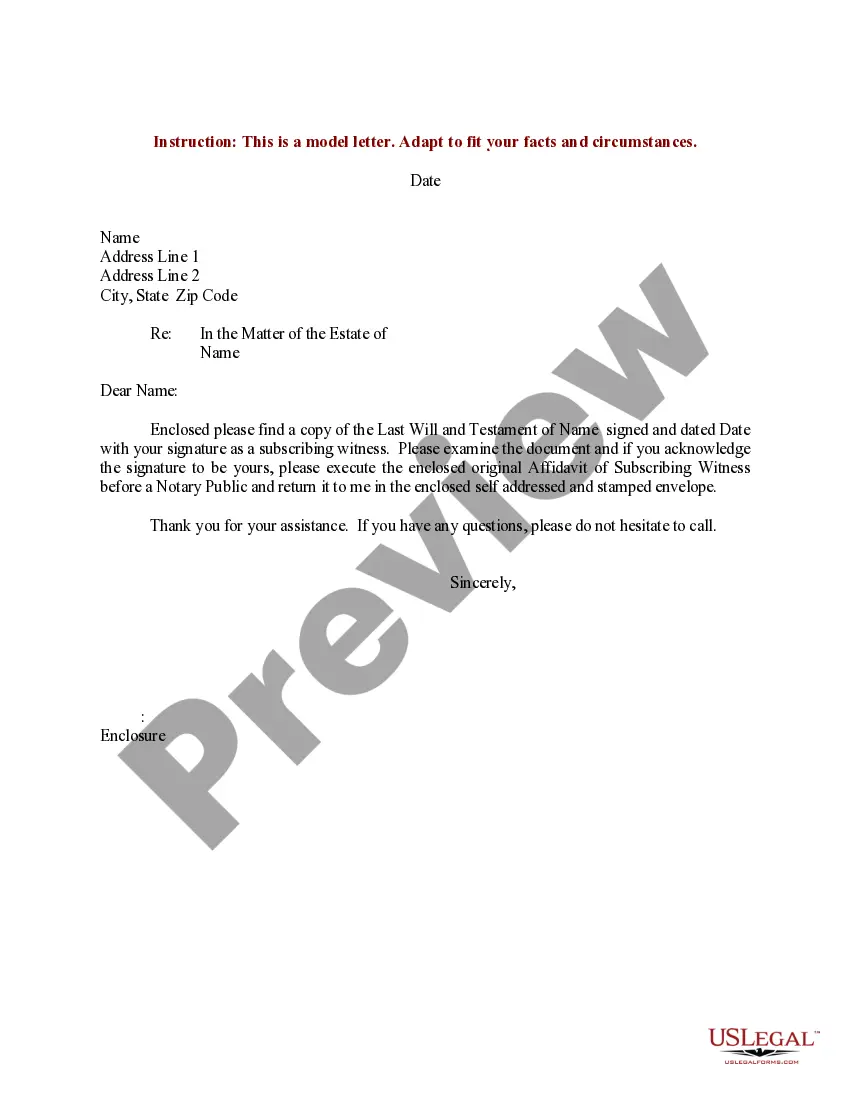
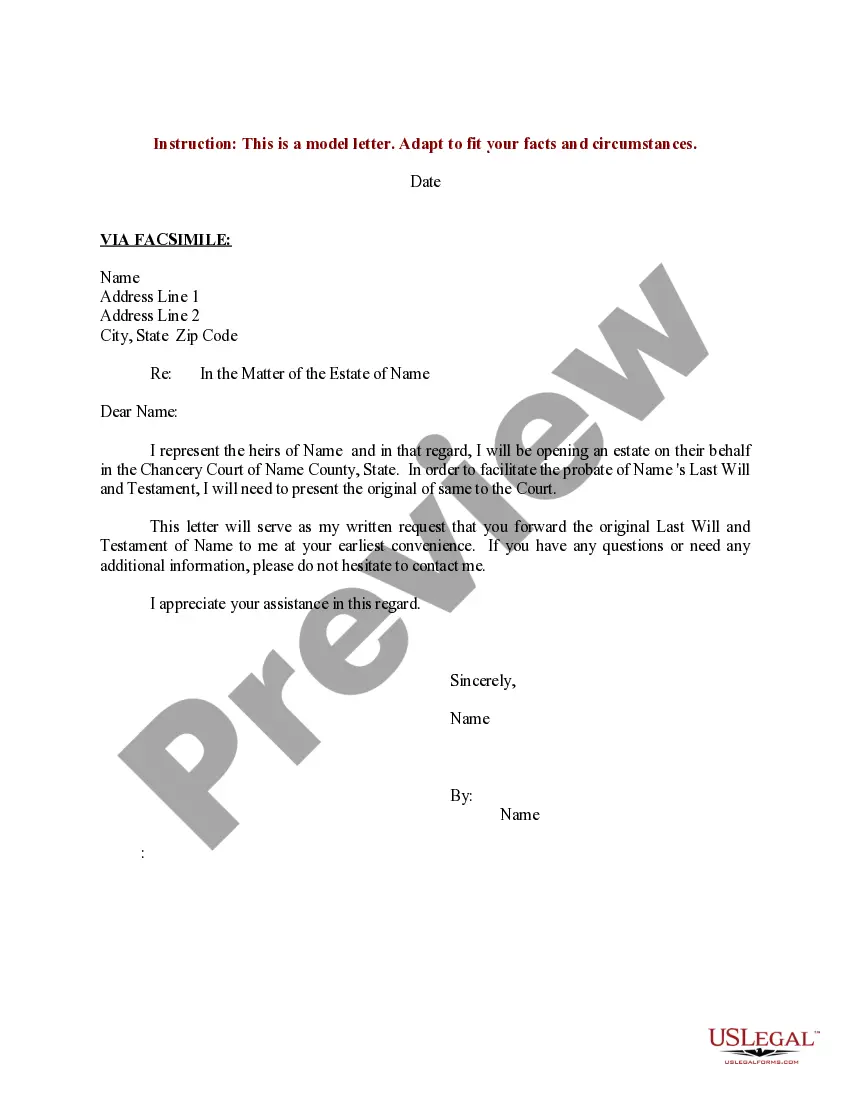
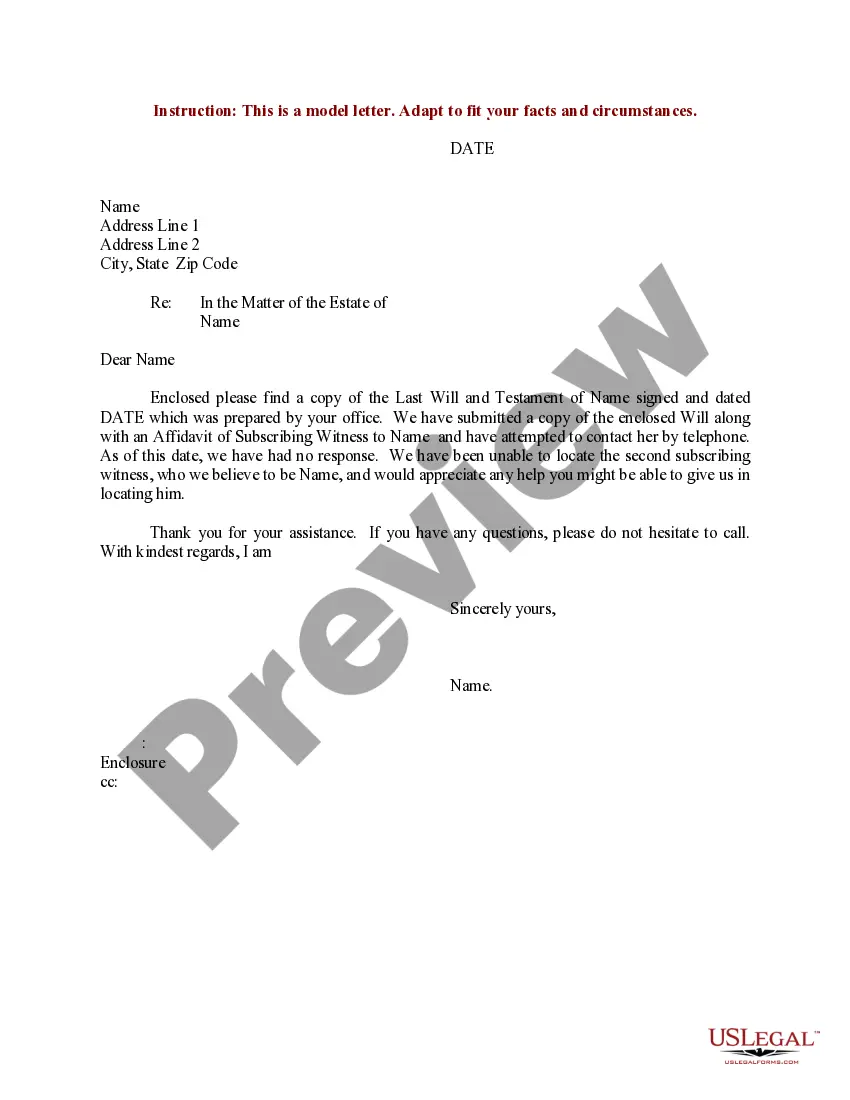


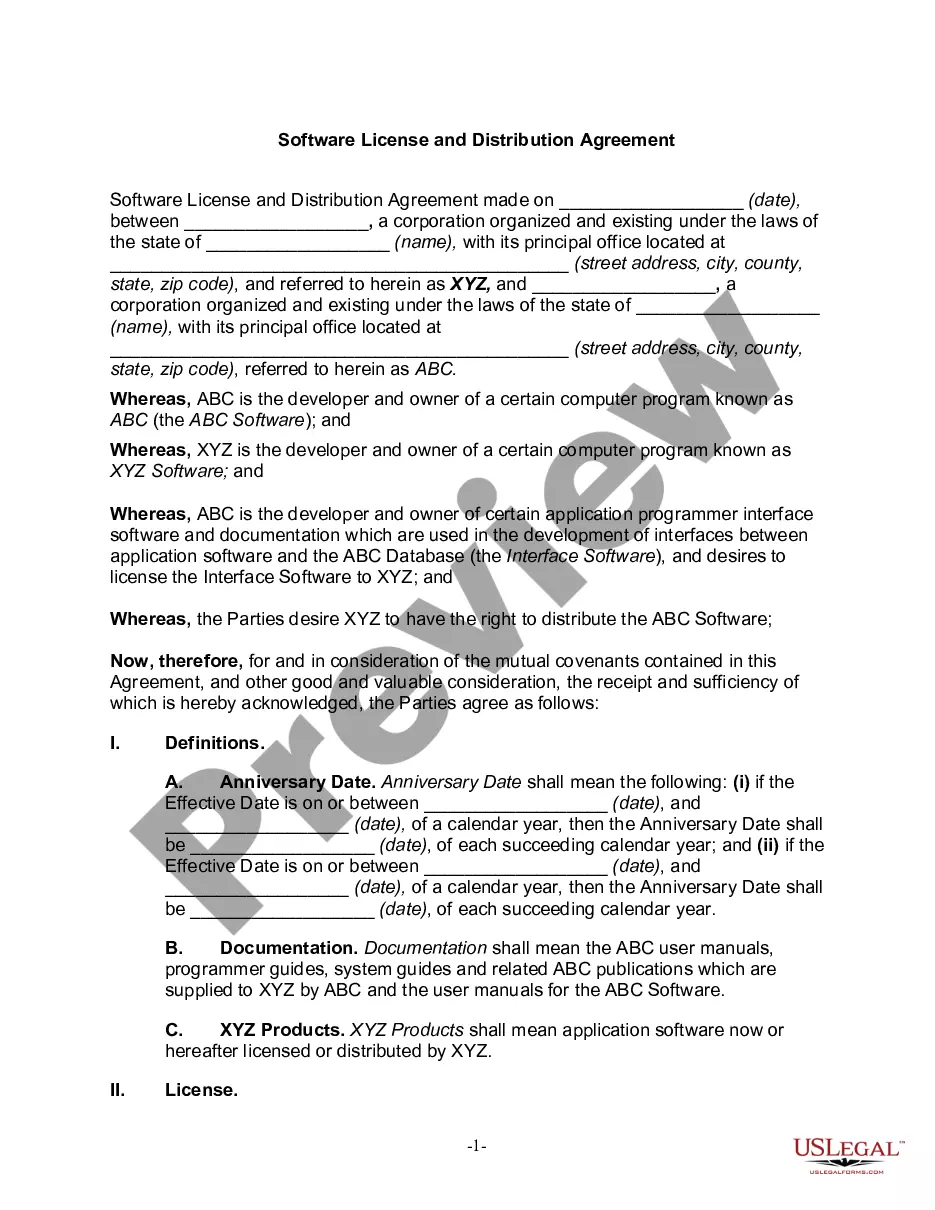

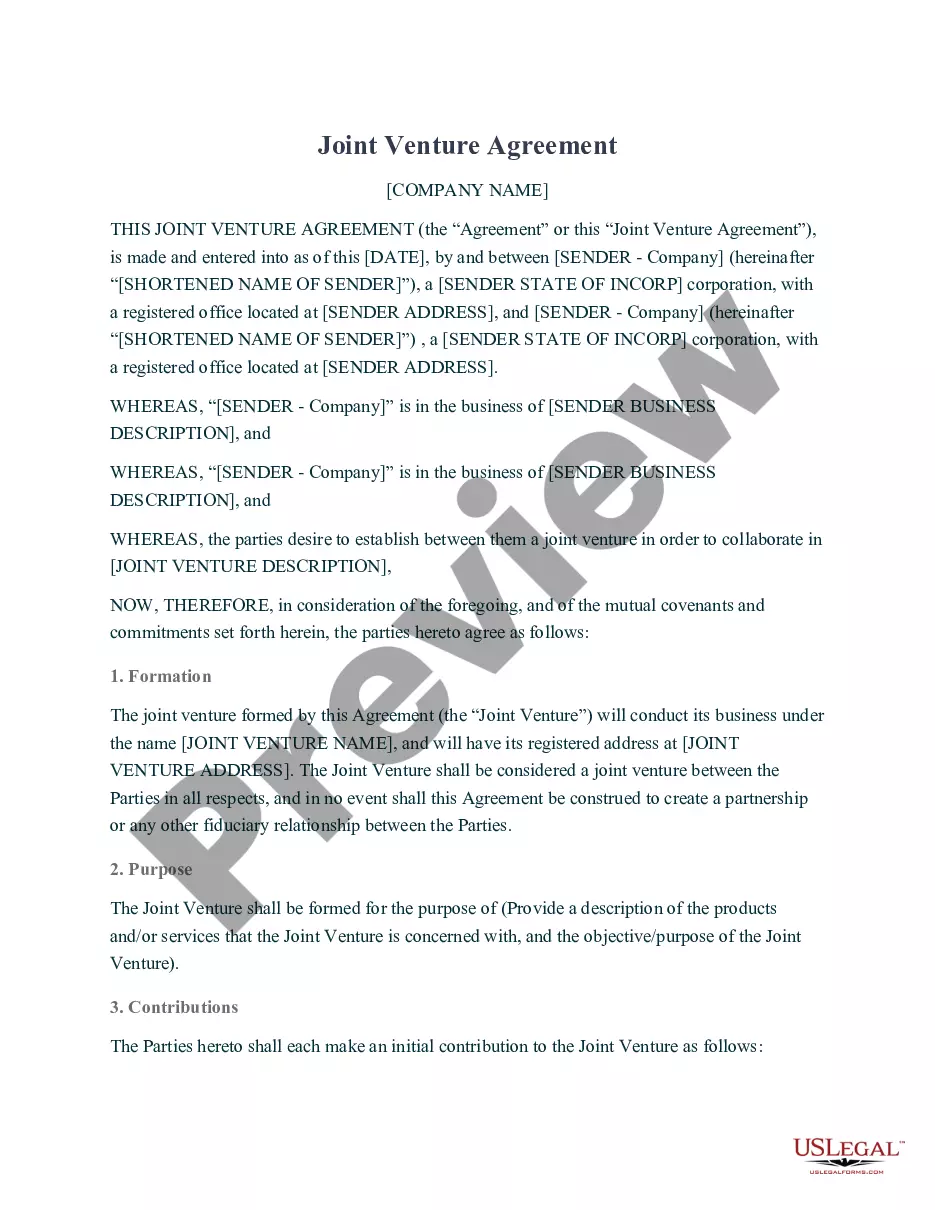

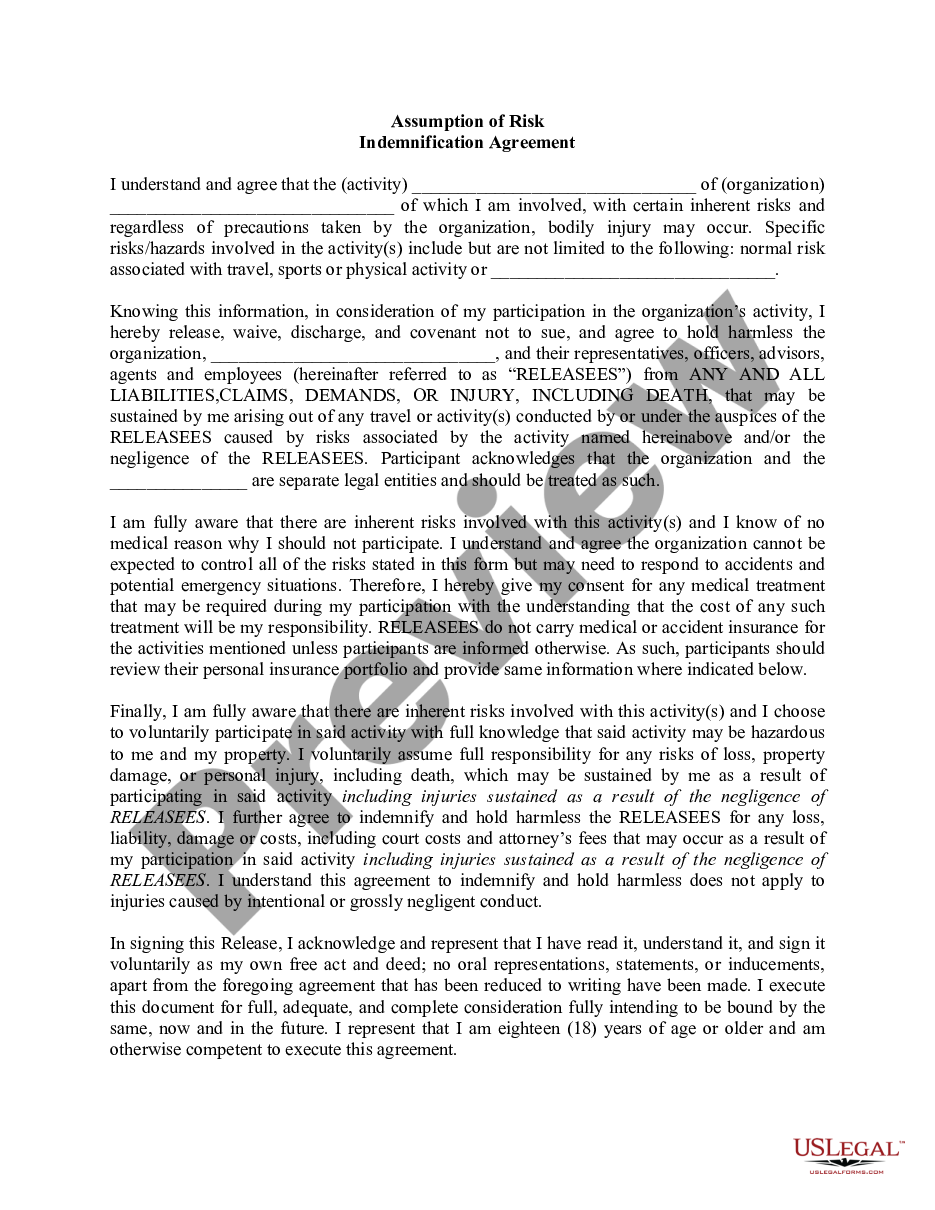
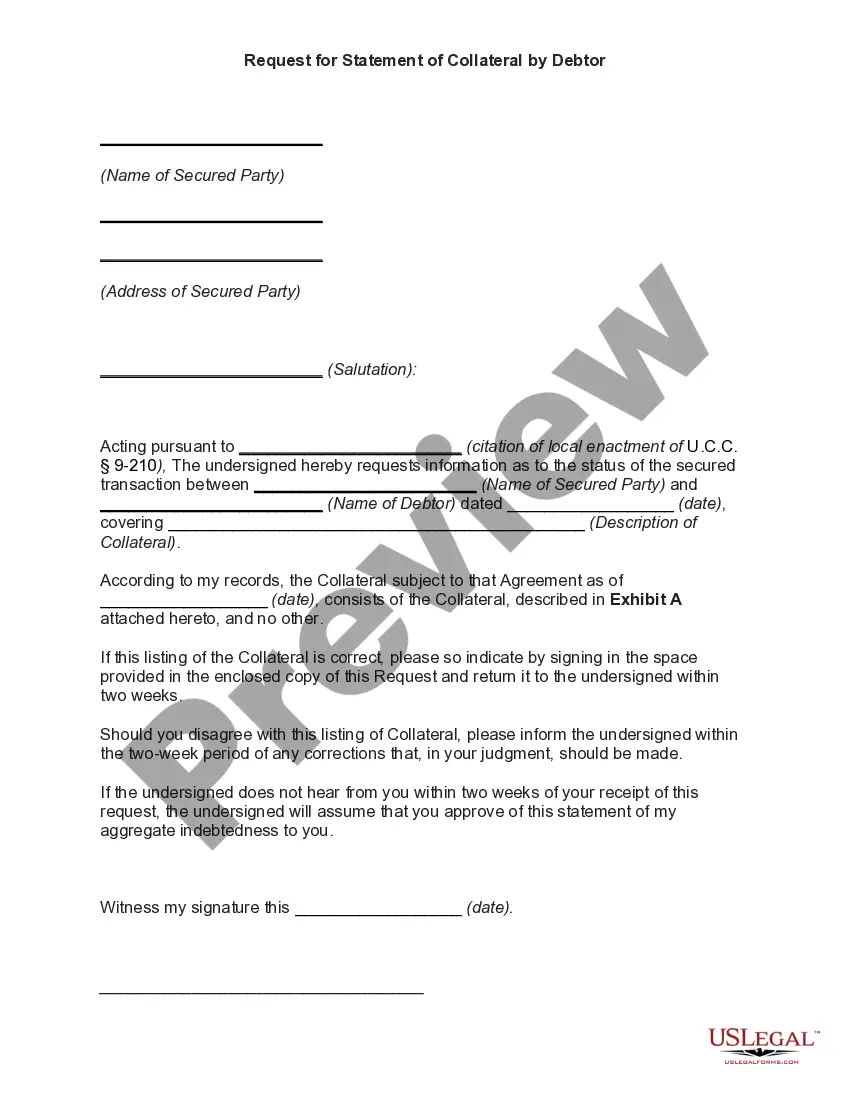
How to fill out Sample Letter For Revised Last Will And Testament?
Do you require to swiftly create a legally-binding Orange Sample Letter for Revised Last Will and Testament or potentially any other document to handle your personal or corporate affairs.
You have two choices: engage a legal professional to draft a legal document on your behalf or construct it entirely by yourself. Fortunately, there's an additional option - US Legal Forms.
First, ensure that the Orange Sample Letter for Revised Last Will and Testament is compliant with your state's or county's regulations.
If the form includes a description, make certain to review its intended use.
- It assists you in obtaining well-crafted legal documents without incurring exorbitant fees for legal assistance.
- US Legal Forms boasts an extensive collection of over 85,000 state-compliant document templates, including the Orange Sample Letter for Revised Last Will and Testament and numerous form packages.
- We provide templates for countless scenarios: ranging from divorce documents to real estate forms.
- With over 25 years of experience in the industry, we have established an impeccable reputation with our clients.
- Here's how you can join them and procure the necessary document without hassle.
Form popularity
FAQ
An explanatory letter is a document that gives the owner of the will, the testator, the chance to explain, in as much detail as desired, how and why they wish to distribute their property as they have laid out.
The key to writing a great letter of explanation is to keep it short, simple and informative. Be clear and write with as much detail as you can since someone else will need to understand your situation. Avoid including irrelevant information or answers to questions the underwriter didn't ask.
Tips Start with Dear and the person's title and name. Say what the problem is first. Then, give more details.Make it short and clear. Just include the most important information. Say Thank you for your understanding at the end. It shows that you hope the reader will understand your problems.
Explanation letter meaning Explanation letters provide details and context that underwriters would otherwise not be able to glean themselves. In particular, underwriters will request a letter of explanation when they spot issues like derogatory credit, large deposit, cash flow problems and gaps in employment.
There are a few simple steps to follow when you're looking for further explanation. Admit you need clarification. Admitting you need more information makes the next step much easier for the person you ask.Don't blame the other person. Own your confusion.Summarize.Be specific.
Explanation letter templates Dear recipient's name, I write to you today in response to a letter I received from you, dated insert date, about insert number of late payments on my loan from insert date to date. I am writing this letter today to explain to you the reasons for my delay.
Depending on the laws of your state, handwritten notes in a will may qualify as a valid testamentary disposition. This is more likely to occur if the changes are entirely in your handwriting, and are signed and dated.
The only way to change your will is to either make a new one or add a codicil (which amends your will, rather than replacing it). Like a will, a codicil needs to be properly witnessed to be valid.
Technically speaking, the answer is no. Whether you have opted to write a codicil or a new will, they are considered valid as long as the formalities of will writing are followed. These requirements include signing the will in the presence of two witnesses, who must also sign the document in your presence.
The key to writing a great letter of explanation is to keep it short, simple and informative. Be clear and write with as much detail as you can since someone else will need to understand your situation. Avoid including irrelevant information or answers to questions the underwriter didn't ask.