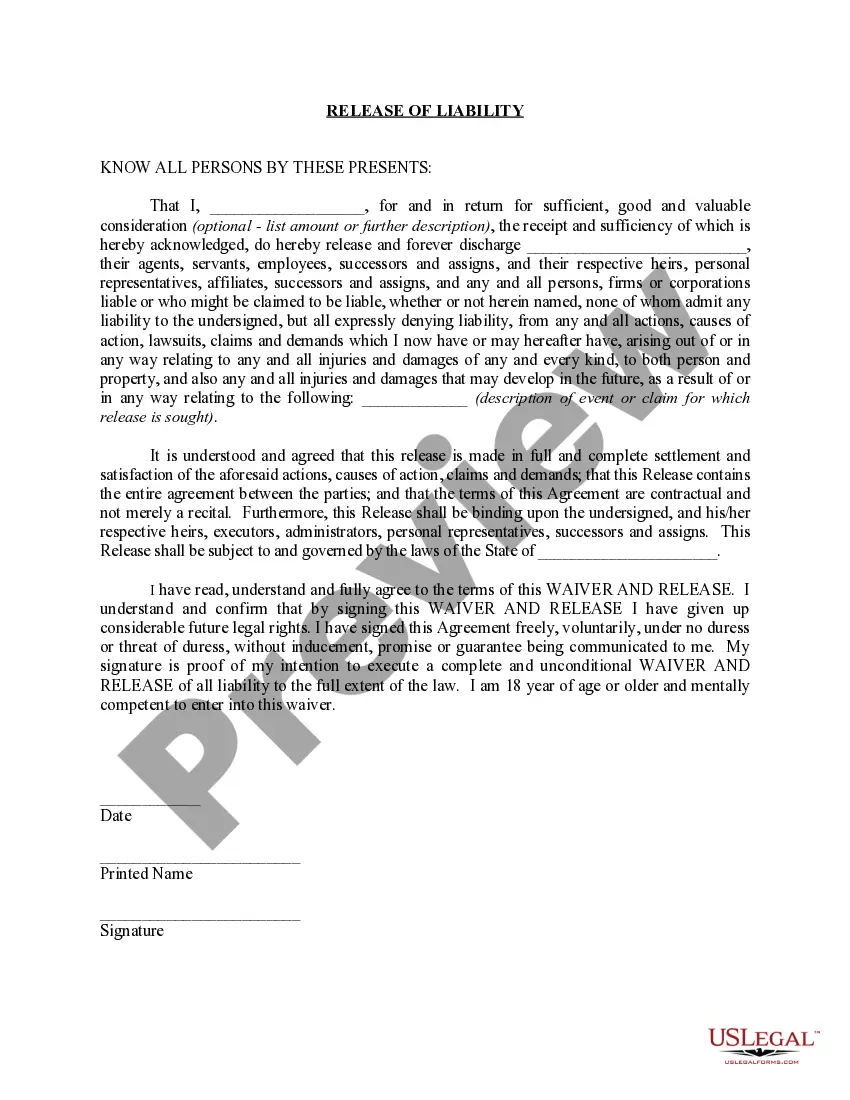
Pittsburgh Pennsylvania Emergency Action Plan Checklist - EAP

State:
Multi-State
City:
Pittsburgh
Control #:
US-03056BG
Format:
Word; 
Rich Text
Instant download

Description

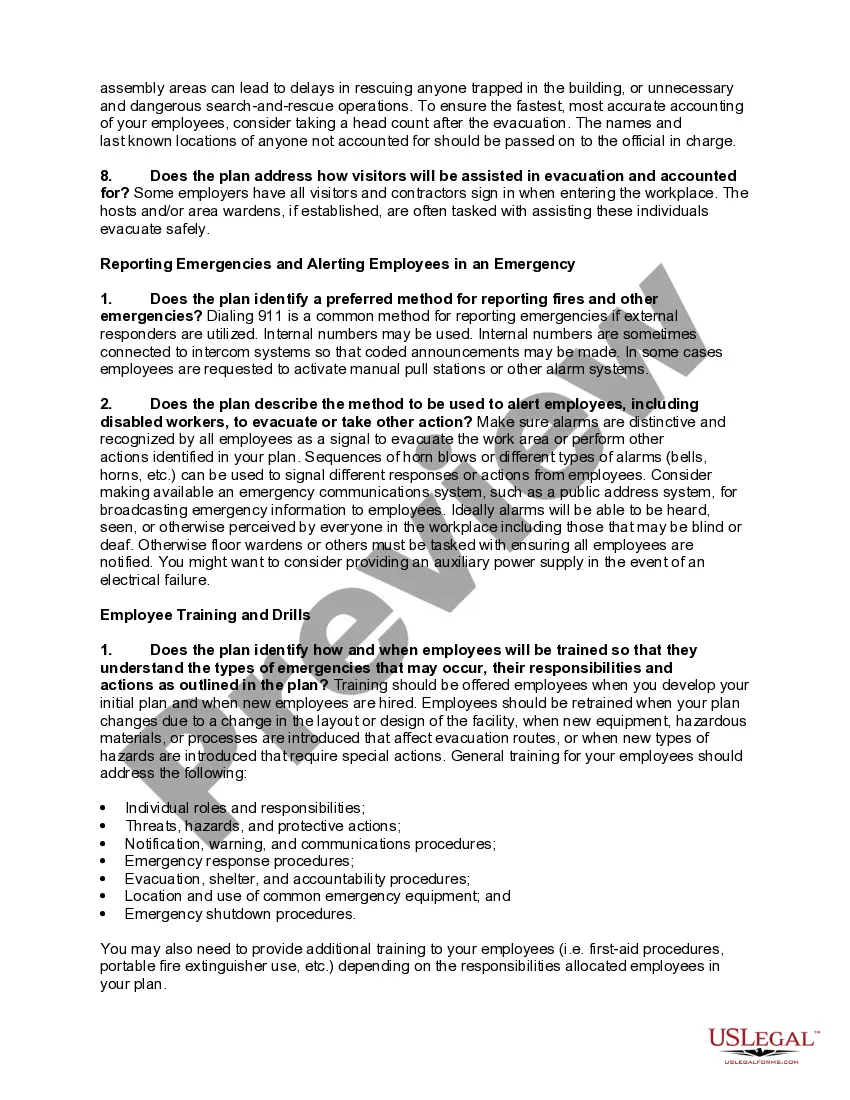
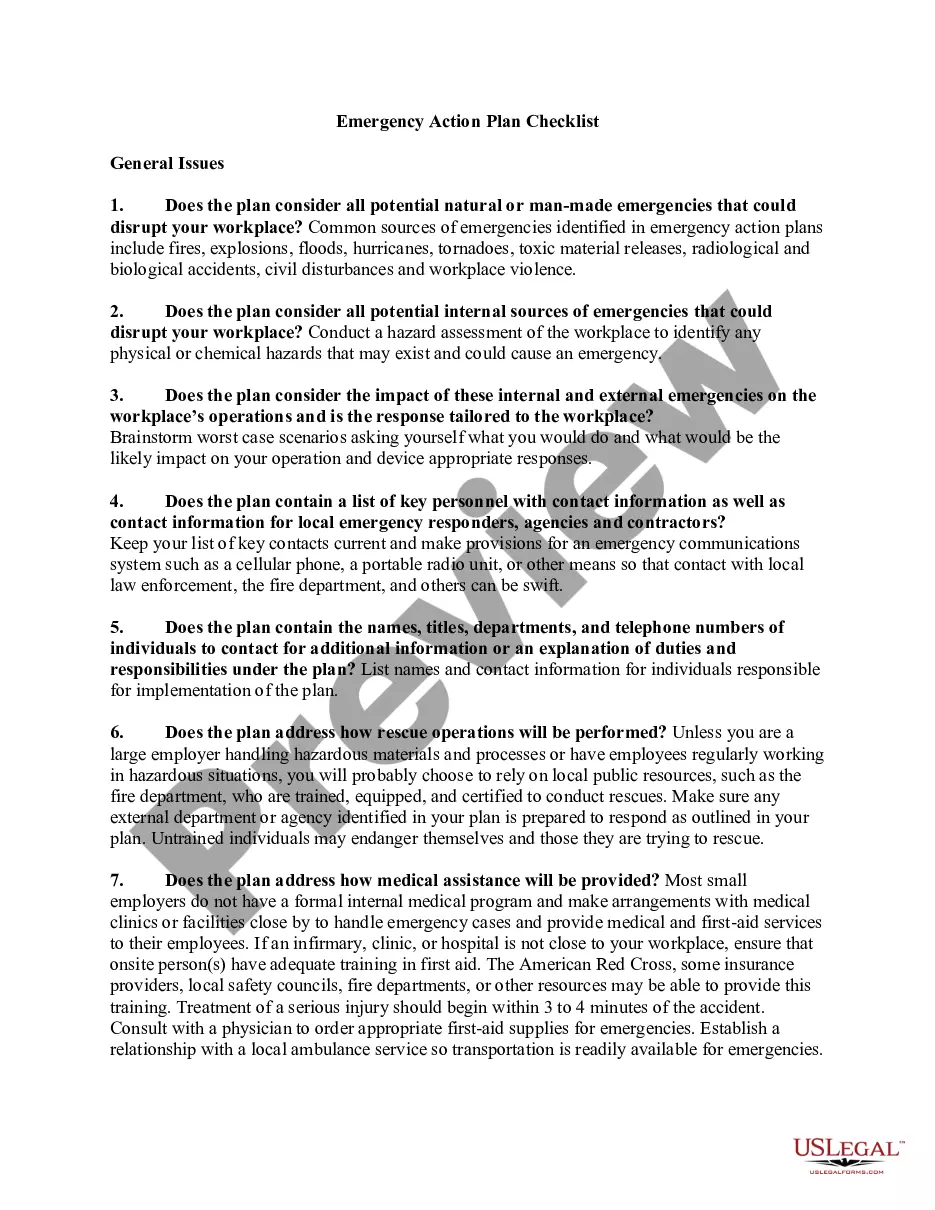
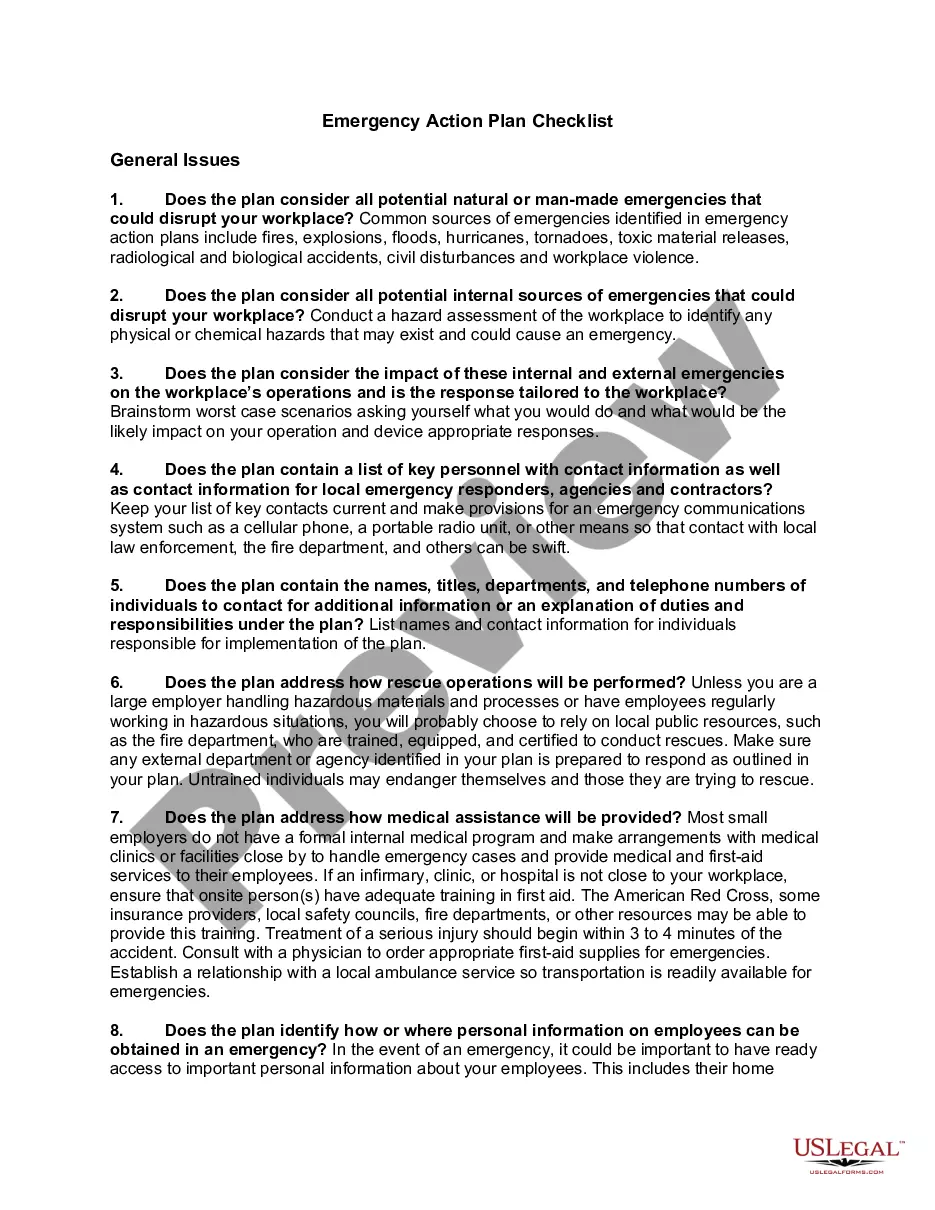
An emergency action plan (EAP) is a written document required by particular OSHA standards. The purpose of an EAP is to facilitate and organize employer and employee actions during workplace emergencies. Well developed emergency plans and proper employee training (such that employees understand their roles and responsibilities within the plan) will result in fewer and less severe employee injuries and less structural damage to the facility during emergencies. A poorly prepared plan, likely will lead to a disorganized evacuation or emergency response, resulting in confusion, injury, and property damage.


Putting together a comprehensive emergency action plan that deals with those issues specific to your worksite is not difficult. It involves taking what was learned from your workplace evaluation and describing how employees will respond to different types of emergencies, taking into account your specific worksite layout, structural features, and emergency systems. Most organizations find it beneficial to include a diverse group of representatives (management and employees) in this planning process and to meet frequently to review progress and allocate development tasks. The commitment and support of all employees is critical to the plan's success in the event of an emergency; ask for their help in establishing and implementing your emergency action plan. For smaller organizations, the plan does not need to be written and may be communicated orally if there are 10 or fewer employees.


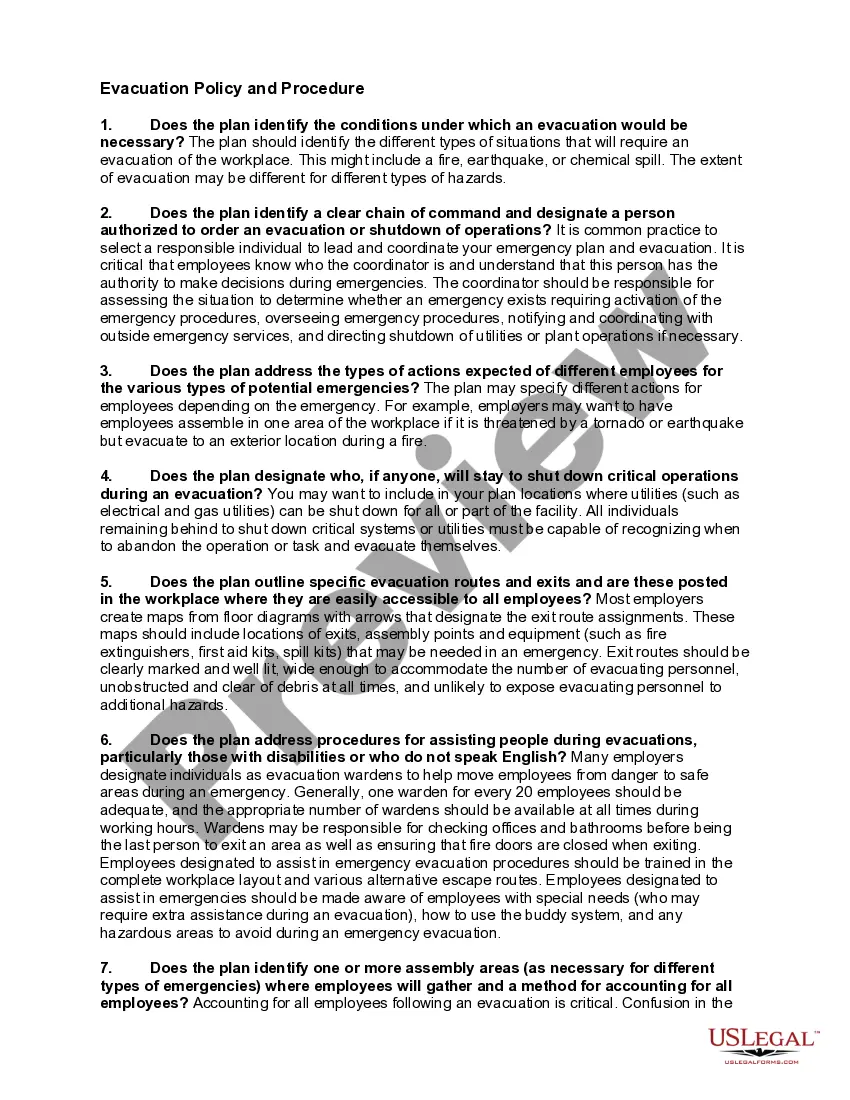
At a minimum, the plan must include but is not limited to the following elements:

" Means of reporting fires and other emergencies;

" Evacuation procedures and emergency escape route assignments;

" Procedures to be followed by employees who remain to operate critical plant operations before they evacuate;

" Procedures to account for all employees after an emergency evacuation has been completed;

" Rescue and medical duties for those employees who are to perform them; and

" Names or job titles of persons who can be contacted for further information or explanation of duties under the plan.
Free preview
  • Preview Emergency Action Plan Checklist - EAP
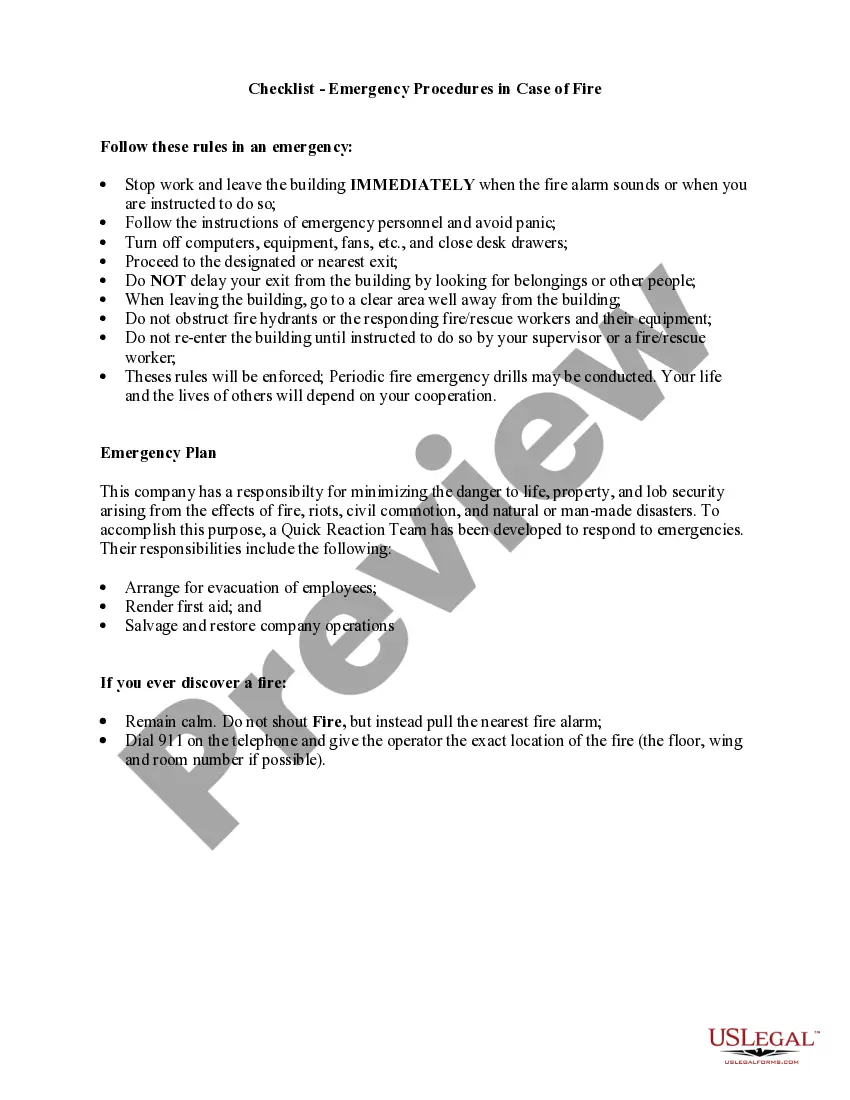
  • Preview Emergency Action Plan Checklist - EAP
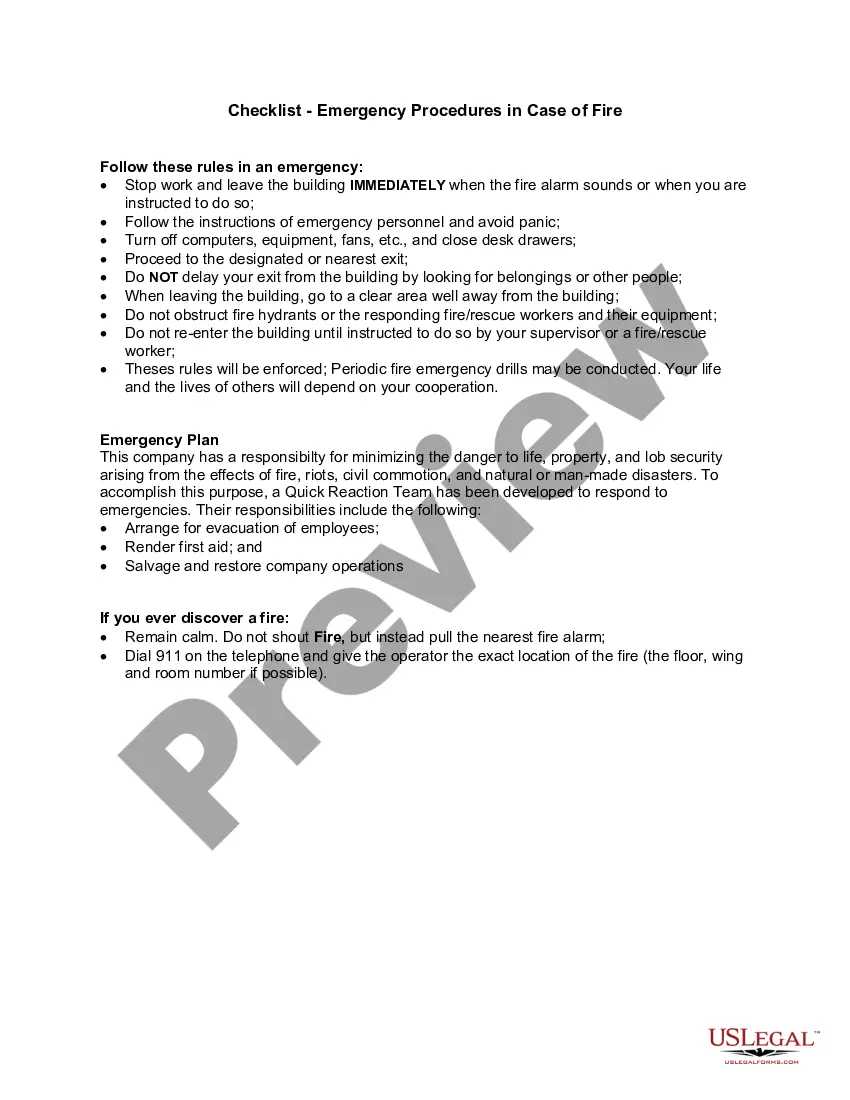
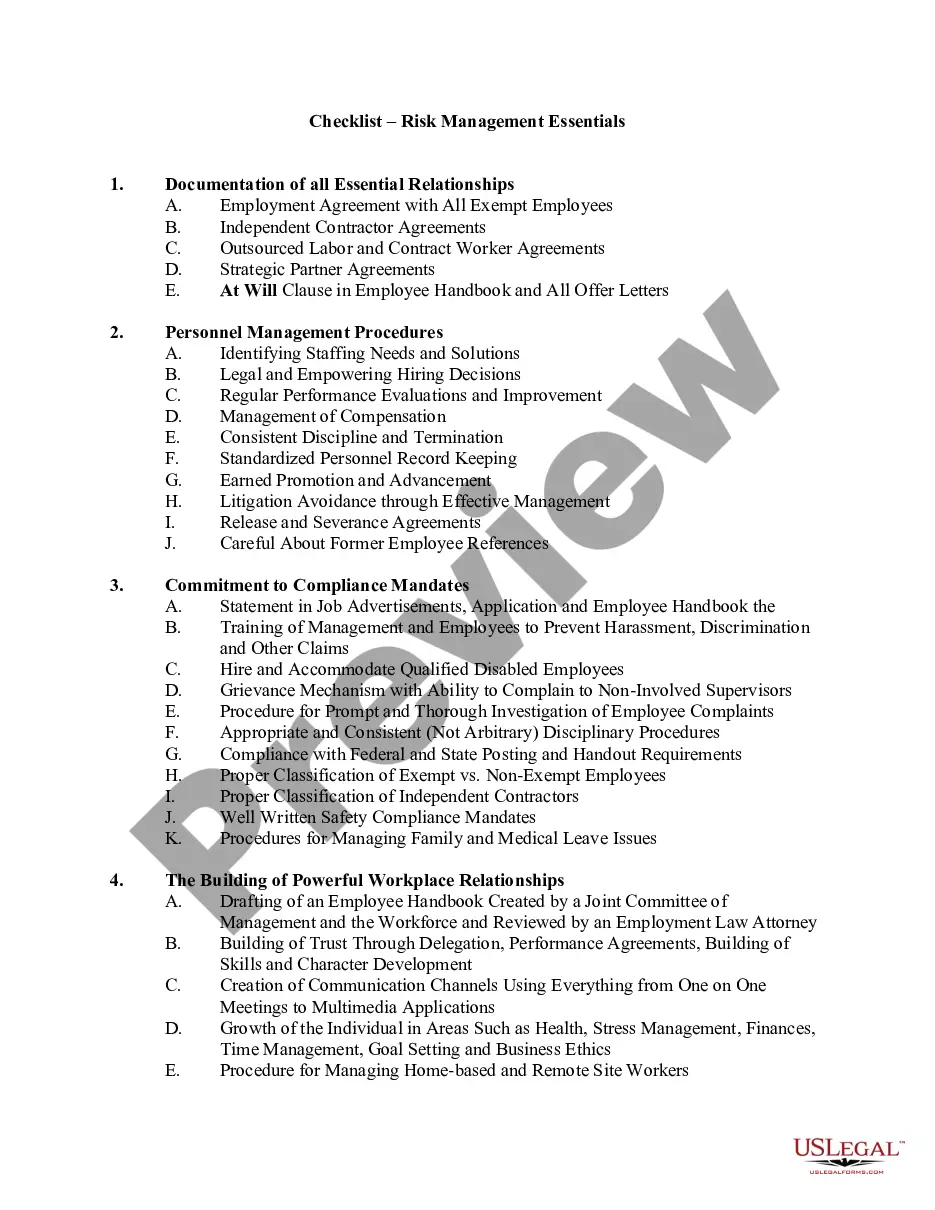
  • Preview Emergency Action Plan Checklist - EAP
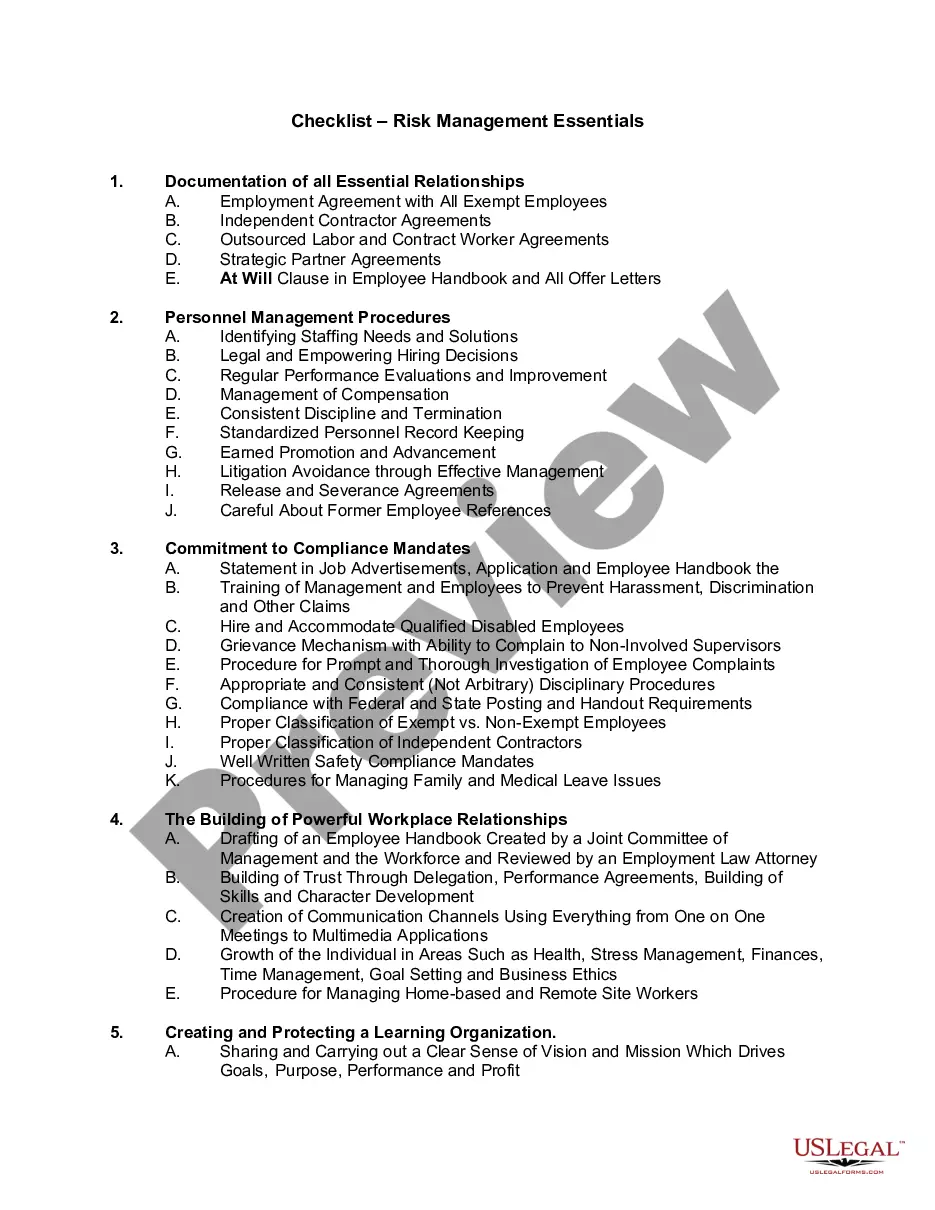
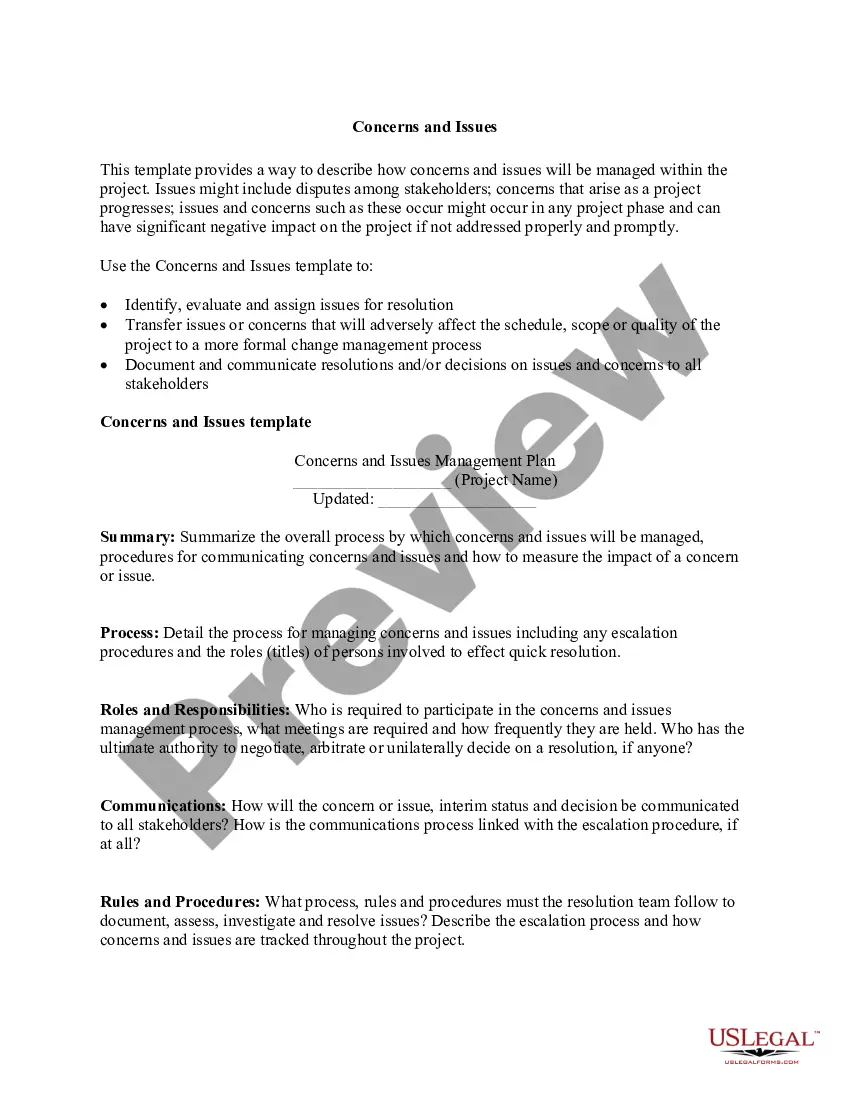
  • Preview Emergency Action Plan Checklist - EAP

Form popularity

FAQ

It's THE Sports City ? Aptly named the City of Champions, Pittsburgh is home to three widely-known professional sports teams ? the Steelers, Penguins and Pirates ? each with its own dynamic history of world championships, incredible moments and hall of fame players.

First settled in the mid-18th century, Pittsburgh has a wealth of historical sights, from historic forts to exquisitely decorated churches. Its prominent industrial history has left it with elegant beaux-arts buildings, soaring skyscrapers, and 446 bridges, as well as the nickname "Steel City".

Easily navigable waterways with an abundance of natural resources, (coal, timber, natural gas, iron and limestone) helped Pittsburgh become the industrial center for a growing nation. Most people recognize one thing about Pittsburgh's history, that it was known as an industrial hub for coal mining and steel production.

Pittsburgh is a hub for technology, manufacturing, life sciences & health and education.

Pittsburgh is a convenient, affordable place to live and work?with a cost of living 7% lower than the national average, a reasonable median home price of $259,900, and median monthly rent of $1,427. The city also has a range of top-notch companies in the education, technology, healthcare, and steel industries.

Heinz Ketchup This iconic, world-renowned condiment was created in Pittsburgh in 1857. Heinz ramped up production of the tomato ketchup during the 20th century. As of today, the ketchup is no longer produced in the city, but it is still a popular condiment at local restaurants and residents' homes.

Pittsburgh is known for its Steel City Legacy, which pays homage to its rich history as a major steel-producing city. The steel industry played a significant role in shaping the city's identity and continues to be celebrated through various cultural and historical landmarks. What is Pittsburgh, PA Known For? 10 Things to Love About This City redfin.com ? blog ? what-is-pittsburgh-pa-k... redfin.com ? blog ? what-is-pittsburgh-pa-k...

The Commonwealth of Pennsylvania The Commonwealth of Pennsylvania is the sixth largest populated state in the United States. Pittsburgh is the second largest city in Pennsylvania and has an estimated of 310,000 people. About the City of Pittsburgh | pittsburghpa.gov pittsburghpa.gov ? pittsburgh ? pgh-about pittsburghpa.gov ? pittsburgh ? pgh-about

Race and Ethnicity In 2021, there were 2.81 times more White (Non-Hispanic) residents (193k people) in Pittsburgh, PA than any other race or ethnicity. There were 68.8k Black or African American (Non-Hispanic) and 16.8k Asian (Non-Hispanic) residents, the second and third most common ethnic groups.

Pittsburgh is known as "the Steel City" for its dominant role in the history of the U.S. steel industry. For part of the 20th century, Pittsburgh was behind only New York City and Chicago in corporate headquarters employment; it had the most U.S. stockholders per capita.

Interesting Questions

Trusted and secure by over 3 million people of the world’s leading companies

Pittsburgh Pennsylvania Emergency Action Plan Checklist - EAP