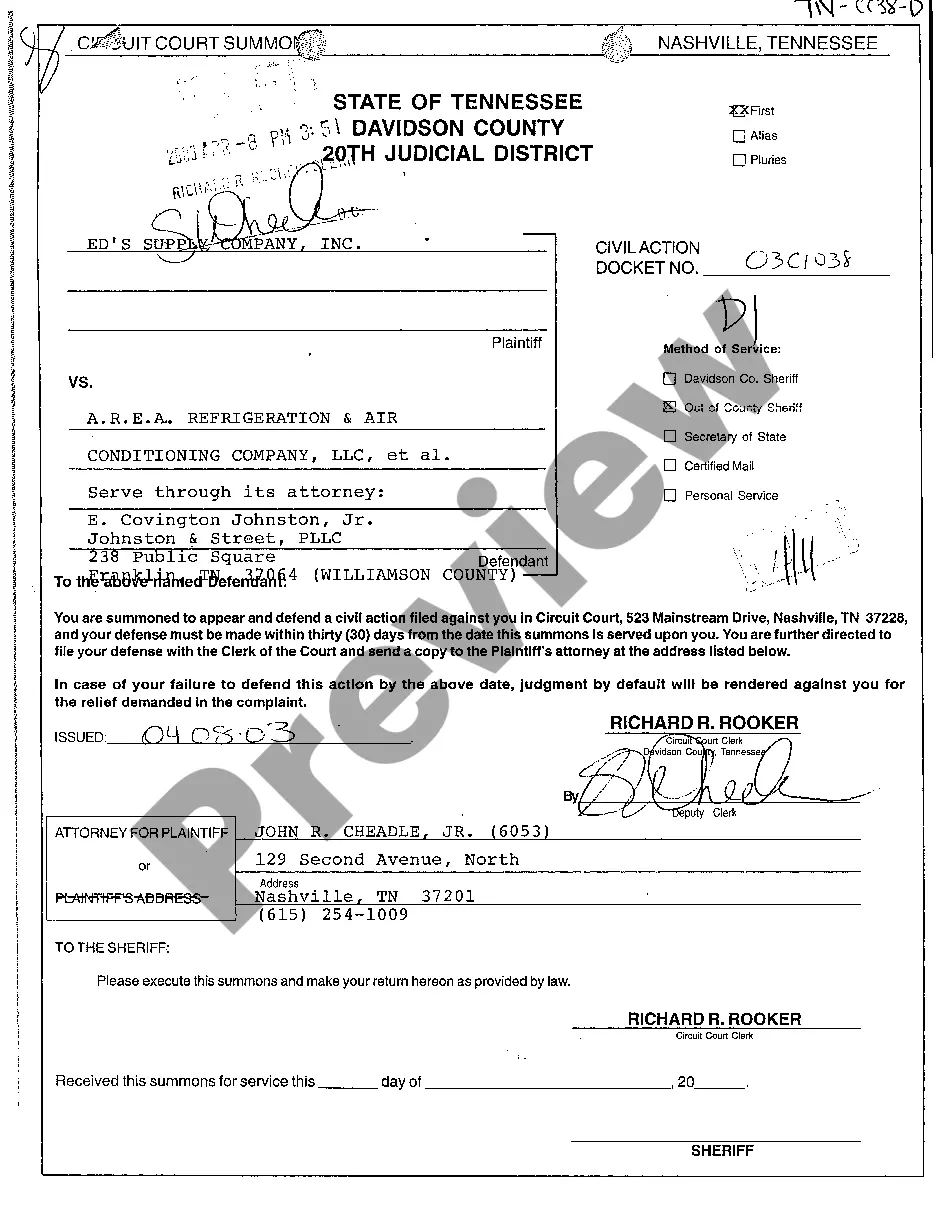
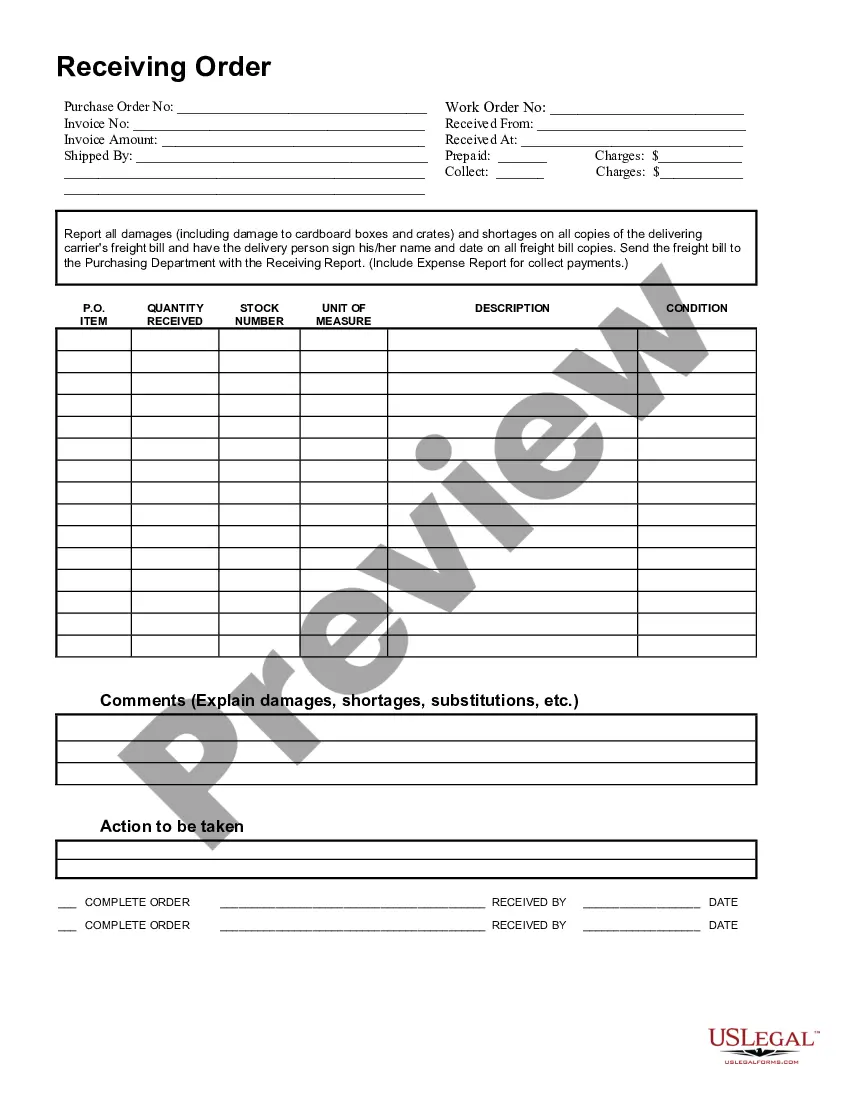
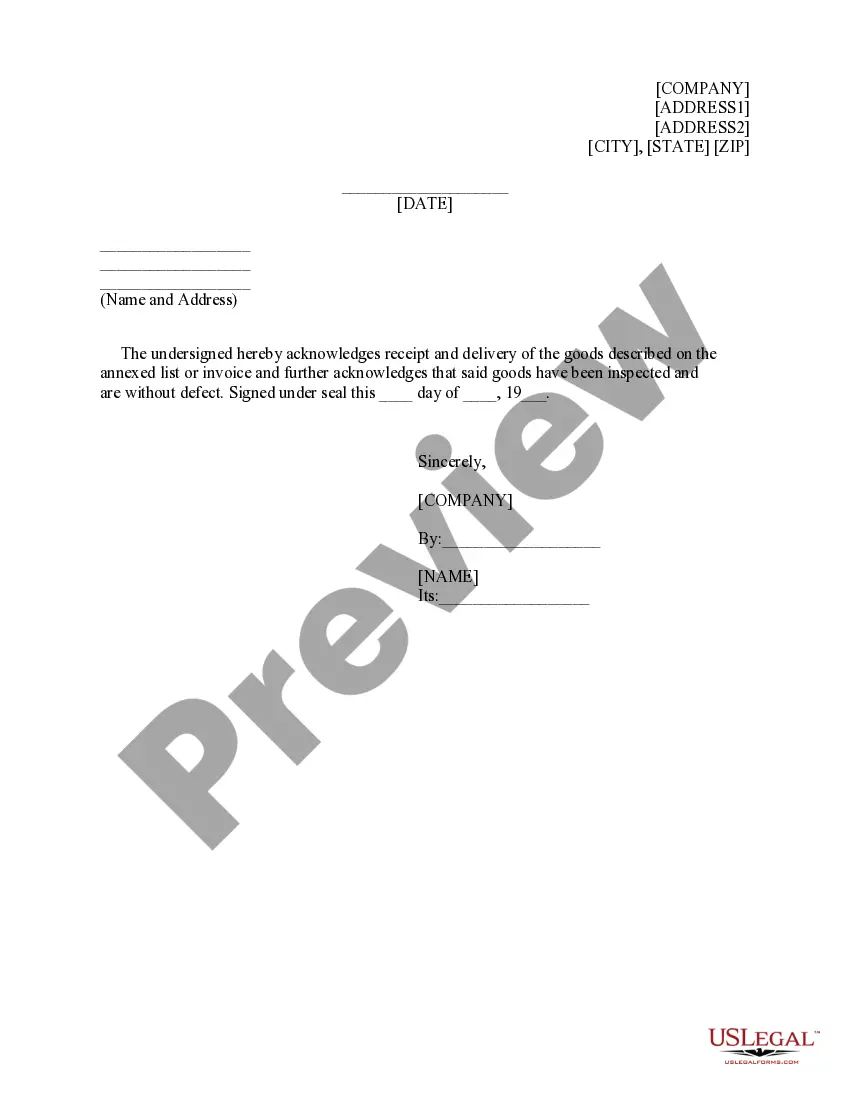
Indianapolis Indiana Receiving Order
Description





Form popularity
FAQ
In Indiana, a no contact order is a legal directive issued by a court to prevent one person from contacting another. This order can be temporary or permanent, depending on the circumstances of the case. Violating a no contact order can lead to severe penalties, including arrest. For those dealing with an Indianapolis Indiana Receiving Order, US Legal Forms can assist in clarifying your rights and responsibilities.
A protective order is broader and can include various restrictions aimed at preventing harm, while a no contact order specifically prohibits communication between the parties. Protective orders may also address issues like custody and property disputes. Understanding these differences is vital when navigating legal situations. For more insights on the Indianapolis Indiana Receiving Order, check out the resources available at US Legal Forms.
Yes, in Indiana, the victim can face legal consequences for violating a no contact order. This situation can arise if the victim initiates contact with the person the order protects against. It is crucial for victims to understand their rights and the potential repercussions of their actions. If you need guidance on the Indianapolis Indiana Receiving Order, US Legal Forms can provide essential information.
In Indiana, a protective order is designed to prevent future harm by restricting contact between the victim and the alleged offender. The order can include terms such as no contact and removal from shared residences. Violating this order can lead to criminal charges, making it essential to understand its implications. To learn more about the Indianapolis Indiana Receiving Order process, US Legal Forms offers valuable resources.
The time it takes for a judge to drop a no contact order in Indiana can vary significantly. Generally, the judge will hold a hearing where the individual requesting the drop must provide compelling reasons. Depending on the case's complexity, this process can take a few weeks to several months. If you are navigating an Indianapolis Indiana Receiving Order, US Legal Forms can help you understand the necessary steps.
In Indiana, service of process typically requires physical delivery of documents. However, under certain circumstances, the court may allow service by email, especially if the recipient has consented to this method. It is essential to check the specific rules applicable to your case. For assistance with the Indianapolis Indiana Receiving Order process, consider using US Legal Forms.
To lift a no contact order in Indiana, the victim must file a motion with the court explaining why they believe the order should be removed. The court will review the circumstances and may schedule a hearing for both parties to present their cases. For assistance in this process, consider US Legal Forms, which can help with the documentation needed for modifying an Indianapolis Indiana Receiving Order.
The burden of proof for obtaining a protective order in Indiana requires the petitioner to show that there is a reasonable belief of danger or harm. This may involve presenting evidence, such as witness statements or documentation of incidents. Using US Legal Forms can guide you through presenting your case effectively when filing for an Indianapolis Indiana Receiving Order.
The fastest way to get a restraining order is to file an emergency petition with the local court. You typically need to demonstrate immediate harm or danger to yourself. With platforms like US Legal Forms, you can quickly access the necessary forms and guidance to expedite your Indianapolis Indiana Receiving Order.
In Indiana, harassment is defined as a series of actions that cause someone to feel frightened, intimidated, or threatened. This can include repeated unwanted contact, threats, or stalking behavior. If you believe you are a victim, consider using US Legal Forms to help file for an Indianapolis Indiana Receiving Order, which can provide you with immediate protection.