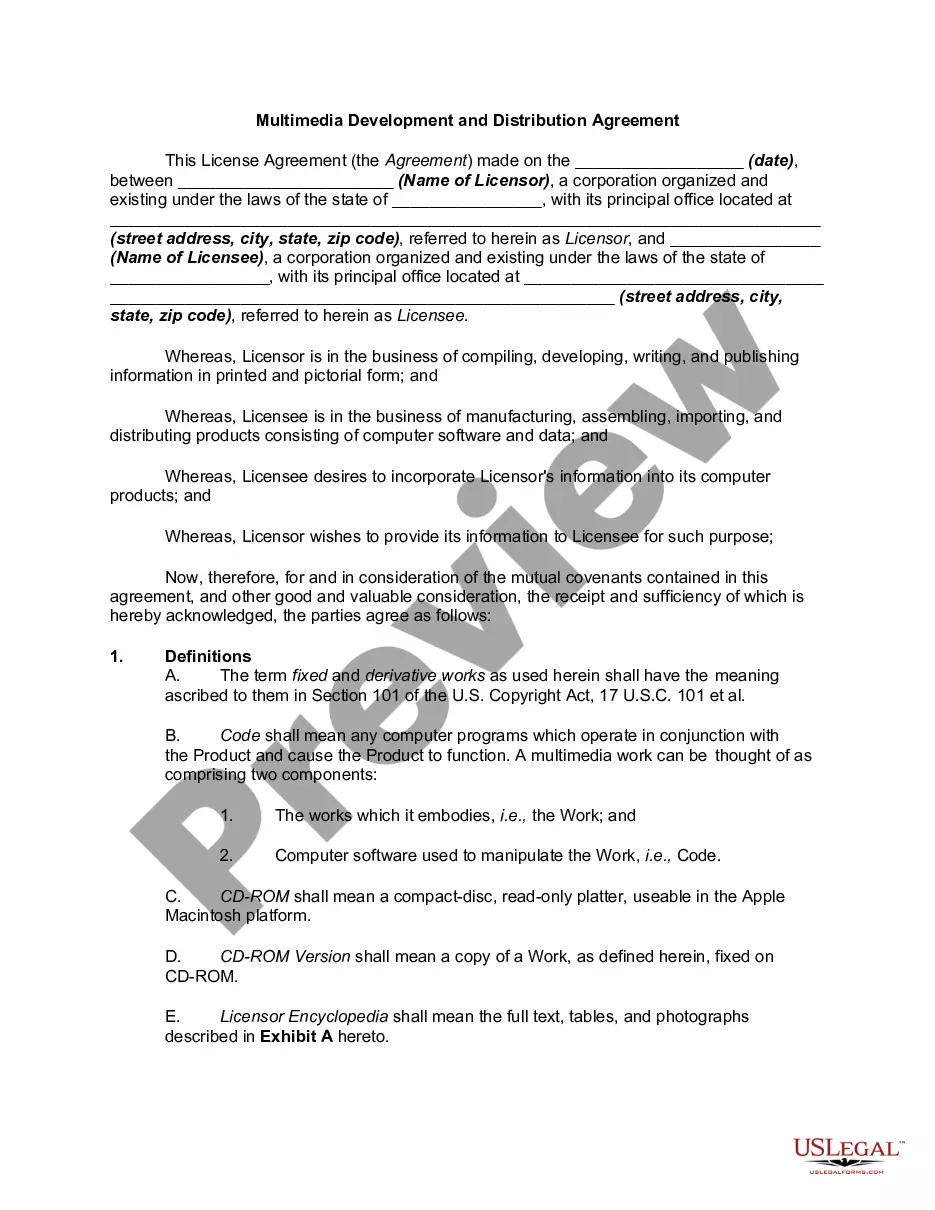
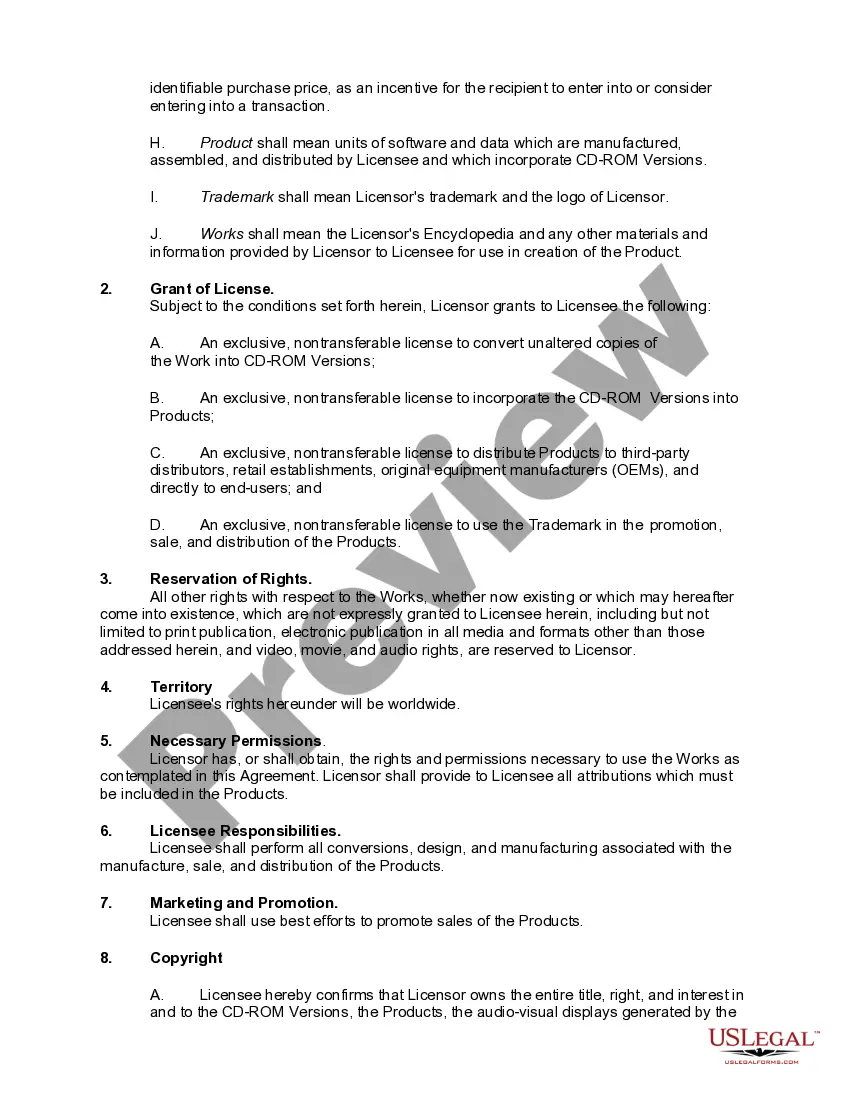
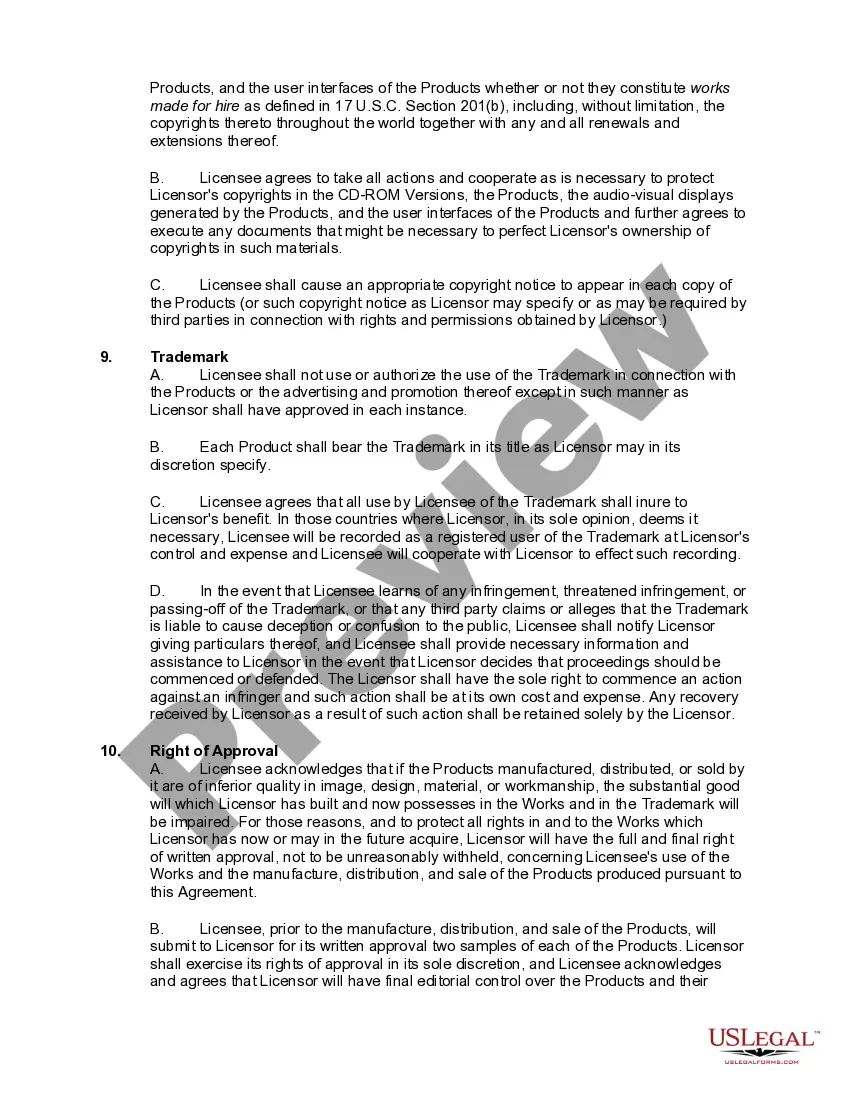
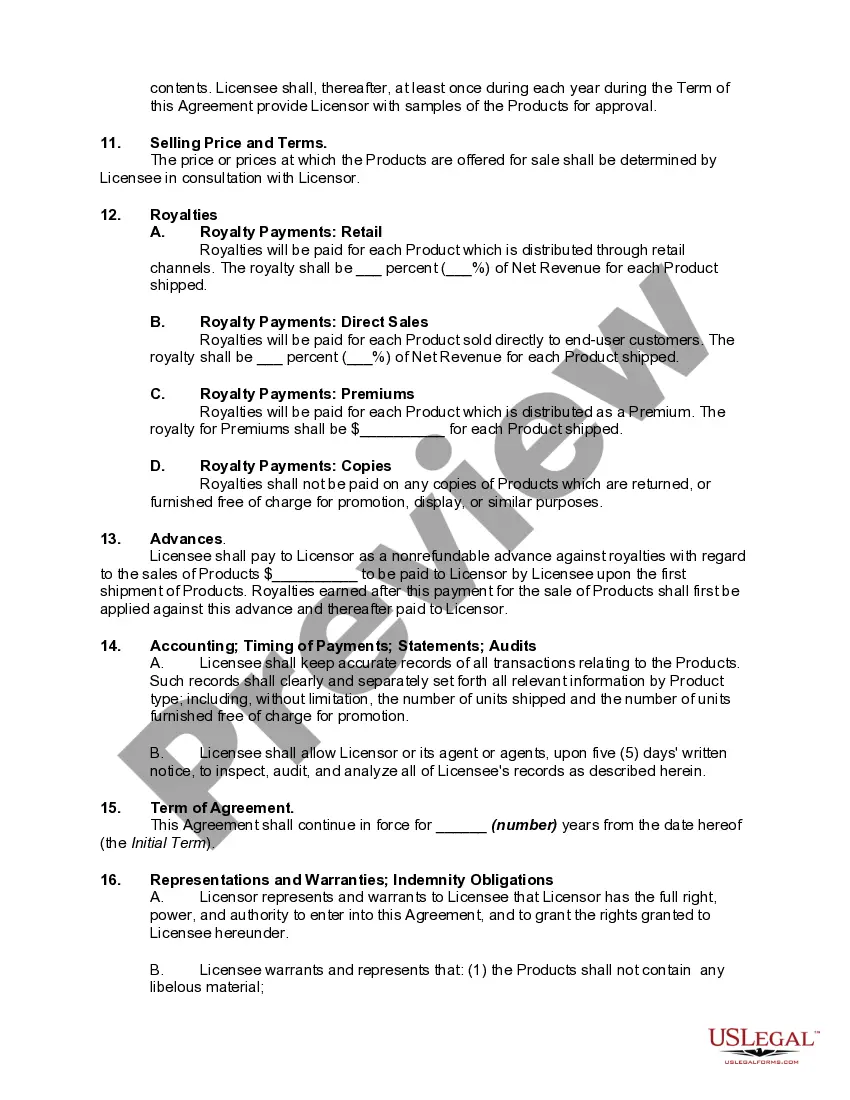
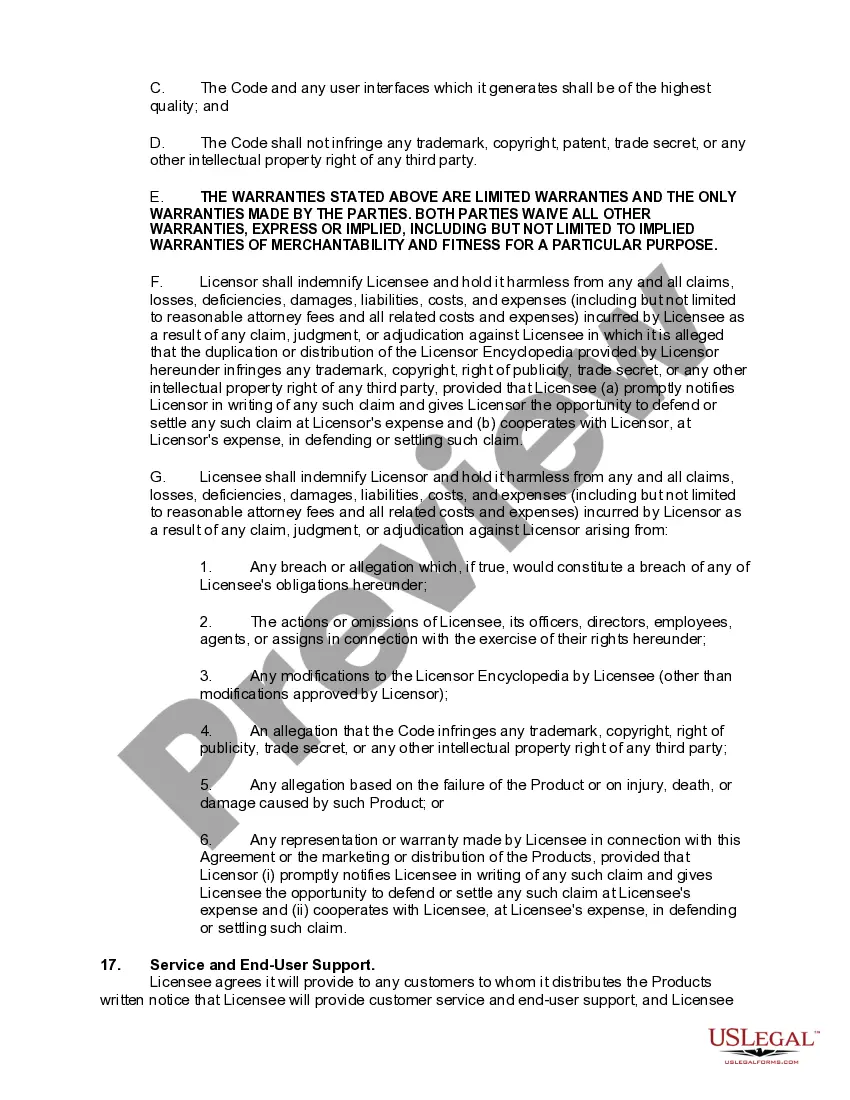
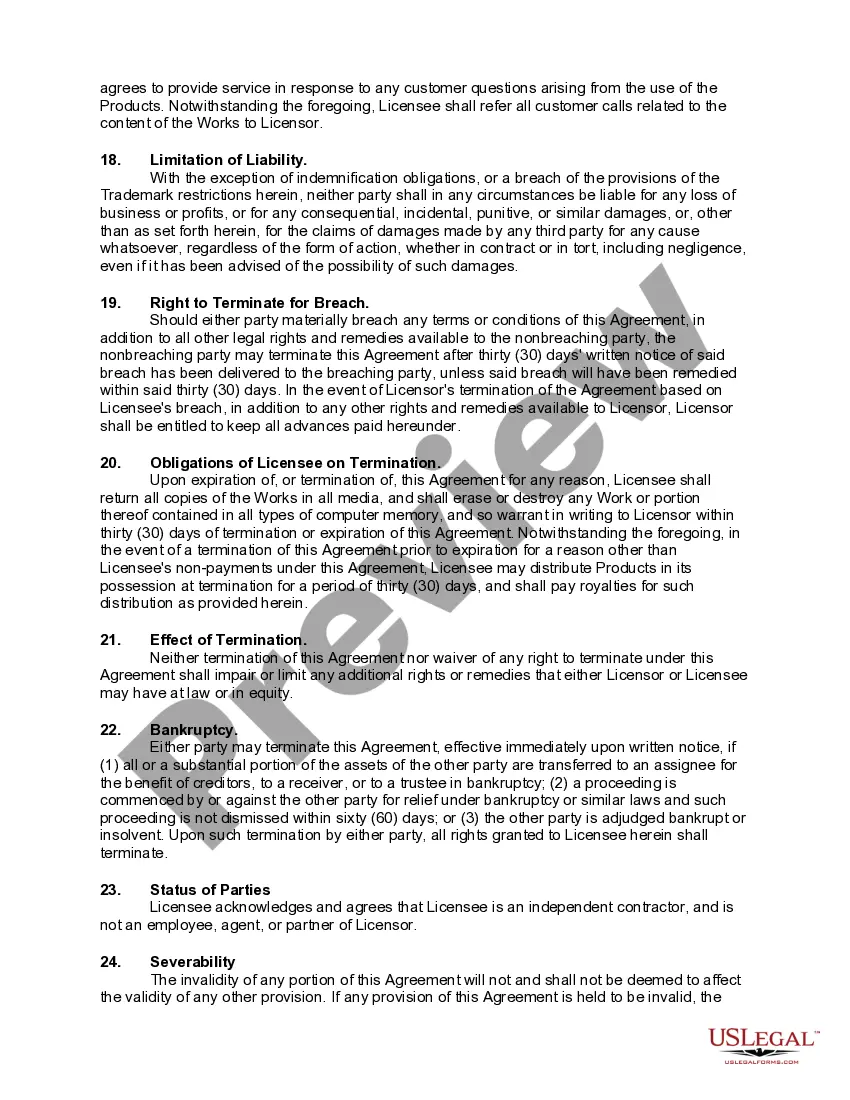
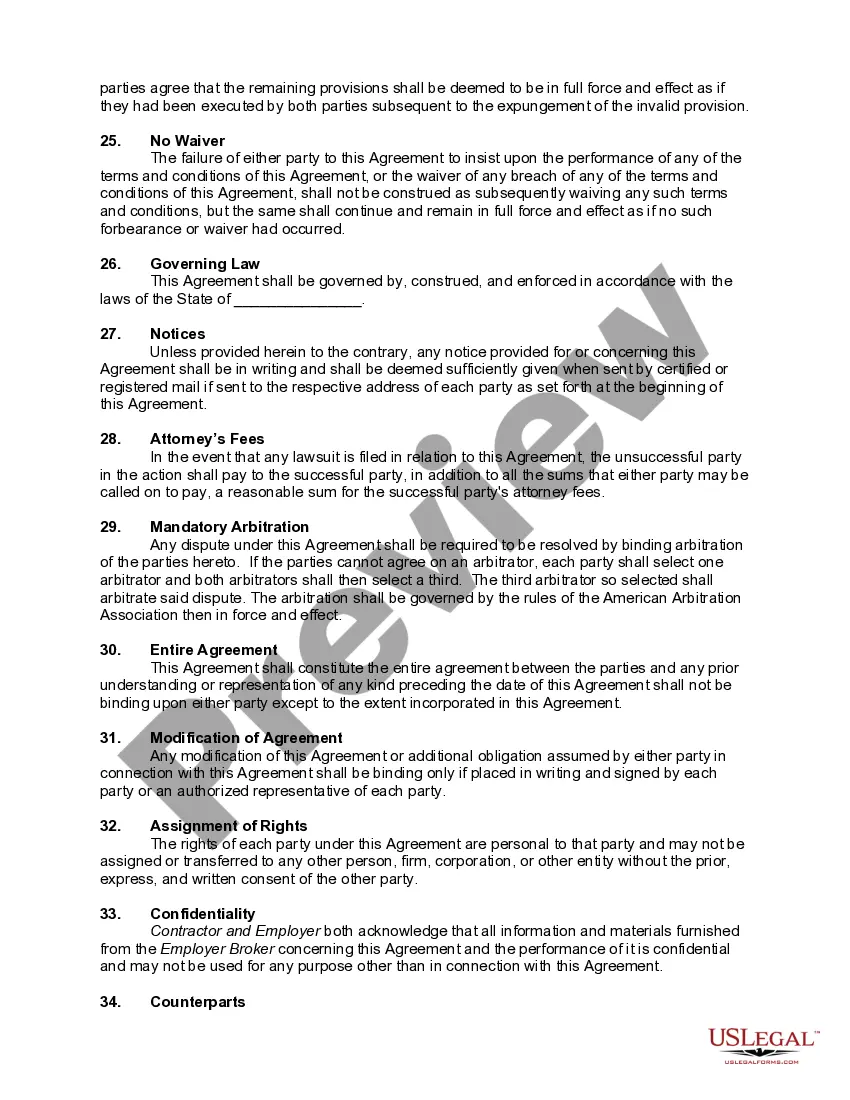
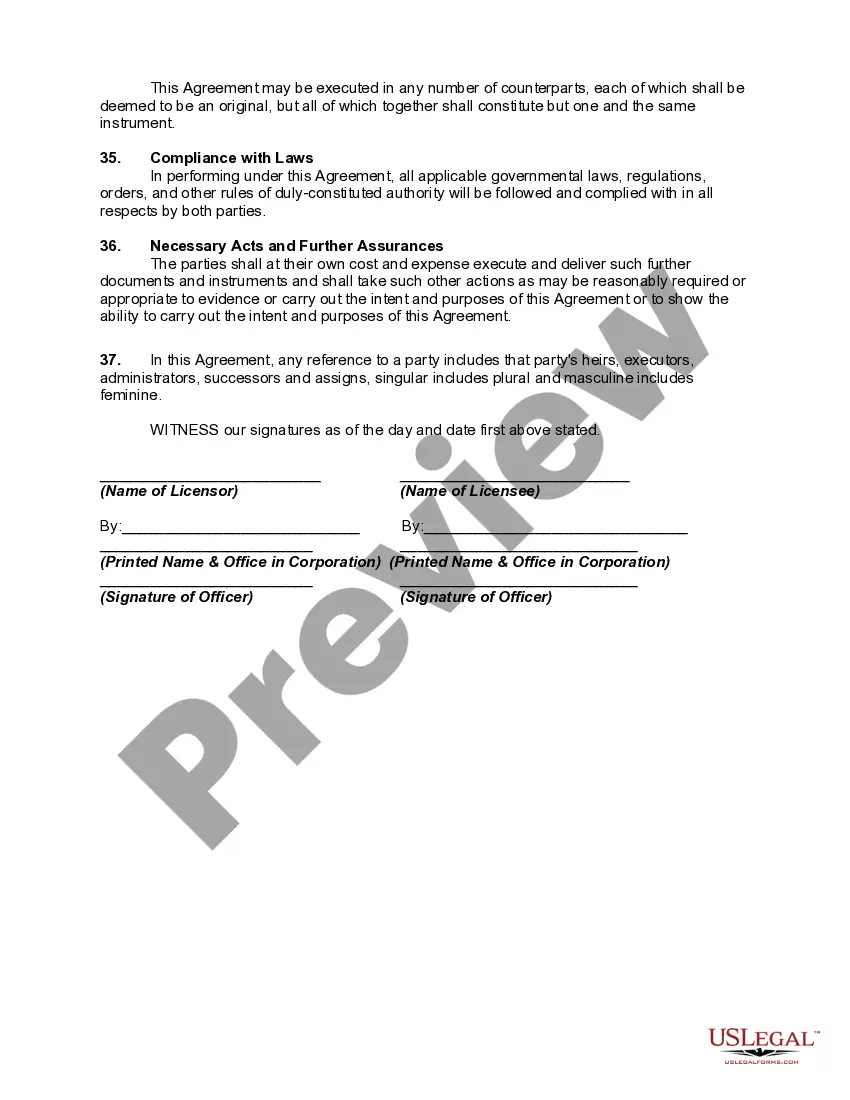
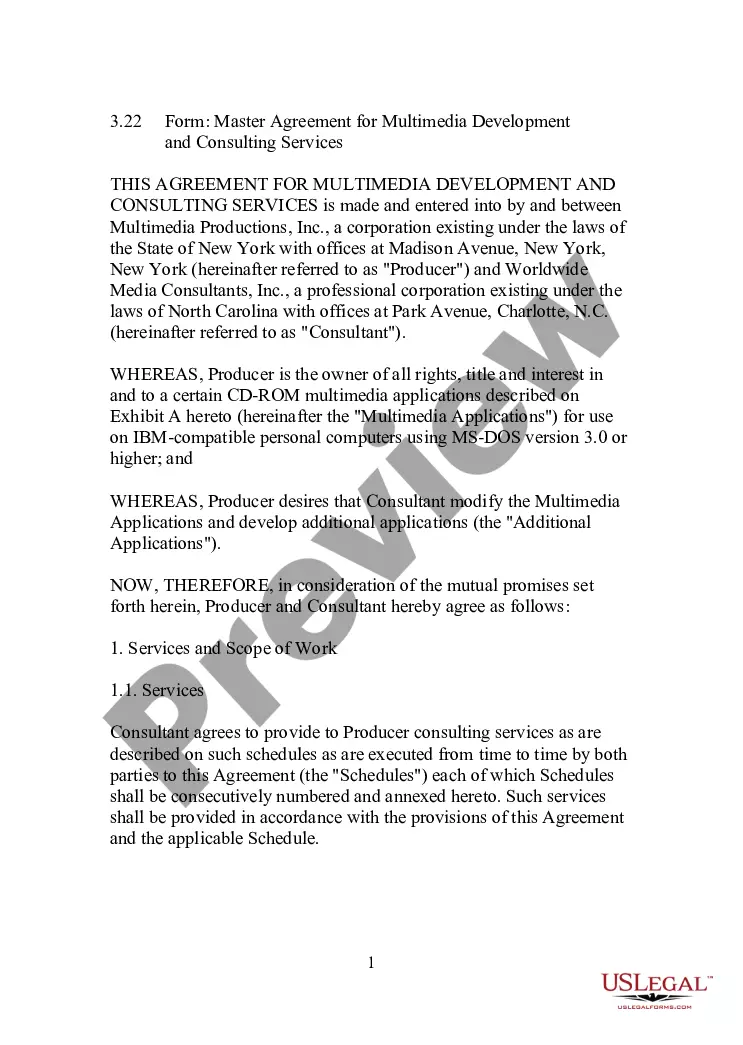
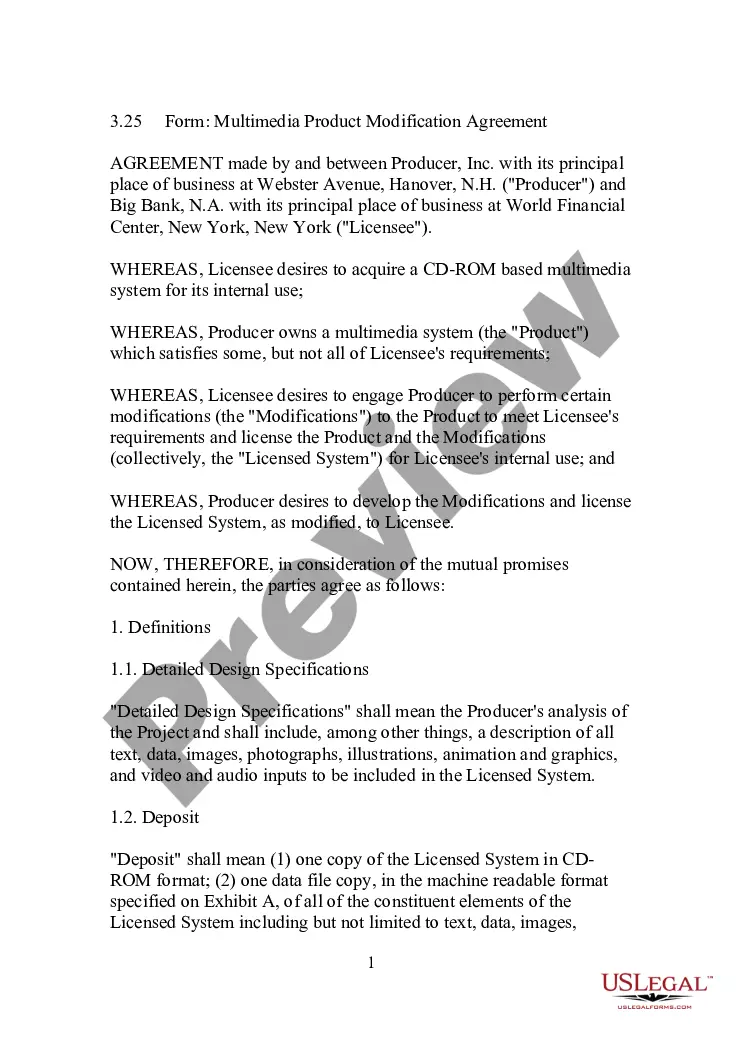
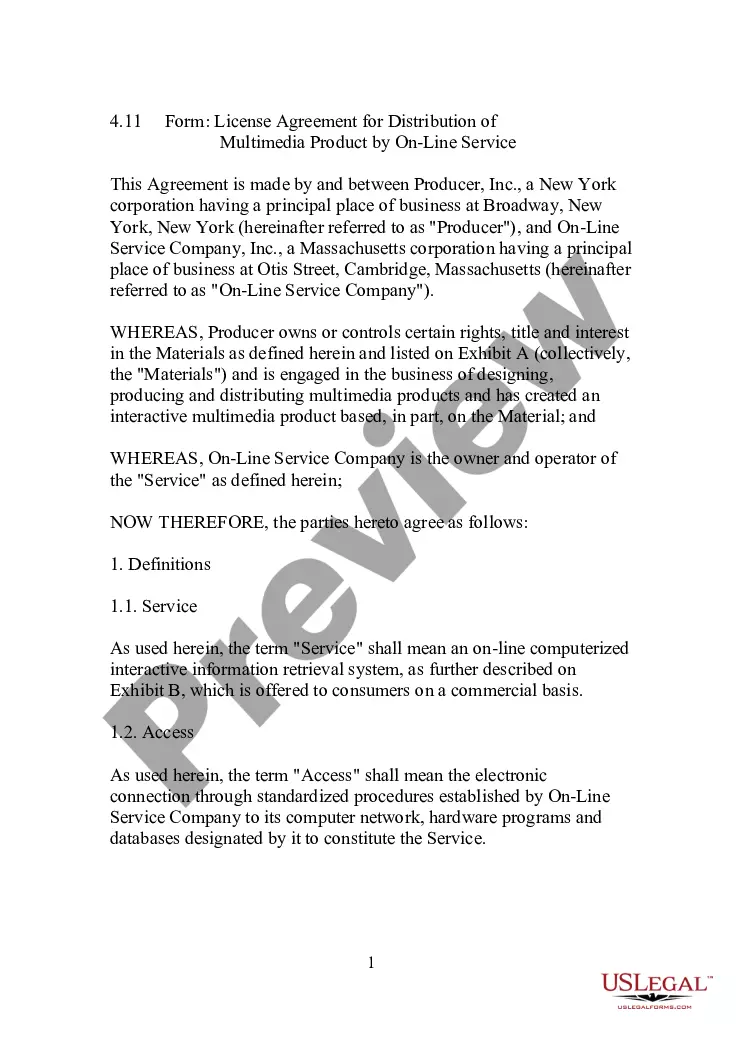
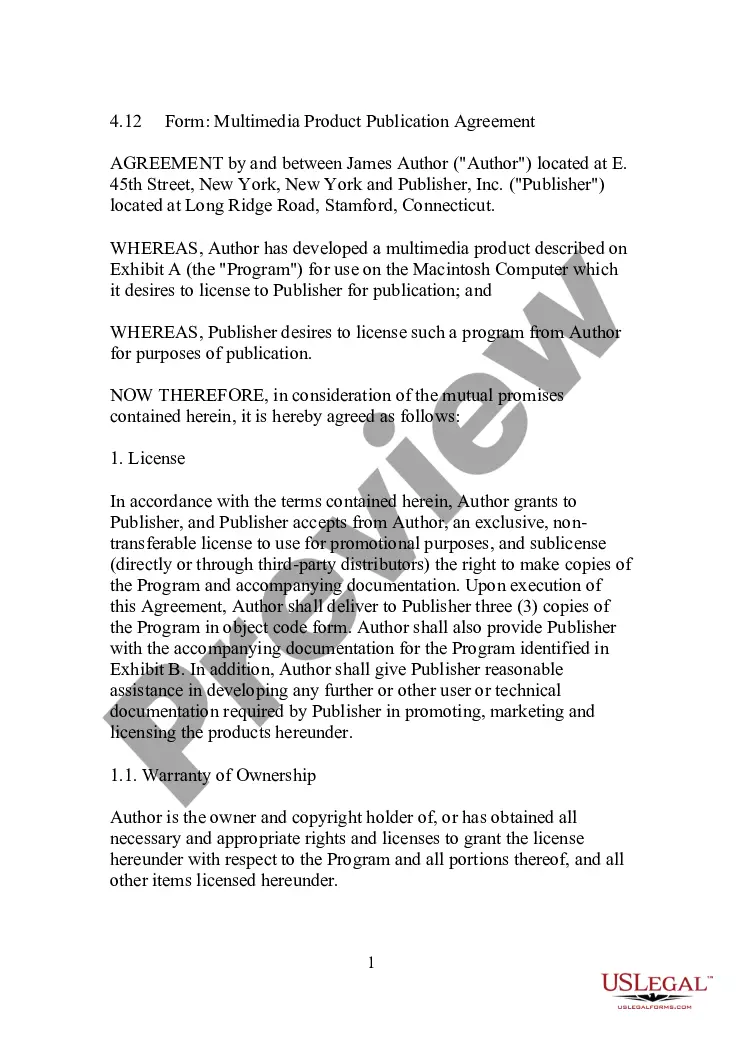
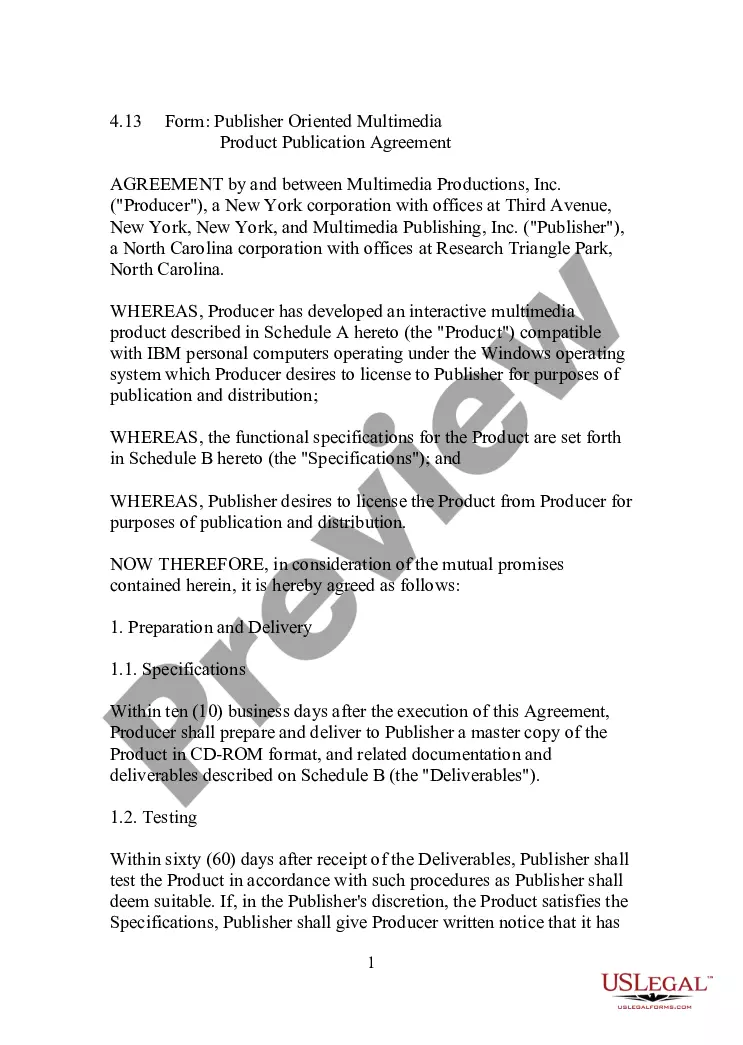
A licensing agreement is a legal contract between two parties, known as the licensor and the licensee. In a typical licensing agreement, the licensor grants the licensee the right to produce and sell goods, apply a brand name or trademark, or use patented technology owned by the licensor. In exchange, the licensee usually submits to a series of conditions regarding the use of the licensor's property and agrees to make payments known as royalties.
Multimedia can be used for many purposes, from video on demand to interactive displays in public spaces that can bring a subject to life for visitors in a visually exciting and absorbing way. It can enhance teaching techniques and create innovative learning environments in schools and academies, as well as boosting business performance through videoconferencing.
Recent advances in core network and access technologies are giving rise to a growing market for delivering audio and video services (along with voice and data) over high speed data networks. New media technologies such as IPTV (Internet Protocol TV) and HDTV are making possible real-time, future-ready multimedia solutions that offer crystal-clear picture and sound.
This form is a generic example that may be referred to when preparing such a form for your particular state. It is for illustrative purposes only. Local laws should be consulted to determine any specific requirements for such a form in a particular jurisdiction.
Saint Paul Minnesota Multimedia Development and Distribution Agreement
Category:
State:
Multi-State
City:
Saint Paul
Control #:
US-02762BG
Format:
Word;
Rich Text
Instant download
Description
Free preview