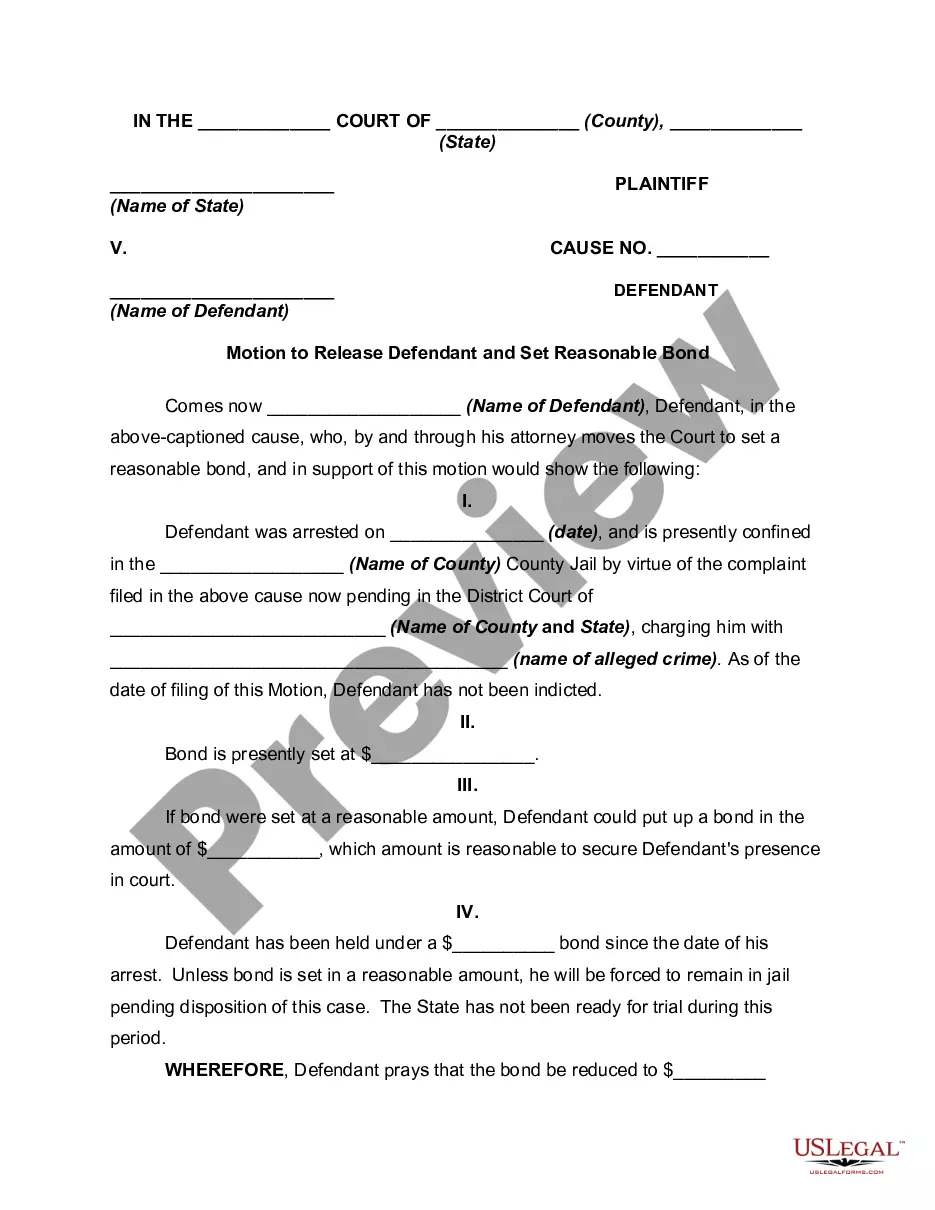
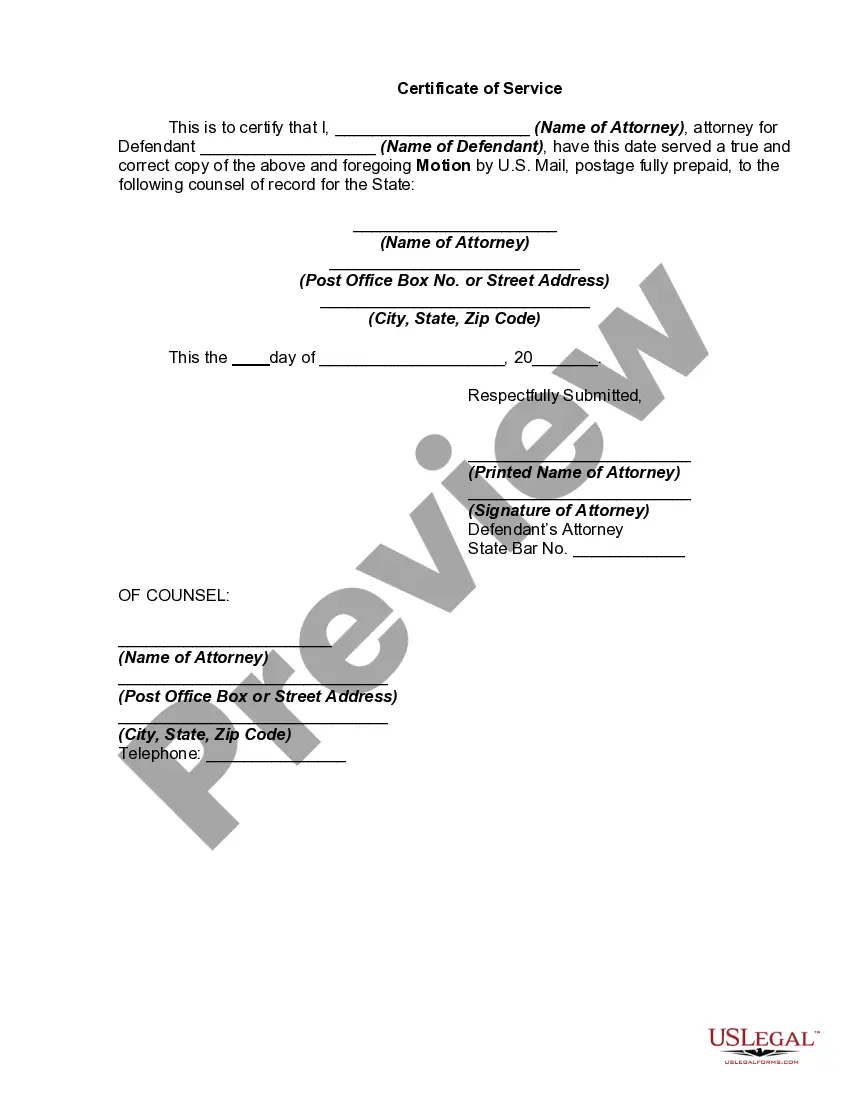
Alameda California Motion to Release Defendant and Set Reasonable Bond

Category:
State:
Multi-State
County:
Alameda
Control #:
US-02735BG
Format:
Word; 
Rich Text
Instant download

Description

A bail bond is a bond provided by an insurance company through a bail bondsman acting as agent for the company, to allow an accused defendant to be released before trial. A bail bond is designed to ensure the appearance of the defendant in court at the scheduled time. Prior to the posting of a bail bond, the defendant or a co-signer must guarantee that they will pay the full amount of bond if the defendant does not appear in court. The bail bond company usually charges 10 percent of the amount of the bond and often requires the defendant to put up some collateral like a second deed of trust or mortgage on one's house.


The following form is a complaint that adopts the notice pleadings format of the Federal Rules of Criminal Procedure, which have been adopted by most states in one form or another.
Free preview
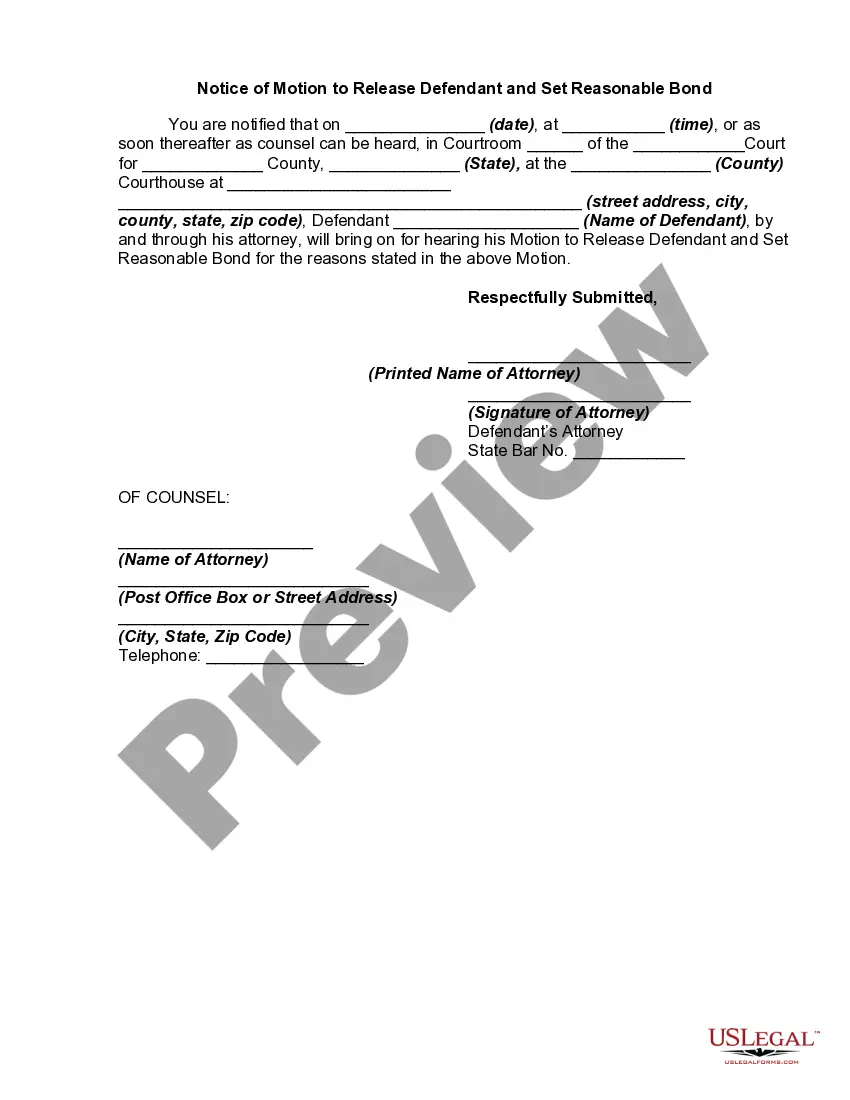
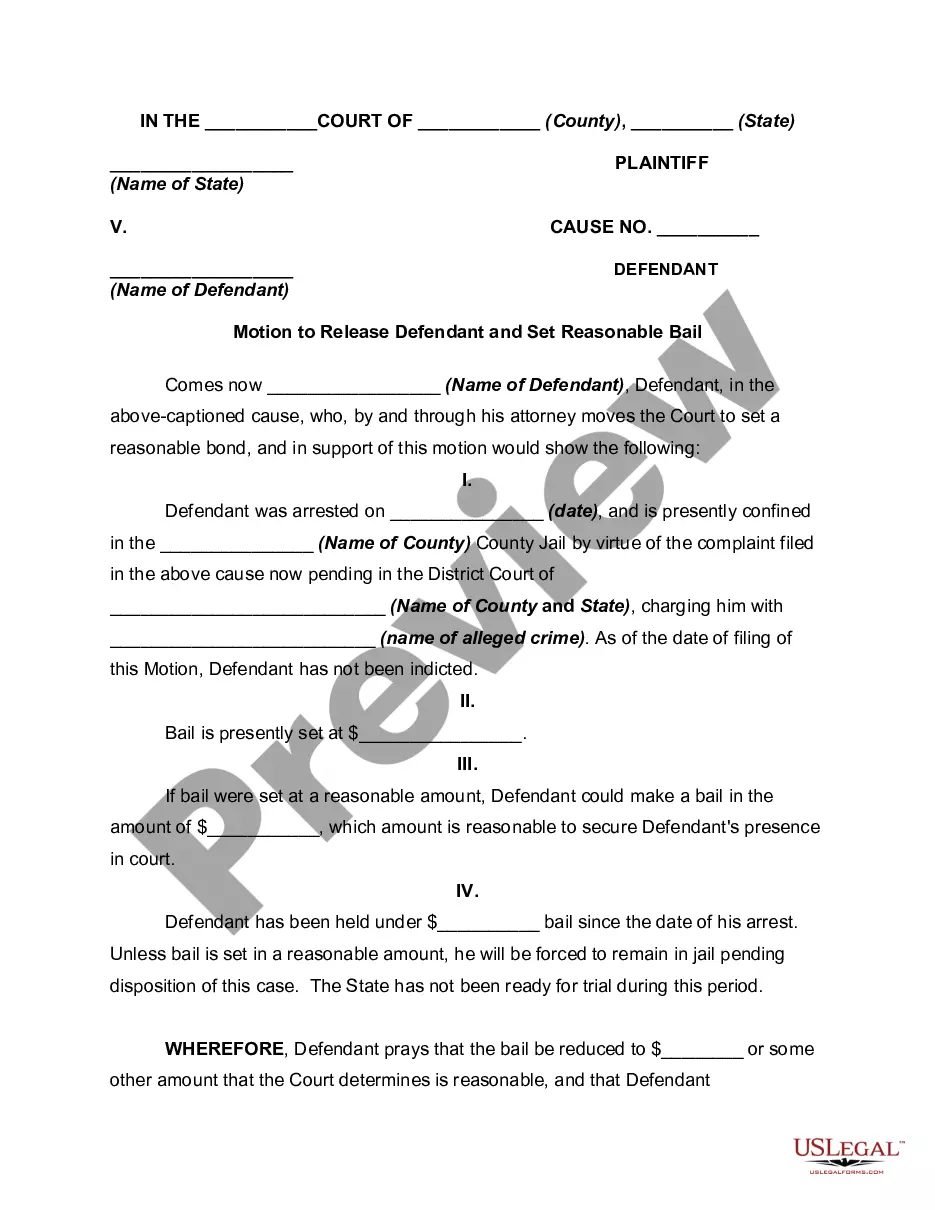
  • Preview Motion to Release Defendant and Set Reasonable Bond
  • Preview Motion to Release Defendant and Set Reasonable Bond
  • Preview Motion to Release Defendant and Set Reasonable Bond

Get your form ready online

Our built-in tools help you complete, sign, share, and store your documents in one place.

Built-in online Word editor

Make edits, fill in missing information, and update formatting in US Legal Forms—just like you would in MS Word.

Export easily

Download a copy, print it, send it by email, or mail it via USPS—whatever works best for your next step.

E-sign your document

Sign and collect signatures with our SignNow integration. Send to multiple recipients, set reminders, and more. Go Premium to unlock E-Sign.

Notarize online 24/7

If this form requires notarization, complete it online through a secure video call—no need to meet a notary in person or wait for an appointment.

Store your document securely

We protect your documents and personal data by following strict security and privacy standards.

Form selector

Make edits, fill in missing information, and update formatting in US Legal Forms—just like you would in MS Word.

Form selector

Download a copy, print it, send it by email, or mail it via USPS—whatever works best for your next step.

Form selector

Sign and collect signatures with our SignNow integration. Send to multiple recipients, set reminders, and more. Go Premium to unlock E-Sign.

Form selector

If this form requires notarization, complete it online through a secure video call—no need to meet a notary in person or wait for an appointment.

Form selector

We protect your documents and personal data by following strict security and privacy standards.

Looking for another form?

This field is required
Ohio
Select state

How to fill out Motion To Release Defendant And Set Reasonable Bond?

Creating documents for business or personal requirements is always a significant duty.

When formulating a contract, a public service application, or a power of attorney, it's crucial to consider all national and regional laws and guidelines of the particular area.

However, minor counties and even municipalities also have legislative protocols that must be taken into account.

To find the document that meets your requirements, use the search tab in the page header.

  1. All these aspects make it laborious and time-intensive to prepare the Alameda Motion to Release Defendant and Set Reasonable Bond without professional assistance.
  2. It's simple to save on attorney fees for drafting your paperwork and generate a legally compliant Alameda Motion to Release Defendant and Set Reasonable Bond independently, utilizing the US Legal Forms online repository.
  3. It is the most extensive online assortment of region-specific legal documents that are expertly validated, so you can trust their legality when selecting a sample for your county.
  4. Previously registered users just need to Log In to their accounts to retrieve the required form.
  5. If you do not have a subscription yet, follow the step-by-step instructions below to secure the Alameda Motion to Release Defendant and Set Reasonable Bond.
  6. Browse through the page you've opened and verify if it contains the sample you are looking for.
  7. To achieve this, utilize the form description and preview if these features are available.

Form popularity

FAQ

Local rules are specific regulations set by a local court that govern procedures and practices within that jurisdiction. These rules complement state laws and provide detailed guidance on how cases are handled. Familiarity with local rules is crucial when filing documents, such as when preparing an Alameda California Motion to Release Defendant and Set Reasonable Bond.

Current bail practices are unconstitutional because they violate the rights to due process and equal protection under the Fourteenth Amendment, the prohibition against excessive bail found in the Eighth Amendment, and the right to a speedy trial guaranteed by the Sixth Amendment.

However, most of the time, bail is required. The amount of bail varies depending on the crime involved. All California counties have their own bail schedules that set forth the amount for bail for each type of crime. In Los Angeles County, nearly all arrestees get released on their own recognizance.

Eighth Amendment: Excessive bail shall not be required, nor excessive fines imposed, nor cruel and unusual punishments inflicted.

Released on Your Own Recognizance release) means you do not need to post bail to get out of jail. However, you must agree to appear at all court hearings. The judge may impose one or more conditions.

Additionally, the Supreme Court has indicated that the right to reasonable bail is an ongoing right; thus it is consistent with the Charter to interpret legislation as providing for the ability to review the continued appropriateness of any bail conditions originally imposed (Myers, supra).

The Bail Deviation Program gives inmates specific rights and establishes specific procedures which must be followed and complied with. It also gives peace officers another tool for keeping an inmate in custody if the circumstances warrant bail enhancement.

As provided by Cal. Penal Code § 1275, the judge or magistrate will weigh the following factors when setting, lowering, or denying bail: Whether or not releasing the defendant would endanger the community. This is the most important deciding factor of all.

Under Section 13, Article III of the 1987 Constitution, all persons are entitled to bail as a matter of right, except those charged with offenses punishable by reclusion perpetua when evidence of guilt is strong.

Ultimately, bail determinations are made on the basis of the bail schedule, the defendant's level of dangerousness to the community, and whether the defendant is deemed a flight risk. In misdemeanor cases, citations to appear in court are usually served in lieu of bail being set.

Trusted and secure by over 3 million people of the world’s leading companies

Alameda California Motion to Release Defendant and Set Reasonable Bond