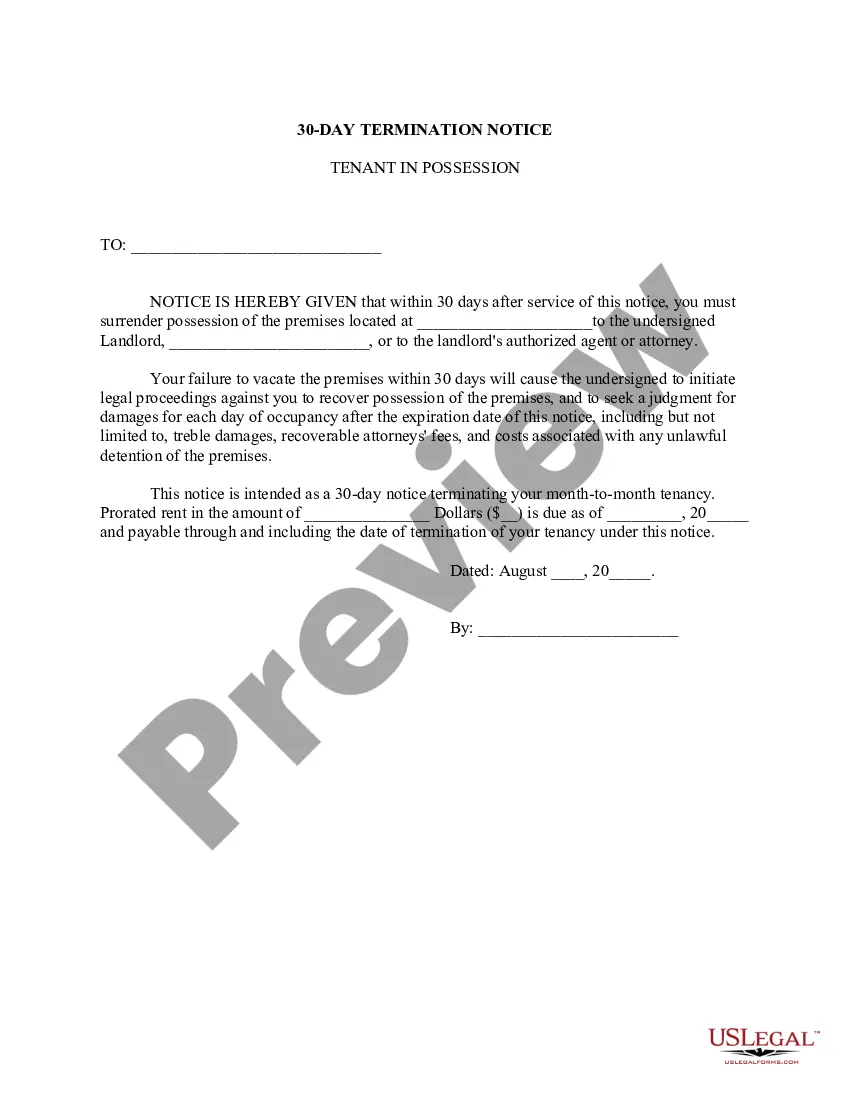
Columbus Ohio 30 Day Termination Notice
Description

Form popularity
FAQ
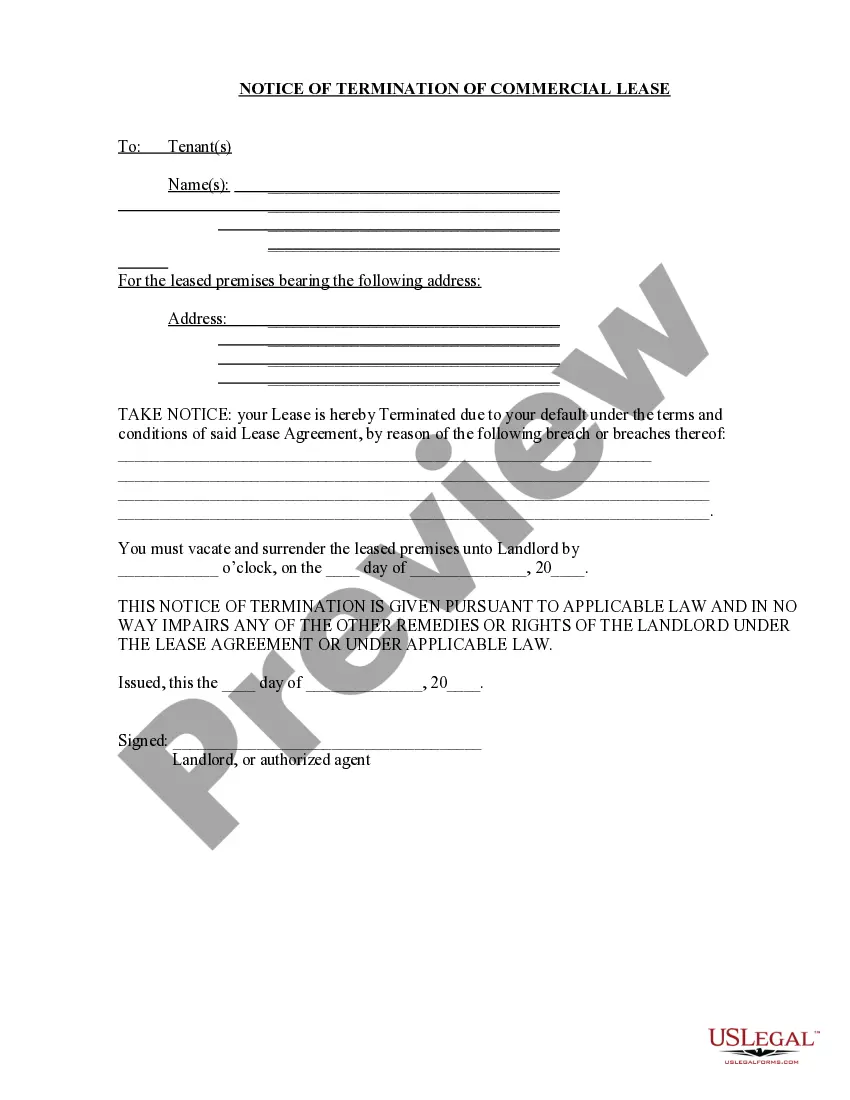
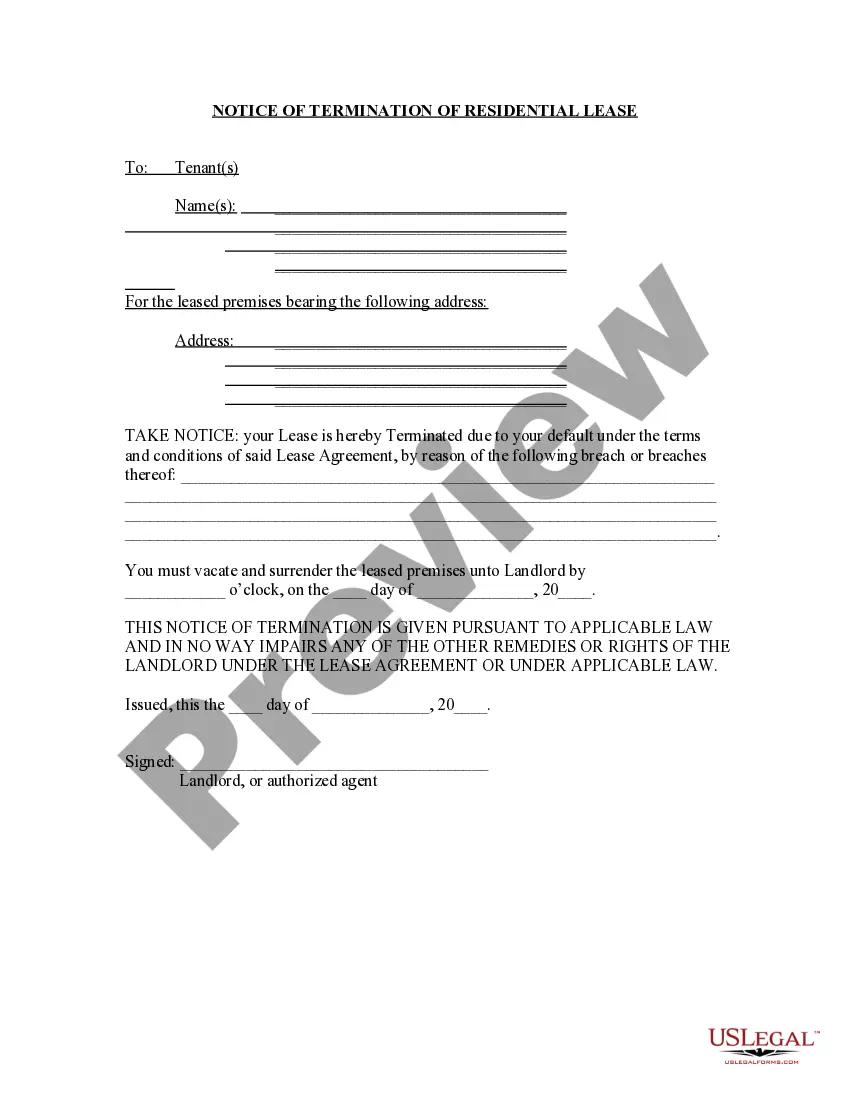
To write a 30 day eviction notice, start by including your name, the tenant's name, and the rental property's address. Clearly state the reason for the eviction and specify that this is a Columbus Ohio 30 Day Termination Notice. Include the date by which the tenant must vacate the property, and ensure that the notice is signed and dated. Utilizing uslegalforms can provide you with a straightforward template to help you draft an effective notice.
Serving a 30 day notice in Ohio involves delivering the notice in writing to the tenant. You can hand it directly to them, mail it via certified mail, or post it on the property if necessary. It's crucial to keep a record of how and when you served the notice, as this can help prevent disputes later. For a proper template, consider using uslegalforms, which offers legally compliant forms for your needs.
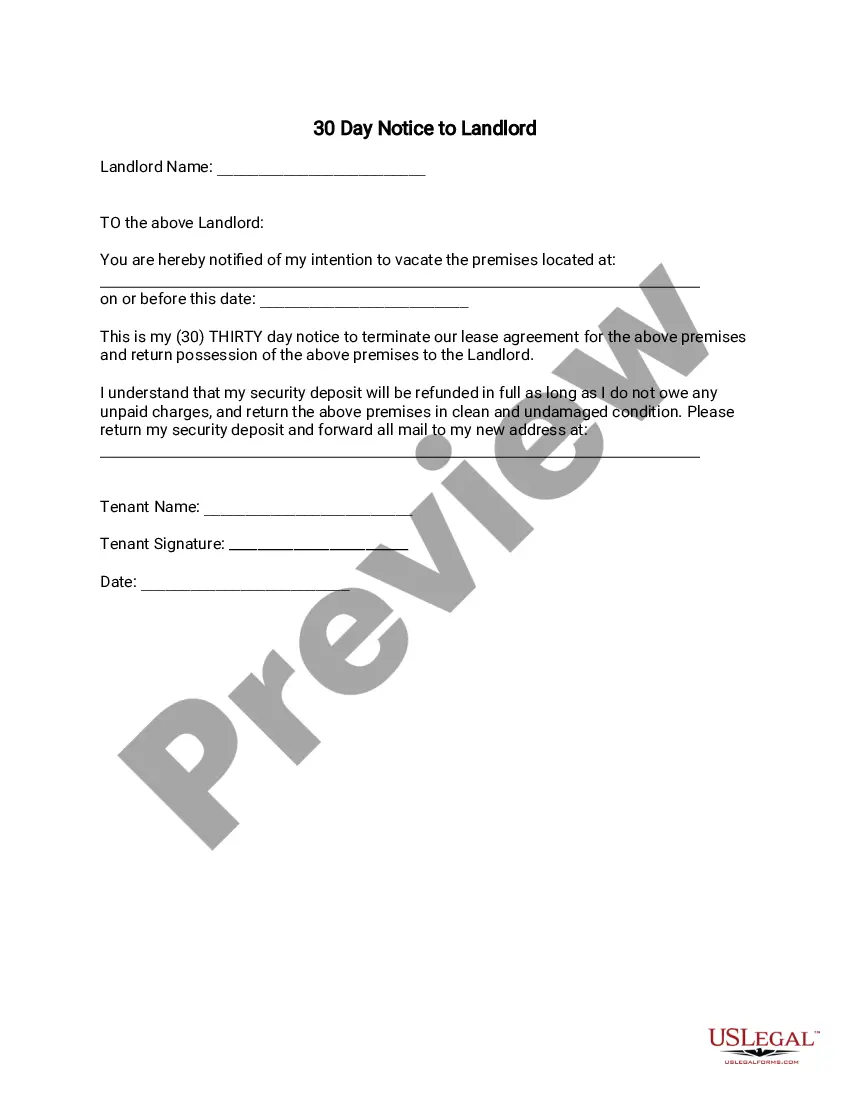
To fill out a notice to terminate a tenancy, begin by clearly stating the date of the notice and the address of the rental property. Include the tenant's name and a statement indicating your intention to terminate the lease, such as a Columbus Ohio 30 Day Termination Notice. Be sure to specify the effective date of termination, allowing tenants the appropriate time to vacate. Using a template from uslegalforms can simplify this process and ensure compliance with Ohio law.
In Ohio, lease termination rules require landlords and tenants to provide notice based on the lease terms. For month-to-month leases, a Columbus Ohio 30 Day Termination Notice is typically required, allowing either party to end the tenancy with adequate notice. It's essential to review your lease agreement for any specific conditions or requirements. Understanding these rules will help ensure a smooth termination process.
To terminate a month-to-month lease in Ohio, you must provide a Columbus Ohio 30 Day Termination Notice to the tenant. This notice must clearly state your intention to end the lease and give the tenant a full 30 days to vacate. Make sure to deliver the notice in accordance with Ohio laws, which can vary depending on your specific situation. Using a platform like US Legal Forms can simplify this process by providing ready-to-use templates for notices.
The quickest way to remove someone from your property is to follow the proper legal procedures. In Ohio, landlords must issue a Columbus Ohio 30 Day Termination Notice to start the eviction process. If the tenant fails to leave after this notice, you can file for eviction in court. Always ensure you follow the law to avoid complications or disputes.
If a tenant fails to provide a Columbus Ohio 30 Day Termination Notice, they may face consequences like being responsible for additional rent. Landlords can demand payment for the full month if the notice is not given. This situation may lead to legal complications if the landlord chooses to pursue eviction. To avoid these issues, it's essential for tenants to understand their obligations under Ohio law.
tomonth tenancy termination notice in Ohio is a formal document that notifies the other party of the intent to end the rental agreement. Typically, this Columbus Ohio 30 Day Termination Notice requires 30 days' notice from either the landlord or tenant. It ensures both sides are aware of the timeline for vacating the property. Utilizing resources such as US Legal Forms can help you create an effective notice that meets legal standards.
In Ohio, you must provide a 30-day advance notice to terminate a tenancy at will. This Columbus Ohio 30 Day Termination Notice is crucial for both landlords and tenants to adhere to. It provides clarity on when the tenancy will officially end, allowing everyone involved to plan accordingly. For more detailed information, consider using platforms like US Legal Forms to access relevant documents.
Yes, Ohio law mandates that landlords provide a 30-day notice to vacate for month-to-month tenancies. This Columbus Ohio 30 Day Termination Notice gives tenants ample time to find new accommodations. As a tenant, you should also give a 30-day notice if you choose to leave your rental. Understanding this requirement helps ensure a smooth transition for both parties.