Gilbert Arizona Sample Letter for Rejection - School or College to Scholarship Applicant
Description

Form popularity
FAQ
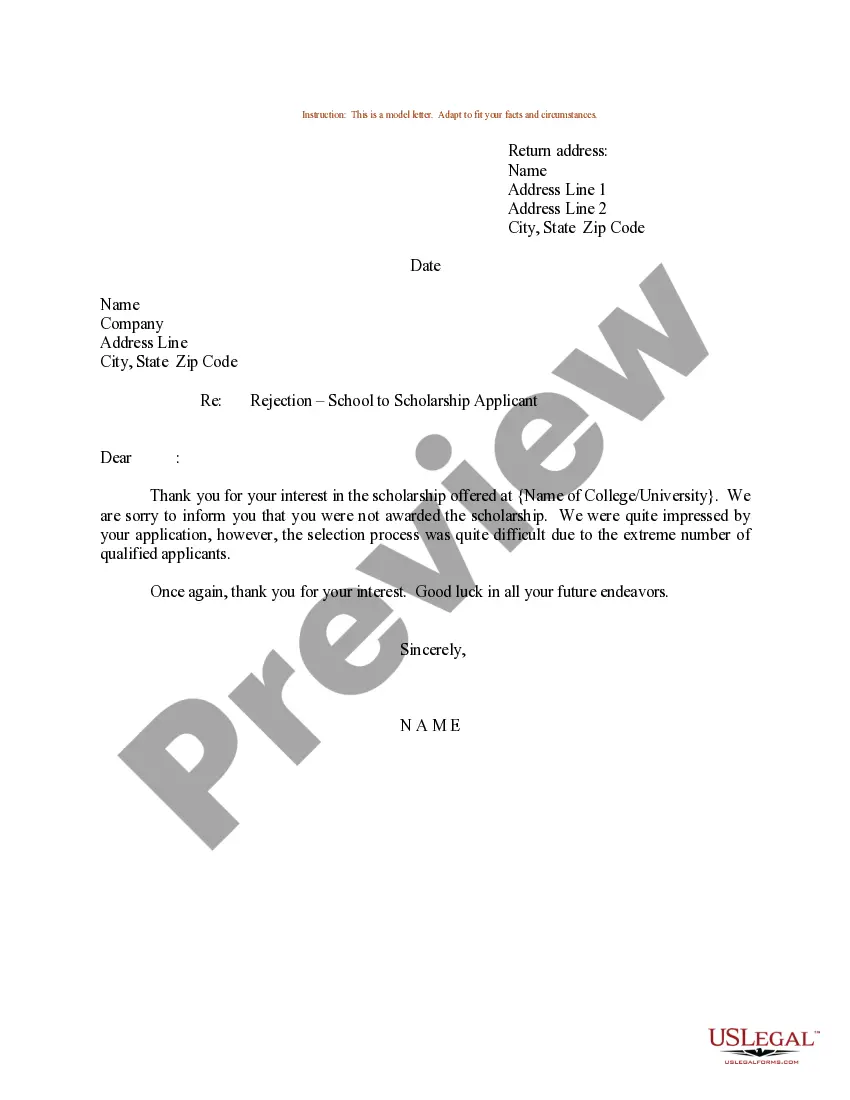
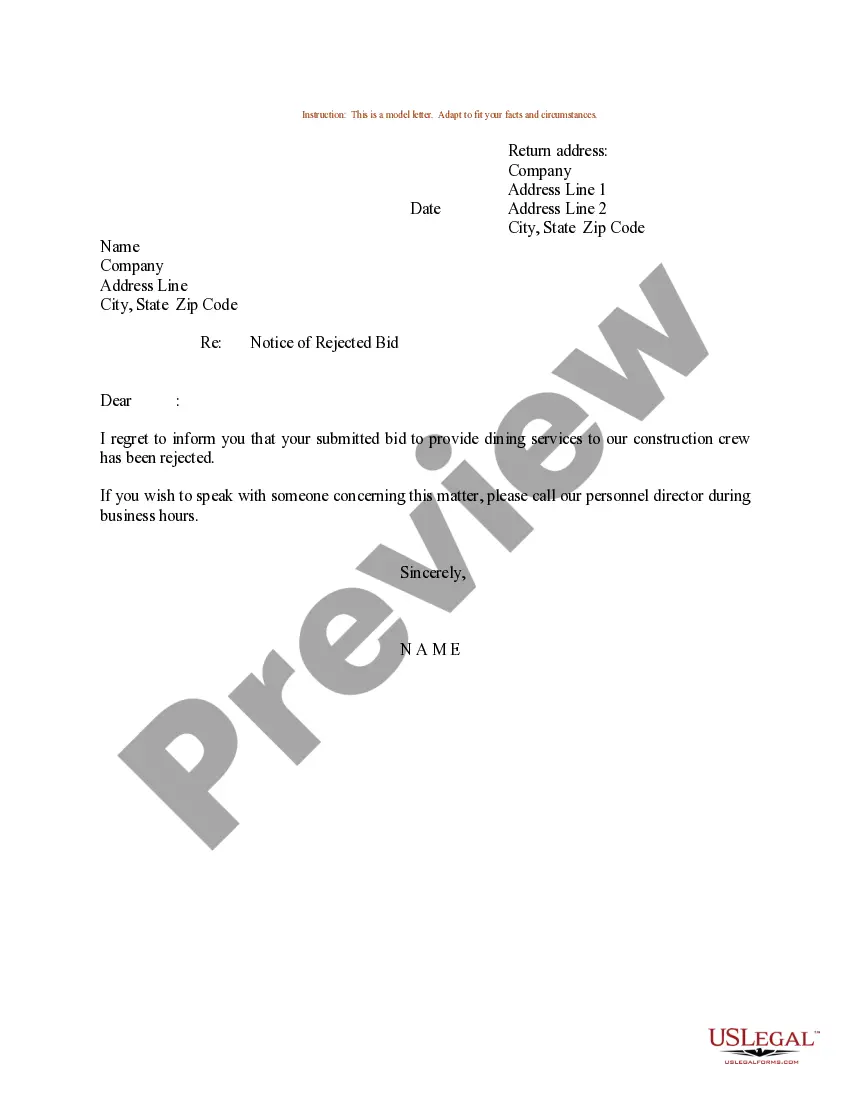
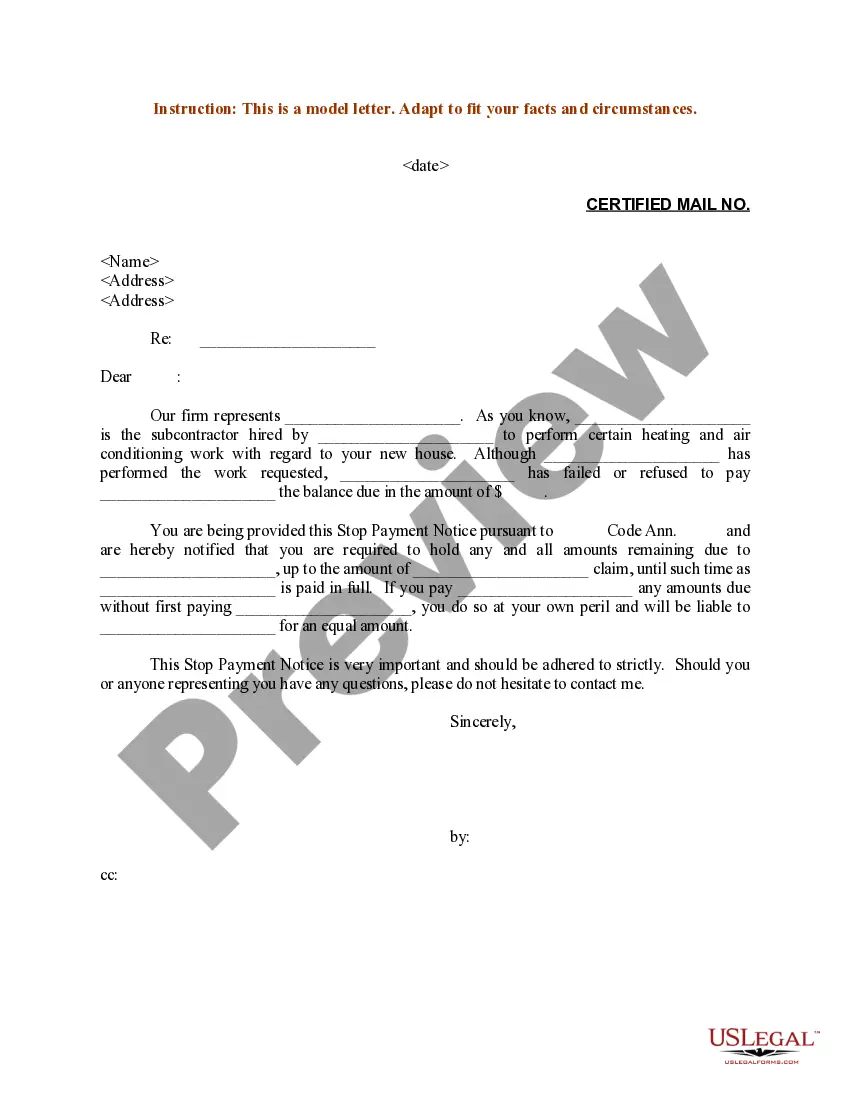
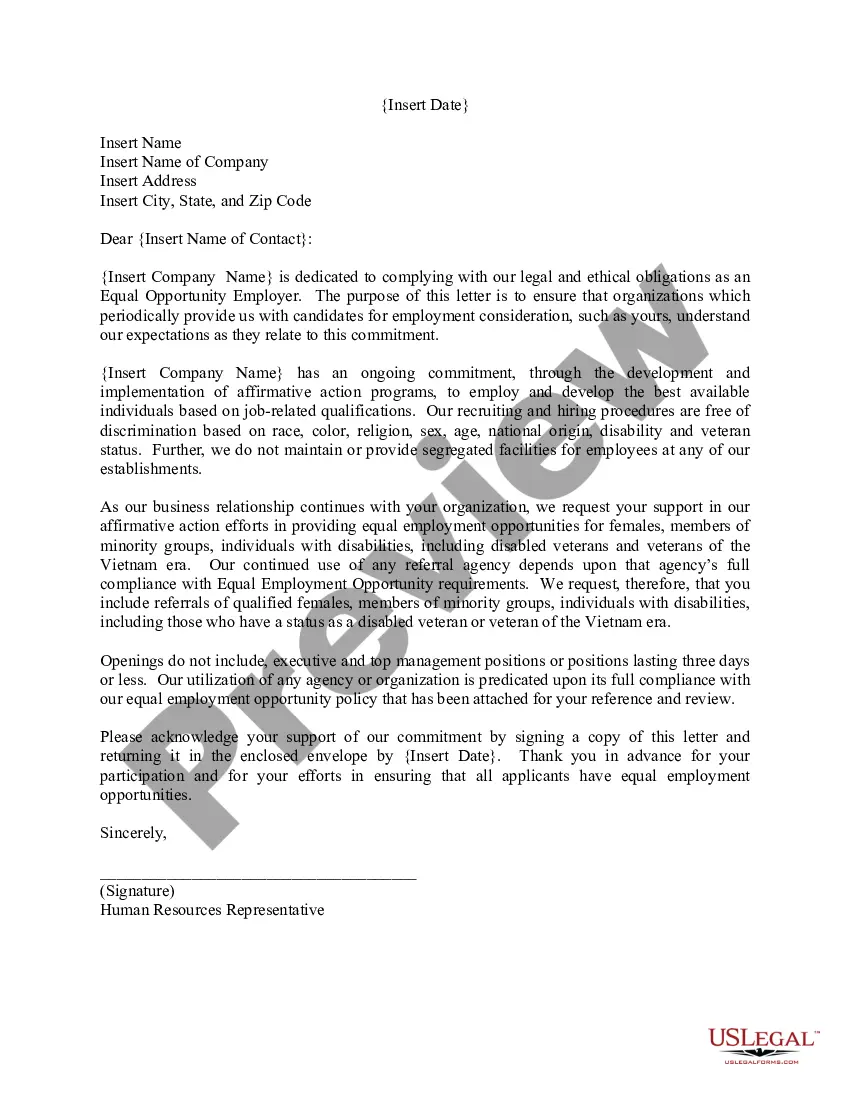
To send a rejection letter to a college, begin by drafting a polite and concise letter that expresses your decision clearly. Include essential details such as your name, application date, and any relevant information about the program. Remember to thank the college for the opportunity and consider using a Gilbert Arizona Sample Letter for Rejection - School or College to Scholarship Applicant as a guide to ensure your letter is appropriately structured. This approach maintains professionalism and keeps the door open for future opportunities.
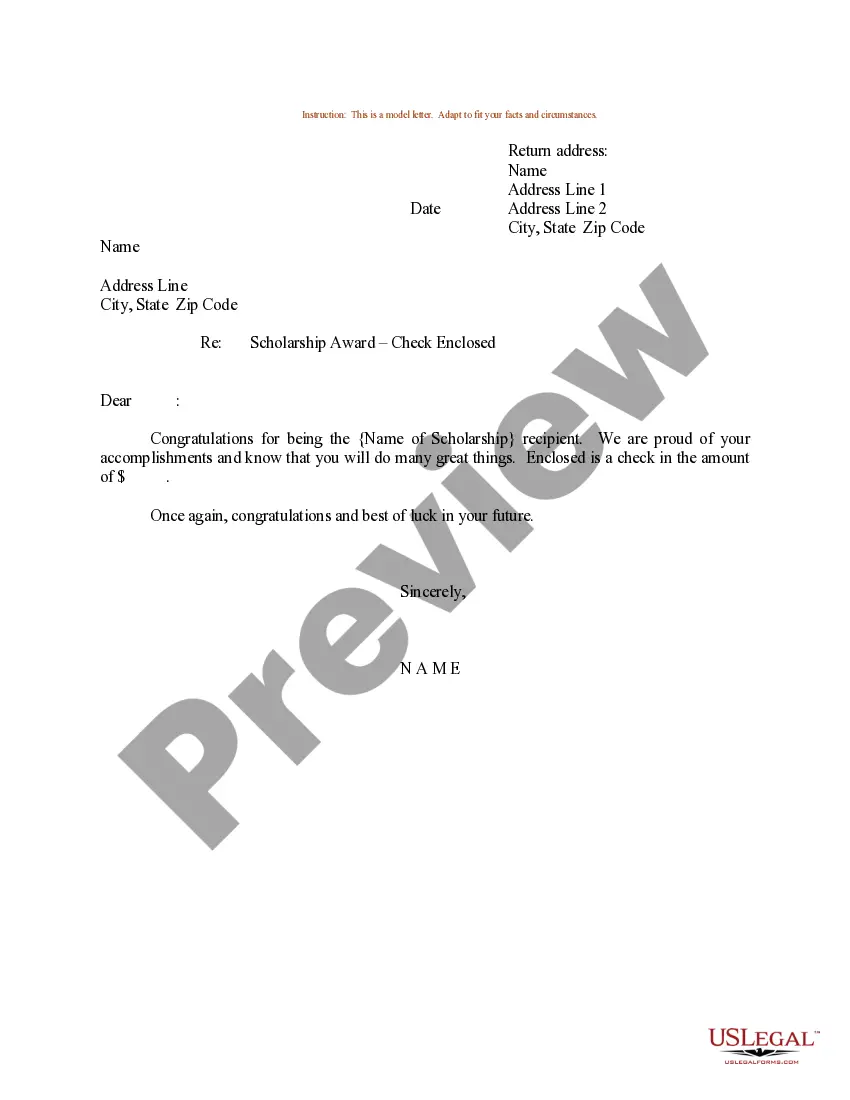
If you receive a scholarship rejection, it is essential to take a moment to process the news. Next, consider reaching out to the scholarship committee for feedback; understanding their decision can help you improve future applications. Additionally, explore alternative funding options, such as grants or other scholarships. Using a Gilbert Arizona Sample Letter for Rejection - School or College to Scholarship Applicant can help you formally express your understanding and gratitude for their consideration.
Yes, many scholarship programs do send rejection letters to inform applicants of their decision. This practice helps maintain transparency and provides closure to candidates who may be eagerly waiting for a response. If you are involved in the scholarship process, you can find examples of these letters in the Gilbert Arizona Sample Letter for Rejection - School or College to Scholarship Applicant to ensure you communicate effectively.
A good example of a rejection letter is one that is concise, respectful, and maintains a positive tone. It should thank the applicant for their interest and clearly state the rejection while offering encouragement for future applications. For a practical template, you can refer to the Gilbert Arizona Sample Letter for Rejection - School or College to Scholarship Applicant, which provides a well-structured format to follow.
To obtain a scholarship letter, you typically need to apply for a specific scholarship program through its official website. Ensure you meet all eligibility requirements and submit the necessary documentation. Once your application is reviewed, the scholarship committee will notify you via email or postal mail. If you seek guidance in drafting your application or follow-up letters, the Gilbert Arizona Sample Letter for Rejection - School or College to Scholarship Applicant can serve as an excellent resource.
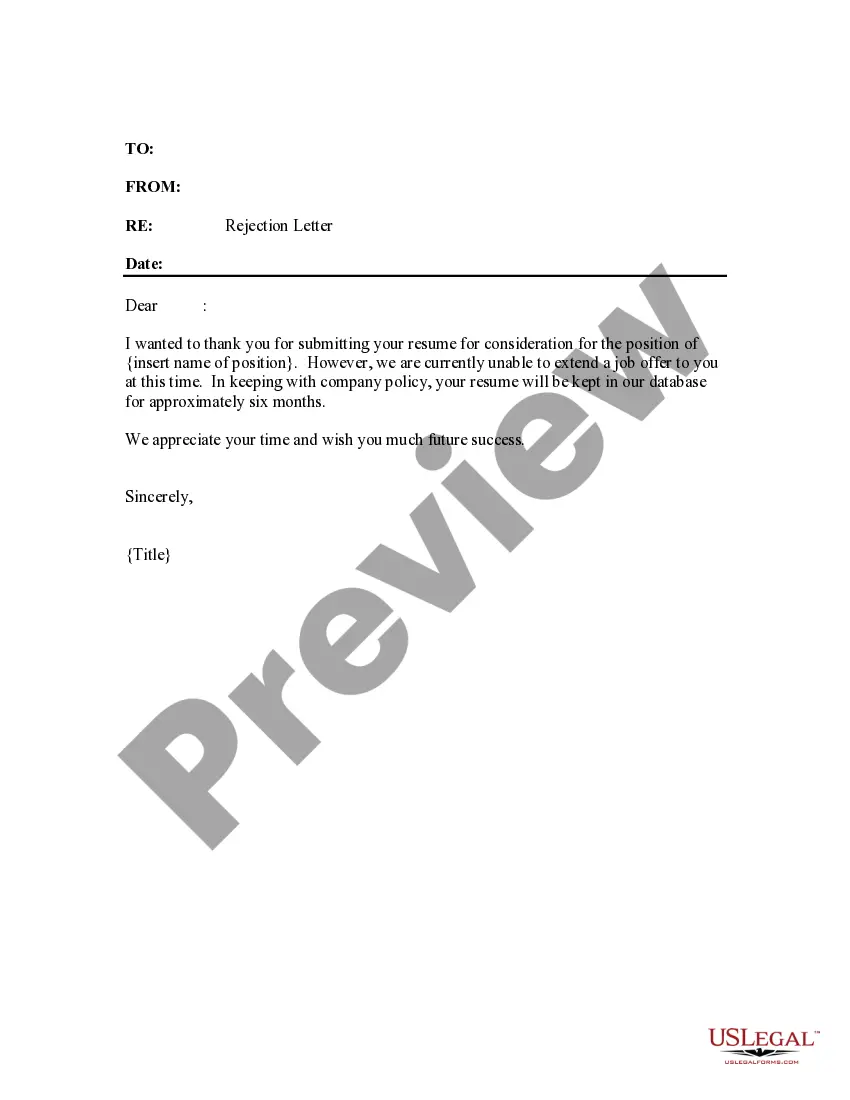
Writing a scholarship rejection letter involves a clear and respectful approach. Start by addressing the applicant by name and thanking them for their interest in the scholarship. Clearly state the decision and provide a brief explanation, if appropriate. For a solid reference, consider utilizing the Gilbert Arizona Sample Letter for Rejection - School or College to Scholarship Applicant, which can guide you in crafting a thoughtful response.
Once known as the ?Hay Shipping Capital of the World,? Gilbert, Arizona has evolved into one of the fastest growing communities and the largest town in the United States. About Us - Gilbert, Arizona gilbertaz.gov ? how-do-i ? about-us gilbertaz.gov ? how-do-i ? about-us
Incorporated on July 6, 1920, Gilbert was once known as the ?Hay Shipping Capital of the World.? It's since transformed into a thriving economically diverse suburban community with a strong economy, competitive schools, and safe neighborhoods.
Best Suburbs Near Phoenix, Arizona Chandler. Population: 257,165. Median Home Value: $285,000. Paradise Valley. Population: 14,502. ... Scottsdale. Population: 255,310. ... Gilbert. Population: 248,279. ... Mesa. Population: 518,012. ... Fountain Hills. Population: 24,987. ... Peoria. Population: 172,259. ... Goodyear. Population: 82,835. ...
The Hay Capital of the World Gilbert was a prime farming community, fueled by the construction of the Roosevelt Dam and the Eastern and Consolidated Canals in 1911. It remained an agriculture town for many years, and was known as the "Hay Capital of the World" until the late 1920s. History | Gilbert, Arizona gilbertaz.gov ? about-us ? history gilbertaz.gov ? about-us ? history