This form is a generic example that may be referred to when preparing such a form for your particular state. It is for illustrative purposes only. Local laws should be consulted to determine any specific requirements for such a form in a particular jurisdiction.
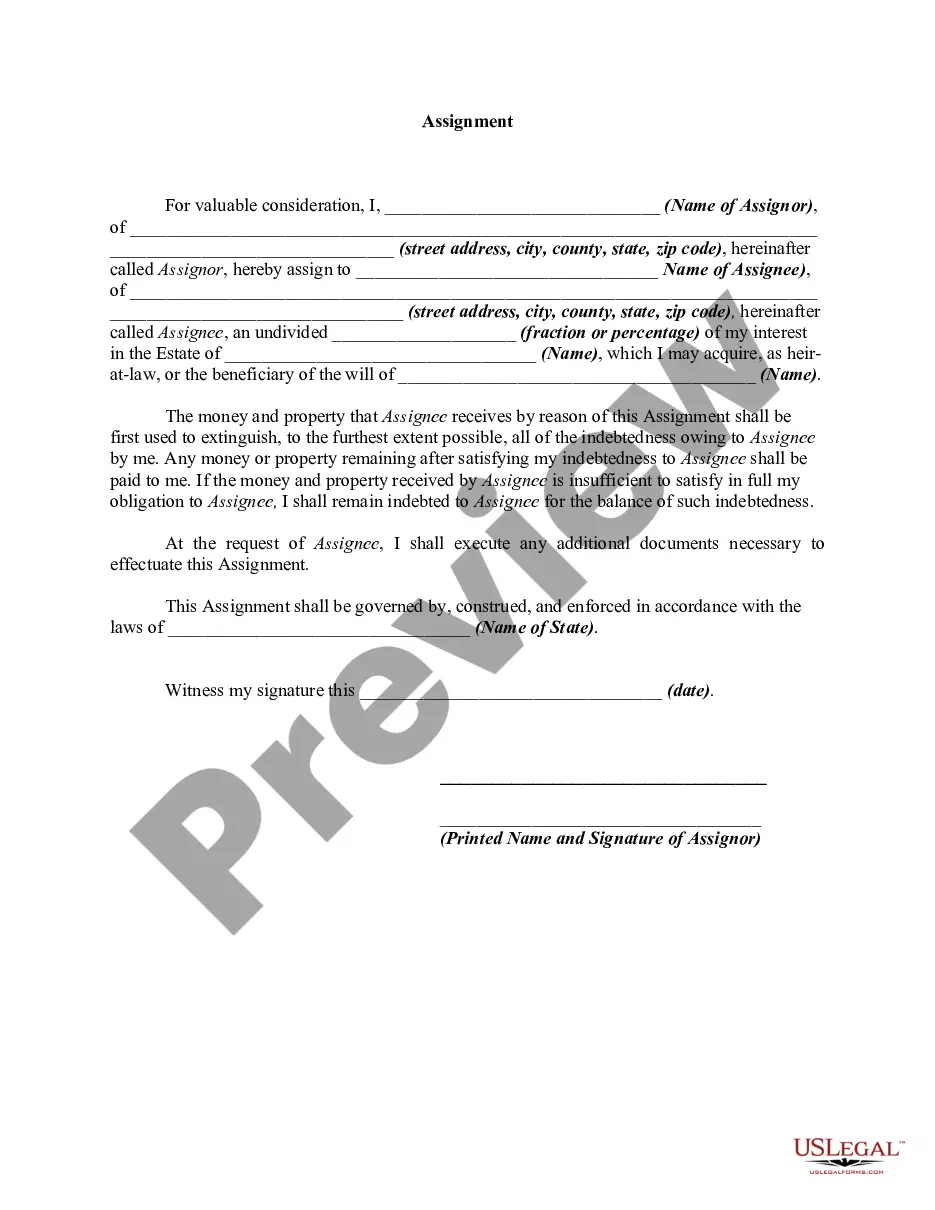
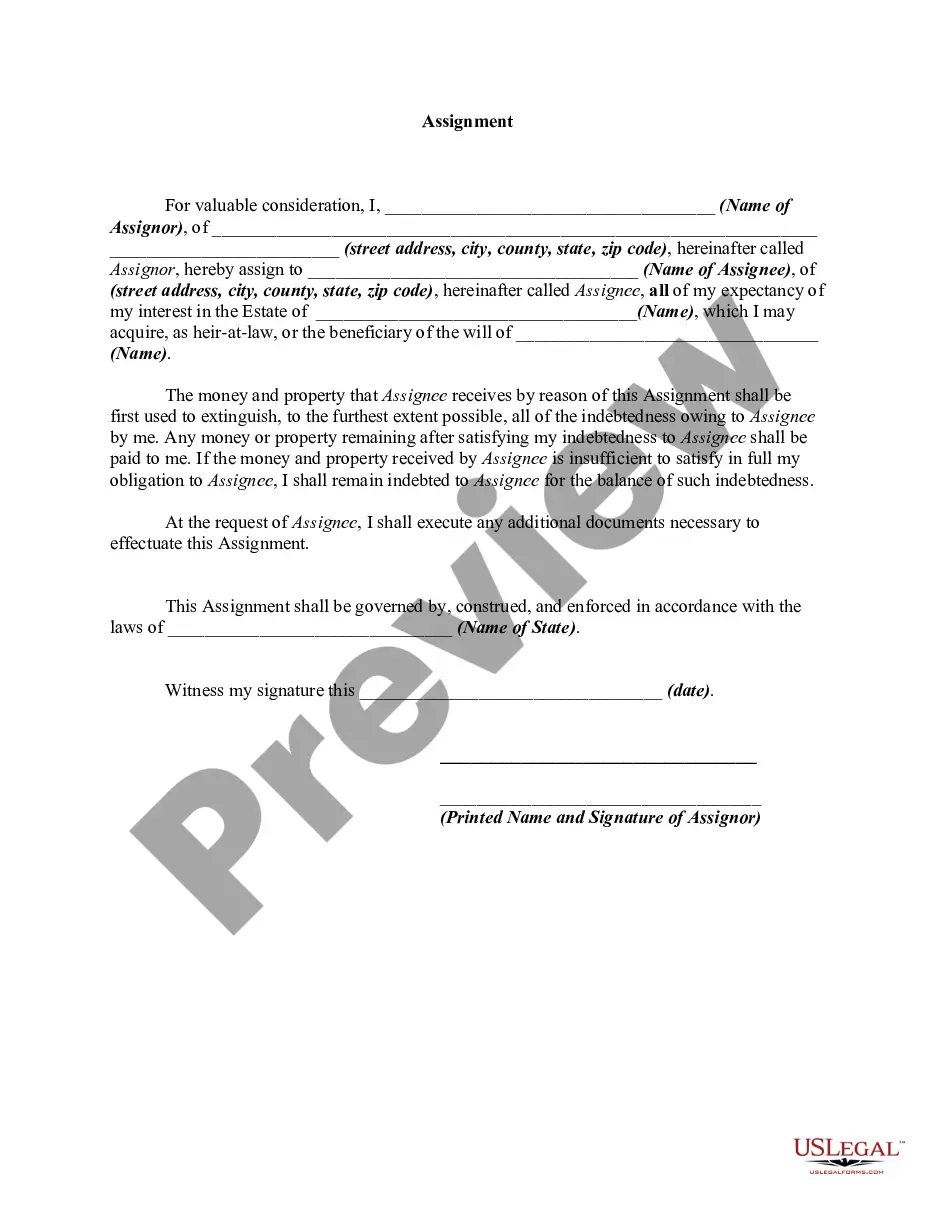
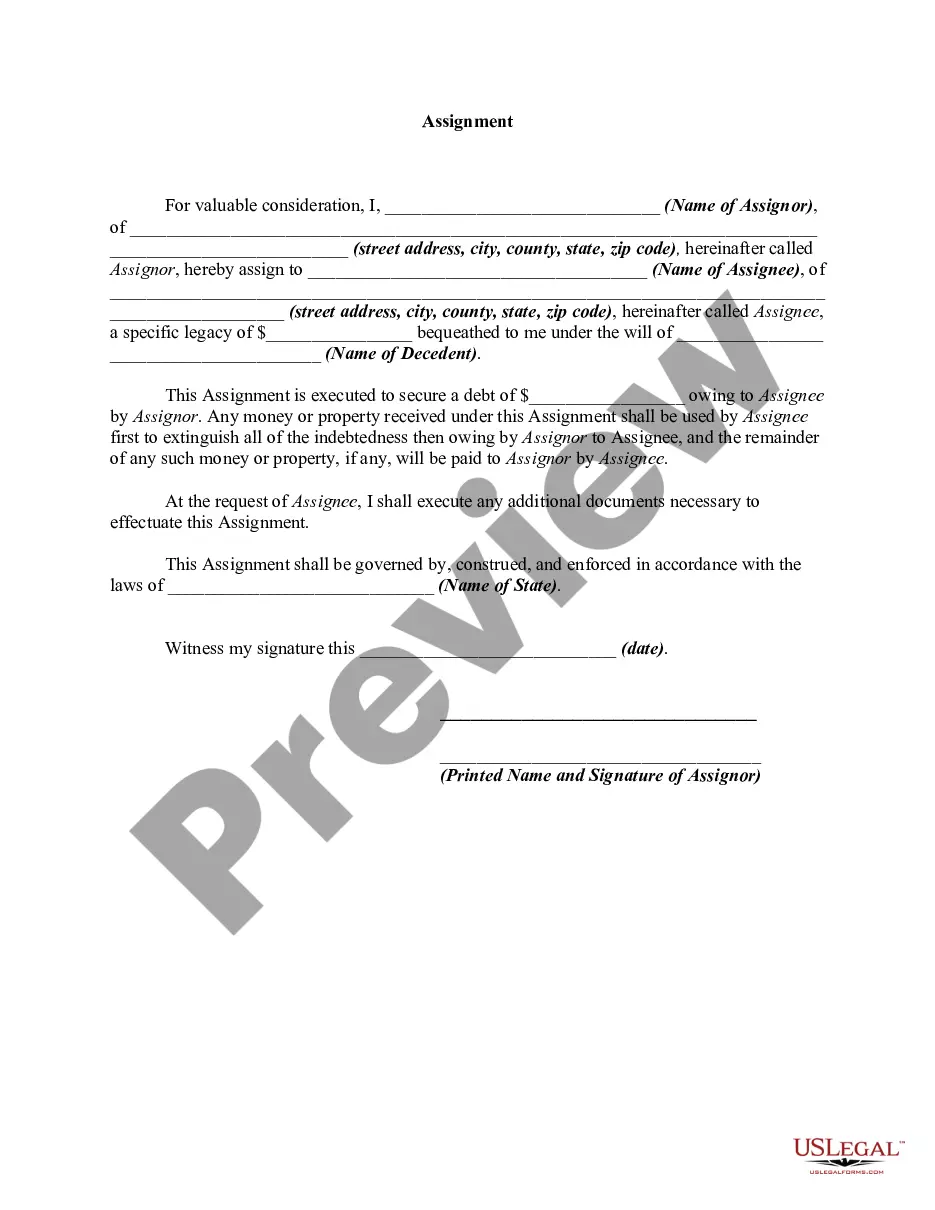
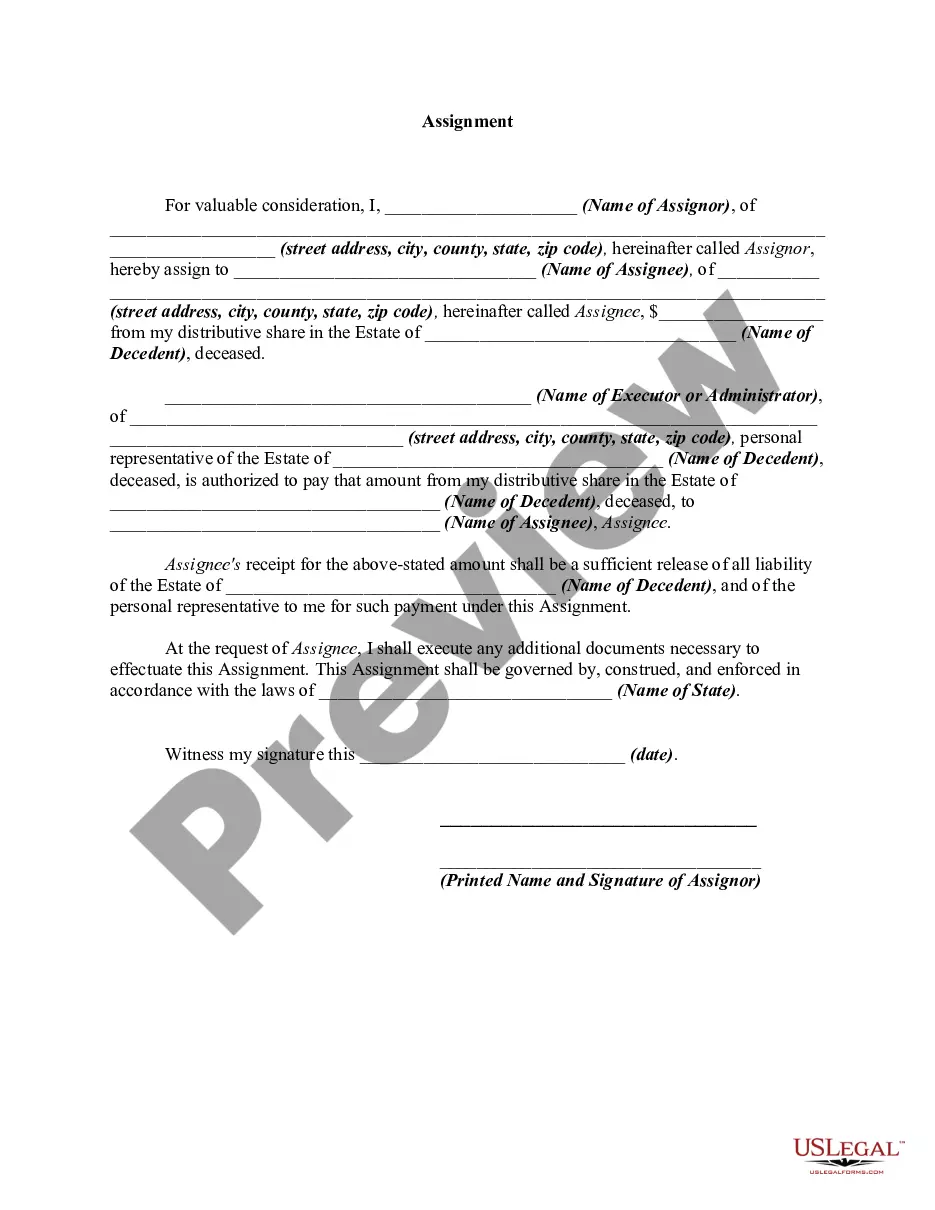
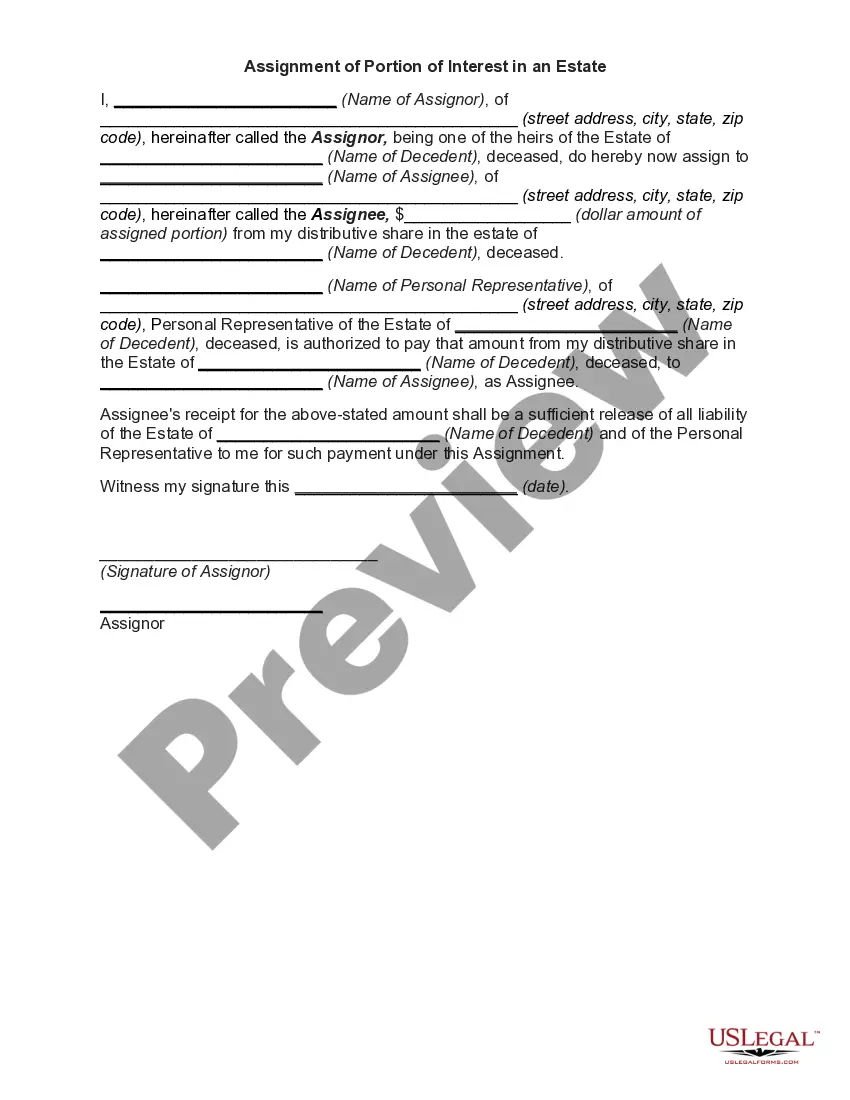
Louisville Kentucky Assignment of Portion of Expected Interest in Estate in Order to Pay Indebtedness
Category:
State:
Multi-State
City:
Louisville
Control #:
US-01754BG
Format:
Word;
Rich Text
Instant download
Description
Free preview
Form popularity
FAQ
Filling out form AOC 805 requires careful attention to detail to ensure accuracy. You should start by gathering all necessary information about the estate and the debts owed. As you complete the form, make sure to clearly indicate the portion of the expected interest being assigned to pay off indebtedness. If you find yourself needing assistance, uslegalforms provides resources and templates to guide you through the process of the Louisville Kentucky Assignment of Portion of Expected Interest in Estate in Order to Pay Indebtedness.
In Kentucky, the statute of limitations on debt after death is typically one year from the date of death for creditors to file claims against the estate. This means that creditors must act quickly to recover debts owed by the deceased. Understanding this timeline is crucial if you are dealing with the Louisville Kentucky Assignment of Portion of Expected Interest in Estate in Order to Pay Indebtedness, as it impacts how and when debts can be settled. Always consult with a legal professional to navigate this process effectively.
The assignment of interest in the estate form is a legal document used to transfer a portion of an expected interest in an estate to pay off debts. This form is particularly relevant in situations where individuals need to manage their financial obligations after a loved one passes away. By using the Louisville Kentucky Assignment of Portion of Expected Interest in Estate in Order to Pay Indebtedness, you can ensure that debts are settled efficiently. This process helps protect your financial interests while complying with state regulations.
If an estate does not pay credit card debt, creditors may need to pursue claims through the probate process. This could result in the estate's assets being liquidated to settle debts, including those highlighted by a Louisville Kentucky Assignment of Portion of Expected Interest in Estate in Order to Pay Indebtedness. Understanding your rights and obligations can help you navigate these situations more effectively.
Creditors have a maximum of 6 months after the estate has been opened to collect debts. If you are dealing with a Louisville Kentucky Assignment of Portion of Expected Interest in Estate in Order to Pay Indebtedness, knowing this timeline can help you plan your financial strategy. Timely action can ensure that debts are settled appropriately within the stipulated period.
In Kentucky, creditors typically have one year from the date of the decedent's death to file a claim against the estate. This timeline emphasizes the importance of acting quickly, particularly when considering a Louisville Kentucky Assignment of Portion of Expected Interest in Estate in Order to Pay Indebtedness. The sooner you file, the better your chances of recovering owed debts.
The legal term for settling an estate is 'probate.' During probate, the court oversees the distribution of the deceased's assets. This process often involves addressing debts and liabilities, including those outlined in a Louisville Kentucky Assignment of Portion of Expected Interest in Estate in Order to Pay Indebtedness. By understanding probate, you can navigate the complexities of estate settlement more effectively.