Cincinnati Ohio Apartment Rules
Description







Form popularity
FAQ
Asking for three times the rent as a requirement is not inherently illegal, but it must be applied fairly and consistently to all applicants. This practice is often used to gauge financial stability, but it can raise concerns about discrimination if applied selectively. To understand your rights and obligations, you can explore Cincinnati Ohio Apartment Rules, which can help you address any potential issues with rental agreements or landlord requests.
Many landlords seek to ensure that potential tenants can afford the rent by requiring an income that is three times the rent amount. This practice is common, but it must comply with local laws and regulations, which can vary. If you are unsure about the legality of this requirement in your area, reviewing Cincinnati Ohio Apartment Rules can provide clarity and help you navigate your rental application process confidently.
In Alaska, landlords must adhere to certain regulations that protect tenants' rights, including the prohibition of discrimination based on race, gender, or disability. Furthermore, landlords cannot retaliate against tenants for exercising their rights, such as reporting unsafe living conditions. Understanding Cincinnati Ohio Apartment Rules may also provide insight into how tenant protections vary across states, allowing you to make informed decisions regarding your rental situation.
You can file a complaint against your landlord at the local housing authority or the Ohio Attorney General's office. For added support, uslegalforms provides resources that help you draft and submit your complaint effectively. This process aligns with the Cincinnati Ohio Apartment Rules, ensuring your concerns are heard.
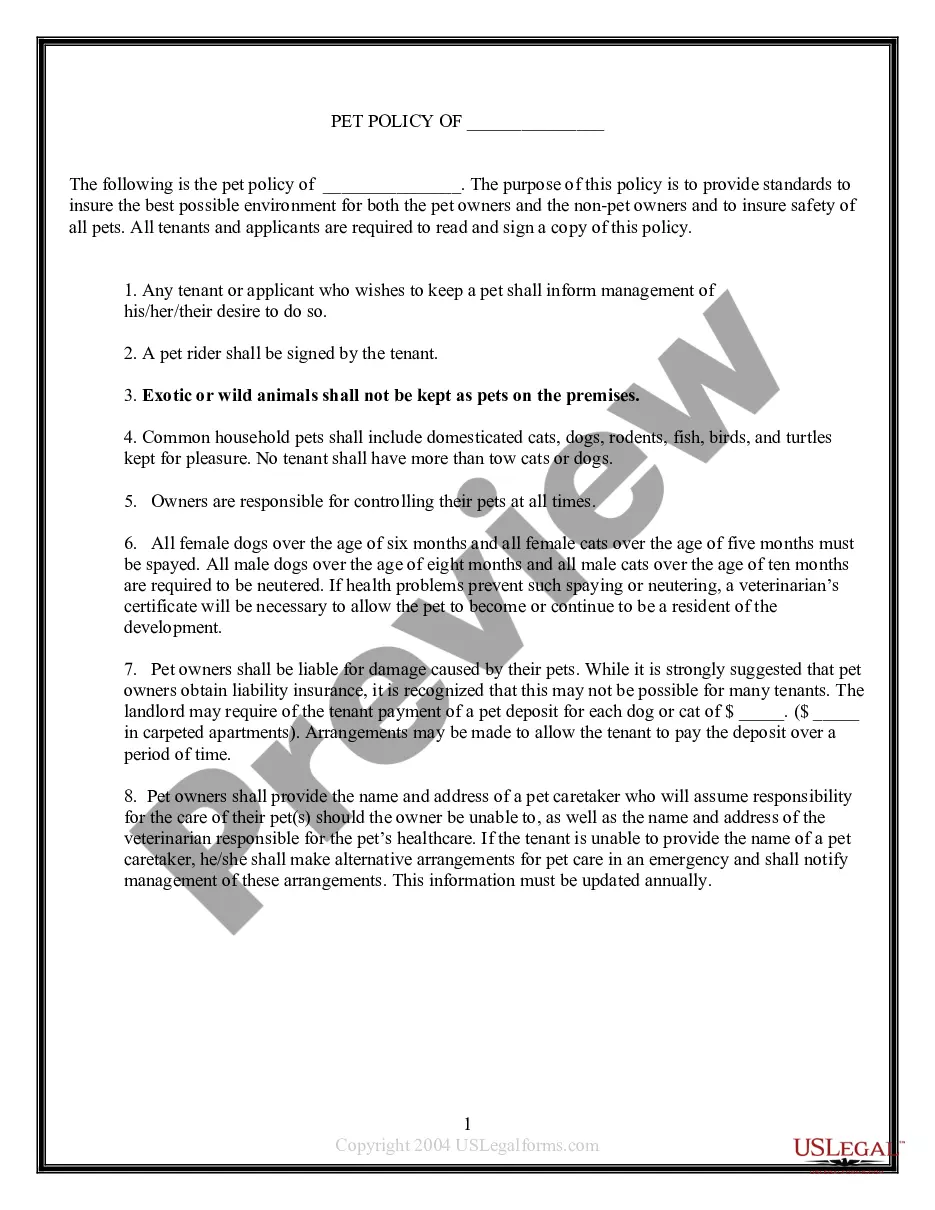
In Ohio, renters have several rights including the right to a habitable living space and protection against retaliation for reporting issues. You are also entitled to privacy and timely repairs, as outlined in Cincinnati Ohio Apartment Rules. Familiarizing yourself with these rights can empower you to address any concerns effectively.
You should report your landlord to local government entities such as the housing authority or the Ohio Attorney General. These agencies can investigate your claims and enforce compliance with Cincinnati Ohio Apartment Rules. Keeping thorough documentation will strengthen your report and help you navigate any disputes.
Tenants can file a complaint against a landlord at their local housing authority or through the Ohio Attorney General's office. Additionally, you may consider using legal forms from uslegalforms to initiate your complaint. Following Cincinnati Ohio Apartment Rules ensures that your complaint is taken seriously and addressed appropriately.
In Ohio, you can report your landlord to the local housing authority or the Ohio Attorney General's office. These organizations can help you understand your rights and may assist in resolving disputes. It's important to keep records of any issues you face, as this documentation can support your case under Cincinnati Ohio Apartment Rules.
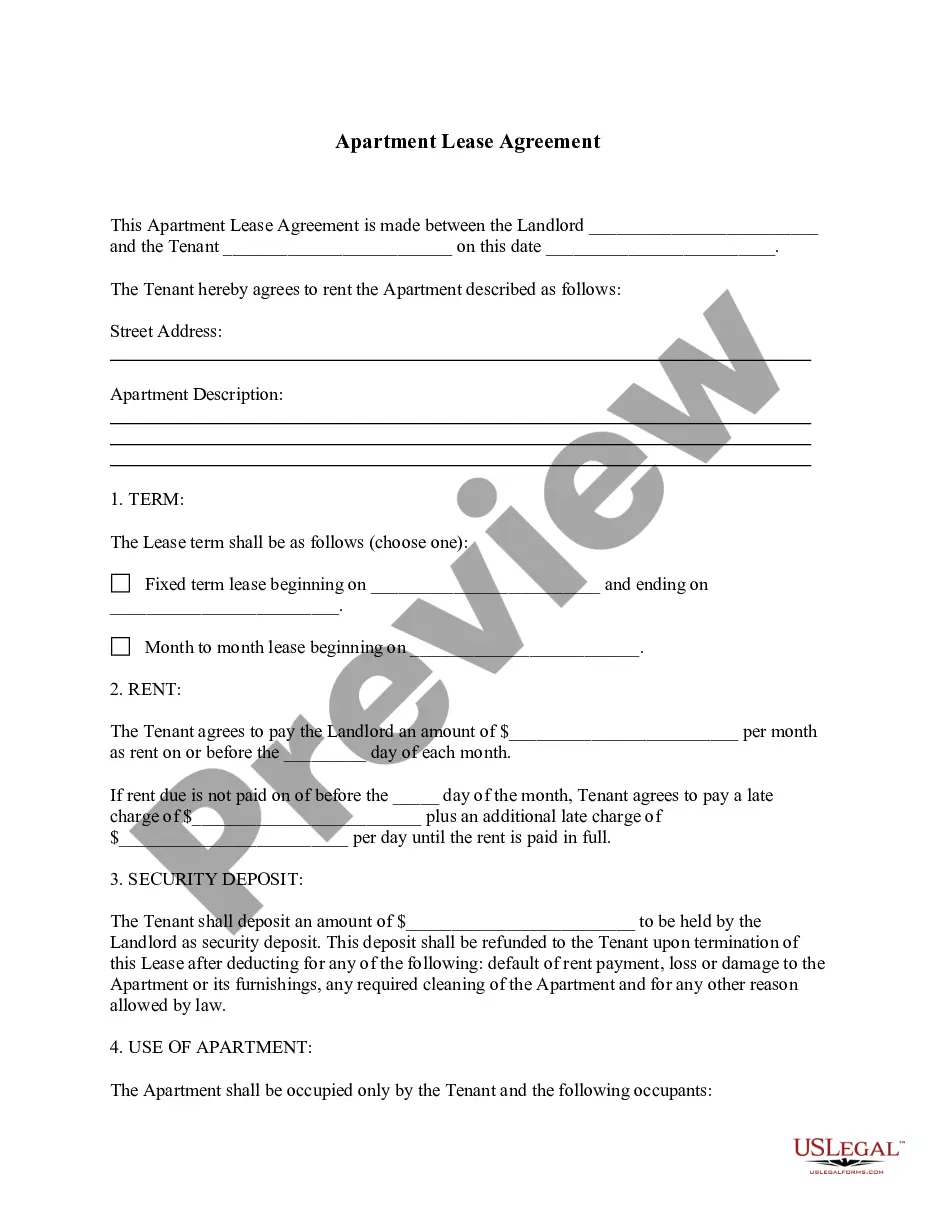
In Ohio, the duration a guest can stay in your apartment typically depends on your lease agreement and local regulations. Generally, a guest can stay for a short period, but if they remain for an extended time, it may be classified as a tenant relationship, potentially altering your lease terms. To navigate these circumstances effectively, refer to Cincinnati Ohio Apartment Rules and consider consulting US Legal Forms for legal documents that clarify guest policies.
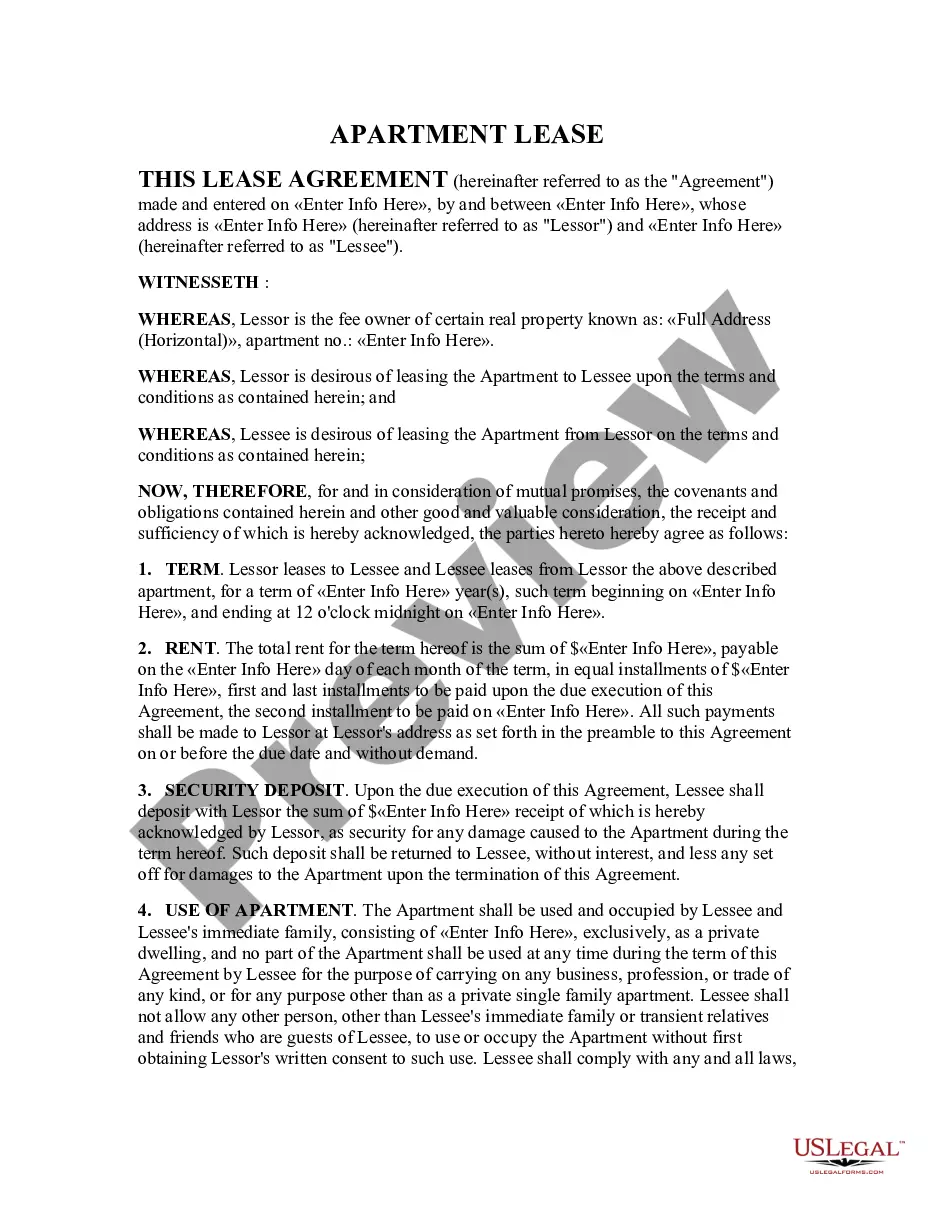
Renters in Ohio possess various rights designed to protect their living conditions and financial investments. These rights include the right to a habitable apartment, protection against discrimination, and the ability to seek repairs for unsafe conditions. Familiarizing yourself with Cincinnati Ohio Apartment Rules can empower you to assert your rights effectively. Platforms like US Legal Forms can also help you access necessary legal documents and resources.