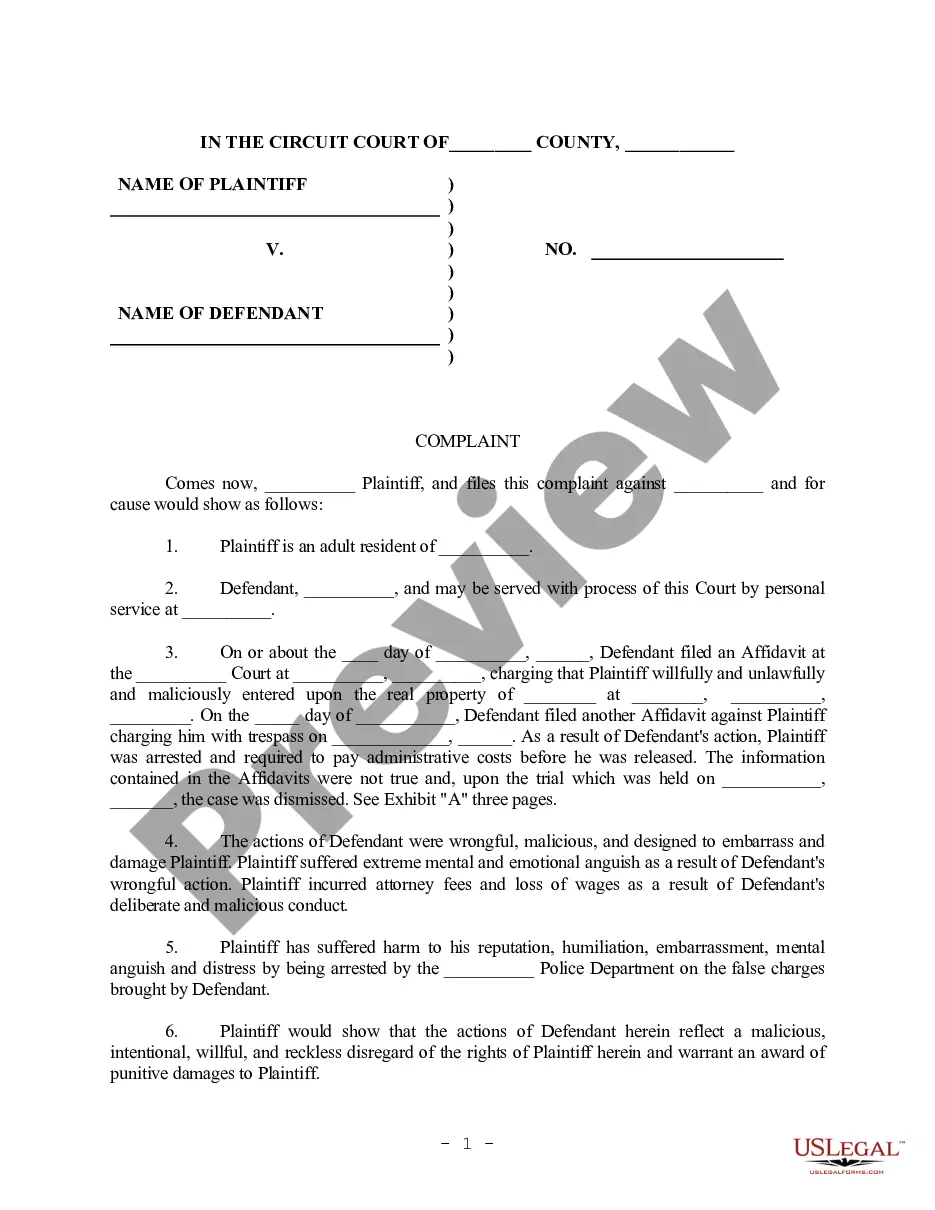
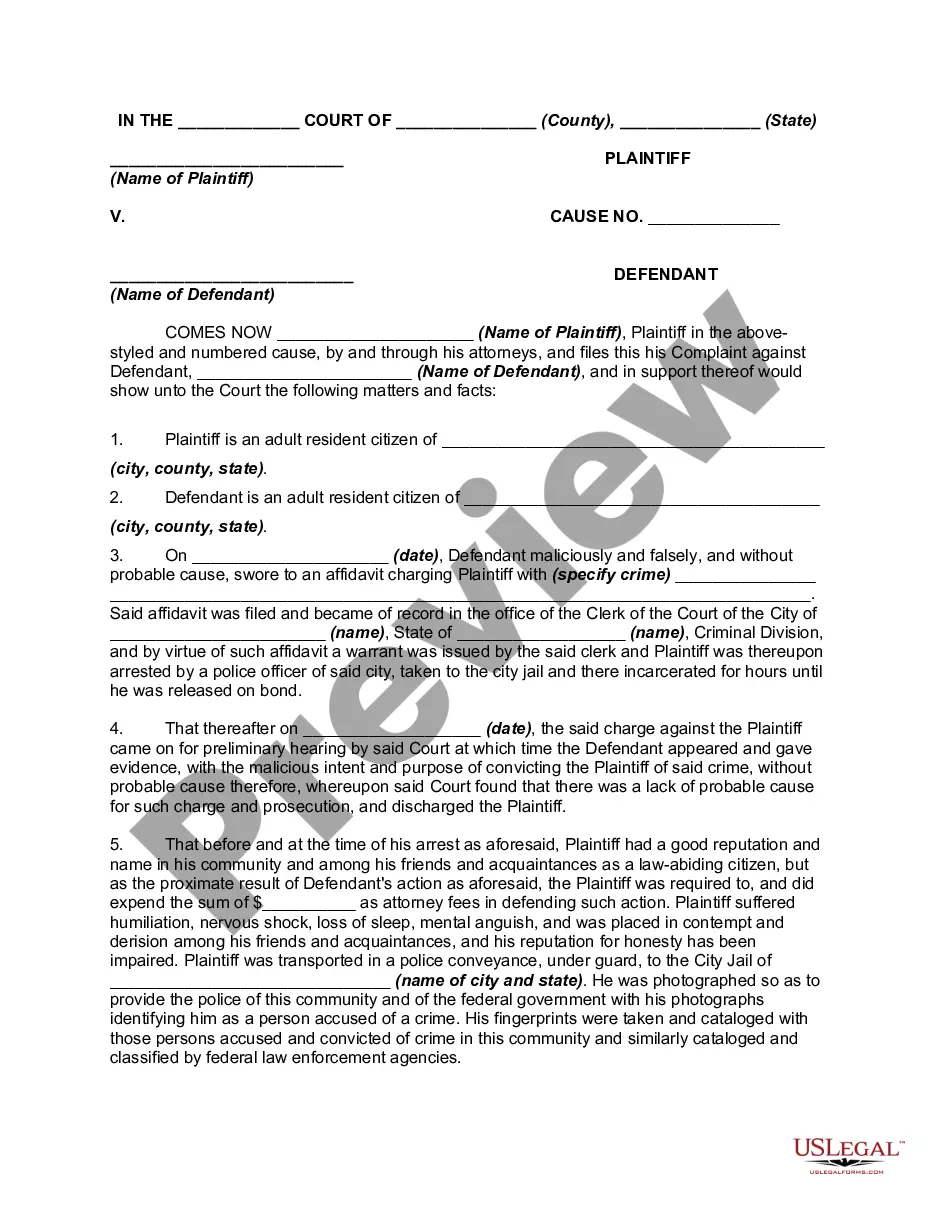
Orange Florida Complaint for Malicious Prosecution, False Imprisonment, Abuse of Process
Description




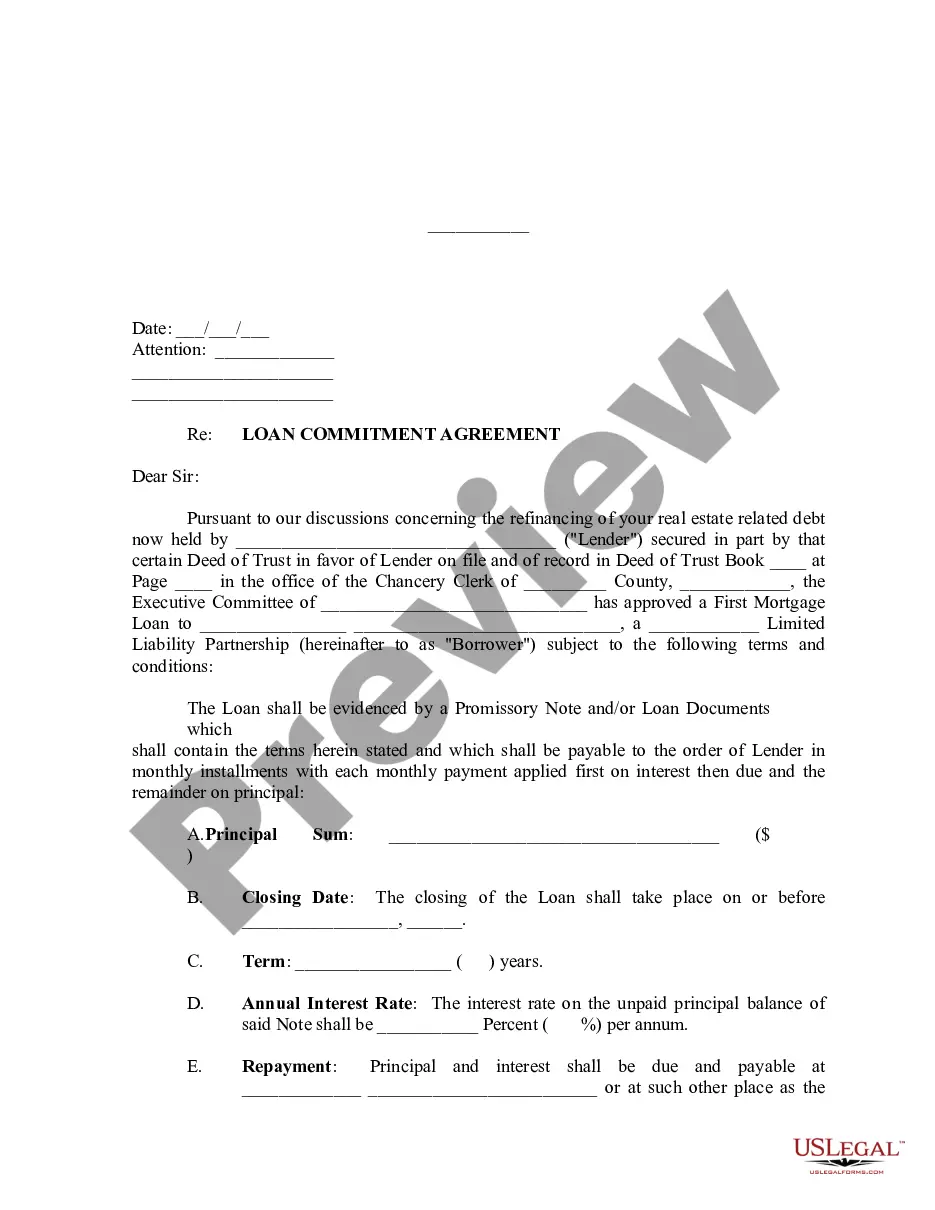


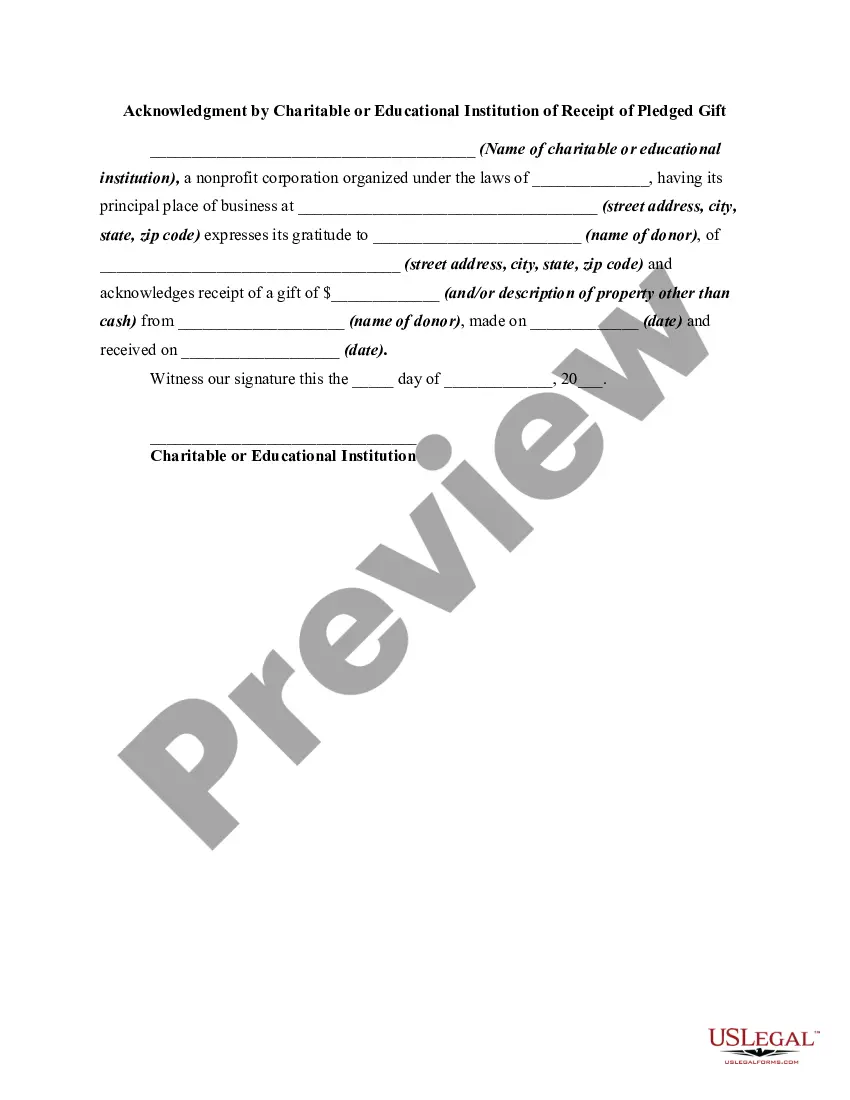


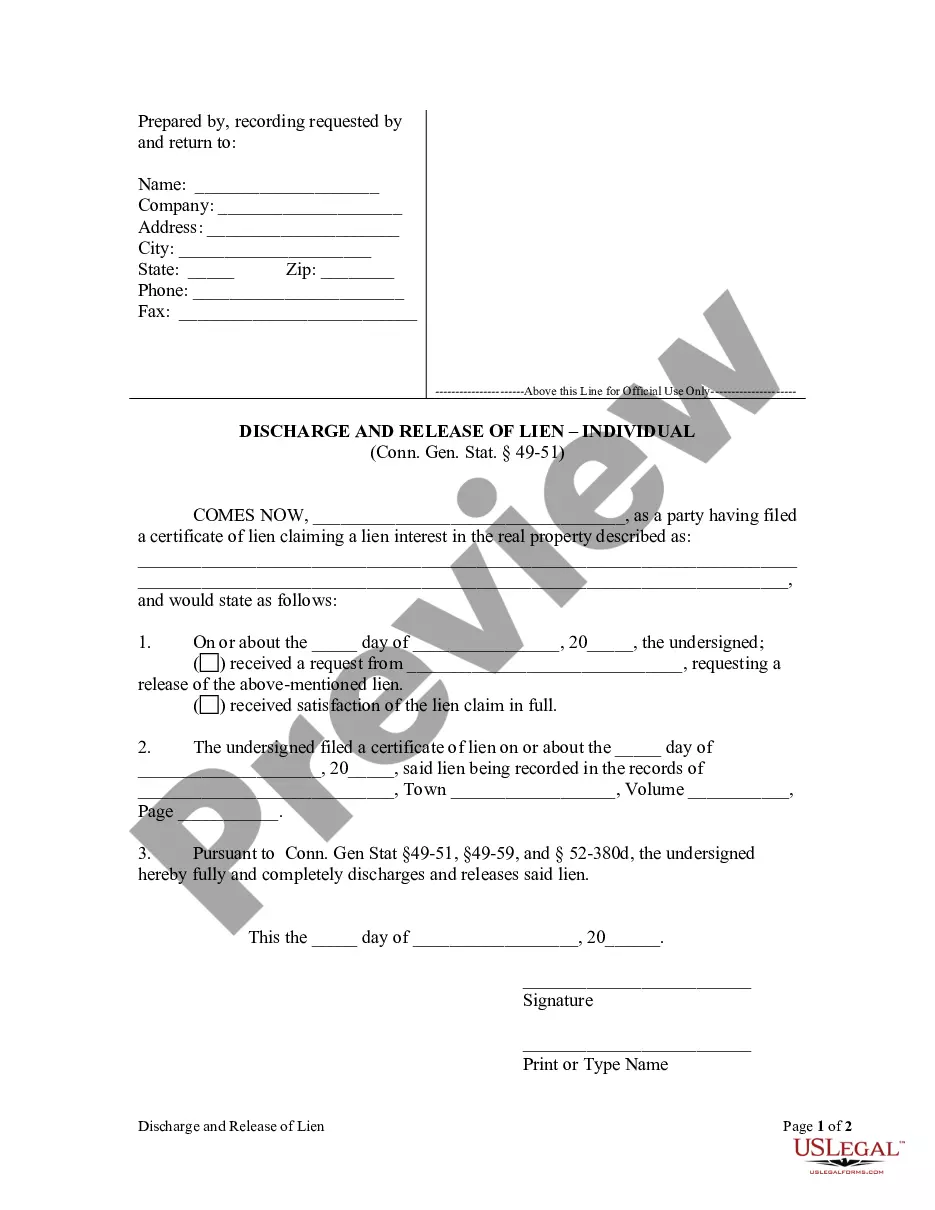
How to fill out Complaint For Malicious Prosecution, False Imprisonment, Abuse Of Process?
How long does it typically take you to create a legal document.
Given that each state has its own statutes and regulations for every area of life, locating an Orange Complaint for Malicious Prosecution, False Imprisonment, and Abuse of Process that meets all local prerequisites can be challenging, and procuring it from a qualified attorney is frequently expensive.
Numerous online services provide the most frequently used state-specific documents for download, but utilizing the US Legal Forms library is particularly advantageous.
Select a subscription plan that best meets your needs. Create an account on the platform or Log In to advance to payment methods. Settle via PayPal or with your credit card. Alter the file format if necessary. Click Download to save the Orange Complaint for Malicious Prosecution, False Imprisonment, and Abuse of Process. Print the document or utilize any preferred online editor to complete it electronically. Regardless of how often you require the downloaded template, you can find all the samples you have ever downloaded in your profile by accessing the My documents tab. Give it a try!
- US Legal Forms boasts the largest online repository of templates, organized by states and types of use.
- In addition to the Orange Complaint for Malicious Prosecution, False Imprisonment, and Abuse of Process, you can find any particular form to conduct your business or personal affairs, adhering to your county's regulations.
- Experts verify all samples for their accuracy, ensuring you can prepare your documents correctly.
- Employing the service is exceptionally straightforward.
- If you already possess an account on the platform and your subscription is active, you merely need to sign in, select the desired form, and download it.
- You can access the file in your profile at any subsequent time.
- On the other hand, if you are a newcomer to the site, there will be additional steps to complete before you obtain your Orange Complaint for Malicious Prosecution, False Imprisonment, and Abuse of Process.
- Examine the content of the page you are visiting.
- Review the description of the template or Preview it (if available).
- Search for another form using the appropriate option in the header.
- Click Buy Now once you are confident in your selected file.
Form popularity
FAQ
Malicious prosecution refers to a criminal or civil case that is filed without an adequate basis and for an improper purpose, such as harassing the defendant, ruining another person's reputation, or to knowingly place blame on someone other than the actual wrongdoer.
The filing of a lawsuit for an improper purpose, and without grounds or probable cause. The lawsuit may either be civil or criminal in nature. To remedy an act of malicious prosecution, an alleged victim files a tort claim by the same name.
To win a suit for malicious prosecution, the plaintiff must prove four elements: (1) that the original case was terminated in favor of the plaintiff, (2) that the defendant played an active role in the original case, (3) that the defendant did not have probable cause or reasonable grounds to support the original case,
Malicious prosecution is a common law, intentional tort seeking damages for resulting from the institution of or continuation of criminal proceeding for an improper purpose and without probable cause.
A wrongful use of processes such as attachment of property, unjustified arrest, subpoenas to testify, executions on property, unfounded criminal prosecution, and garnishee orders are considered as abuse of process.
In this jurisdiction, the term 'malicious prosecution' has been defined as 'an action for damages brought by one against whom a criminal prosecution, civil suit, or other legal proceeding has been instituted maliciously and without probable cause, after the termination of such prosecution, suit, or other proceeding in
Abuse of process is a common law tort that involves the misuse of legal process(es) for an ulterior purpose. Abuse of process is one of several actionable offenses aimed at discouraging bad-faith litigation attempts.
When a defendant admitted that he did not know who actually stole his property, that admission proved he had the plaintiff arrested for an improper motive, leading to a successful malicious prosecution claim.
The person filing a malicious prosecution case must be able to prove that the prosecutor named in the suit was actively involved in the criminal case.
1. Abuse of process has been defined as "something so unfair and wrong that the court should not allow a prosecutor to proceed with what is in all other respect a regular proceeding" 1. 2. Both the Crown Courts and magistrates' courts have discretion to protect the process of the court from abuse.