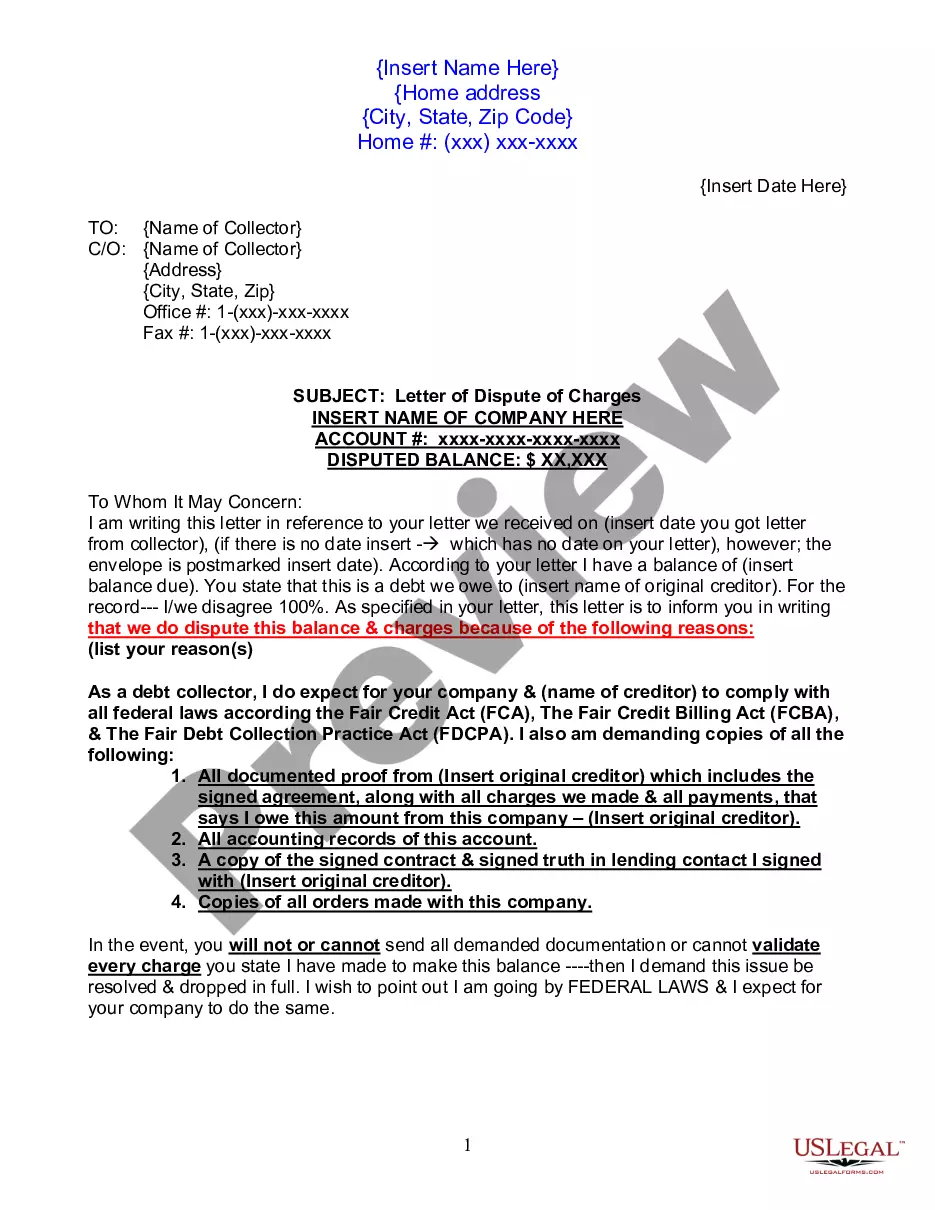
Austin Texas Complaint for malicious prosecution
Description







Form popularity
FAQ
Proving malicious intent in an Austin Texas Complaint for malicious prosecution is indeed challenging. You must show that the prosecution acted with ill will or improper motives, rather than merely being aggressive in pursuing a case. This requires a thorough examination of the circumstances surrounding the prosecution, often necessitating a detailed legal strategy for success.
Dealing with malicious prosecution starts with consulting a skilled attorney who can help you file an Austin Texas Complaint for malicious prosecution. They will guide you in gathering the necessary evidence, establishing your case, and navigating the legal process. Remember, timely action is essential to ensure your rights are protected and to hold any responsible parties accountable.
In an Austin Texas Complaint for malicious prosecution, the burden of proof lies with the plaintiff. You must present clear and convincing evidence to support your claim that the prosecution was initiated without probable cause and with malice. This standard can be challenging, underscoring the importance of legal guidance to navigate your complaint effectively.
To win an Austin Texas Complaint for malicious prosecution, you need to establish several key elements. These include showing the initiation of a legal action, that the claim was resolved in your favor, and that there was a lack of probable cause for the original prosecution. Additionally, demonstrating the prosecutor’s malicious intent is crucial to validate your claims.
To prove vindictive prosecution in an Austin Texas Complaint for malicious prosecution, you must show that the prosecution acted out of spite or personal hostility. Evidence may include patterns of behavior by the prosecutor, prior knowledge of the accused's circumstances, and any overtly hostile statements made. Collecting sufficient documentation and witness testimonies can strengthen your case and highlight the lack of legitimate grounds for the prosecution.
Using precise and assertive language in your complaint can bolster its effectiveness. Words like 'defendant', 'plaintiff', 'malicious', and 'negligent' accurately describe legal concepts. When drafting your Austin Texas Complaint for malicious prosecution, focus on clarity and specificity. Strong wording can enhance the overall impact of your complaint.
For your complaint, gather evidence that directly relates to your allegations. This could include emails, text messages, or official reports that demonstrate the malicious prosecution. An Austin Texas Complaint for malicious prosecution requires strong proof, so compile as much relevant information as possible. Thorough documentation will help you present a compelling case.
In your complaint, provide relevant facts, dates, and any witness information that supports your claim. Include evidence such as documents, photographs, or recordings that substantiate your allegations. Having a well-documented Austin Texas Complaint for malicious prosecution strengthens your case and aids in convincing authorities. The more robust your evidence, the better your chances of a favorable outcome.
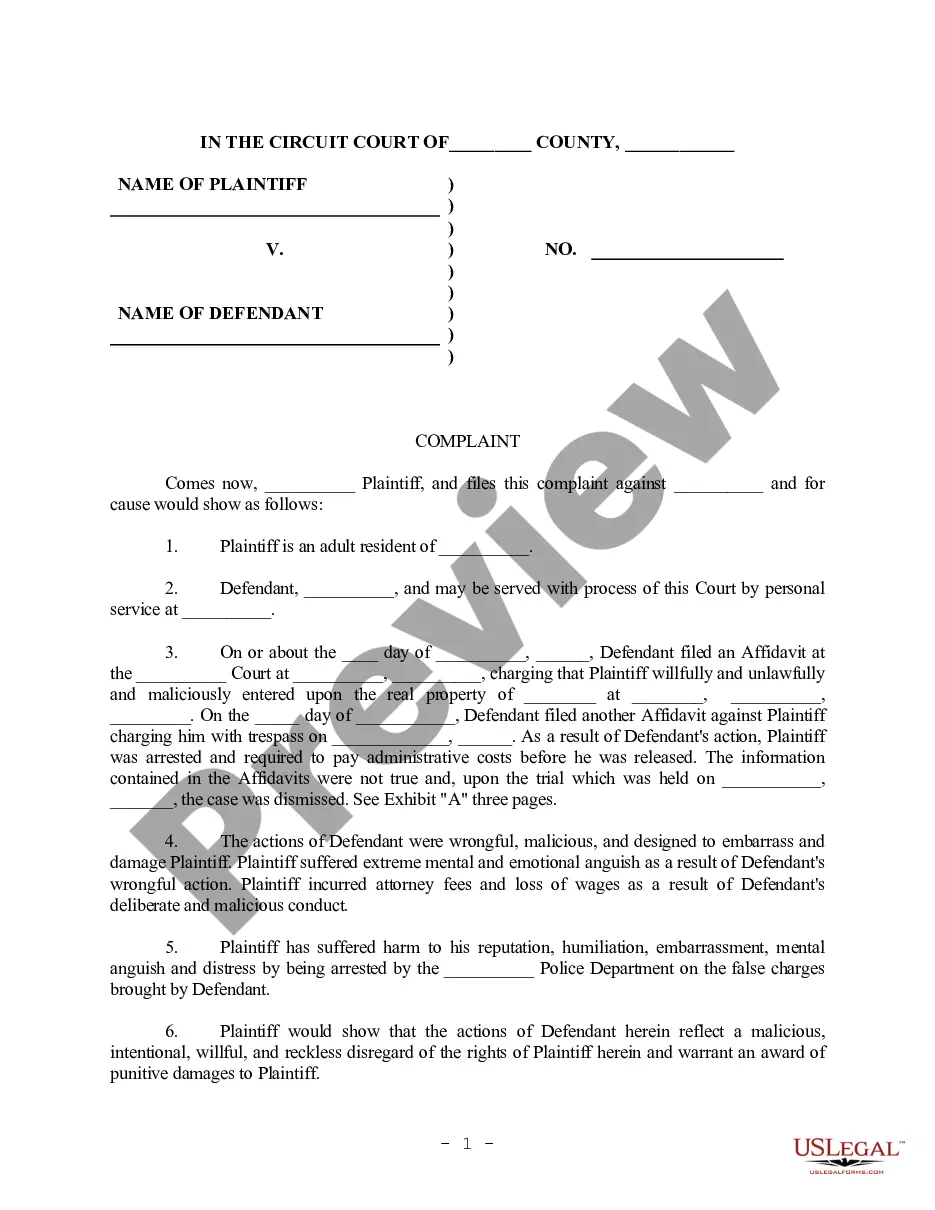
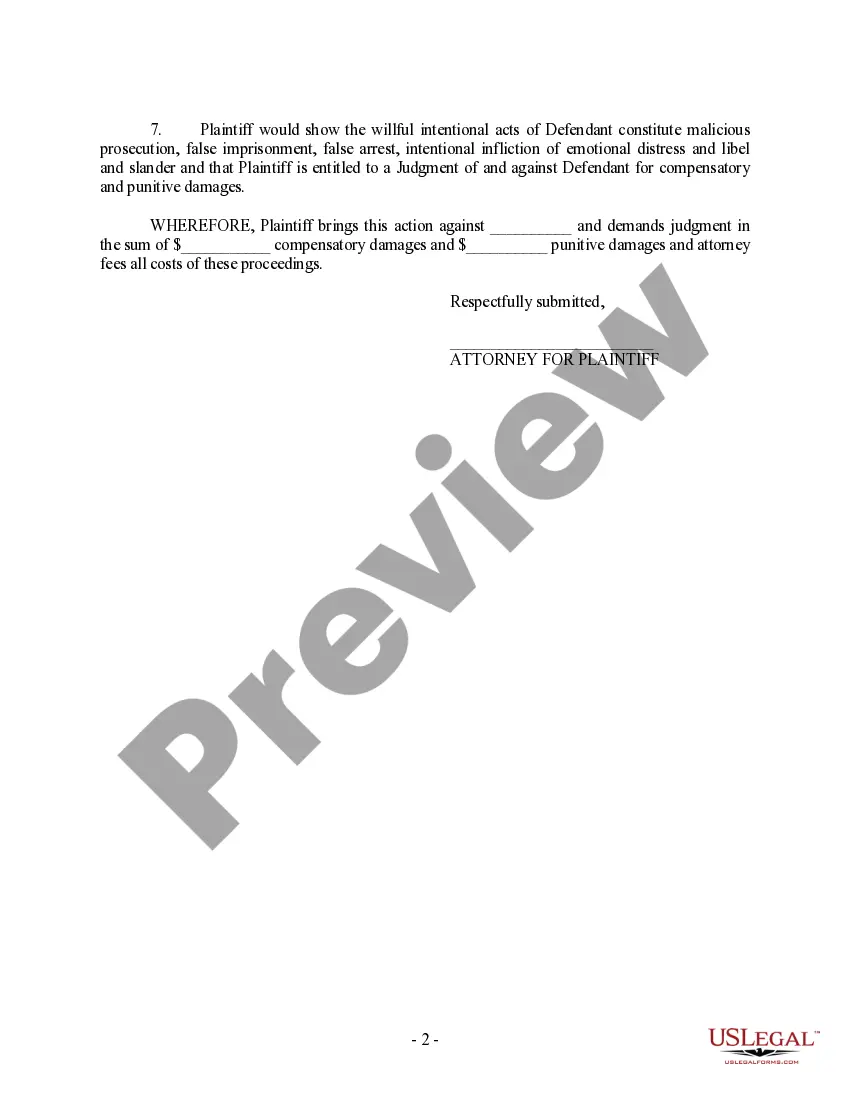
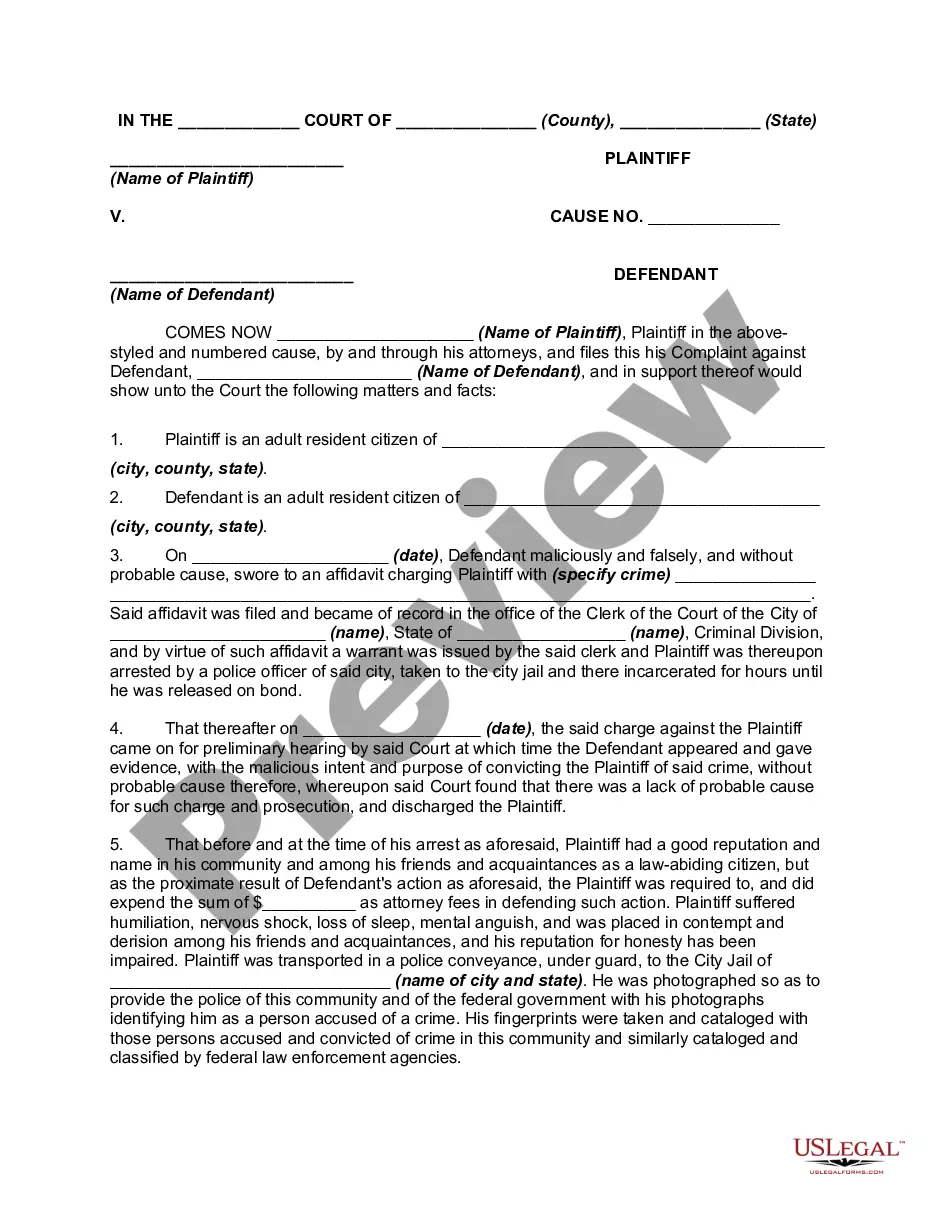
A legal complaint must clearly outline the parties involved, the basis of your claims, and the relief you seek. Ensure your complaint adheres to local court rules and includes necessary documentation. Crafting a precise Austin Texas Complaint for malicious prosecution requires you to detail the alleged wrongful act and the harm it caused. This clarity is essential for a successful legal process.
Before making a complaint, consider the nature of your allegation and the potential consequences of your action. Reflect on whether the situation meets the standard for an Austin Texas Complaint for malicious prosecution. It's also vital to think about your desired outcome and whether the complaint will achieve that goal. Proper preparation can lead to a more effective resolution.