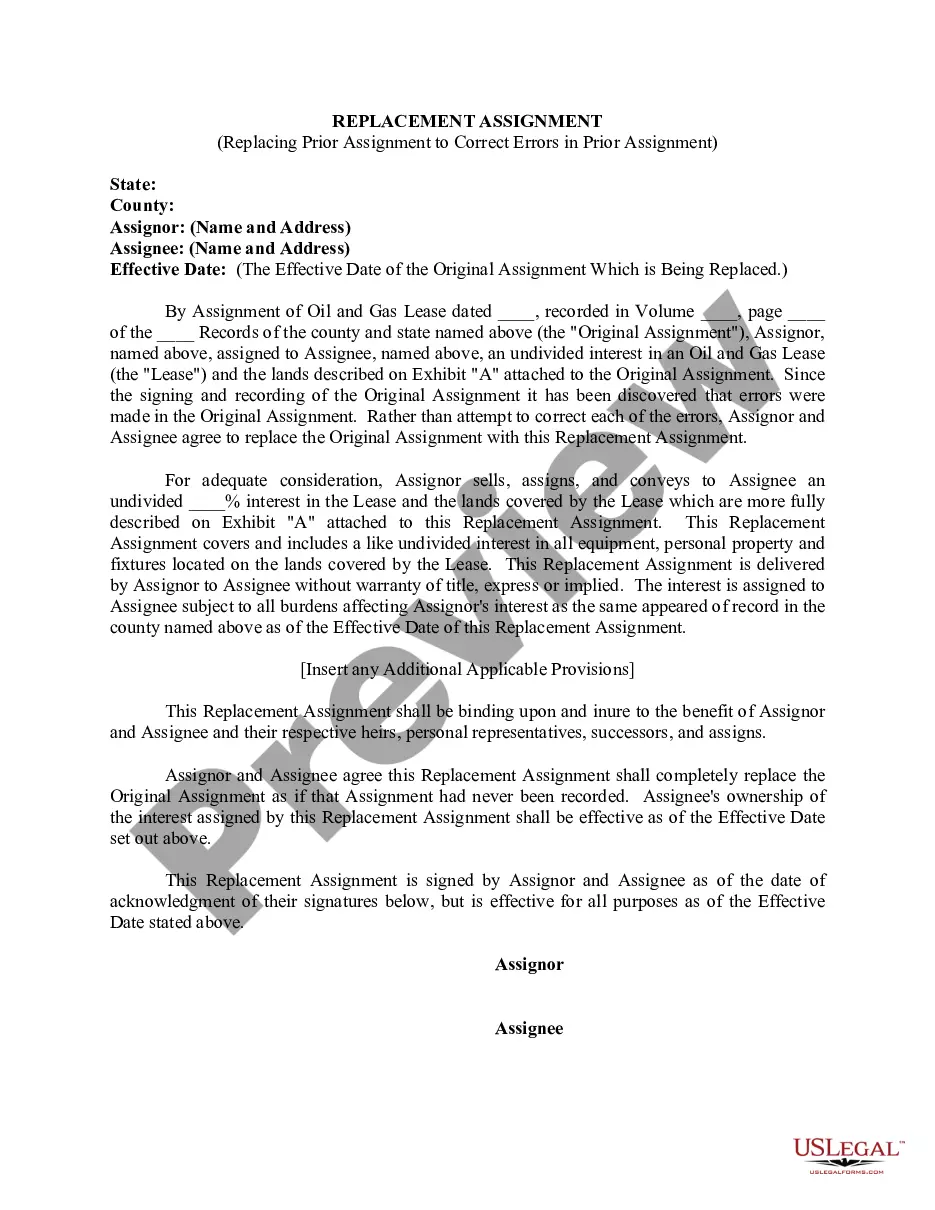
Gilbert Arizona Complaint for Damages and Declaratory Judgment
Description









Form popularity
FAQ
Yes, you can sue for emotional distress in Arizona, including in cases arising from a Gilbert Arizona Complaint for Damages and Declaratory Judgment. However, you must establish that the distress was severe and that the defendant's actions were intentional or negligent. Seeking legal guidance can help you navigate this process effectively.
When writing a written answer to a Gilbert Arizona Complaint for Damages and Declaratory Judgment, ensure you follow the proper format and adhere to all legal requirements. Clearly restate each allegation of the complaint, followed by your response. This organized structure helps the court understand your stance and increases the effectiveness of your defense.
A written response to a Gilbert Arizona Complaint for Damages and Declaratory Judgment should start with a heading that includes relevant case information. Then, address each allegation specifically, providing your position on each point. Incorporating supportive facts can bolster your defense and clarify your perspective.
To craft an answer to a Gilbert Arizona Complaint for Damages and Declaratory Judgment, start by reviewing the complaint's allegations. Respond directly to each claim by clearly stating whether you admit, deny, or lack enough information to respond. Each answer should be concise and organized, which helps articulate your defense clearly.
Rule 7.1 of the Arizona Rules of Civil Procedure outlines the requirements for filing motions and responses to motions, including the necessity for a notice and statement of the party’s interest. It ensures that all parties in a Gilbert Arizona Complaint for Damages and Declaratory Judgment have an opportunity to respond appropriately. Familiarizing yourself with this rule can help you navigate your legal options effectively.
Using strong and precise language in a Gilbert Arizona Complaint for Damages and Declaratory Judgment can strengthen your case. Consider using terms such as 'assert', 'demand', and 'allege' to clearly convey your position. This creates a compelling narrative and underscores the seriousness of your claims.
When composing a response letter to a Gilbert Arizona Complaint for Damages and Declaratory Judgment, begin by formally addressing the court. Clearly state your position regarding the claims against you and provide any supporting details. It is advisable to be professional and straightforward, as this can positively impact your case.
In a Gilbert Arizona Complaint for Damages and Declaratory Judgment, standard responses may include admitting, denying, or stating insufficient knowledge about the allegations presented. Each response must be clear and specific. It’s essential to address each claim properly to avoid liability and ensure the court understands your position.
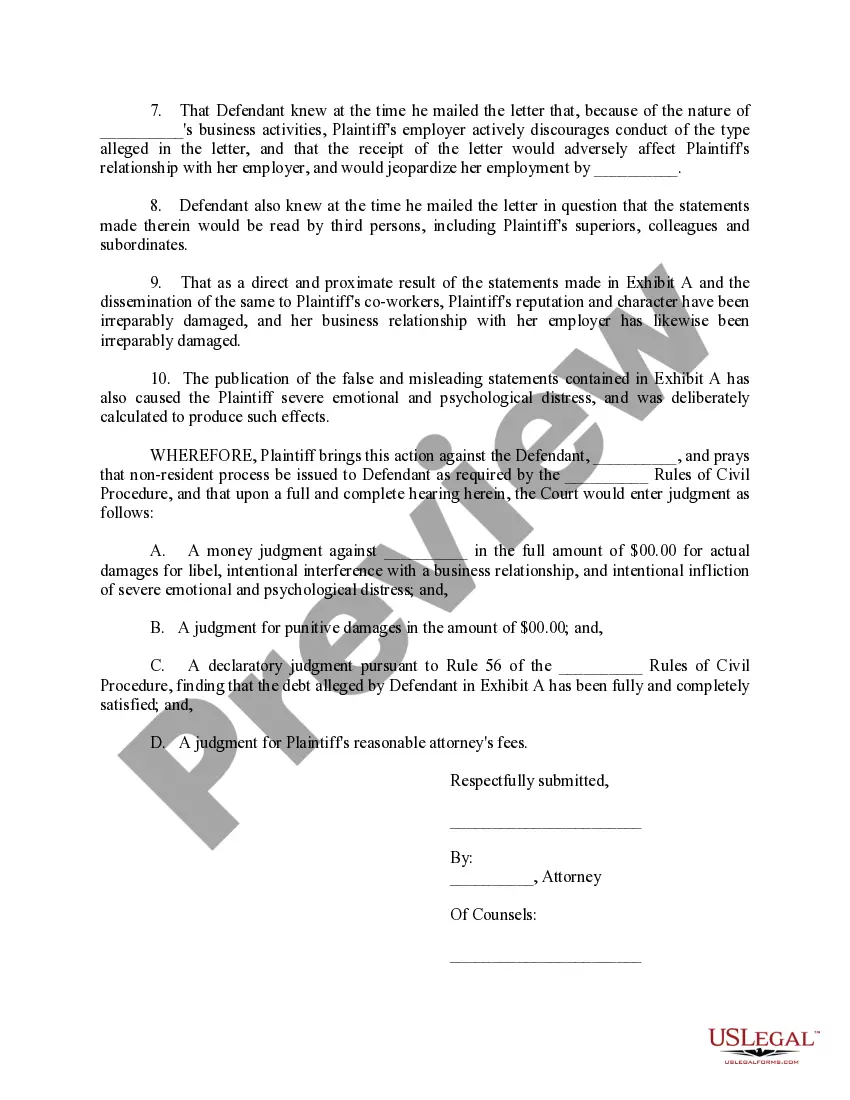
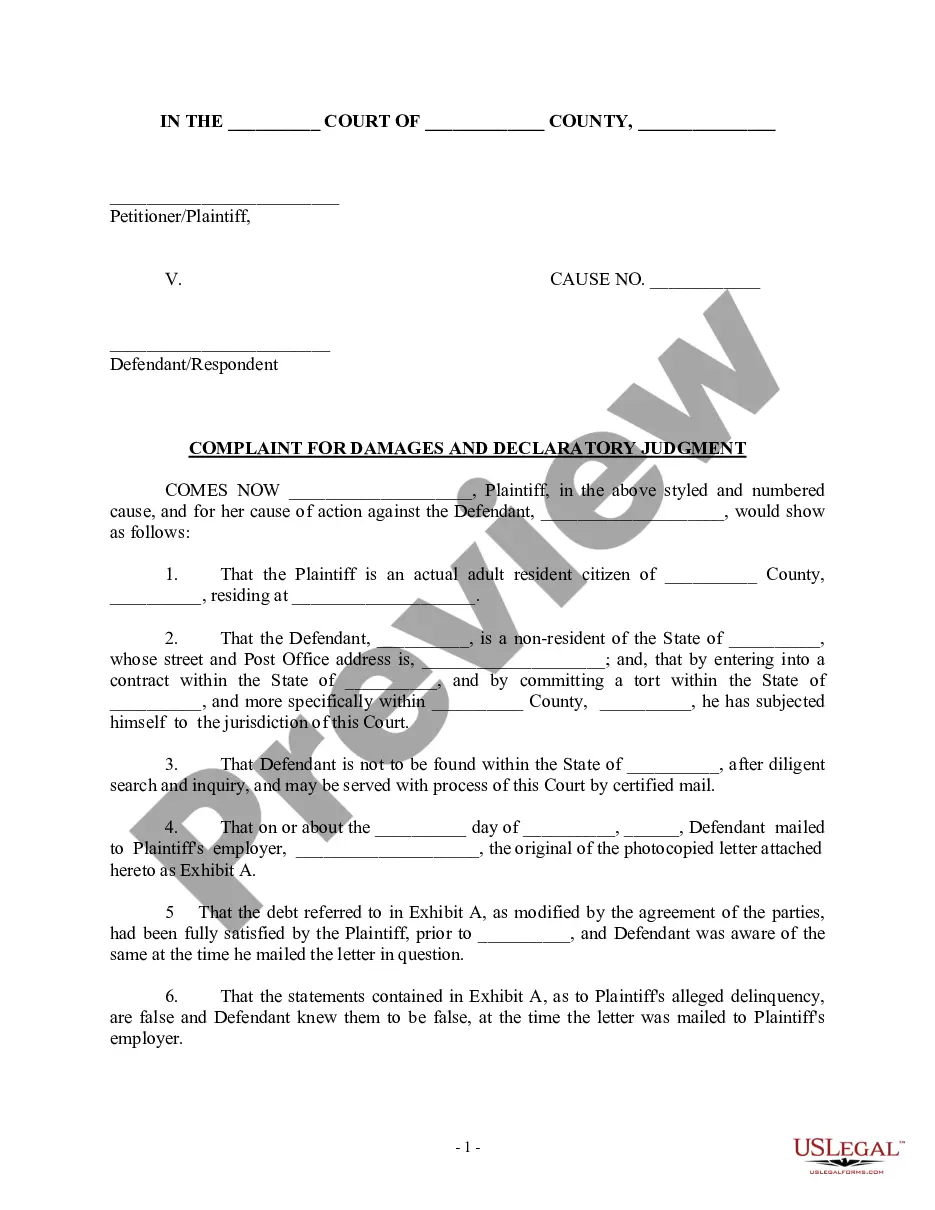
A complaint for damages outlines a legal claim where a person seeks compensation for harm suffered due to another's actions. In the scope of Gilbert Arizona Complaint for Damages and Declaratory Judgment, it addresses specific losses and demands restitution. This formal request sets the stage for seeking justice and resolving disputes in a legal manner.
After a declaratory judgment, the court's ruling clarifies the legal rights of the parties involved. This judgment may lead to further actions, such as settlement negotiations or enforcement of the court's decision. Understanding the implications of a Gilbert Arizona Complaint for Damages and Declaratory Judgment is essential for effectively moving forward.