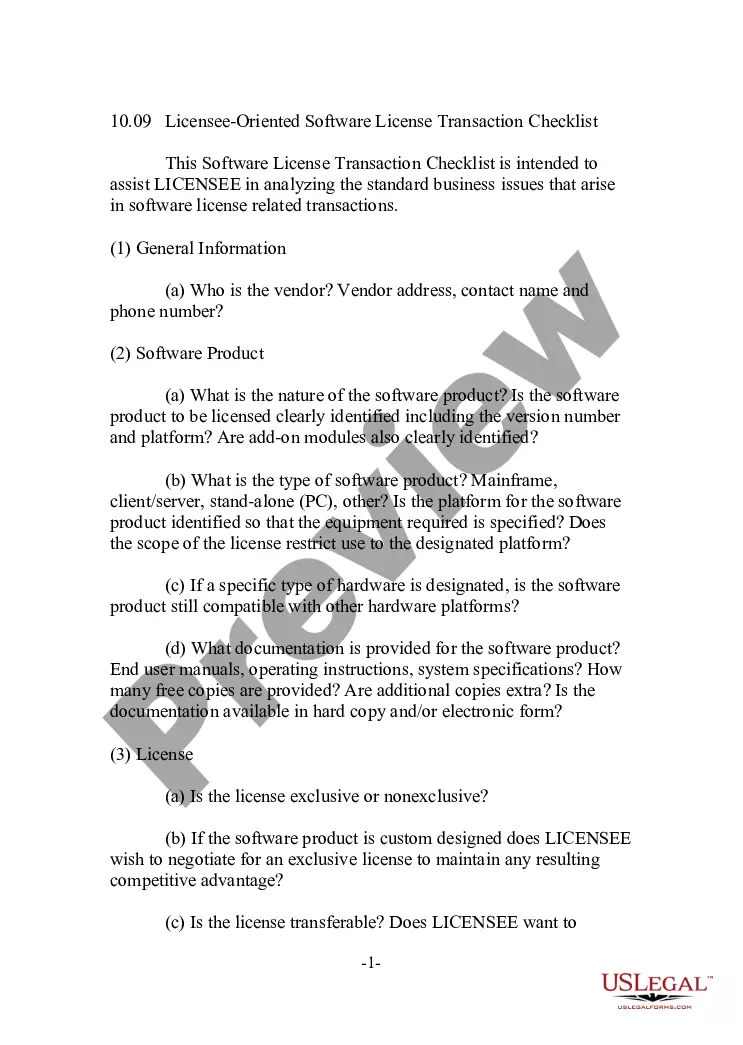
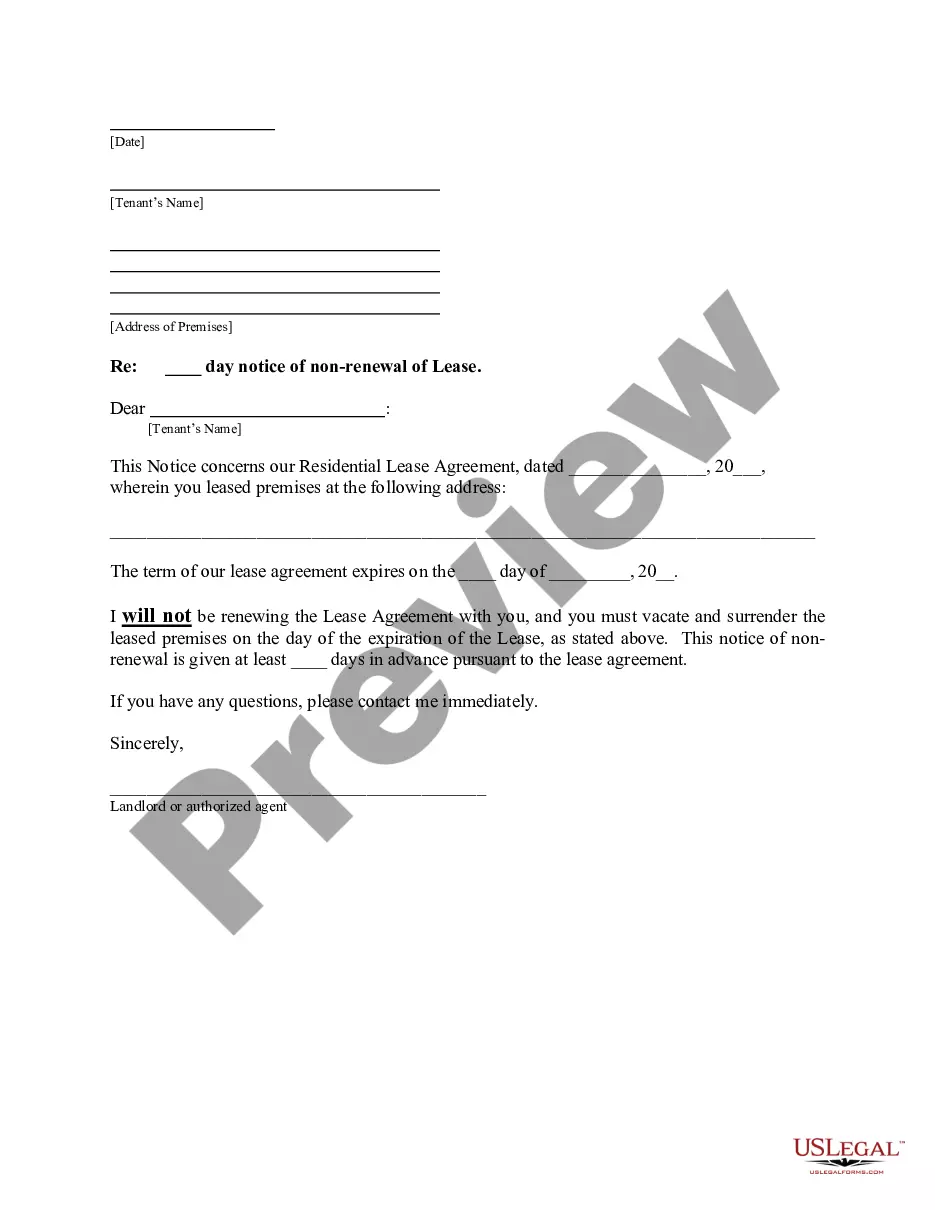
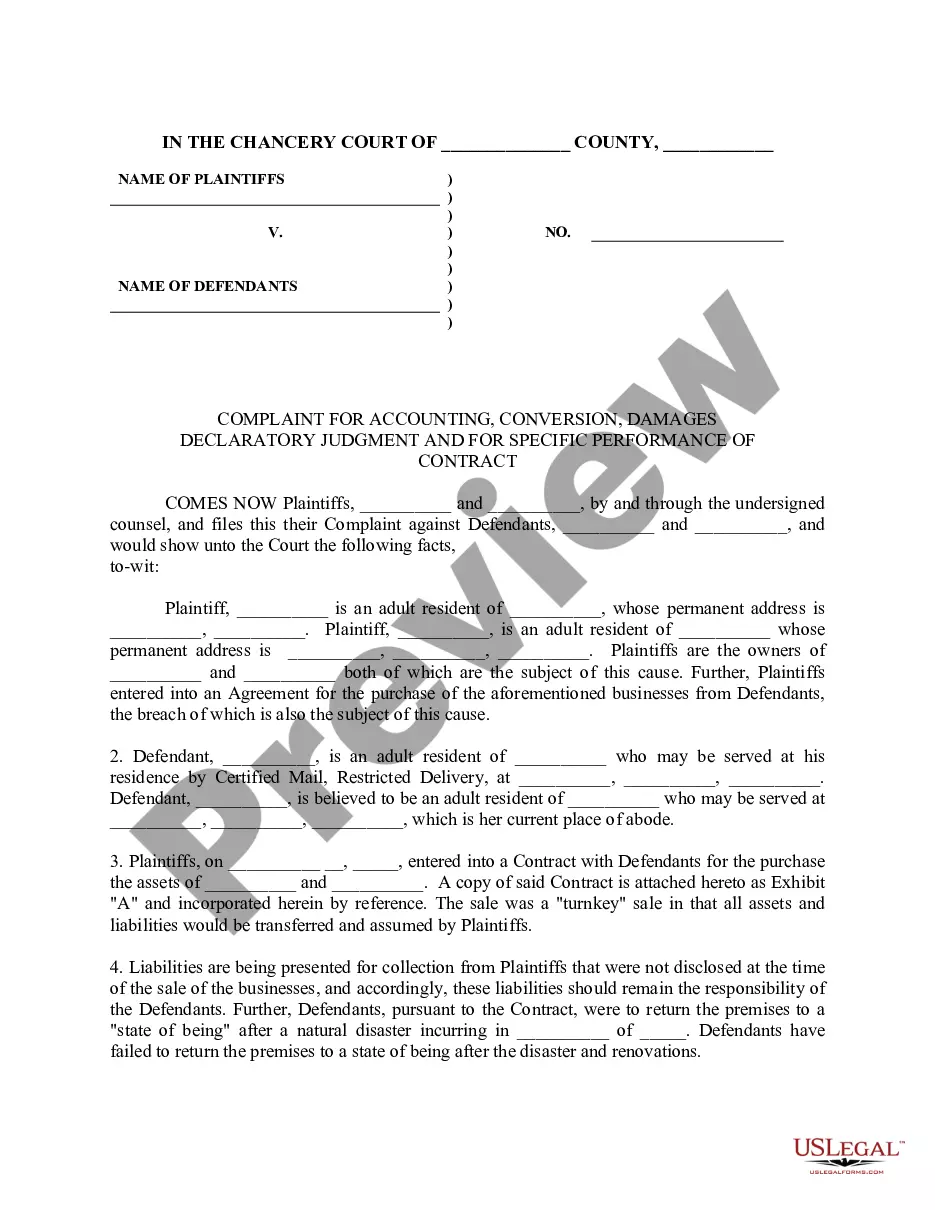
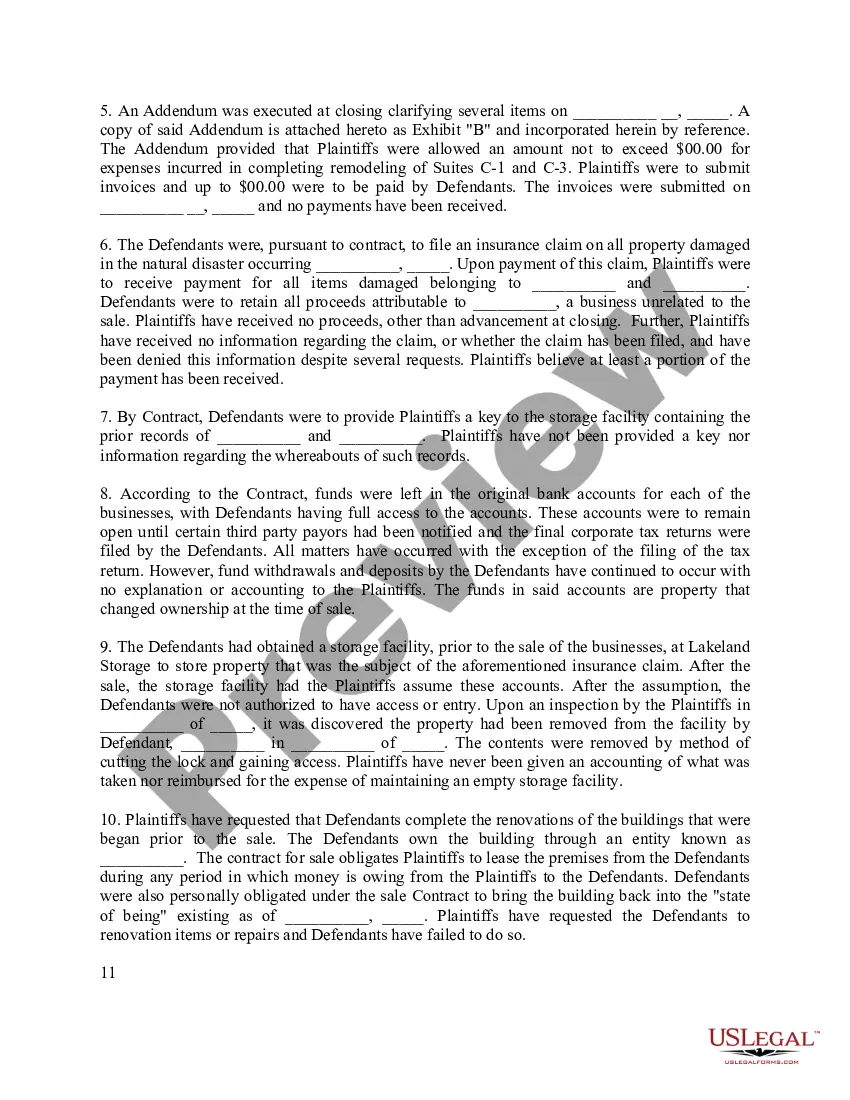
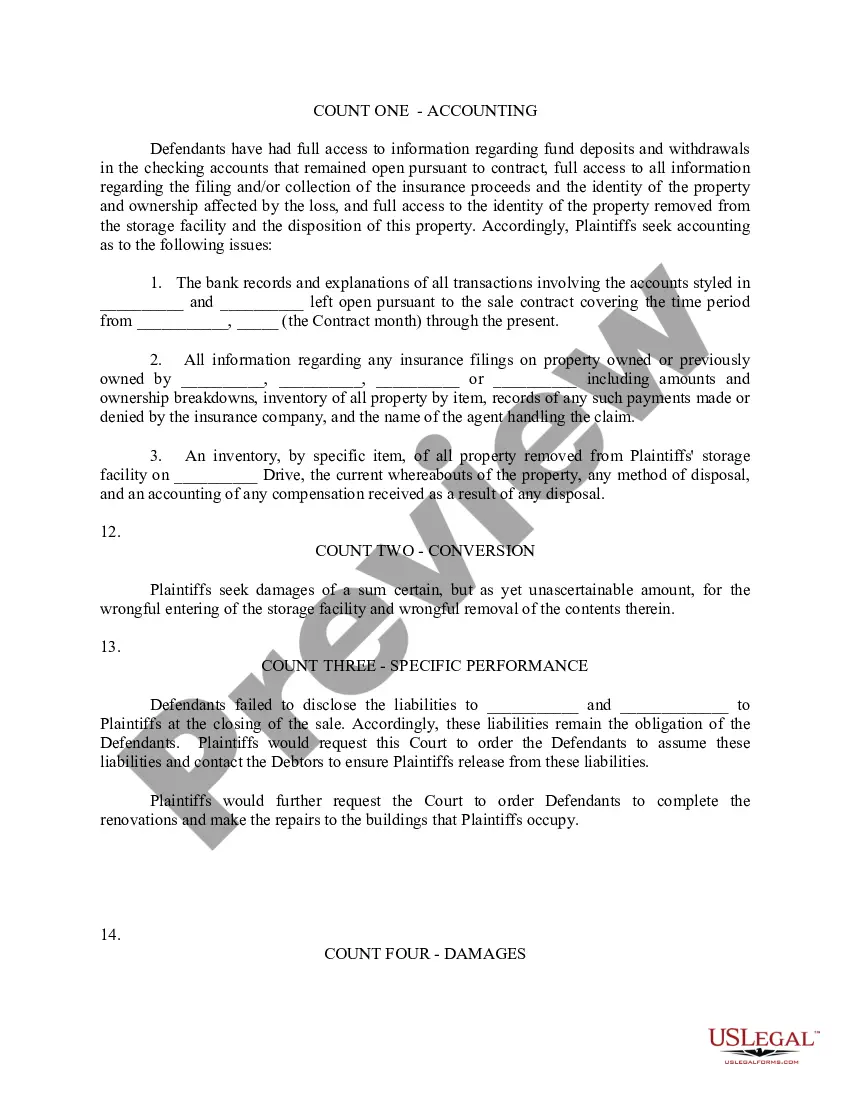
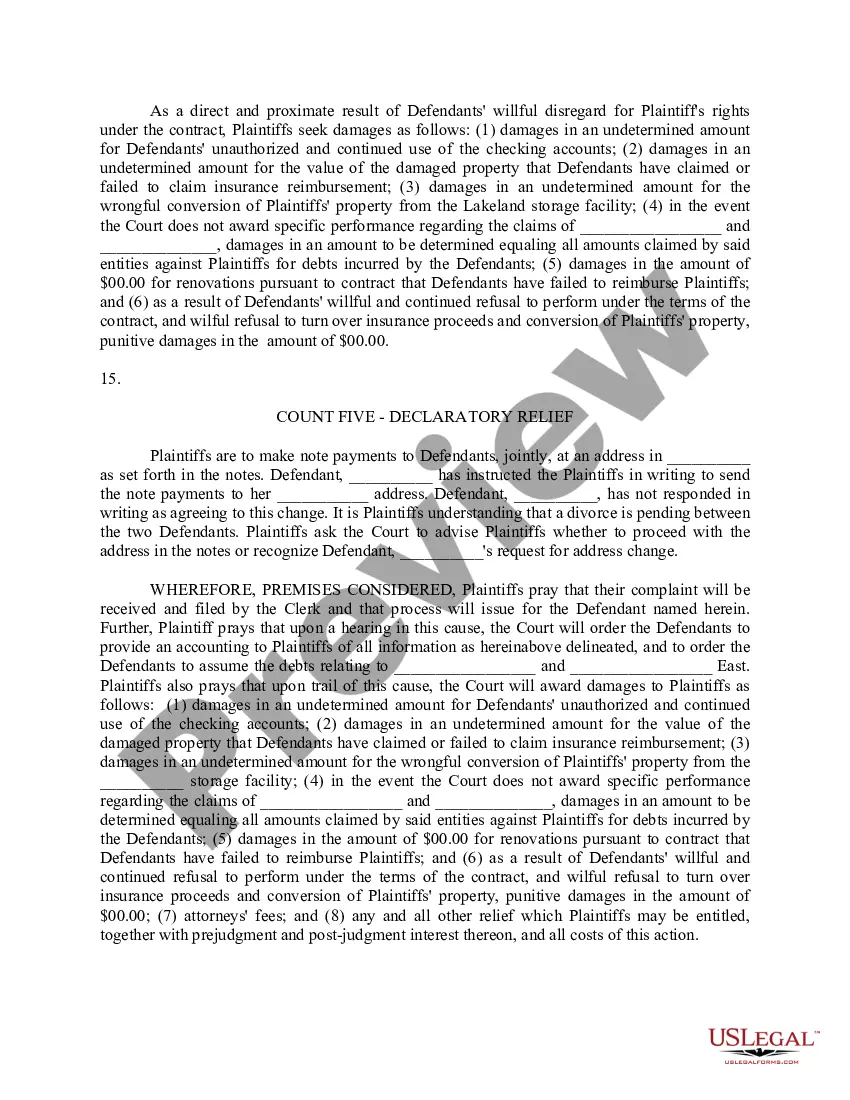
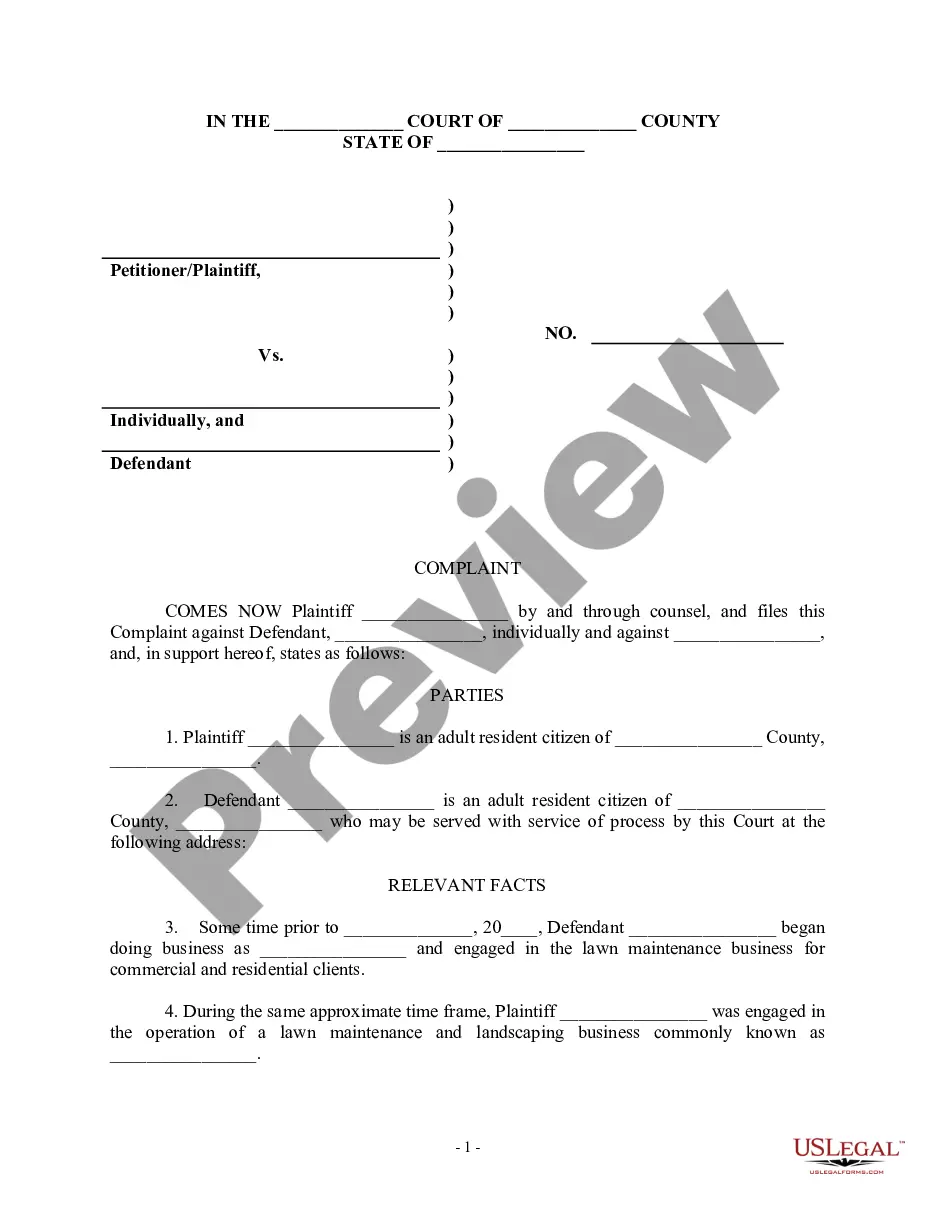
Aurora Colorado Complaint for Accounting, Conversion, Damages Declaratory Judgment and for Specific
Description


Form popularity
FAQ
A Rule 69 hearing in Colorado is a legal proceeding where a creditor seeks to enforce a judgment by examining the debtor's financial condition. In the context of an Aurora Colorado Complaint for Accounting, Conversion, Damages Declaratory Judgment and for Specific, this hearing can reveal assets available for judgment satisfaction. During this hearing, the creditor can request information regarding income, property, and any other financial resources of the debtor. Participation in a Rule 69 hearing can significantly enhance a creditor's chances of recovering owed funds.
Examples under Rule 69 include the procedures for obtaining a writ of execution to seize property to satisfy a judgment in an Aurora Colorado Complaint for Accounting, Conversion, Damages Declaratory Judgment and for Specific. Another example is the process for conducting a debtor's examination, where the creditor can question the debtor about their financial situation to discover non-exempt assets. Additionally, garnishment actions are also part of Rule 69, allowing creditors to collect debts directly from third parties. These actions illustrate how Rule 69 provides essential mechanisms for enforcing court orders.
To obtain a declaratory judgment in an Aurora Colorado Complaint for Accounting, Conversion, Damages Declaratory Judgment and for Specific, you must demonstrate a legal controversy that requires resolution. This means showing that you have a substantial interest in the outcome and that the matter is ripe for adjudication. Furthermore, the court must have jurisdiction over the parties involved and the subject matter. Ultimately, you need to present clear, unambiguous evidence that supports your request.
Making a formal complaint involves outlining your issue clearly and providing necessary details. Start by identifying the responsible party and providing information such as dates, transactions, and specific grievances. You can submit your complaint to relevant authorities, such as the Better Business Bureau or local agencies. For a structured approach, consider using US Legal Forms to draft an Aurora Colorado Complaint for Accounting, Conversion, Damages Declaratory Judgment and for Specific.
To file a complaint against a business in Colorado, you should start by gathering all essential documents related to your complaint. This includes any contracts, receipts, or correspondence. After that, visit the Colorado Secretary of State's website or your local district court to find the appropriate forms. If you need additional guidance, US Legal Forms provides templates and resources to assist you in creating an Aurora Colorado Complaint for Accounting, Conversion, Damages Declaratory Judgment and for Specific.
It is appropriate to bring a declaratory judgment action when there is uncertainty about the legal rights and obligations between parties. Specifically, in the context of an Aurora Colorado Complaint for Accounting, Conversion, Damages Declaratory Judgment and for Specific, this could occur when parties are facing disputes over financial obligations or property rights. Taking this action can clarify disputes before they escalate and often saves time and resources.
A complaint for declaratory judgment serves as a mechanism for a party to ask the court for an official interpretation of legal standings. In the framework of an Aurora Colorado Complaint for Accounting, Conversion, Damages Declaratory Judgment and for Specific, it encourages resolution and clarity. Through this process, parties can understand their legal positions and avoid future disputes.
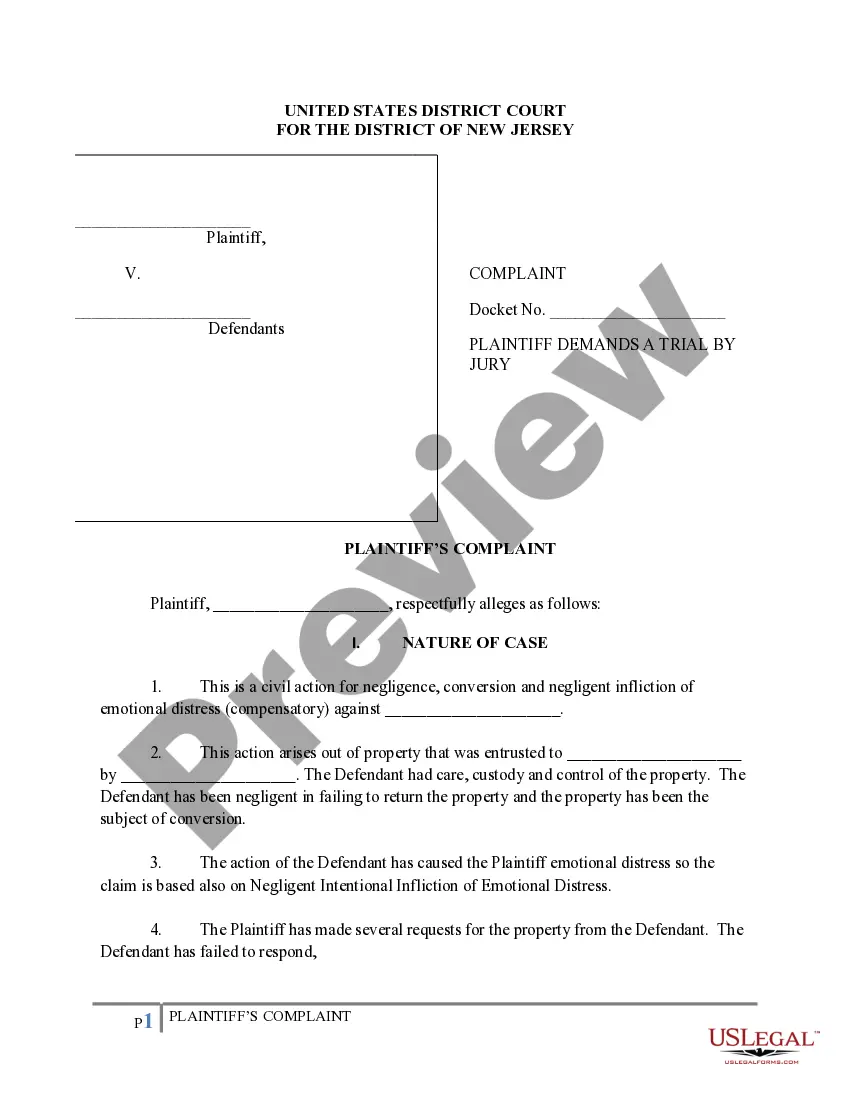
A complaint for declaratory judgment is a legal filing that seeks a court's determination on the rights of parties involved in a dispute. In an Aurora Colorado Complaint for Accounting, Conversion, Damages Declaratory Judgment and for Specific, the filing requests the court to clarify obligations or rights before any further action is taken. This type of complaint is useful for preventing further conflicts and provides a clear legal direction.
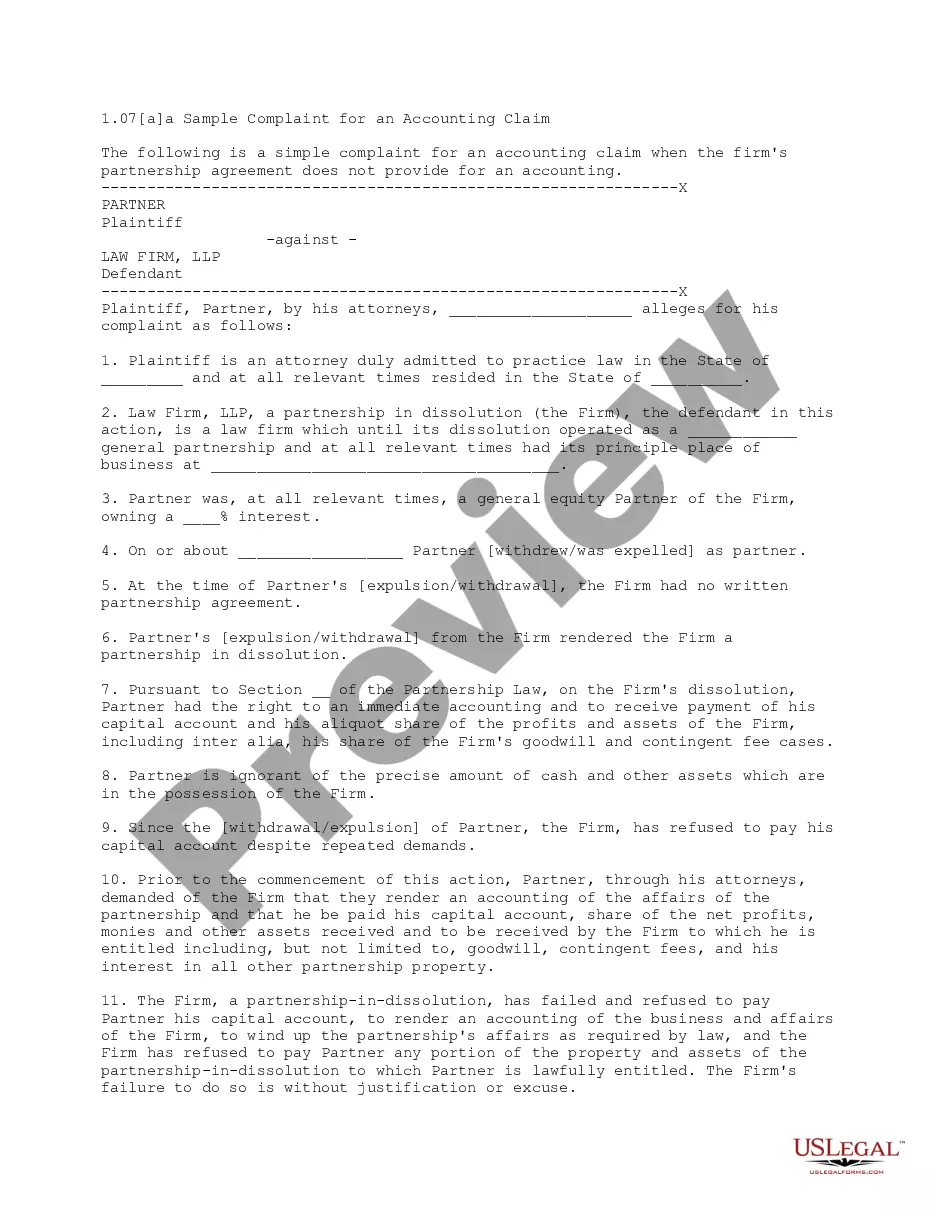
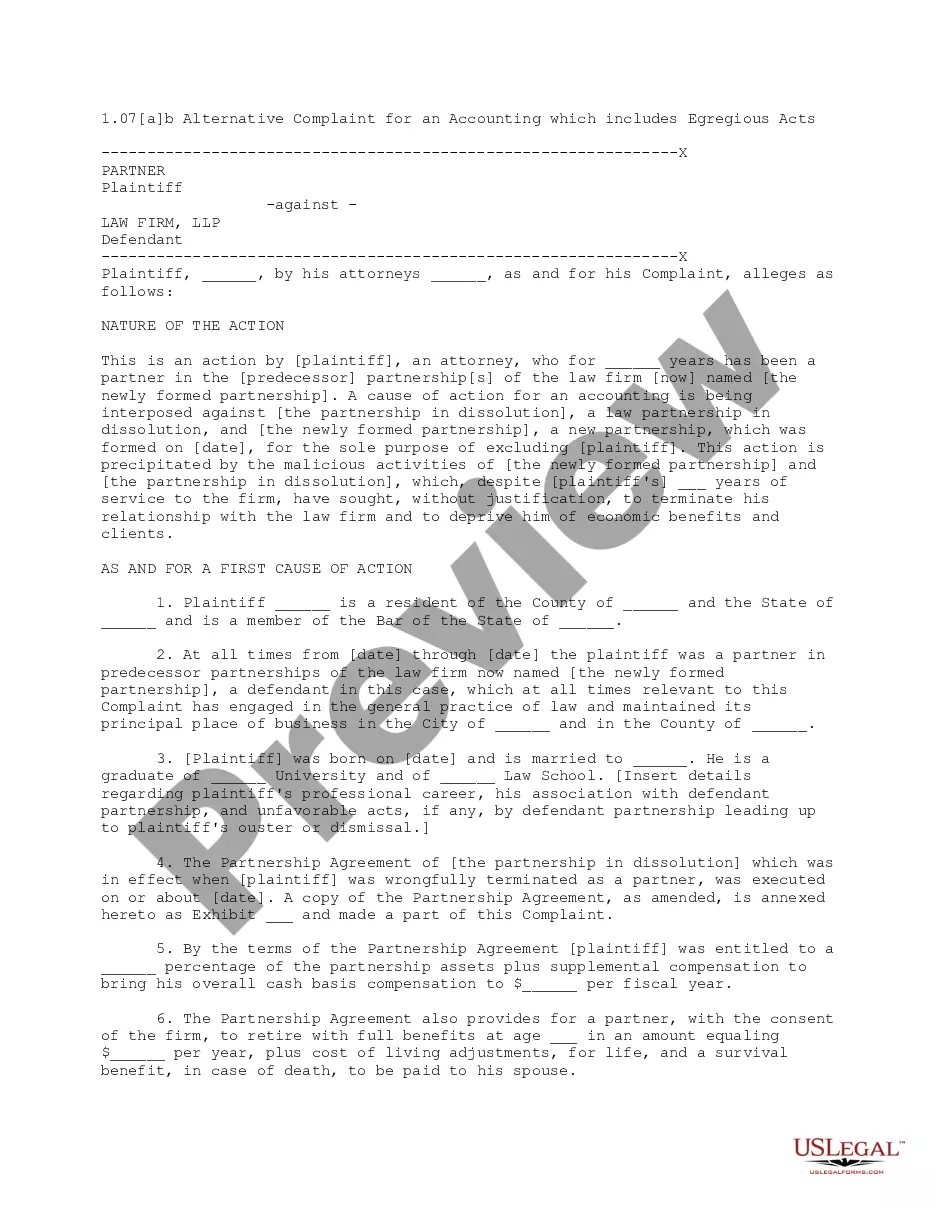
The actual controversy in a declaratory judgment involves a genuine dispute between parties that requires resolution. In the context of an Aurora Colorado Complaint for Accounting, Conversion, Damages Declaratory Judgment and for Specific, this means that one party seeks clarity on their legal rights or obligations regarding a specific matter. A declaratory judgment helps prevent uncertainties and potential future litigation by defining the issue at hand.
Filing a complaint with the Department of Regulatory Agencies (DORA) in Colorado involves submitting a completed complaint form detailing your issue. Make sure your complaint is related to your Aurora Colorado Complaint for Accounting, Conversion, Damages Declaratory Judgment, and for Specific, as this will help in directing your concern appropriately. Use US Legal Forms for easily accessible templates that can assist in preparing your complaint for DORA.