Atlanta Georgia Stipulation for Dismissal
Description






Form popularity
FAQ
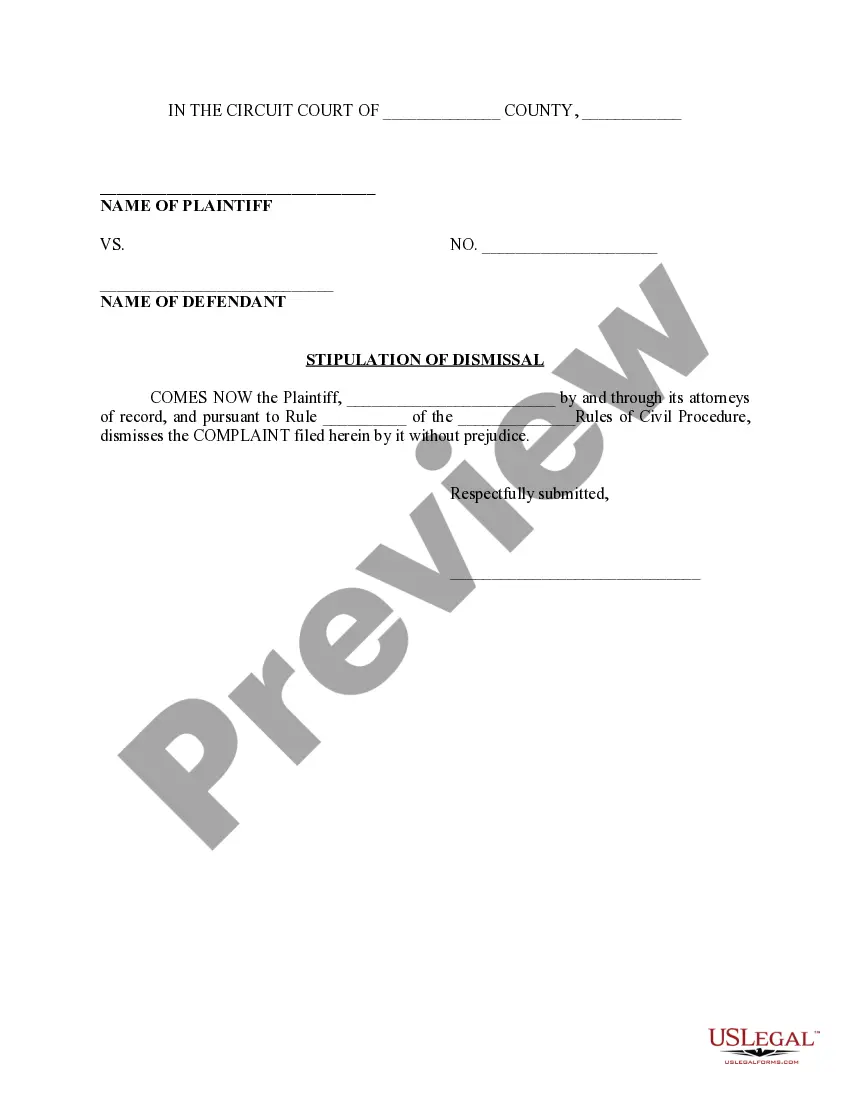
A stipulation for dismissal is a legal document that allows parties in a lawsuit to agree on the dismissal of a case. In the context of Atlanta Georgia Stipulation for Dismissal, this document can help you conclude a case without going to trial. It typically requires both parties to consent to the terms, ensuring that the dismissal is mutual. Using a platform like US Legal Forms can simplify the process by providing the necessary templates and guidance.
A stipulated motion to dismiss is a legal document filed in court where both parties agree to dismiss the case, usually outlining the terms of the dismissal. This motion can expedite the process and reduce court costs since no further hearing is necessary. When parties settle on an Atlanta Georgia Stipulation for Dismissal, they can clearly define responsibilities and prevent future disputes. Using resources like USLegalForms can help you draft this motion accurately and efficiently, ensuring compliance with Georgia laws.
You should file a motion to dismiss in Georgia as soon as you identify valid reasons for dismissal, such as insufficient evidence or legal defects in the complaint. Timing is crucial, as any delays may weaken your argument. Typically, you must submit the motion before the opposing party responds to your case. An understanding of the Atlanta Georgia Stipulation for Dismissal can help you determine the best moment to file and avoid complications later in the process.
To get a case dismissed in Georgia, you can file a motion for dismissal based on a lack of evidence, procedural errors, or various legal grounds. It is essential to follow the correct procedures and timelines outlined in Georgia law. Utilizing an Atlanta Georgia Stipulation for Dismissal can also streamline the process, as it allows both parties to agree to dismiss the case without further court intervention. If you need assistance, platforms like USLegalForms can provide guidance and necessary forms to facilitate your dismissal.
In Georgia, grounds for a motion to dismiss include lack of jurisdiction, failure to state a claim upon which relief can be granted, and improper service of process. These legal bases aim to protect defendants from facing unfounded claims in court. If you find yourself in need of filing such motions or preparing for a dismissal, consider using the resources available on uslegalforms, as they provide helpful templates and guides tailored to an Atlanta Georgia Stipulation for Dismissal.
A stipulation of dismissal is a legal document that signifies both parties agree to dismiss a case in a mutually acceptable manner. It is often filed to conclude the litigation process without prejudice, allowing the plaintiff to potentially refile in the future. Utilizing an Atlanta Georgia Stipulation for Dismissal can help you settle disputes amicably and efficiently, making it a beneficial option for many.
The two term rule in Georgia refers to the requirement that a plaintiff must bring their case to trial within two terms of court if they choose not to file a Stipulation for Dismissal. If the case does not go to trial within these two terms, the court may dismiss it. This rule helps maintain efficiency in the judicial system, making it crucial to understand when dealing with an Atlanta Georgia Stipulation for Dismissal.
The two-dismissal rule in Georgia indicates that if a case is voluntarily dismissed twice, the plaintiff loses the right to refile the same claim against the same defendant. This rule is designed to streamline court proceedings and prevent delay tactics. If you are navigating dismissals in Atlanta, Georgia, it is advisable to consult legal resources to ensure you follow the correct procedure when using a Stipulation for Dismissal.
In Georgia, the two-dismissal rule means that if a plaintiff voluntarily dismisses their case twice, they cannot refile the same case. This rule aims to prevent misuse of the judicial system by limiting repetitive actions that could burden the court. Understanding this rule is crucial when considering an Atlanta Georgia Stipulation for Dismissal, as it influences how and when you can proceed with your case.