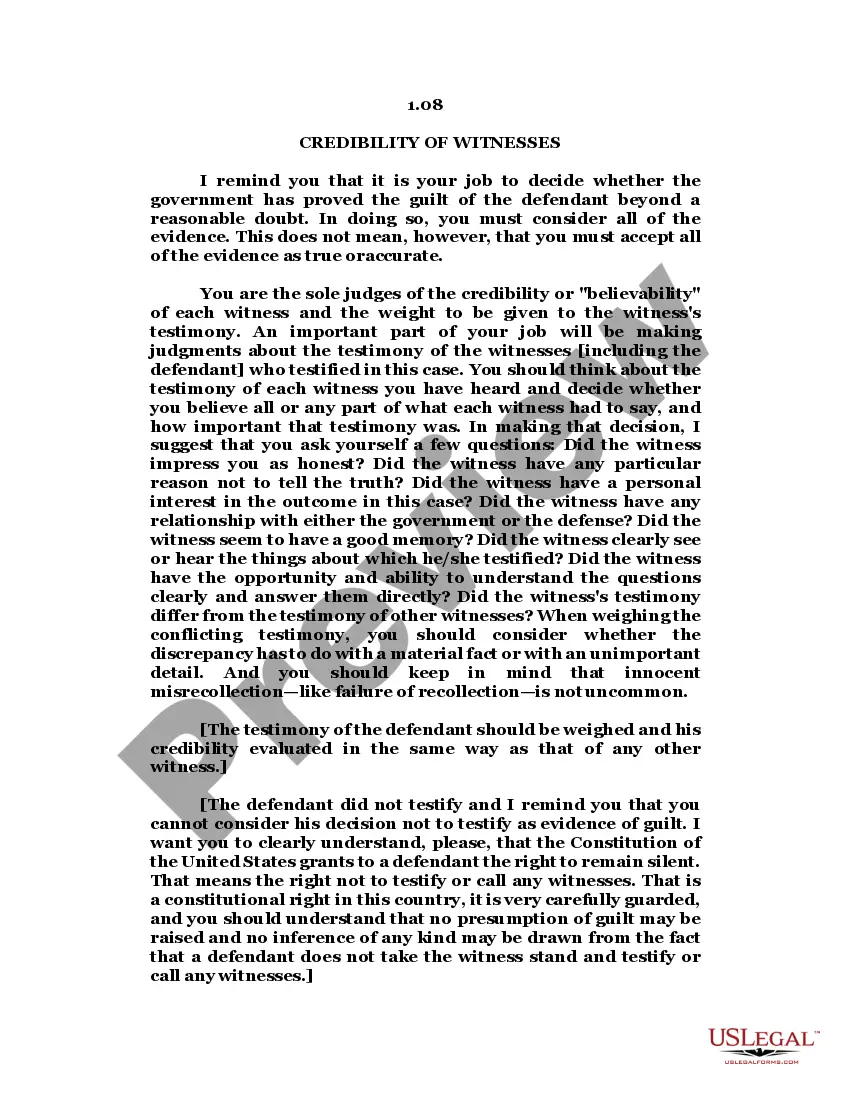
Atlanta Georgia Requests for Admissions
Description




Form popularity
FAQ
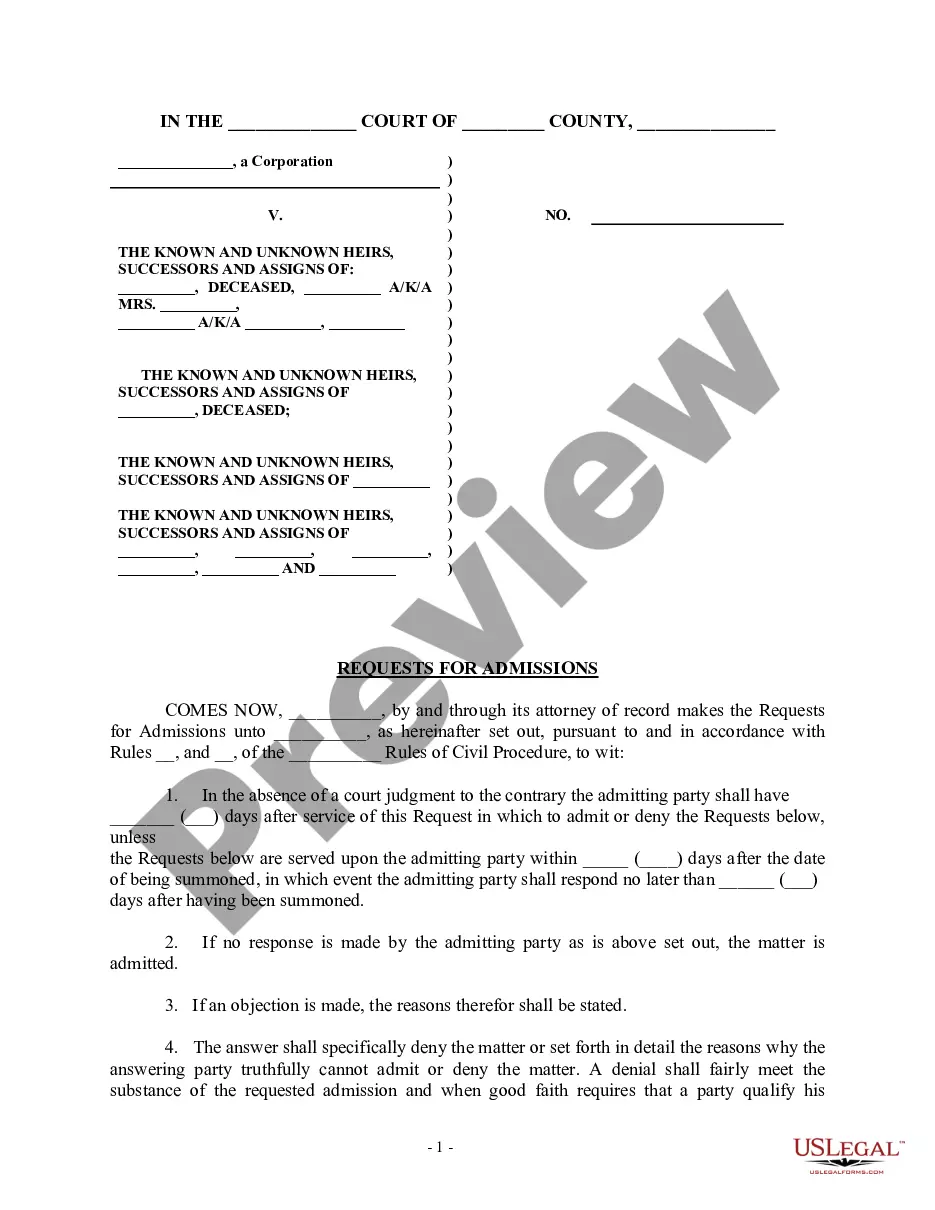
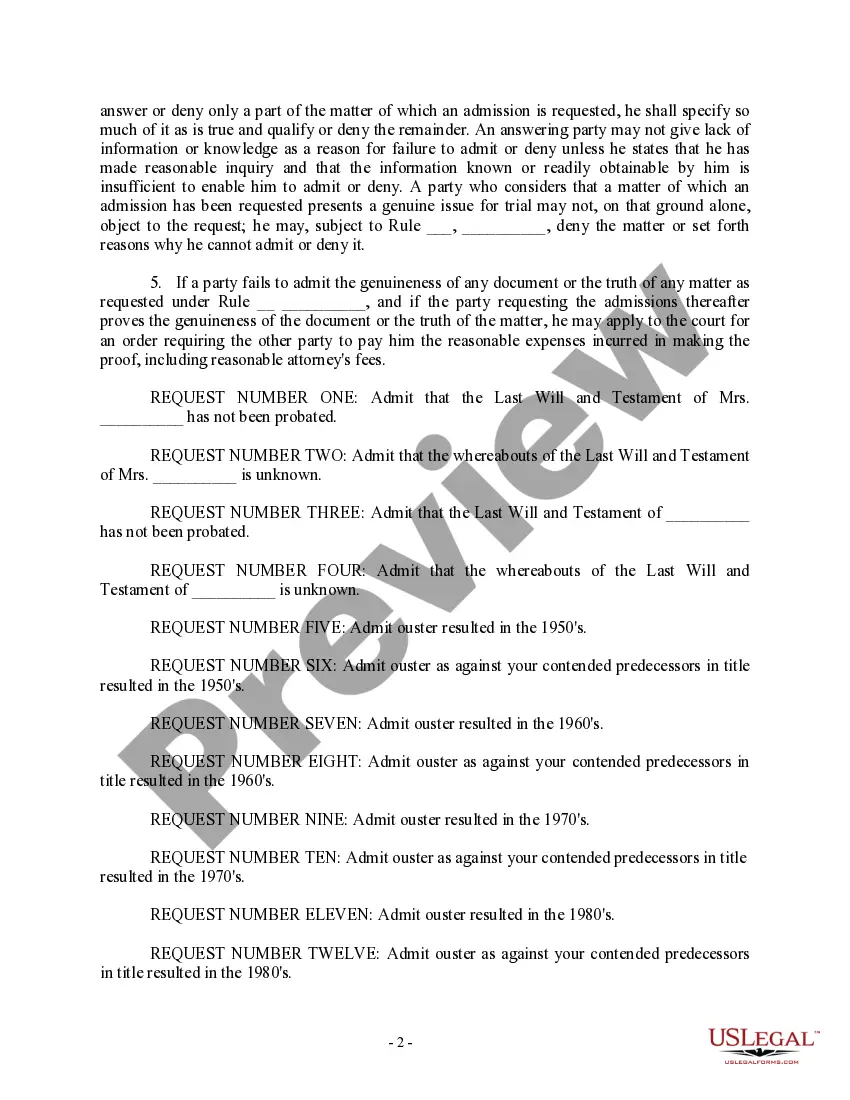
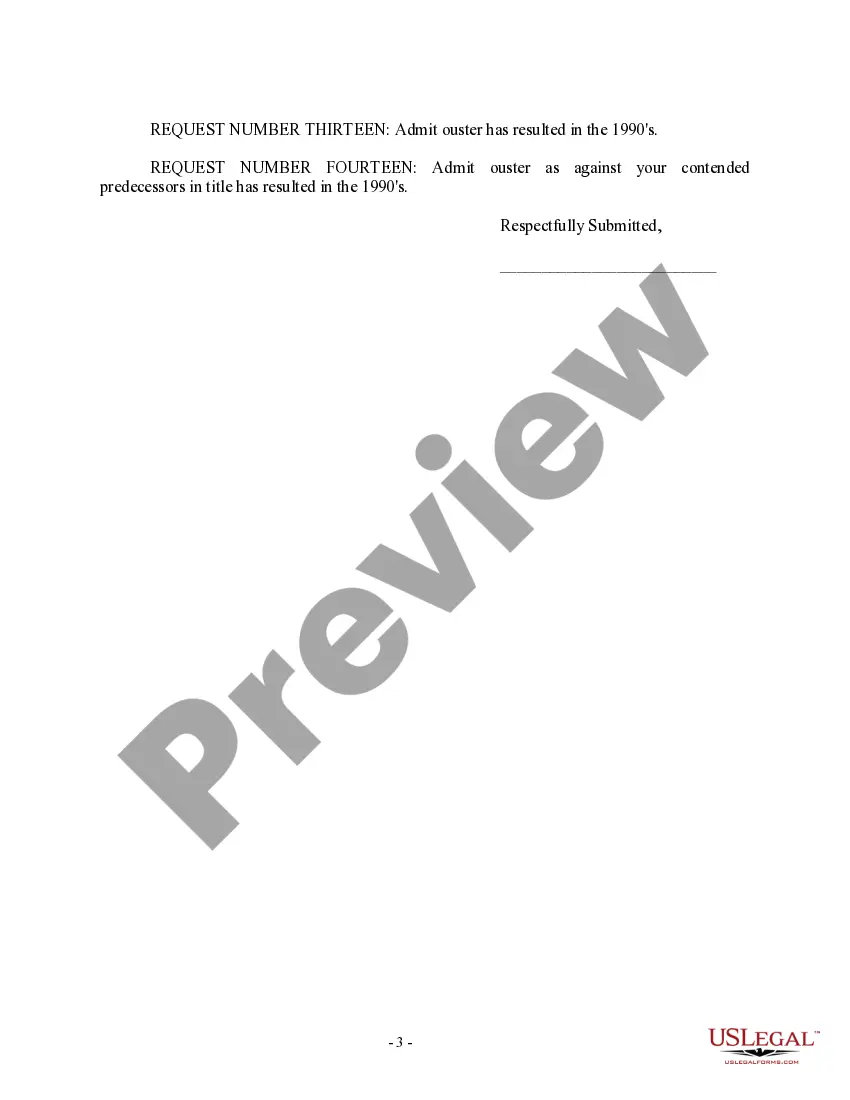
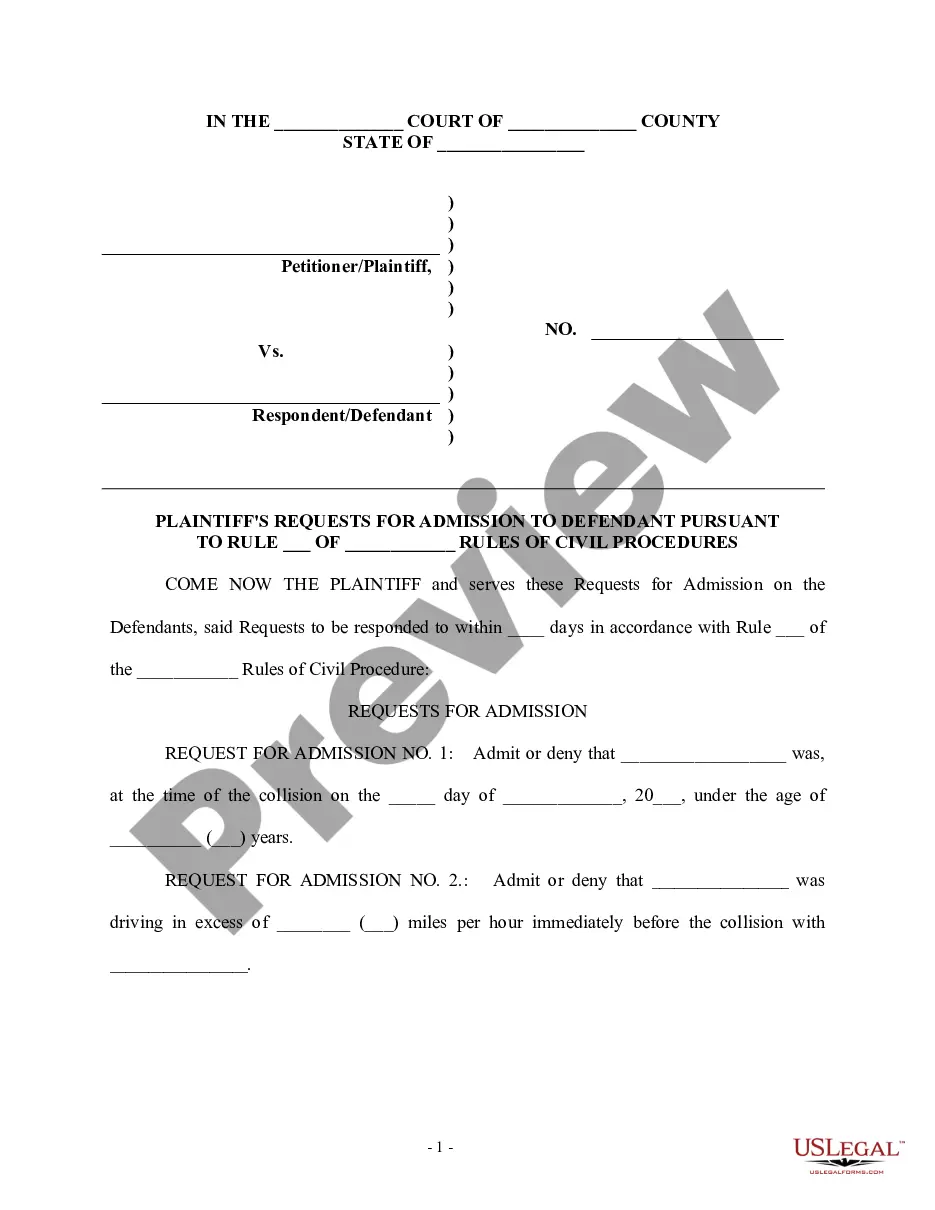
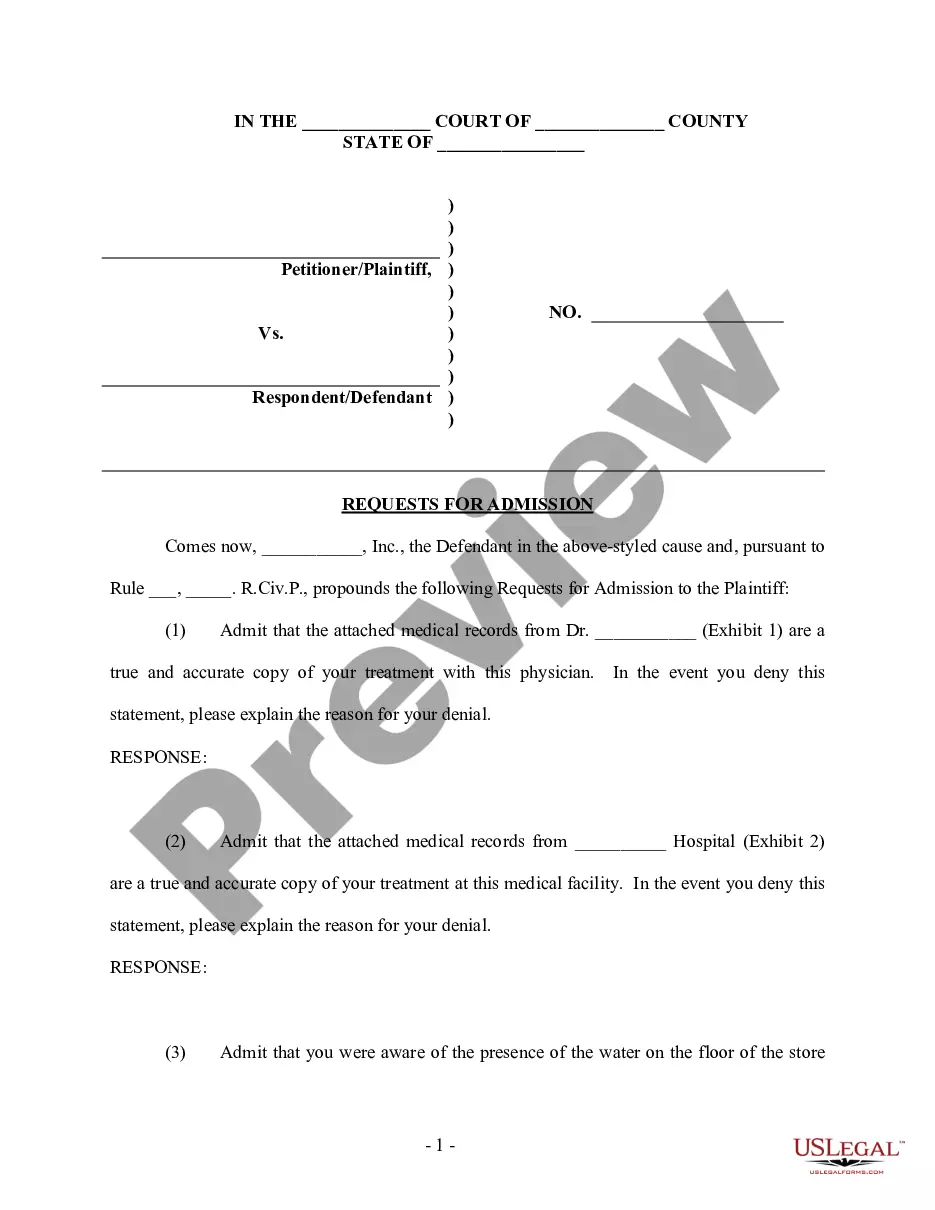
Rule 36 of the Georgia Rules of Civil Procedure governs requests for admission in legal proceedings. This rule allows a party to ask another party to admit the truth of any matter that is relevant to the case. Such admissions can significantly reduce the issues to be proven at trial, saving time and costs. USLegalForms provides easy access to detailed information and templates that ensure your Atlanta Georgia Requests for Admissions comply with Rule 36.
In Georgia, parties are typically allowed to send up to 30 requests for admission without court approval. This rule encourages efficient communication between parties and helps streamline the discovery process. If you find yourself needing more than the standard amount, you can always seek the court's permission. Using USLegalForms could make this entire process smoother, as it offers helpful templates tailored for Atlanta Georgia Requests for Admissions.
Drafting effective requests for admission involves clarity and precision. Start with simple statements that are either true or false, ensuring they are relevant to the case at hand. It's beneficial to avoid ambiguous language, as this can lead to misunderstandings and disputes. For additional guidance, you might find the USLegalForms platform invaluable, providing templates and tools designed for Atlanta Georgia Requests for Admissions.
In Georgia, the limit on requests for admission is generally set by the number of requests allowed under Rule 36 of the Georgia Rules of Civil Procedure. Typically, a party can serve up to 30 requests for admissions without needing approval from the court. This limit helps maintain the efficiency of the legal process. For your specific case, consider utilizing the USLegalForms platform, which offers resources to help you navigate these rules effectively.
In Texas, requests for admission do not require verification before they are sent. This is similar to the federal approach, allowing parties to streamline their litigation process. However, it is essential to craft these requests carefully to promote clear communication in your case. If you are managing Atlanta Georgia Requests for Admissions or similar issues in Texas, USLegalForms offers resources that can help you navigate this landscape effortlessly.
Generally, you do not need to verify requests for admission before sending them. The responding party is required to answer or object, but verification is not part of the process. If you find yourself in the midst of Atlanta Georgia Requests for Admissions, consider utilizing a platform like USLegalForms for guidance and templates. This can aid in ensuring your requests are both valid and effective.
Federally, requests for admissions do not require verification by the individual sending them. Instead, they are treated as important statements of fact that the other party must respond to. If you are dealing with Atlanta Georgia Requests for Admissions, you should focus on crafting clear and concise requests to ensure accurate responses. Proper handling of these requests can lead to a stronger position in your legal matters.
The federal rule for requests for admission is outlined in Rule 36 of the Federal Rules of Civil Procedure. This rule allows parties to request that the opposing party admit the truth of certain facts, simplifying the trial process. Essentially, the court views these requests as a tool to establish uncontested facts, thereby promoting efficiency in litigation. For those navigating Atlanta Georgia Requests for Admissions, understanding this rule can streamline your case.
When writing requests for admissions in Atlanta Georgia, clarity is essential. Start with a concise statement of the fact you want confirmed or denied, ensuring it is specific and unambiguous. Use simple language and focus each request on individual facts to avoid confusion. For assistance, you might consider using a platform like uslegalforms to access templates and ensure compliance with legal standards.
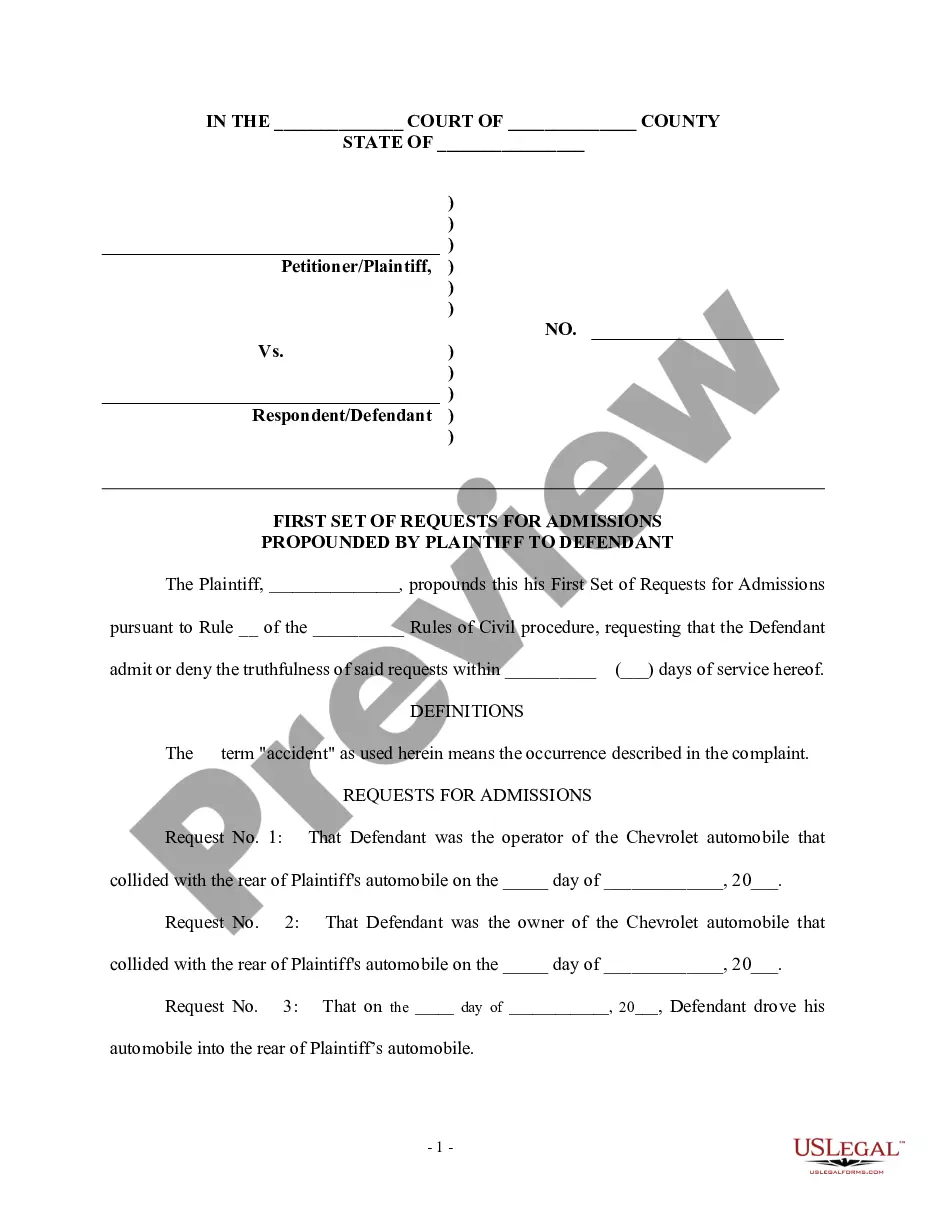
An example of a request for admission in Atlanta Georgia might be, 'Admit that the vehicle involved in the accident was red.' This request prompts the other party to confirm or deny the specific fact. Clear examples like this help identify undisputed points, making the legal process smoother. Formulating precise requests ensures clarity and efficiency in the case.