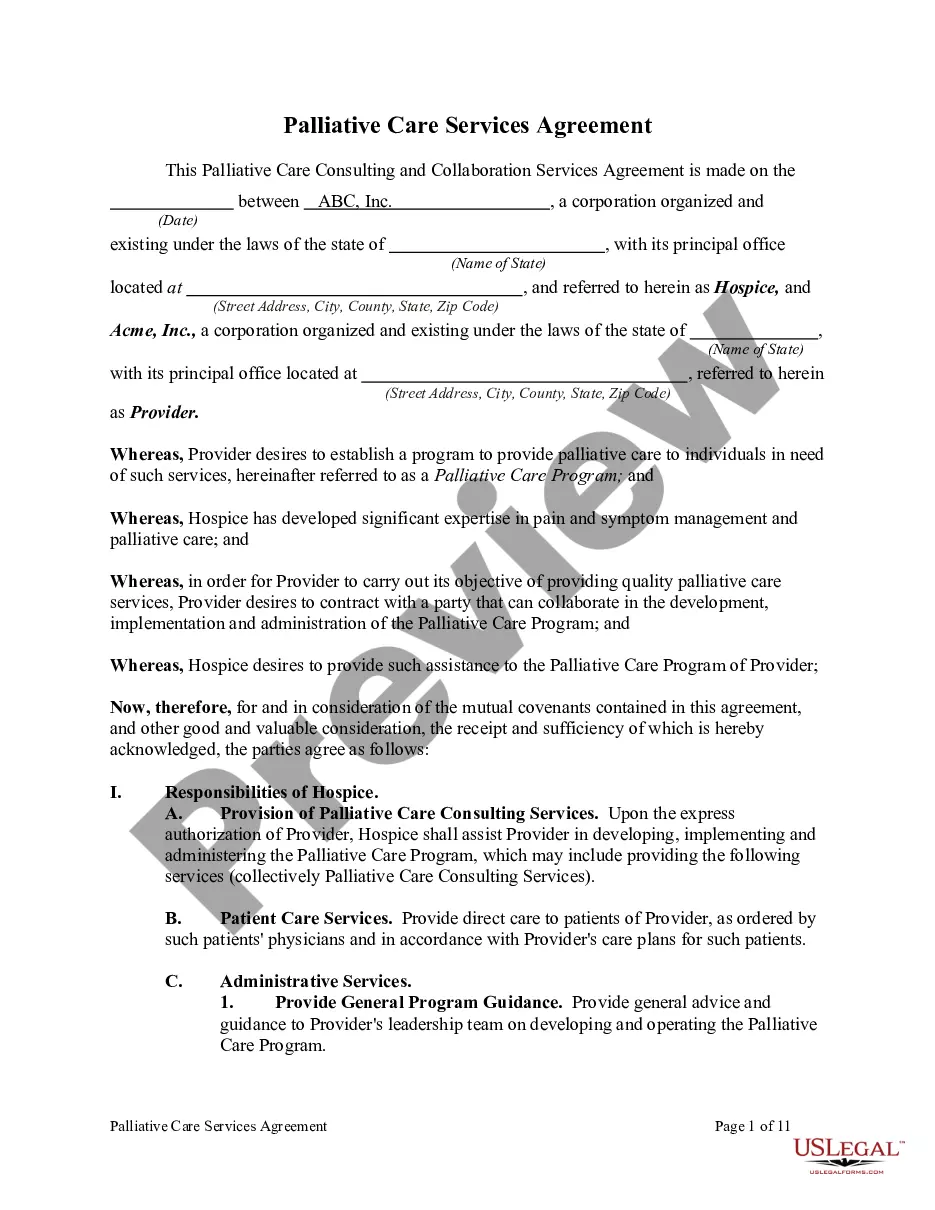
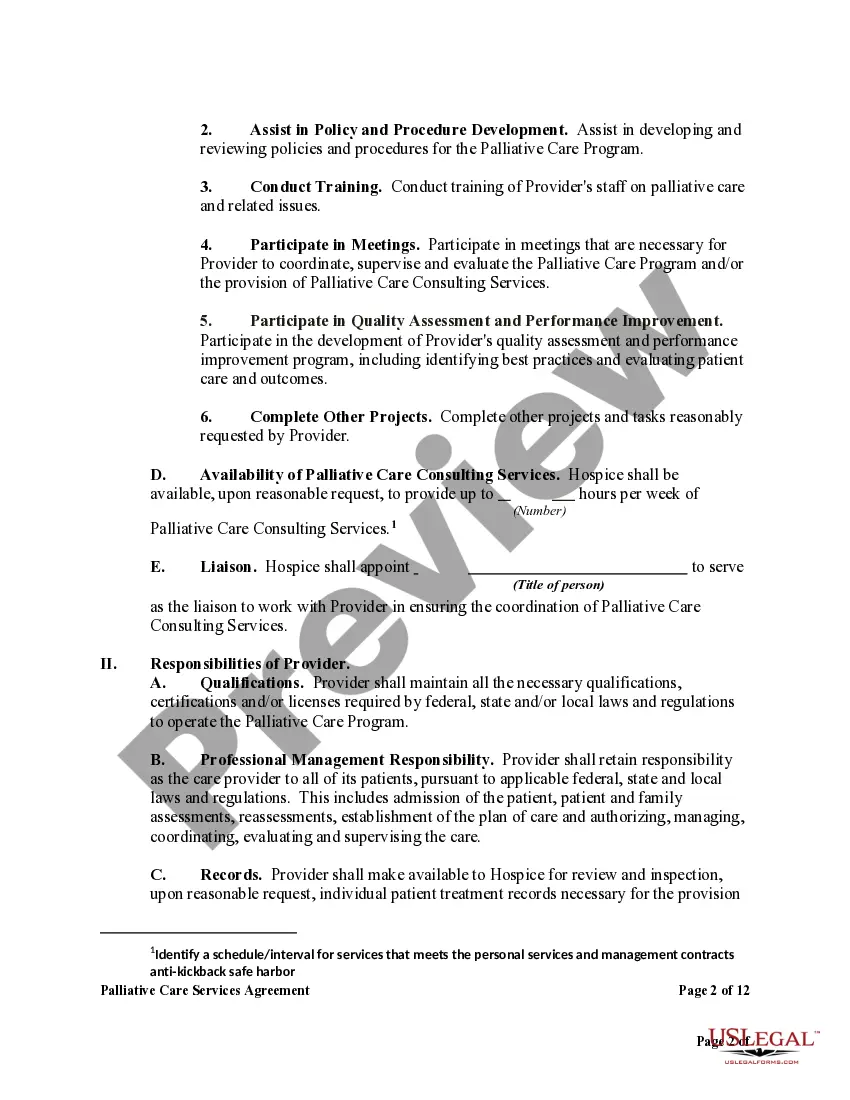
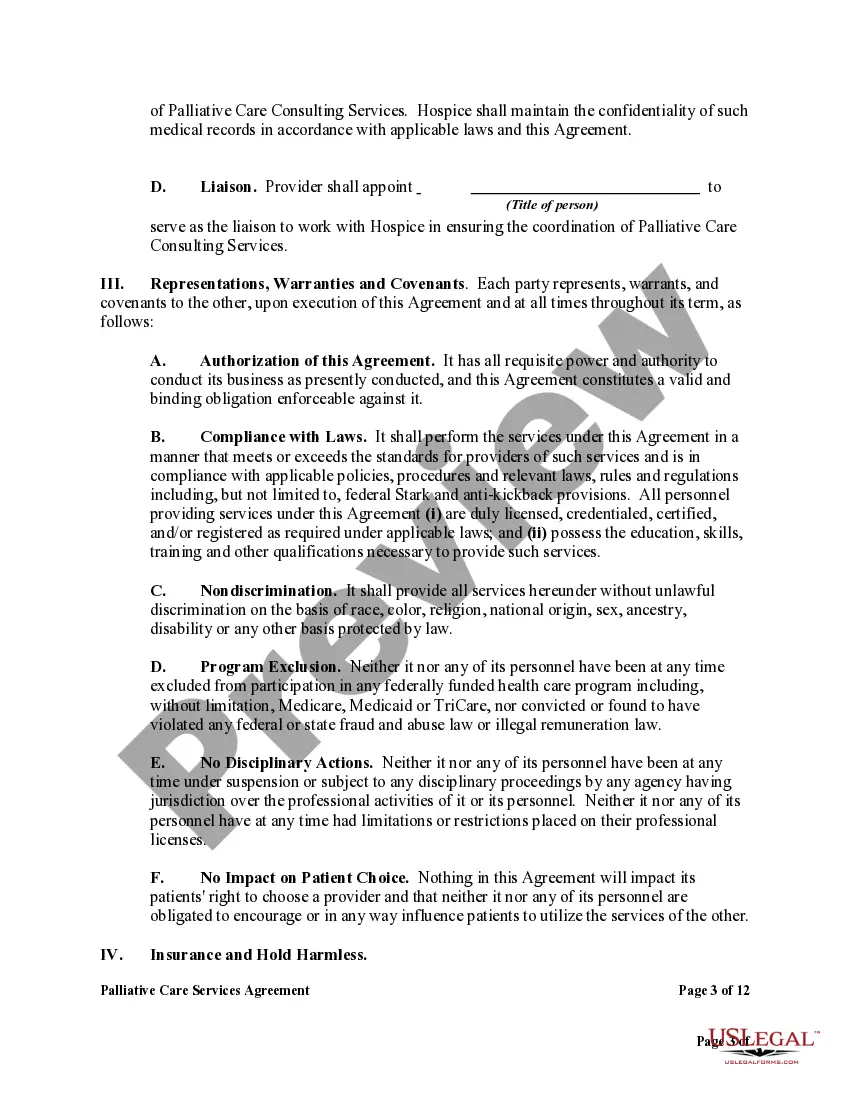
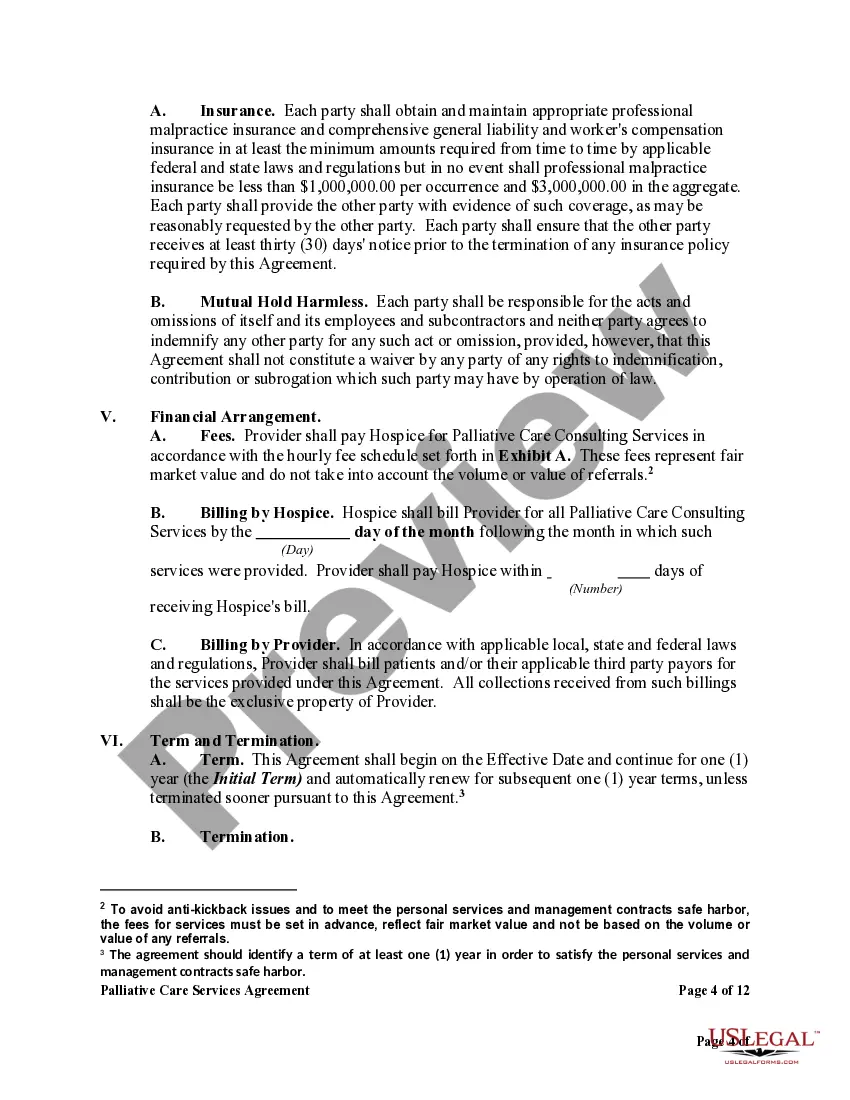
Hospices offer palliative and supportive care to the terminally ill, focusing on managing pain and other symptoms instead of seeking curative treatment for an illness. Recently, the concept of palliative care has expanded beyond the boundaries of hospice care to include care and services provided to patients suffering from progressive, incurable illnesses, who may or may not be eligible for hospice care, depending on whether their life expectancy is greater than six months.
Columbus Ohio Palliative Care Services Agreement Related Searches
Why palliative care is bad
Ohio's Hospice locations
Palliative care vs hospice
Ohio hospice regulations
Hospice rules and regulations
How to set up palliative care
Hospice care in Ohio
Who can get palliative care
Interesting Questions
Most insurance plans cover palliative care services, but it's always a good idea to check with your provider to know for sure about your coverage.
Sure thing! Palliative care can work hand-in-hand with other treatments like chemotherapy or surgery. It's all about making your experience as smooth as possible.
Getting started is easy! Just talk to your doctor about your wishes for palliative care, and they can help connect you with the right team.
Not at all! Palliative care can be helpful at any stage of a serious illness, not just at the end of life. It's here to help you live your best life, no matter what.
Absolutely! Palliative care can be provided at home, in hospitals, or even in hospice settings, so you can choose the place that feels best for you.
The palliative care team usually includes doctors, nurses, social workers, and other specialists who work together to provide you with comprehensive care.
Palliative care is all about providing comfort and support for people with serious illnesses. It helps manage pain and other symptoms, so you can focus on quality of life.